
Mil-Spec Electronic Components for Missile Systems
Table of Contents
- What Makes Missile-Grade Electronic Components Different?
- Which Electronic Components Matter Most in Missile Guidance?
- What Goes Into the Guidance Computer?
- Why Do Precision Data Converters Decide Miss Distance?
- How Do You Source and Document FPGA and Data Converter Parts?
- How Do You Handle Obsolescence and Long Lead Times?
- What Should You Check Before Locking Your Missile BOM?
- What Else Do Defense Buyers Ask About Missile Components?
- What is the difference between MIL-SPEC and commercial components?
- Are QML devices always required for missile programs?
- How do we verify parts are not counterfeit?
- Can Sparkle Electronics Supply Small Quantities for Prototype Builds?
Mil-spec electronic components for missile systems carry a different set of sourcing risks than any other defense electronics category. A guidance computer that loses a single data converter channel during terminal homing does not get a second pass. David Lin and the Sparkle Electronics team serve precision guided munition programs by treating part traceability, lot screening, and documentation as design inputs, not afterthoughts. This article covers the component categories that matter most in guidance and control, the qualification evidence buyers should request, and the stock planning that keeps missile programs from stalling when an FPGA family goes end of life.
What Makes Missile-Grade Electronic Components Different?
Missile environments compress every failure mode into a single short flight. Components must withstand shock, vibration, and temperature extremes from launch to terminal intercept, and they must do so with no maintenance window. I have seen guidance programs reject lots for date code spread alone because lot homogeneity assumptions break during qualification testing. The practical result is that mil-spec electronic components for missile systems are not commercial parts with a better label. They are screened, tested, and traceable as individual lots through burn-in, electrical testing, and often radiographic inspection or destructive physical analysis.
When we source for a missile program, we treat MIL-PRF-38535 QML devices, MIL-STD-883 Class B parts, and JANTXV discretes as the baseline, not the ceiling. A control actuation circuit may need a power module that survives high transient voltages. A telemetry board may need ADC parts with known performance from -55°C to +125°C. The selection rule is simple: if the part cannot be traced to a single lot with test data, it does not enter a missile BOM.
Which Electronic Components Matter Most in Missile Guidance?
The BOM for a precision guided munition is not dominated by one exotic IC. It is a chain of high-reliability parts where any weak point can determine miss distance. Three categories do most of the work.
| Function | Representative component types | What matters most |
|---|---|---|
| Guidance computer | FPGAs, DSPs | Closed-loop timing, reconfigurability |
| Navigation and seeker signal chain | High-speed ADCs, DACs, precision amplifiers | Low noise, channel matching |
| Datalink and RF | RF transceivers, synthesizers, GaN amplifiers | Phase noise, vibration tolerance |
| Power conversion | DC-DC modules, LDOs | Input transients, compact size |
| Memory and configuration | PROM, EEPROM, SRAM | Data retention, fast boot |
| Bus interface | MIL-STD-1553, UART, LVDS | Deterministic latency |
What Goes Into the Guidance Computer?
Most modern missile guidance computers use FPGA fabric for real-time sensor fusion and a DSP or processor for navigation math. The FPGA often holds the loop closure because it can respond within a few clock cycles. I have watched teams spend weeks chasing timing errors after swapping in a slower speed grade to fix a supply shortage. The speed grade and package are part of the qualification baseline. They are not interchangeable.
Why Do Precision Data Converters Decide Miss Distance?
Terminal guidance runs on the quality of the seeker data. A high-speed ADC with poor channel-to-channel matching can leave the signal processor with a skewed aim point. For radar or imaging infrared seekers, we specify converters with known noise density and jitter performance, then confirm the test data follows the lot. It is not enough to know a part number works in a commercial design. It must work in a missile under vibration.
How Do You Source and Document FPGA and Data Converter Parts?
Missile programs live and die on part provenance. A part number without a date code and a test lot is a counterfeit risk, even when it passes visual inspection. We start every quote with the source control drawing or approved vendor list requirements, then match inventory against those constraints. For FPGA and CPLD parts, that means QML variants, preferred package and speed grade, and original factory labeling. For data converters, it means pin-compatible alternatives only when the program has an existing qualification path.
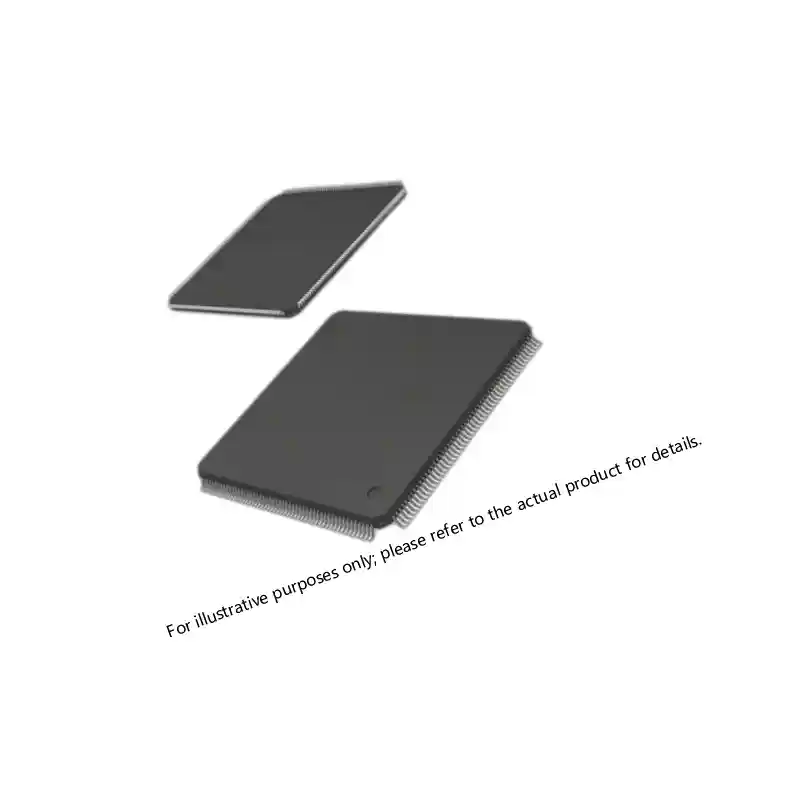
If you are still building the shortlist, our FPGA & CPLD inventory and High-Speed ADC/DAC inventory list parts by package, speed, and grade rather than by vague family names.
Documentation is the second half of the same job. A missile buyer may require a certificate of conformance, lot test data, and a statement of traceability from the manufacturer or authorized chain. QML devices should be marked and packaged per MIL-PRF-38535. JANTXV discretes should arrive with the screening flow data. I have seen a source inspection stop a production line because a lot of transistors arrived with correct part numbers but no burn-in data. The parts were probably genuine, but they could not be proved genuine. We review the compliance package before shipment so the incoming inspection team does not discover the gap at the dock. DFARS flow-down clauses, AS9120 quality terms, and AS6081 counterfeit avoidance controls are normal for missile work, not exceptions.
If your program involves mixed signal chain changes or a second-source transition, it is worth confirming pin-for-pin compatibility and date code availability before finalizing your BOM. Email xuansc2144@gmail.com with the part number and quantity, and we will check stock and lot traceability first.
How Do You Handle Obsolescence and Long Lead Times?
Missile programs can stay in service for twenty years or more, while FPGA families change on five-year cycles. Obsolescence is not an interruption. It is a scheduling problem. The most common mistake is to wait for a shortage before looking for alternatives. A proactive plan identifies single-source parts, checks manufacturer end-of-life notices, and locks in last-time buys or die bank arrangements before the window closes.
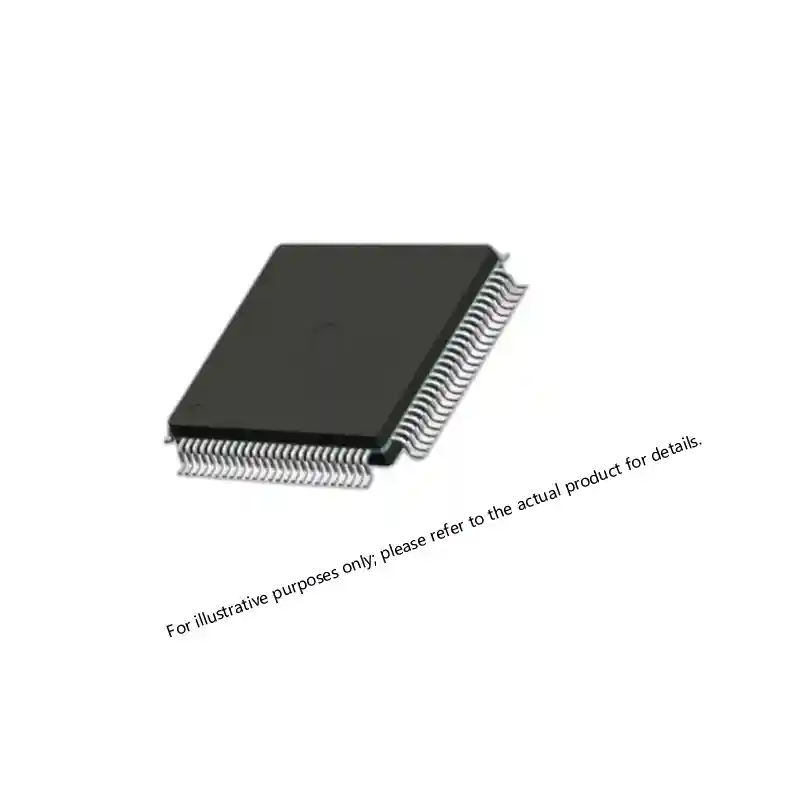
For legacy FPGA and memory parts, we often see programs that need a specific Xilinx, Actel, or Cypress part that is nearing obsolescence. Long lead times on JANTXV discretes and MIL-SPEC power modules can be reduced by holding strategic stock of the parts that have no drop-in replacement. The decision to hold stock should be based on program life and requalification cost, not on current quarter price.
What Should You Check Before Locking Your Missile BOM?
Missile electronics sourcing fails when a part is authentic but undocumented, or documented but unavailable in one lot. We review BOMs against compliance requirements, date code availability, and long lead risks before you finalize the design. Send your part number and quantity to xuansc2144@gmail.com and we will confirm stock, lot traceability, and the documentation package. That single check costs far less than requalifying a board after a supply surprise.
What Else Do Defense Buyers Ask About Missile Components?
What is the difference between MIL-SPEC and commercial components?
MIL-SPEC components are built, screened, and documented to military specifications such as MIL-PRF-38535 or MIL-STD-883. The silicon may be similar to a commercial version, but the screening flow, lot traceability, packaging, and test data are not. A commercial part is tested to capture functional failures in normal use. A MIL-SPEC part is tested to remove early failures and verify performance across temperature, shock, and long storage. For a missile that cannot be repaired after launch, the difference is the margin between a proven lot and an unknown one.
Are QML devices always required for missile programs?
A common assumption is that every missile part must be QML qualified. That is not always true. Some programs accept MIL-STD-883 Class B parts, JANTXV discretes, or source-controlled commercial devices when the specification supports it. QML is required when the drawing or program flow-down requires QML listing. The buyer’s job is to read the purchase specification and match the part grade exactly. Using a higher grade adds cost and lead time without adding compliance value if the program does not require it.
How do we verify parts are not counterfeit?
It depends on the part’s path into the market. For parts from authorized manufacturers or their franchise distributors, the certificate of conformance and lot data are the core evidence. For independent distribution, AS6081 screening, visual inspection, X-ray, and electrical testing may be necessary. The simplest control is to require full date code and lot code traceability on every line item before acceptance. If a supplier cannot produce that, treat the part as unverified regardless of price.
Can Sparkle Electronics Supply Small Quantities for Prototype Builds?
In programs we have worked with, prototype and low-rate initial production builds often need small quantities of hard-to-find military-grade parts. We work with those buyers because the same lot control and documentation discipline applies whether the order is five pieces or five hundred. The key is to send the exact part number, any source control drawing, and the required quantity. We will confirm stock and let you know if minimum lot restrictions from the manufacturer apply. Share your part number and requirement, and we will confirm compliance documentation availability.
If you’re interested, check out these related articles:
Virtex-7 690T FPGA: Performance, Packaging, and Reliability Insights
XC7VX485T Virtex-7 FPGA: Performance and Sourcing for Defense