
Military ECM Component Sourcing: Key Parts and Compliance
Table of Contents
- ECM Signal Chains Demand Hi-Rel Components
- FPGAs and High-Speed Data Converters Form the ECM Core
- Sourcing ECM Components Carries Counterfeit and Traceability Risk
- Documentation Checks Come Before ECM Quote Comparison
- Long-Term ECM Component Supply Requires a Program Partner
- Common Questions Defense Buyers Ask About ECM Component Sourcing
- What is the difference between commercial and MIL-SPEC ECM components?
- Why are high-speed ADCs so hard to source for ECM programs?
- Can commercial parts be used in ECM prototypes?
- What documentation should you request before buying ECM components?
Military ECM component sourcing should put compliance before price. Electronic countermeasure systems depend on signal path components that must survive jamming duty cycles, wide temperature swings, and decades of program life. A counterfeit FPGA or a commercial-grade ADC with false paperwork will not show up on a datasheet review, but it will disable a platform when it matters. Traceability and MIL-SPEC screening levels are not negotiable, and stock confirmation comes after documentation passes. This article covers the component categories ECM programs depend on and the supplier checks that keep a BOM defensible.
ECM Signal Chains Demand Hi-Rel Components
ECM hardware works harder than most defense electronics. A radar warning receiver must detect, characterize, and respond to a threat in milliseconds. A jamming transmitter must hold continuous RF power without degrading. Every component in that chain carries timing, bandwidth, or power consequences, and a weak link shows up at qualification, not on a bench.
Temperature is the first filter. ECM systems operate across the full military range, often -55°C to +125°C, and the parts must be screened to a defined flow rather than rated on a datasheet alone. We have seen programs where a commercial-temperature ADC passed bench testing and failed qualification because the part was never rated for the environment. That is a part selection failure, not a component defect.
The failure case is usually thermal drift in the converter. A high-speed ADC that looks linear at 25°C can lose several LSBs of effective resolution when the junction temperature rises, and an ECM receiver that cannot hold its noise floor becomes a platform vulnerability. Parts screened to MIL-STD-883 Class B or Class S have been exercised across temperature before they ship. That screening data is part of the part number’s pedigree.
Hi-rel means the manufacturer has tested to a defined sequence: temperature cycling, burn-in, and electrical test at temperature extremes, with lot documentation that follows the shipment. Without that, the phrase military grade is a label, not a qualification.
FPGAs and High-Speed Data Converters Form the ECM Core
Modern ECM is built around digital RF memory and real-time signal processing. The challenge is bandwidth: a DRFM must capture a threat signal, store and modify it, and retransmit a coherent response. That requires sampling and processing at gigahertz rates.
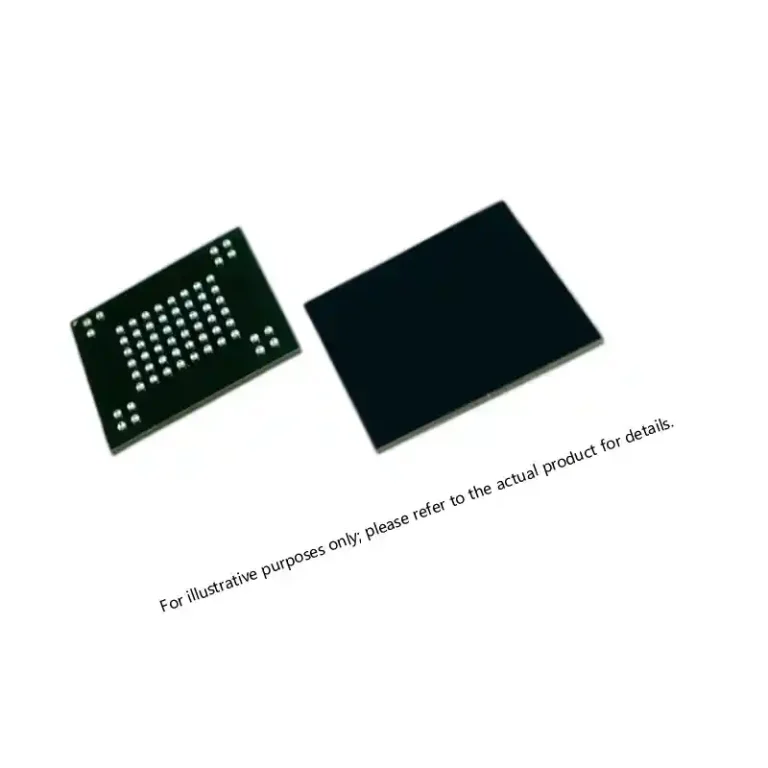
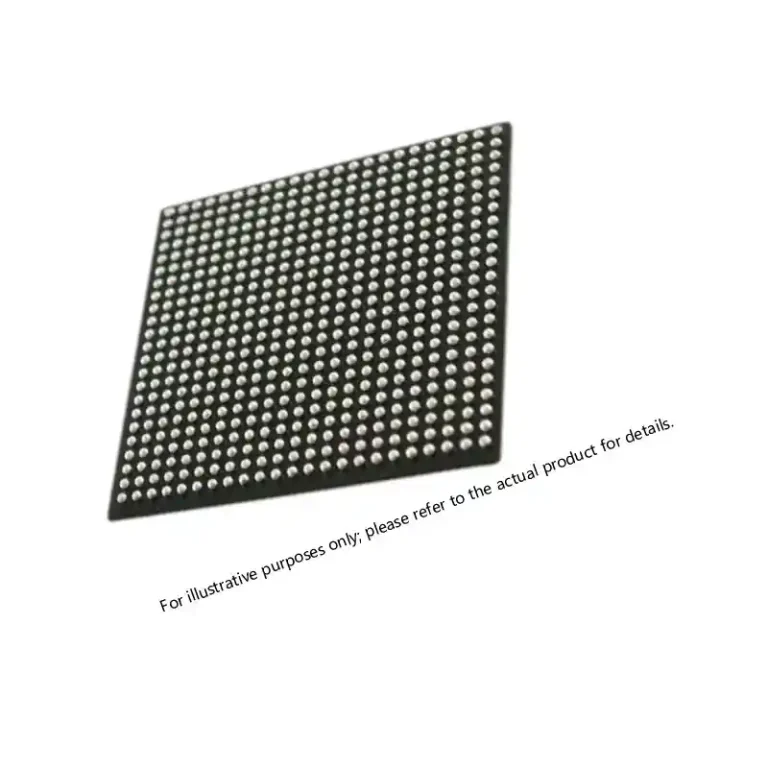
The FPGA is the processing backbone. Flash-based parts such as the Microsemi SmartFusion families (A2F500M3G, M2S150TS) and PolarFire MPF300T handle configuration, control, and secure processing. A flash-based FPGA removes reliance on an external configuration device, which eliminates one sourcing and security risk in the design.
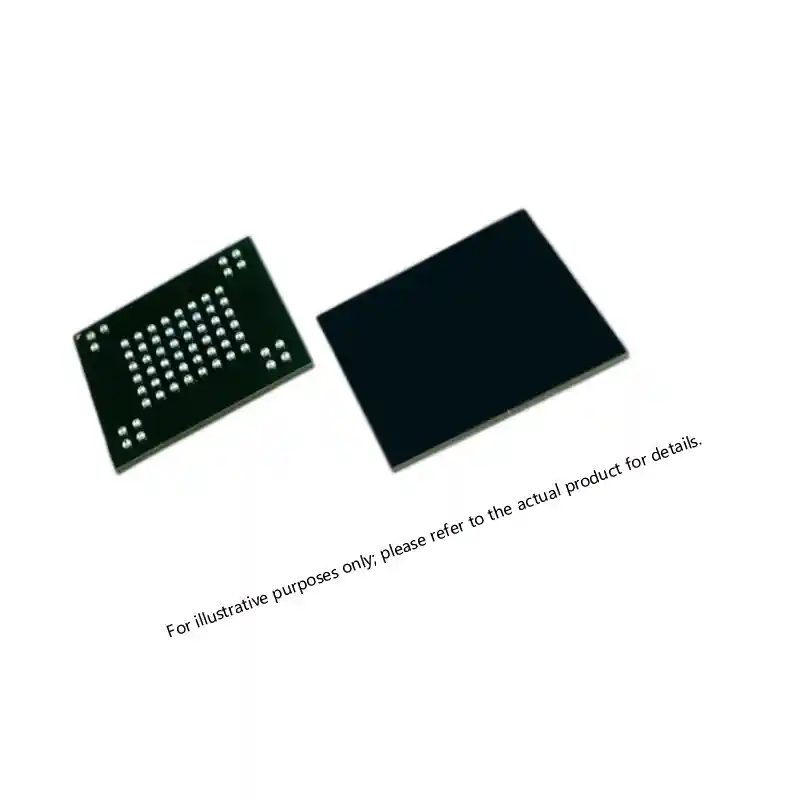
The ADC and DAC pair sets the instantaneous bandwidth. ECM receivers commonly specify converters rated at 1 GSPS or faster. Representative parts include the dual 12-bit 1.6 GSPS converter (ADC12D1600CCMPR) and wideband RF DACs (AD9172BBPZ at 12 GSPS). A converter of this class has to come with lot-specific traceability; a unit with unknown history is an unacceptable risk inside a digital RF memory.
Power modules carry the amplifier load. VICOR voltage-in modules (V24A, V300A series) and high-density DC-DC modules serve the transmitter rail because the RF power amplifier draws hard, fast current from a regulated supply.
| ECM Function | Component Category | Representative Part |
| Digital RF memory and processing | Flash-based FPGA | A2F500M3G-1CSG288I, MPF300T-1FCG484I |
| Wideband capture | High-speed ADC | ADC12D1600CCMPR |
| Jamming waveform generation | High-speed RF DAC | AD9172BBPZ |
| Transmitter rail | DC-DC power module | VICOR V24A12M400BL |
If your ECM program involves DRFM bandwidth above 1 GHz, it is worth confirming the ADC screen level and lot traceability before finalizing your BOM. Send your part number and quantity to xuansc2144@gmail.com and we will confirm stock.
Sourcing ECM Components Carries Counterfeit and Traceability Risk
The most dangerous part in an ECM BOM is the one with perfect paperwork and an unknown history. Counterfeiters target expensive, long-lead parts: FPGAs, specialized ADCs, and obsolete MIL-STD-1553 transceivers. These parts are costly enough to justify counterfeiting and scarce enough that buyers accept short notice.
Traceability means every part can be connected to its original manufacturer, lot code, and screening records. For MIL-SPEC parts, that means a 5962-series number, a date code, and a certificate of conformance that matches the physical shipment. A distributor that cannot produce lot-specific documentation is not supplying compliant product.
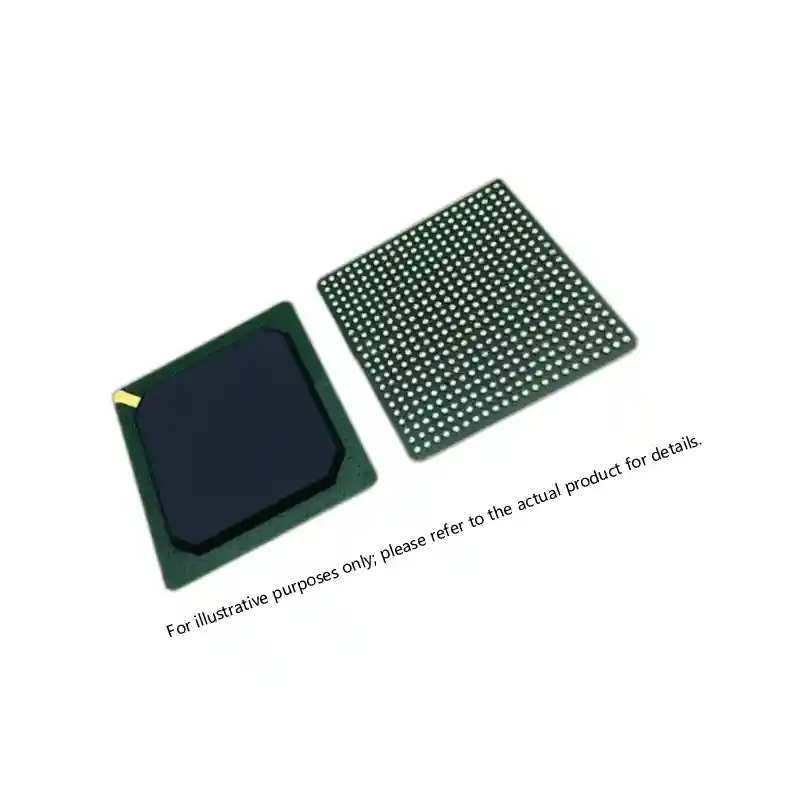
The qualification trap is separate. A part may carry JANTX or JANTXV in its part number but never have been screened to that level if it left the manufacturer’s control through an unauthorized channel. The paperwork and the physical part must align, and the buyer or distributor must verify both before the components enter the program.
Documentation Checks Come Before ECM Quote Comparison
Military ECM component sourcing should follow a fixed sequence: documentation first, quotes second. Comparing prices before documentation passes puts pressure on the wrong variable. We recommend five checks before any quote comparison.
- Lock the part number and screen level first, including any 5962-series suffix or slash sheet.
- Request the lot date code for every costly line item.
- Ask for a sample certificate of conformance that matches the lot, not a generic document.
- Confirm inventory is in stock or accessible through an authorized channel, not a marketplace.
- Request temperature cycling or burn-in data if the program exceeds the baseline screen.
These five checks catch the majority of documentation problems before money moves. A distributor that hesitates on any of them is signaling that the part’s history cannot be verified.
Long-Term ECM Component Supply Requires a Program Partner
ECM programs run for years, sometimes decades. The part qualified today may go obsolete in five years. A distributor that holds inventory, tracks the BOM, and gives early obsolescence warnings becomes a program support partner rather than a transactional vendor. That distinction matters when a last-time buy notice arrives six months before a production run.
If your ECM program requires MIL-SPEC FPGAs, high-speed converters, VICOR power modules, or JANTX-level discretes with full traceability, send your part number and quantity to xuansc2144@gmail.com. We will confirm stock, documentation, and lead time before you commit.
Common Questions Defense Buyers Ask About ECM Component Sourcing
What is the difference between commercial and MIL-SPEC ECM components?
MIL-SPEC parts are the same designs screened to a defined military flow, not different silicon. A MIL-STD-883 part has been temperature cycled, burned in, and electrically tested at temperature extremes, and the lot documentation follows the shipment. A commercial part of the same design has not gone through that flow. For ECM systems the difference matters because a converter that passes at room temperature can drift under wide temperature swings, and you may not see it until qualification. If your program needs a specific screening level, confirm the lot documentation before ordering.
Why are high-speed ADCs so hard to source for ECM programs?
The problem is usually not the silicon. It is the documentation. High-speed ADCs in the 1 GSPS and faster class are produced in limited volumes, and traceable military lots are allocated early. What reaches the open market is often commercial stock or parts with incomplete paperwork. A distributor that can show the original lot code and a matching certificate of conformance removes most of that risk. If a quote offers an ECM-grade converter with a short lead time and no traceability, treat it with caution.
Can commercial parts be used in ECM prototypes?
It depends on the program phase and qualification plan. During early prototyping an industrial-temperature part may be acceptable if the team understands it is a placeholder. The problem starts when a prototype BOM rolls into production without a formal review. Every ECM program should document which parts may be commercial or industrial and which must be MIL-SPEC before design freeze. That review should be explicit, not implied. Without it, the qualification team inherits risks the design team never intended.
What documentation should you request before buying ECM components?
In programs we support, we ask for three things before recommending a buy. First, the lot date code for every costly part. Second, a certificate of conformance that matches the lot, not a generic document. Third, confirmation of the screening flow, whether MIL-STD-883, JANTX/JANTXV, or QML. These three checks catch most documentation problems before money moves. If your program has a specific screening requirement, share your requirements and we will confirm compliance documentation availability.
If you’re interested, check out these related articles:
Virtex-7 XC7VX690T: Performance, Reliability, and Integration
Virtex-7 690T FPGA: Performance, Packaging, and Reliability Insights
UltraScale KU085 FPGA Specifications for Defense Systems