
Military-Grade Electronics in Ground Combat Vehicles
Table of Contents
- Why Ground Vehicle Military-Grade Electronics Demand More Than Commercial Parts
- Component Categories for Military-Grade Electronics in Ground Vehicles
- FPGA and Processing Hardware
- Power Conversion Modules
- High-Speed ADC and DAC
- MIL-SPEC Qualification and Traceability Requirements
- Sourcing Military-Grade Electronics Without Long Lead Time Disruption
- Connecting Your Ground Vehicle Program to Traceable Components
- Questions Procurement Teams Ask About Ground Vehicle Components
- Do ground vehicle systems always need full MIL-SPEC parts?
- What is the difference between JANTX and JANTXV?
- How do we know a distributor’s parts are authentic?
- Can we source obsolete ground vehicle components after the original supplier stops production?
Military-grade electronics in ground combat vehicles operate under conditions that turn small sourcing errors into platform-level failures. I treat ground vehicle component selection as a compliance problem first and a cost decision second, because a single undocumented substitute in a fire control or power distribution line can invalidate qualification and stop a vehicle from fielding. This article covers what those components need to withstand, which device categories carry the most program risk, and how procurement teams can source traceable MIL-SPEC hardware without introducing lead-time or counterfeiting risk.
Why Ground Vehicle Military-Grade Electronics Demand More Than Commercial Parts
Ground vehicle electronics live in an environment where heat, vibration, shock, dust, and conductive salt spray are present at the same time. A commercial part rated for a clean indoor server room does not have to survive the thermal swings a turret control board sees between a cold-soaked desert night and full sun, or the high-frequency vibration generated by tracked suspension. That gap is why qualification, not just function, becomes the buying filter.
I have seen a power module order stall for nine weeks because the lot date code did not match the certificate of conformance. The parts were probably fine, but the program could not accept them. In ground vehicle procurement, the paperwork is part of the component. Screening levels such as JANTX, JANTXV, /883, and QML exist because these platforms cannot be recalled and repaired the way a commercial product can.
Component Categories for Military-Grade Electronics in Ground Vehicles
Ground vehicle architecture breaks into a few repeatable building blocks. The table below shows the categories I check first when a new bill of materials (BOM) arrives.
| Vehicle Function | Component Category | What We Verify First |
|---|---|---|
| Turret control and fire control | FPGA and DSP | QML or /883 screening, configuration memory, industrial vs military temperature grade |
| Power distribution and launch circuits | DC-DC converters and power modules | MIL-STD-1275 transient compliance, hermetic packaging, wide temperature range |
| Sensor and sighting data | High-speed ADC and DAC | 5962-series part number, sampling rate, temperature grade |
| Vehicle data bus and command | MIL-STD-1553 transceivers and logic | MIL-STD-1553 compliance, /883 screening, traceability to original component manufacturer |
| Nonvolatile storage | SRAM, flash, nvSRAM | 5962 or MIL-PRF-38535 marking, date code consistency |
FPGA and Processing Hardware
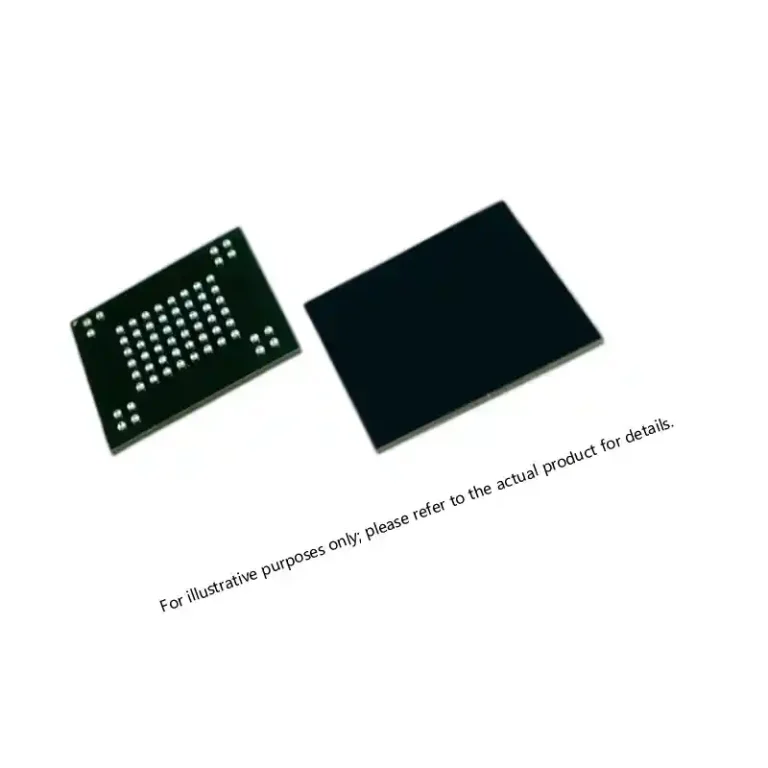
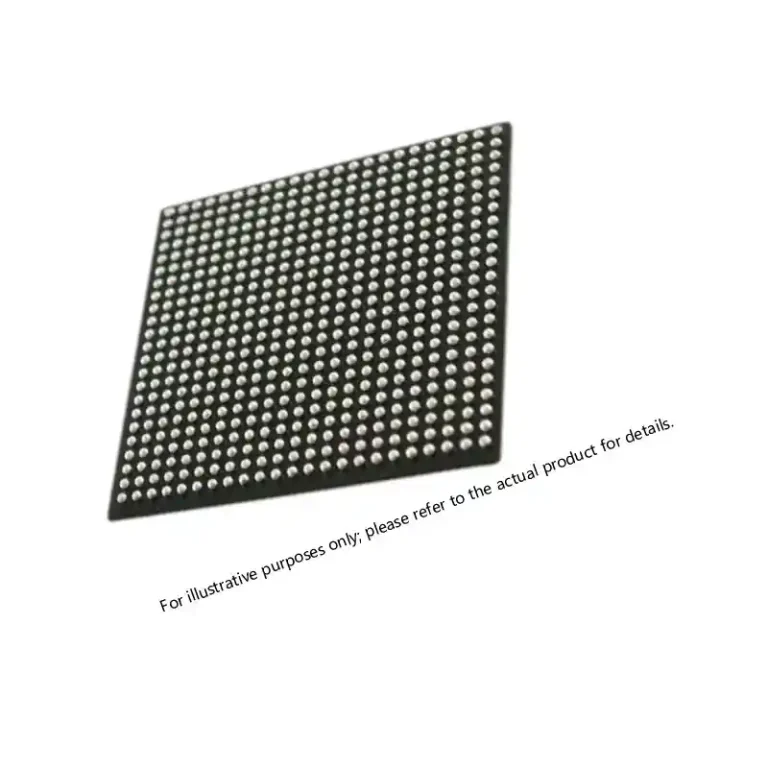
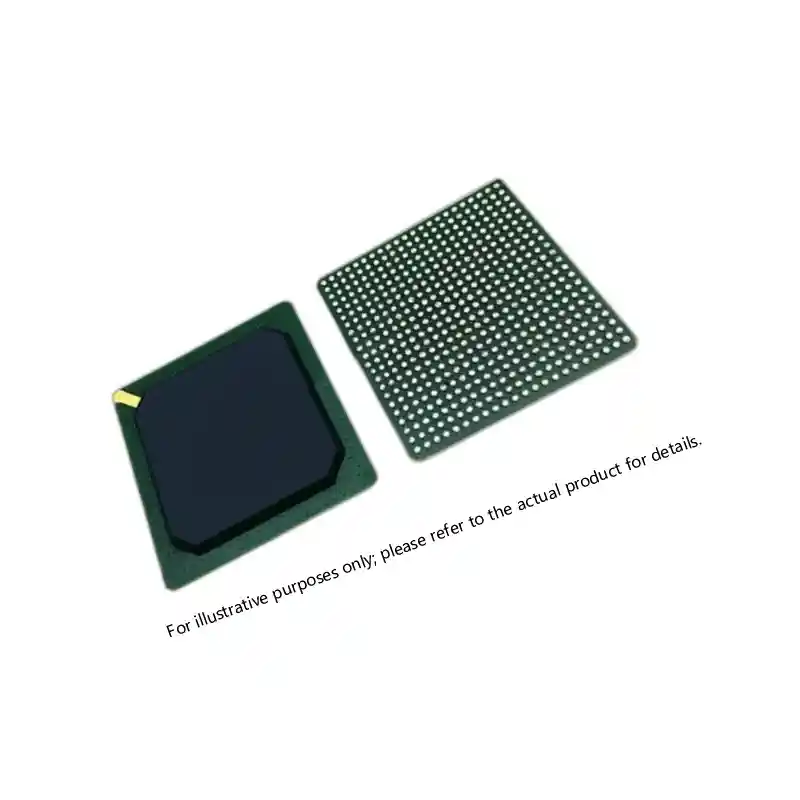
Programmable logic in vetronics, fire control, and image processing uses parts that must retain their configuration after power cycles and survive long-term temperature stress. Flash-based FPGAs, such as older Actel ProASIC and Axcelerator devices, often appear in ground vehicle designs because their nonvolatile configuration removes the need for a separate configuration memory that can fail. I look for package temperature range, speed grade, and whether the part is QML or industrial screened before accepting a line item.
Power Conversion Modules
Ground vehicle power rails are hostile. A 28 V nominal supply can see load dump and transient spikes that would destroy a standard commercial regulator. I prefer converters specified for MIL-STD-1275 or MIL-STD-704 conditions, with hermetic packaging where condensation or immersion is possible, and an output accuracy that stays within tolerance across the full temperature span. The data sheet alone is not enough; the lot documentation must show the exact screening flow applied.
High-Speed ADC and DAC
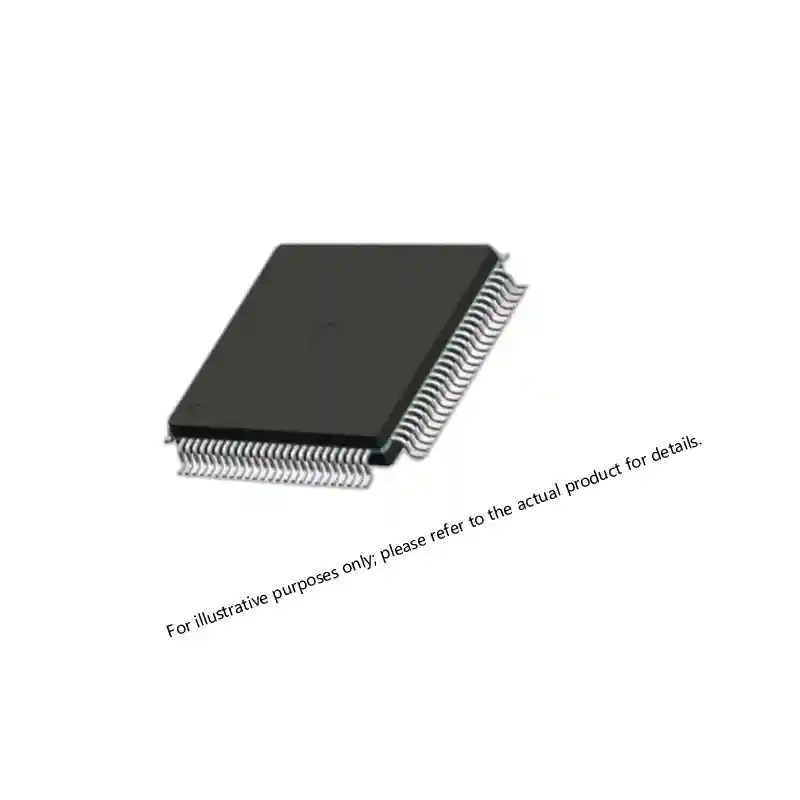
Imaging, laser warning, and electronic protection systems depend on fast analog conversion. Sampling rate gets attention first, but input voltage range, clock jitter tolerance, and temperature drift matter more in fielded hardware. I have seen teams choose a high-sampling-rate part, then discover the industrial temperature grade would not survive the vehicle’s cold start requirement. Check the 5962-series part number and the temperature grade before the engineering team commits to a printed circuit board layout.
MIL-SPEC Qualification and Traceability Requirements
I treat documentation as equal to silicon. A 5962-series number or a MIL-PRF-38535 QML marking tells you the part was built and tested to a controlled standard, but it does not by itself prove the specific lot in front of you is authentic and fully traceable. The certificate of conformance, the lot date code, the test reports, and the shipping documents all have to agree.
Where I see the largest gaps is in traceability. A distributor may have excellent pricing and clean packaging, but if the chain of custody cannot be reconstructed back to the original component manufacturer, the buying decision should stop right there for safety and mission functions. We look for lot-level documentation, not just part-level marketing claims.
Incoming inspection then has to verify what the documents say. We check marking consistency, date code legibility, packaging seals, and, where risk is high, request X-ray or electrical test evidence. Counterfeiters have become good at labels. The best defense is creating a file that ties every line item to a specific purchase order, lot, and original component manufacturer statement.
Sourcing Military-Grade Electronics Without Long Lead Time Disruption
Lead time is the hidden cost in ground vehicle programs. A design can be finished, but if one FPGA or power module sits at 40 weeks, the vehicle integration schedule slips. I prefer to source from distributors that hold physical stock and can show the part photograph, date code, and certificate before money changes hands.
Sparkle Electronics carries inventory across FPGA, DSP, high-speed ADC and DAC, mil-spec logic, memory, and power modules, so a production line can keep moving while the full long-lead order remains in process at the original component manufacturer. We work with defense buyers in more than 30 countries, so export documentation and compliance paperwork are part of the standard quote, not an afterthought.
If your program mixes commercial and military variants or uses a legacy part that has gone obsolete, confirm configuration control and second-source options before finalizing the BOM. Send the part number and quantity to xuansc2144@gmail.com and we will verify stock, documentation, and screening level for each line item.
Connecting Your Ground Vehicle Program to Traceable Components
The most common failure I see late in a ground vehicle program is not a bad component, but a documentation gap or a part that cannot be traced back to the original component manufacturer. That is the problem Sparkle Electronics is built to solve. We supply MIL-SPEC, QML-qualified, and JANTX devices with the chain of custody ready for incoming inspection.
Send your BOM, part numbers, and required qualification level to xuansc2144@gmail.com, and we will confirm stock, certificate of conformance, and traceability for each line item. One email replaces days of chasing quotes, documentation, and second-source options.
Questions Procurement Teams Ask About Ground Vehicle Components
Do ground vehicle systems always need full MIL-SPEC parts?
No. Many ground vehicle programs use a mix of QML-qualified devices for mission functions and screened industrial parts for noncritical peripherals such as display backlighting or diagnostic ports. The decision should follow the system failure consequence. If a failure can stop the vehicle or disable a safety function, the part belongs in a controlled, traceable screening flow. If the failure only degrades a secondary function, the requirement may be lower. What matters is that the drawing and the buyer agree on the exact screening level before ordering.
What is the difference between JANTX and JANTXV?
It depends on the assembly specification. JANTXV is built under a tighter screening flow and carries lower permitted defect levels than JANTX. If the drawing calls for JANTXV, JANTX will not satisfy it even when both parts appear identical. For many ground vehicle applications, JANTX is sufficient where the circuit is not safety-critical. JANTXV tends to appear where the platform requirement is written around a specific reliability target. Confirm the exact military specification and slash sheet before comparing distributor quotes.
How do we know a distributor’s parts are authentic?
A clean label is not proof. Counterfeiters copy labels, and some resurfaced parts pass a quick visual check. We verify authenticity through the full paper trail: original component manufacturer certificate, lot date code, purchase order history, and packaging details. When risk is high, we arrange additional electrical testing or X-ray inspection. The strongest signal is traceability; if no one can show where a lot came from, the price should not matter. A low quote on an untraceable part is not a saving.
Can we source obsolete ground vehicle components after the original supplier stops production?
In programs we have worked on, obsolete parts often remained available through distributor stock long after the original component manufacturer stopped producing them. The key is to identify the exact part number and revision before the part disappears from inventory systems, then verify that the physical stock still has valid date codes and documentation. Second-source and drop-in replacement searches can also restore supply if they are run early enough. Send the exact part number and current BOM quantity to xuansc2144@gmail.com and we will confirm whether compliant stock or a second source exists.
If you’re interested, check out these related articles:
A1020B-PG84B ACT2 FPGA: Specs, Sourcing, and Availability
Virtex-7 690T FPGA: Performance, Packaging, and Reliability Insights