
Naval Combat System Components: MIL-SPEC Sourcing Guide
Table of Contents
- Naval Combat System Components Start With the Operating Environment
- MIL-SPEC Qualification Requirements Shape Component Selection
- What QML and JANTX Designations Actually Require
- Signal Processing and Power Conversion Drive the Electronics Architecture
- FPGA and DSP Selection for Shipboard Signal Chains
- Sourcing and Traceability Requirements Change the Procurement Path
- A Structured Sourcing Approach Reduces Naval Program Risk
- Procurement Teams Ask These Questions About Naval Combat System Components
- How do naval combat system components differ from standard industrial hi-rel parts?
- What documentation should accompany a naval combat system component shipment?
- Can commercial off-the-shelf parts be used in naval combat systems if they pass screening?
- How far in advance should we plan for long lead time naval combat system components?
Naval combat system components fail when the operating environment is treated as an afterthought. Salt fog, condensation, vibration, and shock reach electronics long before performance margins do, and a component that works in a lab can fail within months aboard ship. Selection therefore has to start with environmental survivability and compliance traceability, not with a datasheet comparison alone. Procurement teams that treat sourcing as a lifecycle decision, not a price first transaction, get fewer bubble failures, better lot documentation, and far fewer qualification delays. The selection and sourcing path we use at Sparkle Electronics follows that sequence for shipboard and combat system programs.
Naval Combat System Components Start With the Operating Environment
For naval combat system components, the first selection filter is not a single datasheet parameter. It is the exposure class. Shipboard electronics face salt fog on connector shells, condensation after equipment moves from air-conditioned compartments to deck conditions, and continuous vibration from propulsion and wave motion. I have seen qualification failures appear where a commercial connector performed electrically but corroded at the shell threads within two years. Defining temperature range, humidity profile, salt fog duration, shock response spectrum, and compartment location narrows the acceptable part grades before any electrical comparison begins.
| Environmental condition | Typical shipboard effect | Required component response |
|---|---|---|
| Salt fog and spray | Corrosion on contacts, shells, and leads | Hermetic or conformal coated packages, approved finish |
| Humidity and condensation | Surface leakage, dendritic growth | Conformal coating, sealed enclosures, low moisture sensitivity |
| Vibration and shock | Solder joint fatigue, package cracking | MIL-STD-202 or MIL-STD-810 verified packages |
| Wide temperature swing | Thermal expansion mismatch | -55 C to +125 C rated parts with matched CTE materials |
This approach pushes most procurement teams toward MIL-SPEC and QML parts quickly, but not every line item needs the same grade. A sealed memory device in a below-deck computer can accept a lower level than a mast-mounted RF module. That difference belongs in the approved part list, not in a buyer’s discretion.
MIL-SPEC Qualification Requirements Shape Component Selection
Military qualification for naval combat system components is not a single threshold. It is a family of documents covering construction, screening, and conformance. QML Class Q and Class T integrated circuits under MIL-PRF-38535 carry traceable wafer lot, assembly lot, and screening records. JANTX and JANTXV cover discrete semiconductors under MIL-PRF-19500. MIL-STD-883 screening adds burn-in, temperature cycling, and centrifuge testing that commercial parts do not receive. I treat these documents as evidence, not marketing. When we review a bill of materials, we check the device designation first, then the screening level, then the test reports behind the shipment.
What QML and JANTX Designations Actually Require
QML parts are built on qualified manufacturing lines with specific element evaluation and technology flow. JANTX and JANTXV are more common for diodes, transistors, and some analog parts, and the letters identify increasing screening and inspection levels. The distinction matters for naval combat system components because salt fog and condensation failures often start as package integrity defects, which screening catches before installation. If a drawing calls for JANTXV and the quote returns a commercial part with a similar electrical spec, the compliance claim has already failed. Naval program reviewers accept qualification levels only when production lot documentation matches part marking exactly.
Signal Processing and Power Conversion Drive the Electronics Architecture
Once environmental and qualification baselines are clear, the electrical architecture determines the component mix. Naval combat system components in this space include high-speed FPGAs for beamforming and signal intelligence, high-resolution ADCs and DACs for receiver and transmitter chains, and tightly regulated power modules for every subsystem. DSP devices handle target tracking, sonar processing, and electronic support measures. These choices are not interchangeable. A commercial-grade FPGA may offer the same logic resources as a MIL-SPEC version, but it will not carry the same package integrity or extended temperature rating. I have seen programs attempt substitution at this stage and lose months when the replacement failed environmental qualification.
FPGA and DSP Selection for Shipboard Signal Chains
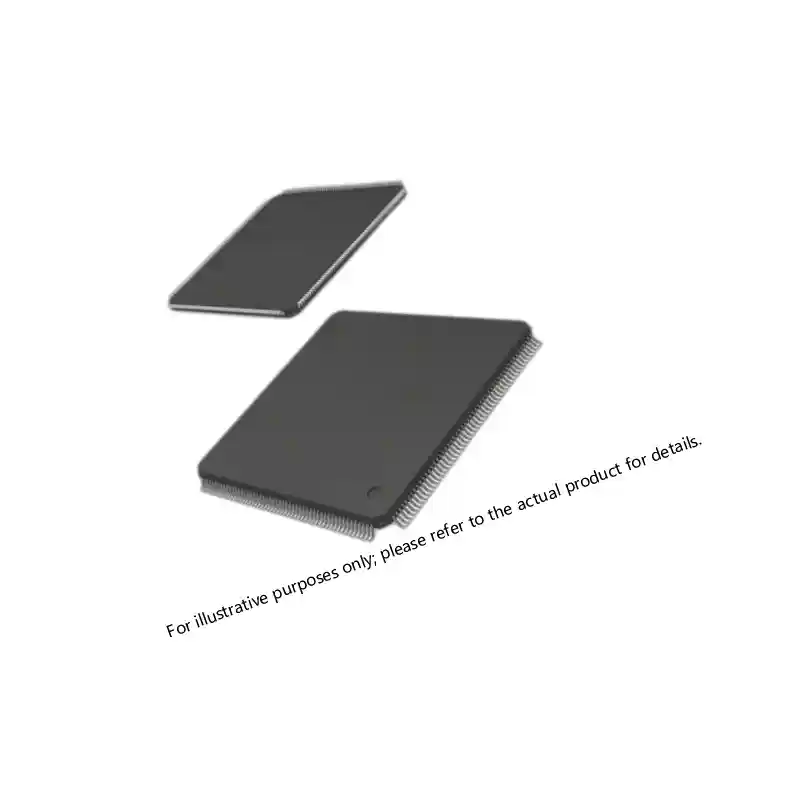
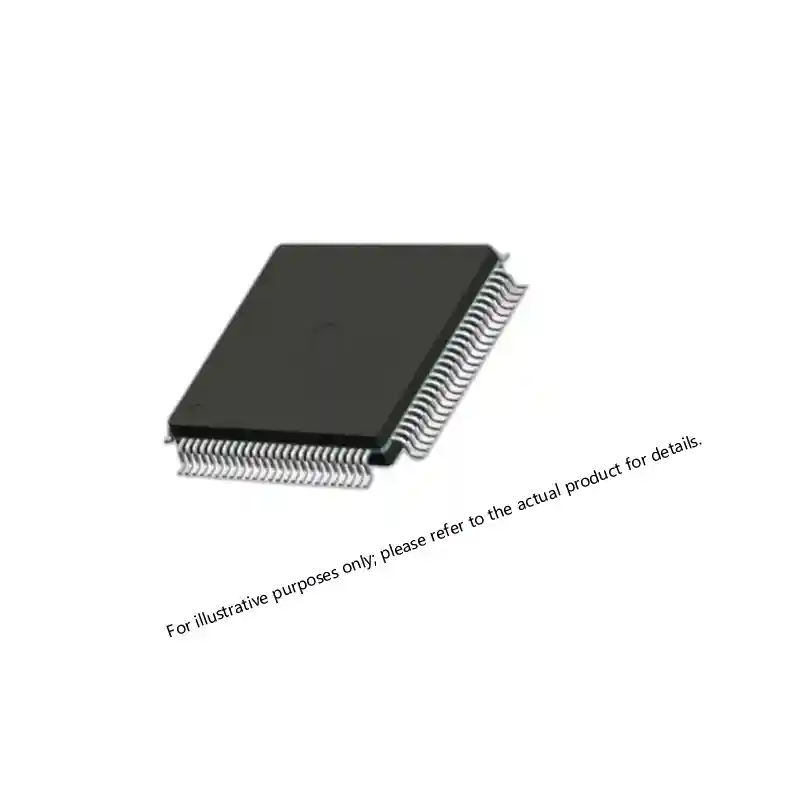
FPGA selection for shipboard systems starts with interface set and processing density, but package and temperature grade matter just as much. Look for devices in ceramic or high-reliability plastic packages rated for the full military temperature range. For DSP devices, confirm extended temperature and screening flow before committing. Power modules should be chosen for input transient tolerance and output regulation under load steps, because shipboard generators and switchgear produce voltage dips that bench supplies do not.
If your program involves mast-mounted receivers or below-waterline enclosures, it is worth confirming the exact finish and barrier coating on every connector before finalizing your BOM. Send your part numbers and quantities to xuansc2144@gmail.com and we can check the documentation trail with you before you commit.
Sourcing and Traceability Requirements Change the Procurement Path
The sourcing path for naval combat system components differs because traceability is not a shipping label. It is the chain of custody from the original component manufacturer through every intermediary to the final PCB. We require paperwork that connects the part number to the production lot, the screening records, and the original manufacturer’s certificate of conformance. That documentation should survive a government quality audit without reconstruction. We reject mixed lots and unknown date code stock for mission-critical programs. If two identical part numbers from different lots are mixed, a latent defect in one lot becomes impossible to contain during failure analysis.
Independent distributors can be a valid source for obsolete parts, but only when they can produce the full paper trail. We frequently locate end-of-life MIL-STD-1553 transceivers, legacy QML logic, and specific 5962 series devices from controlled stock. The sourcing path must be documented as carefully as the part itself.
A Structured Sourcing Approach Reduces Naval Program Risk
Most naval sourcing problems are not caused by unavailable technology. They are caused by mixed sources, weak documentation, and late decisions about obsolescence. A structured sourcing approach for naval combat system components starts with the qualification baseline, matches parts to the environmental class, and checks traceability before order placement. That sequence lowers the chance of inspection failures and long-term support gaps.
We work with defense contractors by reviewing the bill of materials, confirming stock and lot traceability, and including compliance documentation before shipment. Send your part number and quantity to xuansc2144@gmail.com and we will confirm availability and documentation for each line item.
Procurement Teams Ask These Questions About Naval Combat System Components
How do naval combat system components differ from standard industrial hi-rel parts?
The difference is in environmental qualification and documentation, not just electrical performance. Naval combat system components are screened and qualified to military standards such as MIL-PRF-38535, MIL-PRF-19500, and MIL-STD-883, with lot level traceability that industrial hi-rel parts often lack. They must survive salt fog, condensation, shock, and wide temperature swings without package degradation. Industrial hi-rel parts may carry an extended temperature range, but they usually do not include the same screening records or conformance documentation. For naval programs, that documentation gap becomes a compliance issue during audit and a reliability issue during deployment.
What documentation should accompany a naval combat system component shipment?
Many buyers assume a certificate of conformance is sufficient. It is not. The documentation set should include the original manufacturer certificate, lot and date code information, screening reports where applicable, and a traceability record that connects the part number to the production batch. For QML parts, the qualified manufacturer listing and wafer lot documentation matter. For JANTX/JANTXV discretes, the lot acceptance test records should be referenced. The purpose is to let a quality auditor reconstruct the part history without contacting the distributor. If that cannot be done, the shipment is not ready for a naval combat system.
Can commercial off-the-shelf parts be used in naval combat systems if they pass screening?
It depends on the system criticality and the program’s approved part list. Some below-deck, non-safety-critical functions accept commercial parts that have been up-screened with additional temperature cycling and burn-in, but the practice has limits. Commercial plastic packages are more moisture sensitive and less resistant to salt fog than hermetic ceramic packages. Upscreening cannot create lot traceability that the original manufacturer never maintained. For mast-mounted, weapons-related, or propulsion control electronics, I would not accept a commercial part substitution without explicit program approval. The cost saved is rarely worth the qualification risk.
How far in advance should we plan for long lead time naval combat system components?
We usually recommend starting the sourcing review at least 12 to 18 months before the first production build. Many QML FPGAs, military-grade ADCs, and MIL-STD-1553 interface parts run 26 weeks or more, and obsolescence risk adds uncertainty. Once a part goes end of life, the last time buy window may be short and allocation driven. Early review gives qualification samples time to arrive and pass incoming inspection without schedule pressure. Share your component list with us at xuansc2144@gmail.com and we will confirm current lead times and documentation availability for each line item.
If you’re interested, check out these related articles:
Virtex-7 XC7VX690T: Performance and Reliability Insights
UltraScale KU085 FPGA Specifications for Defense Systems
XCKU115 UltraScale FPGA: Powering Critical Defense Systems