Sourcing IDT Military Timing and Logic ICs for Defense
Table of Contents
- IDT Military Timing and Logic ICs in Defense Systems
- Key IDT Timing and Logic Part Numbers for Defense BOMs
- MIL-PRF-38535 Qualification for IDT Timing and Logic ICs
- Authenticity and Traceability Checks for IDT Military ICs
- Long-Term Supply Planning for IDT Timing and Logic ICs
- Common Questions About IDT Military Timing and Logic ICs
- Are IDT military timing and logic ICs still manufactured after Renesas acquired IDT?
- What distinguishes a 5962 IDT logic IC from a commercial IDT part number?
- What documentation should accompany a lot of obsolete IDT timing ICs?
- How do I verify old stock IDT parts before using them in a defense program?
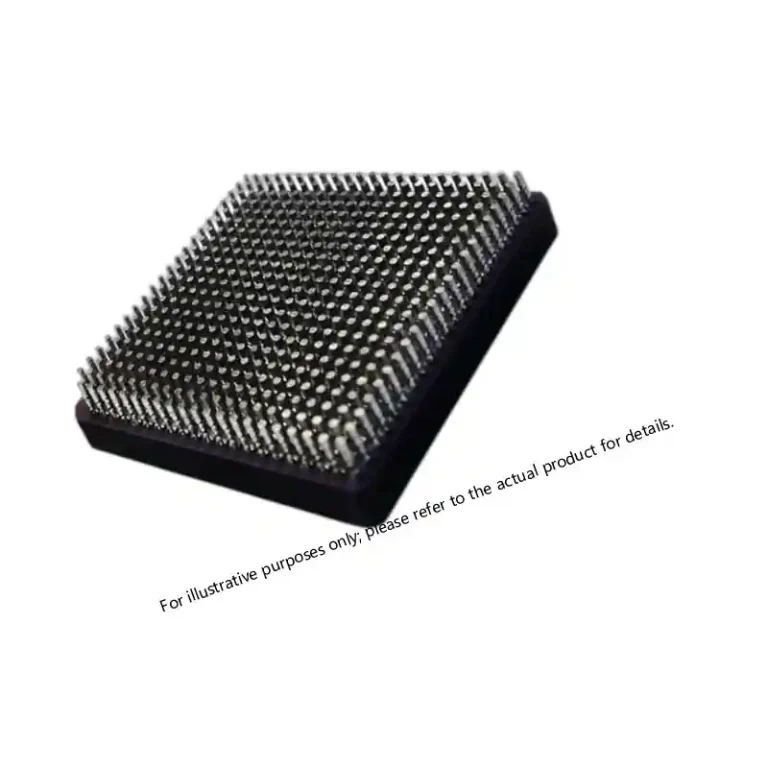
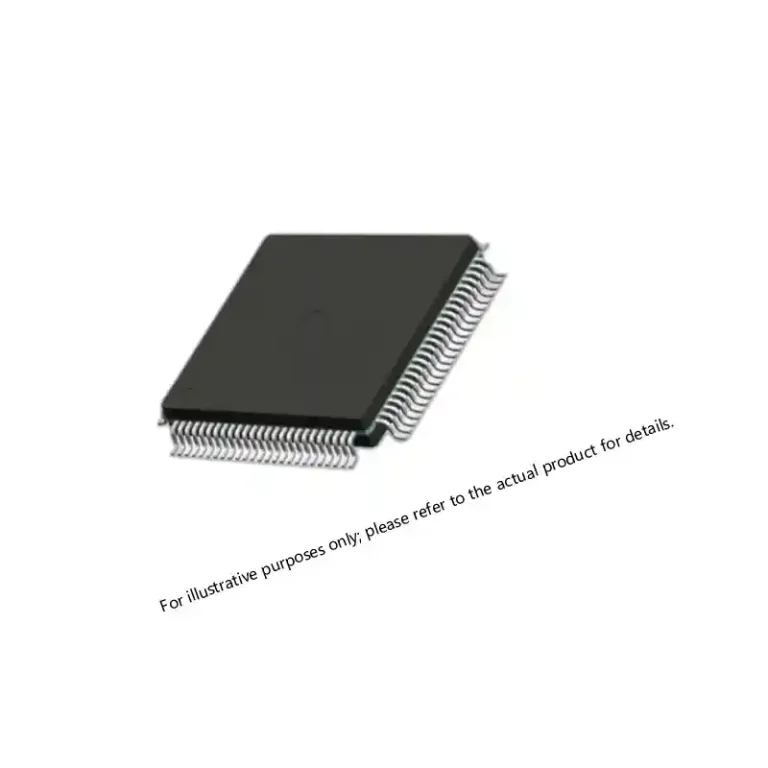
Sourcing IDT military timing and logic ICs for defense systems means working backward from qualification, obsolescence, and traceability, not just availability. IDT parts such as the 82C54 programmable timer, the ID82C52 UART, and 54FCT245 bus transceivers still sit in fielded military equipment and new sustainment BOMs. I have spent twelve years working with defense contractors on sourcing gaps in these exact devices, and the failure mode is rarely the silicon. It is documentation, packaging, and provenance. A part number that survives on paper but arrives with commercial grading or incomplete test records creates a compliance problem that delays qualification.
IDT Military Timing and Logic ICs in Defense Systems
Timing devices do not get the same design attention as FPGAs or ADCs, but a clock distribution fault can stop an entire signal chain. In defense hardware, timing ICs have to hold specified jitter, phase alignment, and output skew across temperature, supply variation, and long service life. IDT built much of its military catalog around that requirement, with clock buffers, programmable timers, and bus interface logic designed for predictable behavior rather than maximum speed. That distinction matters. A commercial timing part may run faster on a datasheet while a military variant carries heavy screening and a wider temperature range. For a sustainment engineer, the second part is the one that can be qualified once and left in a drawing for ten years.
Logic devices are equally easy to underestimate. A 54FCT245 transceiver is a simple part until it fails in a backplane, and then a debug effort can span weeks. I have reviewed BOMs where the original IDT logic device had been substituted with a commercial equivalent because the base number looked the same. The circuit worked on the bench and failed during qualification. The suffix and drawing matter as much as the base part number.
Key IDT Timing and Logic Part Numbers for Defense BOMs
Several IDT timing and logic parts appear repeatedly in legacy defense BOMs. The table below lists the ones I see most often in sustainment requests.
| Part number | Function | Qualification note |
|---|---|---|
| ID82C54 | 3-channel programmable interval timer, 8 MHz CMOS | MIL ceramic, timing generation |
| ID82C52 | CMOS UART, 8 MHz | MIL ceramic, serial interface |
| 5962-8762901SA | Octal bus transceiver, IDT54FCT245 equivalent | 5962 SMD |
| 5962-8984103LA | 5962-class logic IC, LA ceramic package | 5962 SMD |
These numbers illustrate a sourcing reality. The base device function is easy to find, but the military drawing, package, and test flow create the actual lead time. When I quote an IDT 5962 part, I confirm the drawing revision before the price, because a mismatch in the slash sheet can make the difference between a qualified drop-in and a part that requires re-review.
MIL-PRF-38535 Qualification for IDT Timing and Logic ICs
IDT military timing and logic ICs generally fall under MIL-PRF-38535 when they are supplied as QML devices or under MIL-STD-883 screening when they carry the /883 or /883B suffix. The distinction is not administrative. MIL-PRF-38535 ties the part to a qualified manufacturer listing and a defined technology flow, while /883 screening applies defined electrical and environmental tests to a production lot. A buyer should know which path applies to the drawing before accepting a quote.
Some older IDT parts appear with 5962 standard microcircuit drawings. These SMD numbers replace the base part number in the BOM and control the package, test limits, and inspection requirements. A part marked only with the commercial number may still be usable in some ground support equipment, but it is not the same component as the SMD version.
One point I check early is die revision. Timing parts can have multiple masks under the same drawing, and a later mask may change a parametric such as output rise time. If the program has already qualified the earlier mask, a later version can create a marginal qualification risk. That is why lot traceability matters more than a clean label.
If your program uses a 5962 IDT logic device with a locked drawing revision, confirm the exact slash sheet and die revision before finalizing the BOM. Send the drawing number and target quantity to xuansc2144@gmail.com, and I can verify which commercial or SMD variant matches.
Authenticity and Traceability Checks for IDT Military ICs
Counterfeiters target obsolete IDT timing and logic parts because they are small, frequently reordered, and difficult to test in the field. The parts arrive with matching topside markings but may be commercial die re-marked to a 5962 number. I have seen date codes that conflict with the lead frame finish and re-marked packages with ghost markings under magnification. The first defense is not a certificate; it is a physical inspection combined with a trustworthy chain of custody.
A credible inspection sequence starts with optical inspection for marking consistency, package style, and date code alignment. Next is solvent or scrape testing on suspect parts, followed by electrical verification against the SMD limits rather than the commercial datasheet. X-ray inspection closes the loop for internal construction. If the distributor cannot show lot documentation matching the physical date code, I treat the part as unverified regardless of how it looks.
Long-Term Supply Planning for IDT Timing and Logic ICs
Renesas acquired IDT in 2019, and many older IDT timing and logic devices have moved to end of life or are available only through remaining authorized stock. That creates a planning problem for programs that cannot easily change a qualified drawing. The first question I ask a customer is whether the part sits in an active drawing or a legacy repair BOM. The answer changes the buying strategy.
For active designs, a last-time buy or die bank discussion should start before the manufacturer issues a final lot notice. For sustainment, traceable distributor inventory is often the only practical source. We hold and locate IDT military timing and logic ICs for exactly this situation, and we verify every lot before it ships. Send your part number, target quantity, and drawing revision to xuansc2144@gmail.com, and we will confirm stock status, qualification documentation, and lead time for your review.
Common Questions About IDT Military Timing and Logic ICs
Are IDT military timing and logic ICs still manufactured after Renesas acquired IDT?
Most of the older IDT military timing and logic catalog is no longer in active production. Renesas moved many legacy IDT devices to end of life or consolidated them into newer product lines, so procurement now depends on remaining factory inventory, distributor stock, or last-time buy material. For a drawing that cannot change, this means the practical task is finding a verifiable lot, not waiting for a new production run. Before quoting a part, I confirm whether it is still orderable from the manufacturer or only available through independent stock.
What distinguishes a 5962 IDT logic IC from a commercial IDT part number?
A common mistake is to assume the base number controls everything. The 5962 drawing controls package, temperature range, screening, and test limits, and a commercial IDT part with the same functional number is not automatically a substitute. A 54FCT245 transceiver sourced as an SMD carries a different traceability and inspection path than a commercial FCT245 pulled from open market stock. If a program has a 5962 drawing, the replacement should be quoted to that drawing, not matched by function alone.
What documentation should accompany a lot of obsolete IDT timing ICs?
It depends on how the part will enter the system. For a QML or 5962 drawing, the purchase order should reference the SMD and the distributor should supply a certificate of conformance, lot test data, and chain of custody records that match the physical date code. For a maintenance or depot repair application, documentation can be lighter, but the same provenance question still applies. I reject lots where the date code, country of origin, and paperwork do not align, regardless of how attractive the price is.
How do I verify old stock IDT parts before using them in a defense program?
In programs I have reviewed, the first pass is visual and mechanical before any electrical test. We check marking consistency, package style, date code logic, and lead finish, then run electrical verification against the SMD limits. X-ray inspection catches internal construction differences that electrical tests miss. If the lot lacks a clear chain of custody, we treat it as unverified even when the parts look correct. Share your target part number and required drawing with us, and we can confirm what we have or locate a traceable lot.
If you’re interested, check out these related articles:
XCKU085 UltraScale FPGA: Performance for Critical Systems
Virtex-7 XC7VX690T: Performance, Reliability, and Integration
XC7VX485T Virtex-7 FPGA: Performance and Sourcing for Defense