
Sourcing Military-Grade ICs for University Defense Labs
Table of Contents
- Understanding Military-Grade IC Requirements in University Defense Research
- Selecting MIL-SPEC FPGAs and ADCs for Research Platforms
- Documentation, Traceability, and Compliance for Funded Programs
- Low-Volume Procurement Strategies Without Long Lead Time Penalties
- A Direct Sourcing Path for University Defense IC Programs
- Common Questions About Military-Grade IC Sourcing for Universities
- Do university defense research programs need full MIL-PRF-38535 QML parts?
- Can a research lab use industrial grade components instead of military-grade ICs?
- How are low-volume orders for MIL-SPEC FPGAs and ADCs handled?
- What documentation should a university lab request with a military-grade IC order?
Sourcing military-grade ICs for university defense research programs carries a different set of constraints than large prime contractor procurement. Principal investigators often need small quantities of qualified parts for prototyping, testbeds, and proof-of-concept systems, but the same traceability and certification rules apply. Without a dedicated procurement team, a lab can lose weeks confirming part authenticity and documentation. We supply authentic MIL-SPEC FPGAs, ADCs, DACs, memory, and power modules with the paperwork funding agencies expect. The decisions that follow cover qualification, documentation, and low-volume sourcing for programs that rarely see these constraints addressed in depth.
Understanding Military-Grade IC Requirements in University Defense Research
Military-grade ICs are not one category. The term covers QML devices built to MIL-PRF-38535, JANTX and JANTXV semiconductors, 5962-series parts, and devices screened to MIL-STD-883. University programs often need only a few of these parts, but the requirement for authentic, traceable units stays the same. A research FPGA or ADC used in a sponsored defense project must pass the same source documentation review as a production part, even when the quantity is five or ten pieces. In my experience, the most common delay is not part availability but missing or incomplete certification history. A part that arrives without lot traceability cannot be used in a funded system, regardless of how well it performs in the lab.
Selecting MIL-SPEC FPGAs and ADCs for Research Platforms
Research platforms often divide between FPGA-based signal processing and high-speed data conversion. For FPGA selection, industrial temperature parts rated from -40°C to +100°C may be acceptable in a benchtop testbed, but anything intended for environmental testing or flight-like conditions should be specified at the military temperature range from -55°C to +125°C. We have seen labs specify industrial grade parts early, then discover the component cannot be traced to the program requirement later. That correction is expensive.
| Device | Logic Family | Typical University Defense Use | Supply Note |
|---|---|---|---|
| A3P1000-FG256I | ProASIC3 flash FPGA | Secure control and glue logic | Confirm screening and lot documentation |
| A2F500M3G-FGG484I | SmartFusion SoC FPGA | Embedded processing plus FPGA fabric | Suitable for integrated control and sensor interfaces |
| AX2000-FGG896M | Axcelerator antifuse FPGA | Radiation-tolerant high-reliability logic | Verify exact test grade per program requirement |
| MPF300T-1FCG484I | PolarFire flash FPGA | Low power radar and signal processing | Confirm military temperature rating when required |
Documentation, Traceability, and Compliance for Funded Programs
University defense research is funded by agencies that audit procurement records. The component itself is only part of the deliverable. Certificates of Conformance, test data, and chain of custody records establish that the part is authentic and has not been relabeled or mixed with commercial inventory. For export-controlled devices, the project may also need an ITAR or EAR classification review before the order can proceed. A well executed order chain makes this review straightforward; a missing datasheet or C of C turns a two day process into a two week delay.
If your program involves export-controlled FPGAs or high-speed ADCs, confirm the ITAR or EAR classification before finalizing the BOM. Send the part numbers to xuansc2144@gmail.com and we will check the control status and documentation path.
Low-Volume Procurement Strategies Without Long Lead Time Penalties
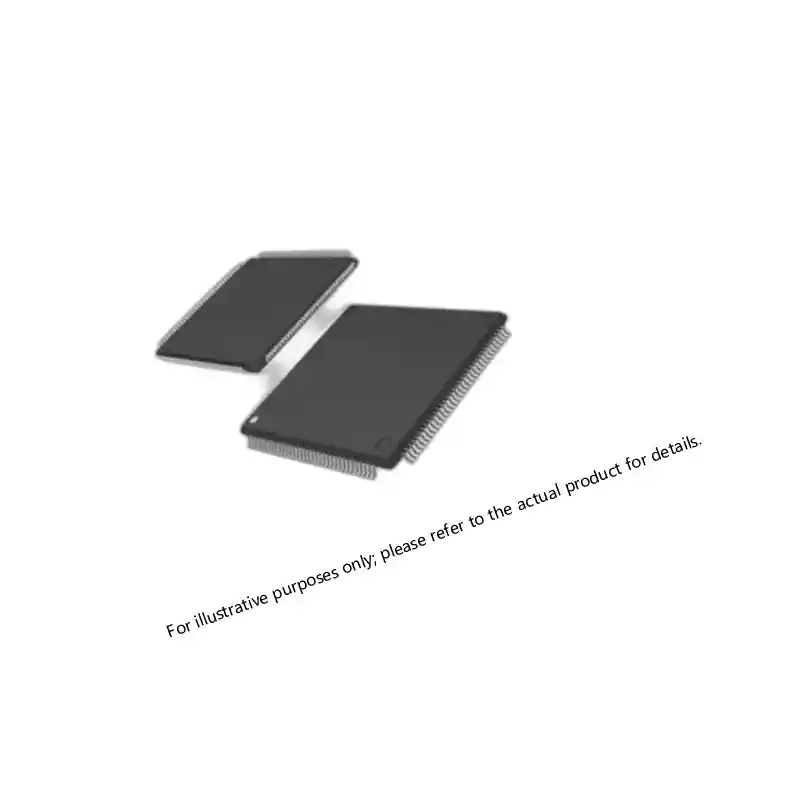
Low quantity purchasing is the central friction point for university labs. Many military-grade device channels are organized around larger production lot sizes, not the five piece orders a lab needs. Working with a distributor that stocks military-grade parts across multiple device families removes that constraint, because the parts are already in inventory and can be shipped in the quantity the program requires. We maintain stock across FPGA, DSP, ADC/DAC, memory, power modules, and MIL-SPEC passives and connectors. A lab can order ten pieces of the same device that a larger contractor buys by the tray, and the documentation remains consistent with the lot.
A Direct Sourcing Path for University Defense IC Programs
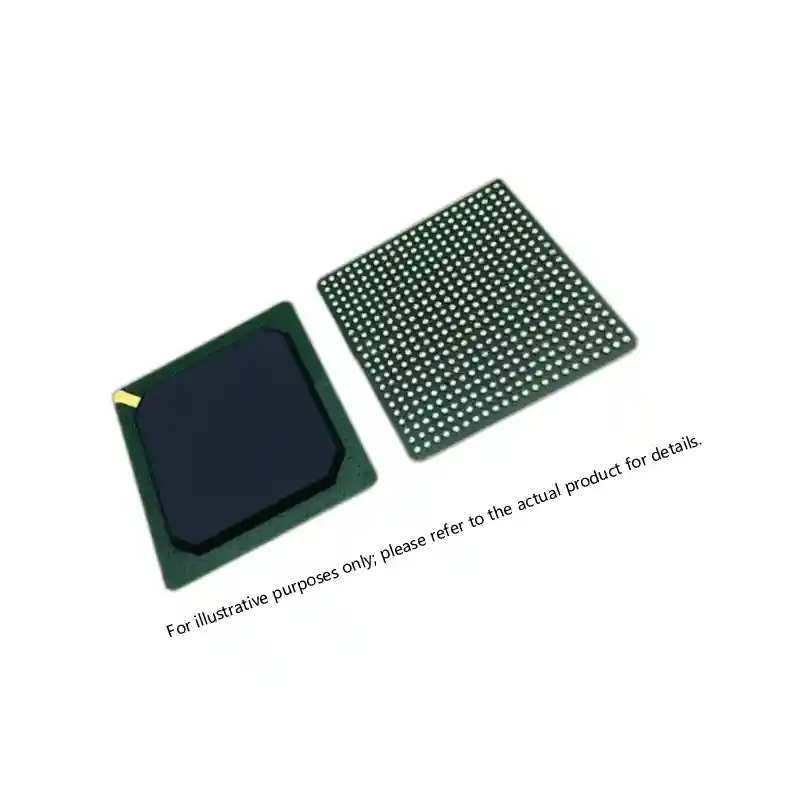
University programs rarely have the time to qualify multiple suppliers for every small order. The pain point is almost always the same: small quantity, strict documentation, fixed project schedule. Sparkle Electronics works with defense research groups by supplying traceable mil-spec ICs in the quantities the project actually needs, with the certifications and test paperwork required for sponsored work. Send your part number and quantity to xuansc2144@gmail.com and we will confirm stock, documentation, and lead time in writing. No minimum order is required on stocked military-grade parts.
Common Questions About Military-Grade IC Sourcing for Universities
Do university defense research programs need full MIL-PRF-38535 QML parts?
No, not always. The requirement depends on the program’s sponsor and the environment in which the component will operate. Funded defense research involving flight, space, or extended operational testing usually calls for QML devices or parts screened to MIL-STD-883. Benchtop proof-of-concept work can sometimes use industrial grade parts if the sponsor accepts them in writing. That written acceptance is the key. A lab should document the decision before purchasing, because retroactive justification rarely works under audit.
Can a research lab use industrial grade components instead of military-grade ICs?
The assumption that industrial grade parts are automatically acceptable is the biggest source of trouble in university procurement. Industrial grade components may work electrically in a lab, but they lack the same environmental rating, lot traceability, or qualification history. If the project will be tested at high or low temperature, vibration, or under program-specific screening, the component must be specified for those conditions. Using the wrong grade is not a cost saving if the part later fails qualification or cannot be traced.
How are low-volume orders for MIL-SPEC FPGAs and ADCs handled?
In programs we have supported, low-volume orders for devices like the A3P1000-FG256I or AX2000-FGG896M are usually filled from existing distributor stock rather than a new factory production lot. That matters because it shortens lead time and preserves the tracing documents for that lot. A lab should avoid a source that cannot confirm the lot code before shipment. Parts from mixed lot pools are harder to justify in procurement review.
What documentation should a university lab request with a military-grade IC order?
The question should be “What documentation will this order include?” rather than “What can we request later?” At minimum, request a Certificate of Conformance, lot and date code information, and evidence of the original manufacturer or approved distribution path. For QML or JANTX parts, the test documentation confirms the screening performed. A lab that receives all of this at the time of shipment can move directly into incoming inspection. A lab that asks for it afterward often waits days while the supplier reconstructs the records. Share your part number and quantity at xuansc2144@gmail.com and we will confirm which compliance documents are available before you commit.
If you’re interested, check out these related articles:
Virtex-7 XC7VX690T: Performance, Reliability, and Integration
XC7VX485T FPGA: Virtex-7 Performance for Defense
UltraScale KU085 FPGA Specifications for Defense Systems