
Sourcing SINCGARS Components for Legacy Military Radios
Table of Contents
- SINCGARS Components Are Sourced Differently Than Commercial RF Parts
- Frequency Hopping and COMSEC Define the Critical Component Set
- Why do RF front-end modules fail first?
- Which digital and COMSEC components require controlled handling?
- How do power and interconnect choices affect field longevity?
- Legacy Military Radio Platforms Fail at Predictable Points
- Qualifying Replacement SINCGARS Components Takes More Than a Datasheet
- What documentation should accompany every line item?
- Which tests separate acceptable parts from rejects?
- Long-Term SINCGARS Supply Planning Starts With Documentation
- Common Questions About SINCGARS Components Deserve Straight Answers
- Are SINCGARS components still in production?
- Can I replace a legacy radio module with a commercial RF part that meets the same specs?
- What matters more when buying legacy radio parts, price or documentation?
- What should I send when requesting a quote for SINCGARS components?
Military SINCGARS components are still obtainable, but they are not ordinary RF parts. The radio family was designed for frequency hopping VHF operation in the 30 to 88 MHz range, and many of its original modules have been out of production for years. That creates a sourcing problem shaped less by cost and more by configuration control, traceability, and documentation. In our work with defense programs, we see the same failure pattern repeat: procurement teams treat a legacy radio part like a standard commercial replacement and miss the requirement that makes it acceptable to the platform maintainer.
SINCGARS Components Are Sourced Differently Than Commercial RF Parts
SINCGARS stands for Single Channel Ground and Airborne Radio System. It was designed as a family of VHF FM radios with frequency hopping and electronic counter-countermeasures, operating in the 30 to 88 MHz band. The radio is modular, which makes depot repair possible, but it also means a replacement part must match the exact dash number, interface, and platform installation. A VHF final amplifier that works in one variant may not fit or key correctly in another even when the frequency range is identical.
Commercial RF parts are usually specified by frequency, power, gain, and noise figure. Military SINCGARS components are specified by part number and qualification history first. The difference matters at incoming inspection. A commercial transistor may meet the RF parameters but lacks the MIL-PRF screening, JANTX/JANTXV marking, or 5962 designation that the platform maintainer requires. Without those markers, the depot cannot accept the part, regardless of how well it performs on a test bench.
The third difference is configuration control. Fielded SINCGARS radios were built under specific baselines. Updates, product improvement programs, and country-specific variants changed board layouts and module interfaces over time. A part pulled from the correct radio family but the wrong baseline can create an interoperability fault. That is why buyers ask for the platform, the NSN, and the full part number before they ask about price.
Frequency Hopping and COMSEC Define the Critical Component Set
A SINCGARS radio is not a fixed-frequency transceiver. Frequency hopping spreads the signal across the VHF band in a pattern controlled by a synchronization and anti-jam scheme. That places hard requirements on the synthesizer, reference oscillator, RF front end, and baseband processor. COMSEC and TRANSEC functions add encryption and transmission security, which means key storage and controlled ICs become part of the bill of materials.
| Functional block | Typical components | Dominant legacy failure mode | What to confirm before buying |
|---|---|---|---|
| RF front end | VHF power amplifier modules, harmonic filters, combiners | Thermal fatigue, output mismatch, capacitor aging | Exact dash number and NSN |
| Frequency generation | VCO, PLL synthesizer, TCXO reference | Drift, phase noise, unlock faults | Tuning range and control interface |
| Baseband and COMSEC | DSP, FPGA, SRAM, key memory | Battery-backed key loss, memory retention failure | Controlled item handling and source approval |
| Power conversion | DC-DC converters, linear regulators | Input transient damage, electrolytic dry-out | Vehicle input range and mounting form |
| Interconnect and passives | MIL circular connectors, filters, tantalum/ceramic caps | Contact wear, seal failure, capacitor shorting | MIL-DTL part numbers and plating |
Why do RF front-end modules fail first?
RF power amplifiers absorb thermal stress during long transmissions and high VSWR events from damaged antennas. Older modules also contain electrolytic and tantalum capacitors that dry out or short. A failed final amplifier often looks like a radio with low output power or no transmit. Before replacing it, check the antenna path and the matching network. A new final will fail quickly if the original fault was a broken cable or a corroded connector.
Which digital and COMSEC components require controlled handling?
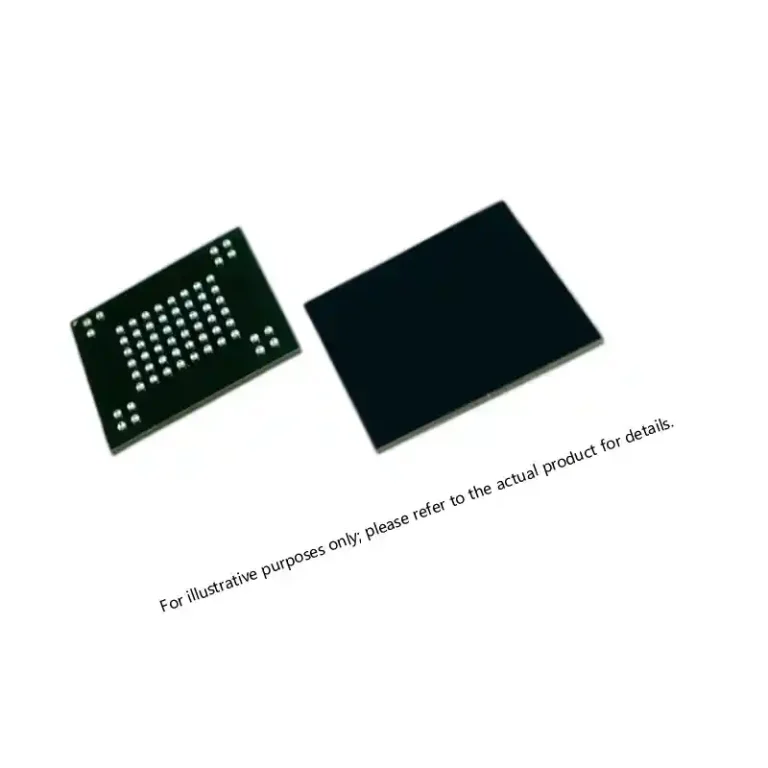
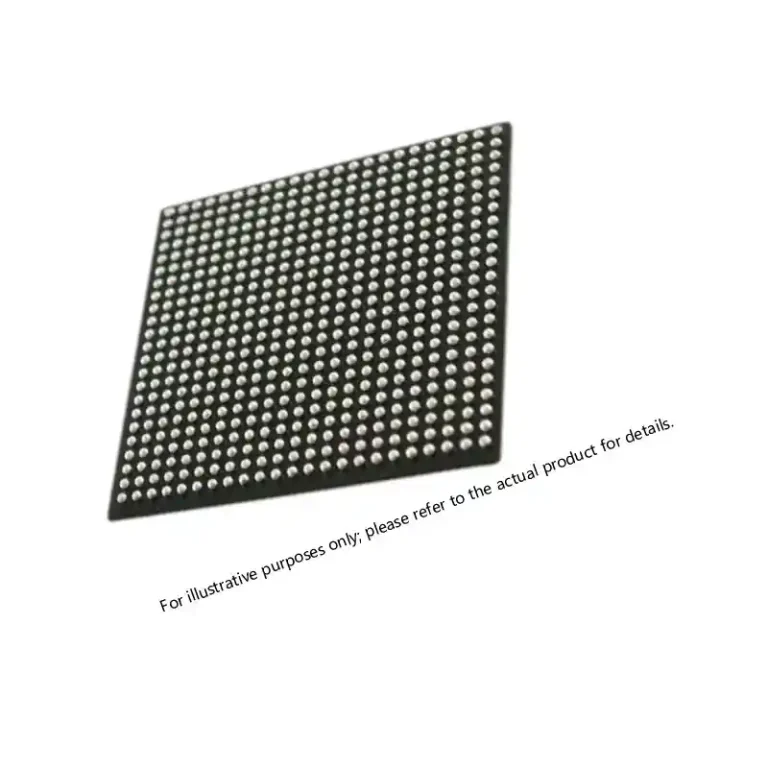
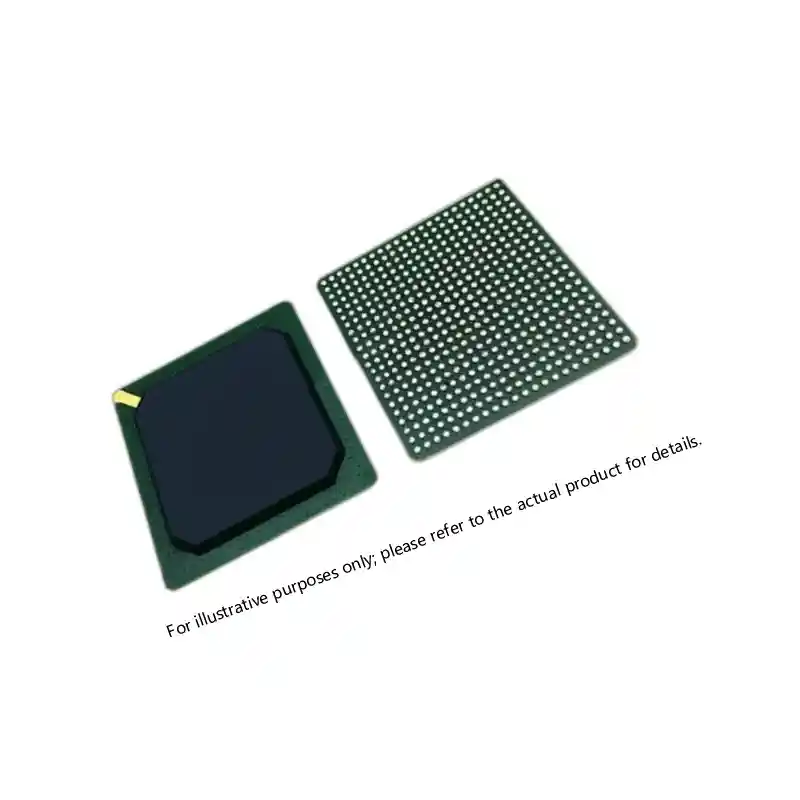
Baseband, DSP, FPGA, and encryption memory modules are controlled items on many programs. The sourcing requirement is documentation first: approved source, lot code, C of C, and controlled item handling. For digital repair or test bench builds, we stock military FPGAs such as the Actel A3P1000-1FGG484I and AX2000-CQ256M families. These parts are not universal SINCGARS substitutes, but they are the type of qualified silicon that appears in secure radio rebuilds and adjacent test equipment. A buyer should confirm the exact programmed device and source before assuming drop-in compatibility.
How do power and interconnect choices affect field longevity?
Manpack radios run from battery packs, vehicular radios from 28 VDC, and airborne variants from aircraft power. Each input has different transient, ripple, and temperature requirements. DC-DC converter modules age through repeated thermal cycles, and their electrolytics dry out. Connectors fail through contact wear, seal cracking, and salt ingress. In our sourcing work, a transmitter fault traced back to a corroded MIL connector rather than the RF board itself. The repair worked only after the mating connector was replaced at the same time.
Legacy Military Radio Platforms Fail at Predictable Points
Across manpack, vehicular, and airborne SINCGARS variants, the failure points are more predictable than most procurement teams assume. Manpacks suffer from battery leakage, drop shock, and worn connector contacts. Vehicular installations see 28 VDC transients, dust, and heat build-up inside enclosed mounts. Airborne radios experience vibration, altitude, and rapid temperature changes. Component failures cluster around power conversion, RF finals, interconnect, and battery-backed memory.
Tantalum capacitors are a repeating issue in older designs. A shorted tantalum on a power rail can take out a DC-DC converter. The replacement process then requires more than swapping the capacitor; the converter and output passives need checking. We have watched a repair line stop because the replacement memory IC was from a different lot and the buyer could not prove the screening level. The part was electrically identical, but the documentation was not, so the incoming inspection rejected it. That is the type of failure that never appears on a datasheet.
Battery-backed memory is another predictable source of field complaints. Some secure or configuration modules lose their fill when an internal battery ages. The radio may work briefly and then require rekeying. A technician who treats that as a user problem can spend weeks chasing the wrong fault. It is a component-level sign that the module should be replaced or refreshed.
If your radio variant is still on the original qualification baseline and you are not sure whether a listed replacement is form-fit-function compatible, send the part number and NSN to xuansc2144@gmail.com before you commit a purchase order. We will verify the available stock and the documentation path.
Qualifying Replacement SINCGARS Components Takes More Than a Datasheet
Acceptance of a SINCGARS component depends on the link between the physical part and its qualification record. A datasheet shows parameters, but it does not show lot traceability, screening, country of origin, or the original source. Buyers should treat the paper trail as part of the part number.
What documentation should accompany every line item?
For every line item, request the C of C, the full manufacturer part number, date code, lot code, country of origin, and any applicable MIL-PRF, 5962, or JANTX/JANTXV designation. QML devices should identify the qualified manufacturer and the QML product. Discretes should carry the JAN prefix and number. If the seller cannot produce a lot code or the C of C, that is more than a paperwork problem. It means the part cannot be tied to a controlled source.
Which tests separate acceptable parts from rejects?
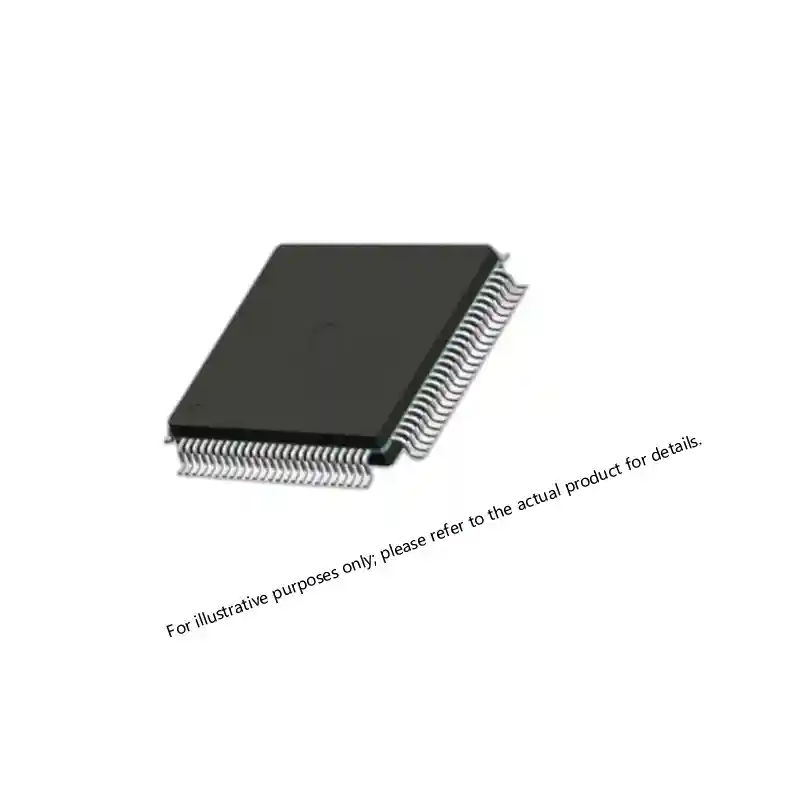
Visual inspection catches remarking, sanding, bent pins, and blacktopping. X-ray and acoustic imaging can reveal internal damage or a different die frame. Electrical testing at room and extended temperature confirms basic function, but it does not restore qualification. A part that was pulled from a commercial board and re-marked is not acceptable for a fielded radio even if it passes every bench test. We have refused lots that passed functional tests but failed source verification because the risk travels with the part for the rest of its service life.
Long-Term SINCGARS Supply Planning Starts With Documentation
Programs that wait until a radio fails to source a replacement usually make an urgent buy and pay more for less verification. The better approach is to build a controlled list of approved part numbers, alternate sources, and required documentation while the radio is still in service. That list becomes the basis for last-time buys, depot stock, and form-fit-function replacement decisions.
At Sparkle Electronics, we carry hi-rel FPGAs, DSPs, high-speed ADCs and DACs, memory, power modules, and MIL-style connectors. When a SINCGARS part number comes in, we check it against stock and alternates, then confirm the traceability package before quoting. If your team is holding a repair line over one module, send the part number, NATO stock number, and required quantity to xuansc2144@gmail.com. We will confirm availability and documentation so you can release the order with confidence.
Common Questions About SINCGARS Components Deserve Straight Answers
Are SINCGARS components still in production?
Most original SINCGARS modules are no longer manufactured, but that does not mean they are impossible to buy. The remaining channel is usually approved surplus, depot stock, or qualified replacement items. The real risk is not availability alone; it is proving condition and compliance history. Before accepting inventory, check the lot code, date code, and C of C against the platform maintenance plan. A verified part often costs more than an undocumented take-off, and that price difference reflects real acceptance risk.
Can I replace a legacy radio module with a commercial RF part that meets the same specs?
A common assumption is that a commercial part matching frequency, power, and package will work in a SINCGARS slot. That assumption fails when the installation depends on form factor, interface timing, keying, screening, or environmental qualification. The commercial part may work on a bench and still be rejected at incoming inspection because it lacks the required qualification path. If the platform approved list permits a commercial substitute or an upscreened part, the engineering change documents need to say so in writing. Do not buy first and ask later.
What matters more when buying legacy radio parts, price or documentation?
The answer depends on what the receiving activity will accept. For a research or non-airworthiness application, a passive component from a traceable source may be acceptable with less paperwork. For a fielded or airworthy platform, documentation carries equal weight to the physical part. We tell procurement teams to treat the paper trail as part of the part number. A low price with no lot traceability is not a saving; it is a hold at inspection waiting to happen.
What should I send when requesting a quote for SINCGARS components?
In programs we have worked with, the difference between a fast quote and a stalled quote comes down to how much configuration detail the buyer sends. Give the full part number, dash, NATO stock number if available, platform or radio variant, and quantity. Add the required quality level: QML, JANTX/JANTXV, /883, or documented commodity off-the-shelf. That lets us check stock and alternates against the correct specification baseline. If your team needs a compliance package before the purchase order, share those requirements and we will confirm the documentation we can supply with the lot.
If you’re interested, check out these related articles:
Virtex-7 690T FPGA: Performance for Mission-Critical Systems
XC7VX485T Virtex-7 FPGA: Performance and Sourcing for Defense