
Sourcing WEDC Military Components for Defense and Space
Table of Contents
- WEDC Military Component Product Forms and Qualification Classes
- Part Number and Date Code Validation Before Sourcing
- WEDC Military Component Qualification and Traceability Requirements
- Stock Availability Against Lifecycle and Obsolescence Risk
- WEDC Military Component Sourcing Support and Quote Requirements
- Questions Buyers Ask About WEDC Military Components
- Are WEDC military components still in production?
- How can I tell if a WEDC part is authentic?
- What documents should accompany WEDC military components?
- Can new designs still start with WEDC memory modules?
WEDC military components still sit on defense and space bills of materials long after many original part numbers moved into limited supply or obsolescence. Sourcing them is not a simple commercial purchase; the deciding factor is whether the lot you are offered can be verified against the original qualification basis. I have seen programs accept a part number first and ask traceability questions later, and that order is backwards. For WEDC military components in defense and space programs, the correct sequence is device identity first, source evidence second, price and delivery third.
WEDC Military Component Product Forms and Qualification Classes
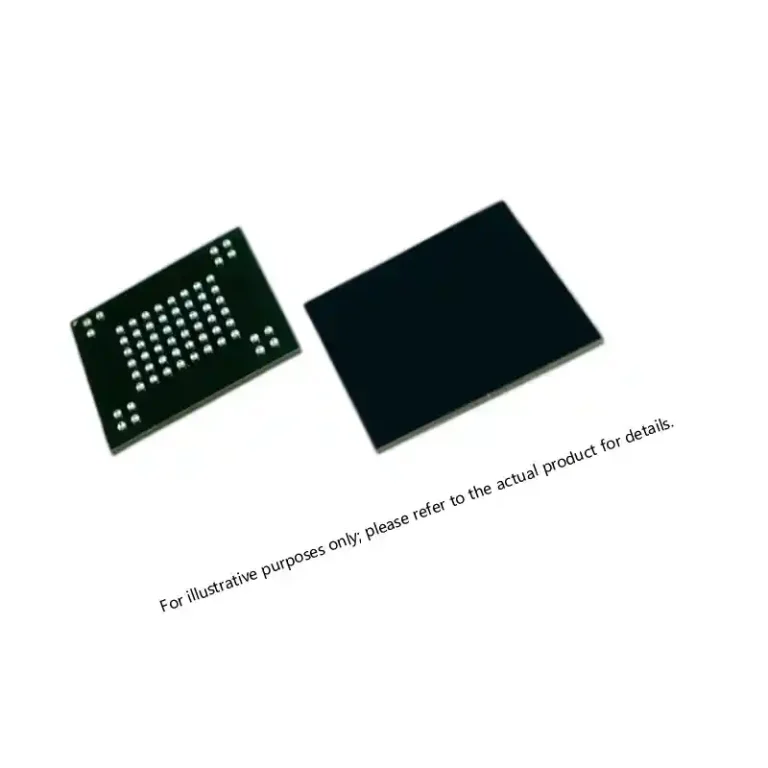
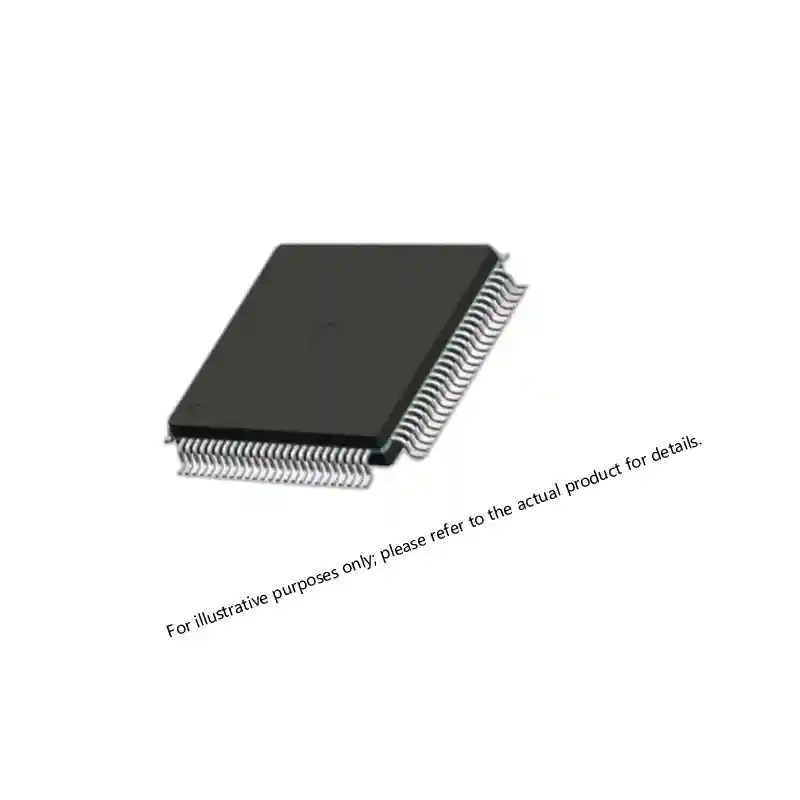
White Electronic Designs Corporation, commonly referenced as WEDC, built its defense and space presence on high-density memory modules, multi-chip modules, and custom processor memory assemblies. The parts that still appear in program BOMs are usually monolithic SRAM, flash, EEPROM, and hybrid modules combining memory with logic or interface functions. These devices do not fit a single product family. They differ by package, die revision, temperature range, speed grade, and whether the part was built to a 5962-series drawing, a source control drawing, or a vendor part number. A legacy WEDC component therefore has to be evaluated line by line, not by brand name alone.
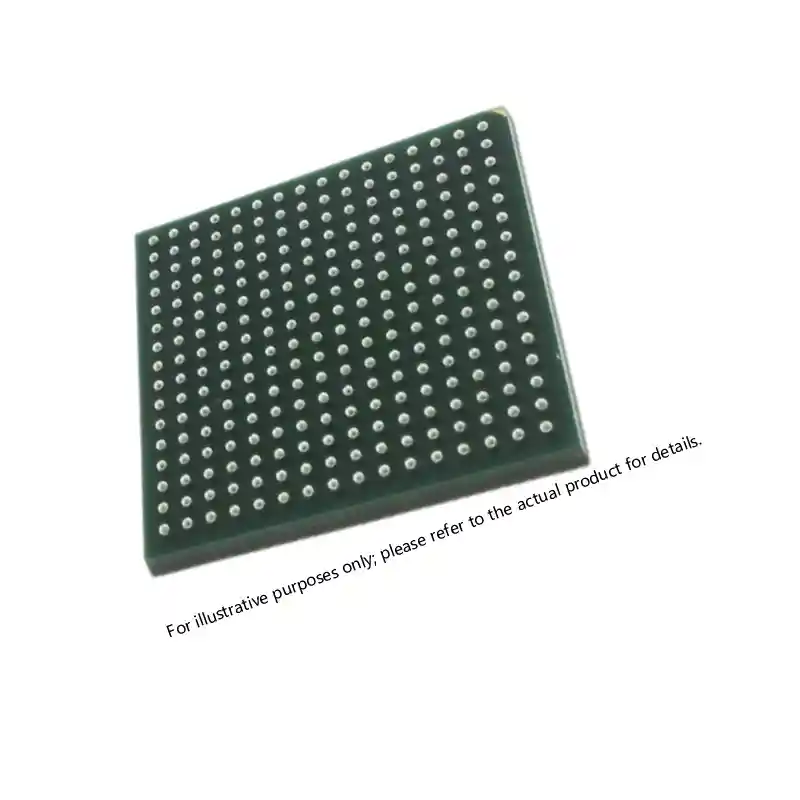
For a sourcing team, the first discipline is to treat every WEDC part as a separate qualification question. A memory module with an industrial temperature range will not substitute for the same base part in a -55 C to +125 C military range unless the original drawing supports it. The same applies to speed grade. A slower SRAM variant will often work during bench testing but fail when the system runs under real timing margins. I have seen this mistake appear as an intermittent fault that only shows up at temperature extremes.
Part Number and Date Code Validation Before Sourcing
A valid WEDC part number usually ends with the speed grade, the package code, and the screening suffix. If a quote shows only a base number, treat that as a red flag. We have received parts where the package marking looked correct, but the lot code did not match the seller’s declared source. Incoming inspection caught most of them because the lead finish geometry and the package weight did not match the original lot documentation. The units that passed visual inspection still had to be rejected when electrical screening could not be traced back to a valid lot traveler.
| Check | What to Look For | Why It Matters |
| Full part number | Speed, package, temperature range, and screening suffix | Base-number matches hide wrong variants |
| Date code and lot code | Consistency with package and original source | Re-marked parts often repeat a known good code |
| Marking depth and font | Original laser or ink format | Erased and re-marked packages show surface change |
| Solder finish | Correct lead plating and reflow history | Refinishing hides prior use or reballing |
| Lot documentation | Traveler or test summary with date and location | Validates new old stock claims |
If your program involves a WEDC memory module with a discontinued speed grade or a custom package option, confirm the exact manufacturing lot and traceability trail before finalizing the BOM. Send the part number and quantity to xuansc2144@gmail.com.
WEDC Military Component Qualification and Traceability Requirements
For defense and space, a component is not qualified because it is fast enough or because a distributor calls it military grade. The qualification basis sits in the drawing and the test documents. A 5962-series component carries specific requirements for screening, burn-in, and electrical verification under MIL-STD-883 or MIL-PRF-38535. A WEDC source control drawing may add die traceability and assembly location requirements. New old stock can be acceptable when the original lot documentation is complete. When it is missing, even an authentic die creates a documentation gap that will not pass a defense audit.
I require the seller to state whether the part is QML-qualified, built to a source control drawing, or sold as commercial grade with up-screening. That classification changes what documents are acceptable. A newer date code does not automatically mean a better part. A later lot can still be unacceptable if it was assembled in a different location or screened to a different test plan.
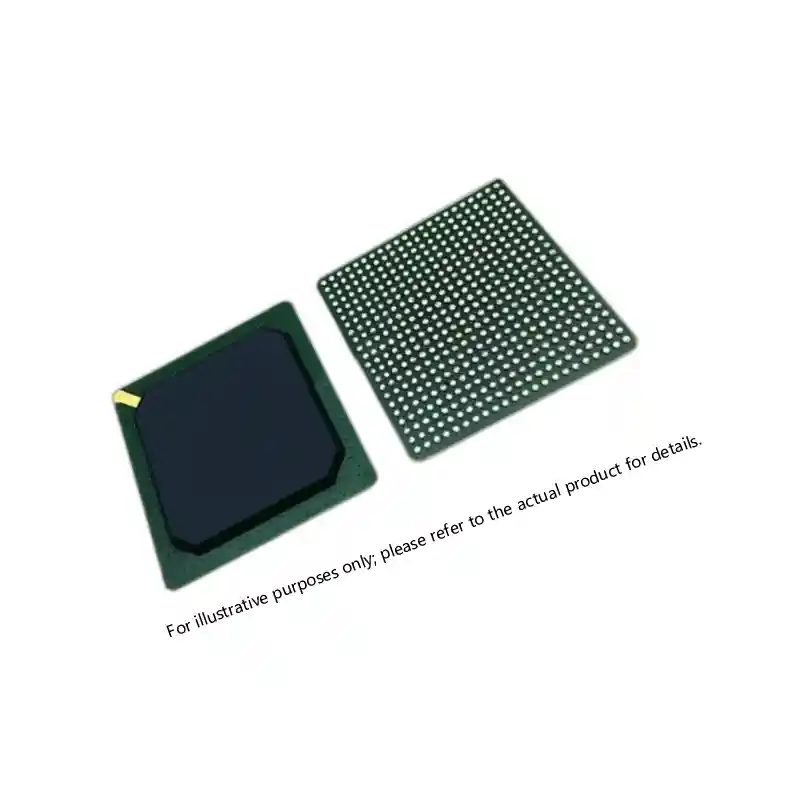
If no test data exists, I treat the part as unverified, not as MIL-SPEC. The difference matters at incoming inspection and again at program audit.
Stock Availability Against Lifecycle and Obsolescence Risk
WEDC component availability does not move in one direction. A part can sit in a distributor warehouse for years and then disappear within a quarter when a single system integrator places a last-time buy. Price stability follows the same pattern. The practical decision is not whether to buy WEDC components, but whether the BOM can carry the risk of a future gap. If the part is in active use, a buffer stock based on forecasted unit demand makes sense. If the program is only in development, locking large inventory before qualification is a capital risk.
| Source Type | Best for | Main Constraint |
| Authorized successor lines | Current production equivalents | Not always pin or function compatible |
| Approved hi-rel distributor stock | Immediate need with traceability | Limited lot availability |
| Excess or surplus market | Hard to find legacy parts | Documentation and authenticity risk |
| Die banking | Long-duration programs | Requires agreement from the manufacturer or foundry |
I recommend checking both available stock and the last documented shipment date. A quote that cannot identify the original date code window is a quote to refuse.
WEDC Military Component Sourcing Support and Quote Requirements
Waiting until a WEDC line item shows zero stock in the approved source is the most expensive way to learn that a part has moved. For defense and space programs, the practical safeguard is to put the exact device identity in front of a sourcing desk that can check available stock, date codes, and documentation before you commit the BOM. Our team at Sparkle Electronics reviews these requests against available stock and original documentation before quoting. Send the full part number, target quantity, and required condition to xuansc2144@gmail.com and ask for a lot-specific quotation with traceability documents. If you are working against a proposal deadline, include the required delivery date so stock can be confirmed first. This is the only way to keep a legacy WEDC requirement from becoming a program stop.
Questions Buyers Ask About WEDC Military Components
Are WEDC military components still in production?
Most WEDC part numbers are no longer in active production. The brand’s high-reliability memory and module lines were absorbed into a larger semiconductor group years ago, so current production is limited to successor parts or long-duration agreements. That does not mean every WEDC component is unavailable. New old stock, excess inventory, and traceable distributor lots still move through the supply chain. The important check is whether the lot you are offered carries the original date code and test documentation. If the manufacturer has discontinued the line, the lot evidence becomes the qualification record.
How can I tell if a WEDC part is authentic?
The common wrong assumption is that a printed part number proves authenticity. A printed number is the easiest thing to copy. Genuine verification depends on the lot code, the package finish, and the documentation chain. We check marking depth and font, solder finish, and package weight when available. Then we compare the lot code against the original manufacturer packing list. If the seller cannot show the chain of custody back to the manufacturer or an approved program source, we do not treat the part as authentic regardless of how good the marking looks.
What documents should accompany WEDC military components?
It depends on whether the part is offered as new old stock, excess inventory from a defense contractor, or surplus. At minimum, we ask for a Certificate of Conformance, a lot traveler or test summary, and proof of the original source. For QML or 5962-series devices, the documentation should also show the screening and burn-in flow used at original manufacture. If the seller cannot produce these, the part can still be used in some development or repair cases, but it should not be planned into a flight or fielded production BOM without a documented risk decision.
Can new designs still start with WEDC memory modules?
In sustainment work we have handled, new designs rarely start with WEDC modules unless the architecture is already locked to a specific form factor or pin-out. The more common path is to use the WEDC device as a sustainment part for the installed base and select a current hi-rel memory or module for the new build. If you are considering a WEDC module for a new design, check whether the specific speed grade and package have an active successor. Share your part number and required compliance level, and we can confirm whether it is supportable before you commit the schematic.
If you’re interested, check out these related articles:
XCKU085 UltraScale FPGA: Performance for Critical Systems
XC7VX485T FPGA: Virtex-7 Performance for Defense