VICOR vs VPT: High-Reliability DC-DC Converters for Defense
Table of Contents
- Why Do Defense Programs Choose VICOR or VPT for High-Reliability DC-DC Converters?
- How Do VICOR’s DCM and VPT’s SV Series Compare in Key Electrical Specifications?
- What Compliance Standards Must High-Reliability DC-DC Converters Meet for Defense?
- How Do Lead Times and Supply Reliability Affect Your High-Reliability DC-DC Converter BOM?
- When Is a Distributor Partnership the Right Move for VICOR or VPT Sourcing?
- Common Sourcing Questions for Defense DC-DC Converter Programs
- How interchangeable are VICOR DCM and VPT SV series converters?
- What documentation should I request when buying a hi-rel DC-DC converter?
- Can commercial off-the-shelf converters be upscreened for military use?
- How do I verify a converter’s authenticity before integration?
When defense avionics, radar, or electronic warfare systems demand a power converter that survives extreme temperatures and electromagnetic stress, high-reliability DC-DC converters from VICOR and VPT dominate the shortlist. Both manufacturers have earned their positions through decades of fielded hardware, but selecting between them requires looking past datasheets. My team has supported procurement for programs where the decision hinged not on efficiency curves alone, but on compliance documentation depth, lead time predictability, and the ability to verify lot-level traceability before integration.
Why Do Defense Programs Choose VICOR or VPT for High-Reliability DC-DC Converters?
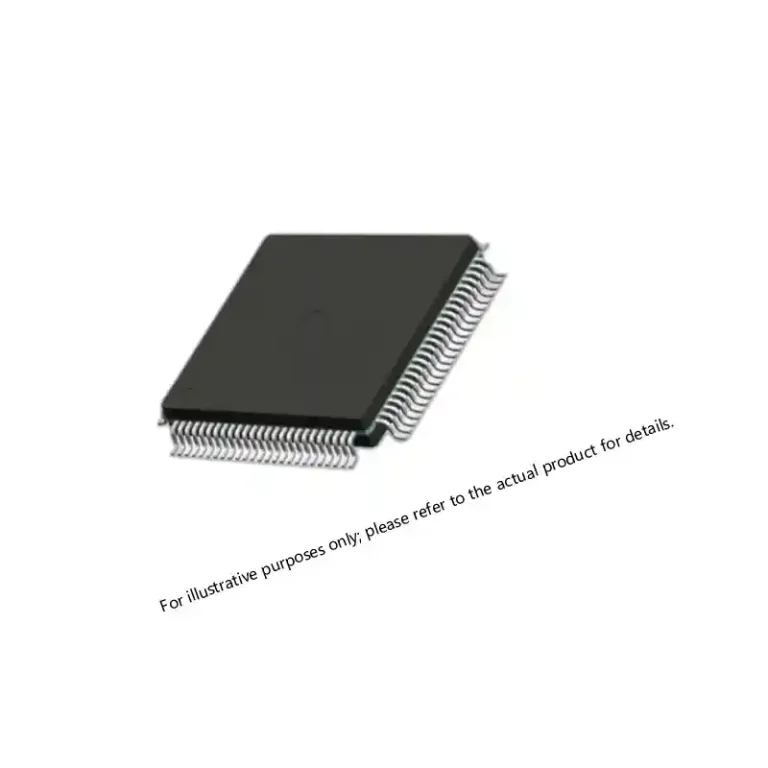
VICOR and VPT each bring distinct engineering philosophies to military power conversion. VICOR’s DC-DC Converter Modules (DCMs) leverage zero-voltage switching and high-frequency power processing to achieve power densities that can exceed 100 W/in³ in an encapsulated brick or surface-mount package. VPT specializes in hermetically sealed, MIL-STD-883-compliant converters broadly adopted in flight-critical avionics and space applications. Both have approved source listings on major primes’ qualified parts lists because neither takes shortcuts on reliability. In practice, program choice often starts with two factors: the physical footprint the system can accommodate and the specific input bus standard.
How Do VICOR’s DCM and VPT’s SV Series Compare in Key Electrical Specifications?
Engineers evaluating these two families often compare input voltage range, output power, efficiency, and transient behavior. The table below captures representative specifications for a 28V input bus scenario. Real-world performance depends on the exact part number and the cooling boundary provided, so use this as a starting point for discussion with your team.
| Specification | VICOR DCM3623T36G31C2T00 | VPT SVHF2812S | Notes |
|---|---|---|---|
| Input Voltage Range | 16 to 50 VDC | 15 to 50 VDC | Both accommodate MIL-STD-704 transient limits |
| Output Power | 100 to 320 W (package-dependent) | 5 to 80 W (single output) | DCM scales to higher power in same footprint |
| Efficiency (typical) | 93% (full load) | 85% (full load) | DCM advantage narrows at high temperature |
| Operating Temperature | -55 to +125 °C (case) | -55 to +125 °C (case) | Both meet wide-range hi-rel requirements |
| EMI / Transient Compliance | External filter recommended | Integrated filtering on some models | VPT’s SV series often simplifies MIL-STD-461 pre-compliance |
These numbers illustrate a recurring trade-off: VICOR offers higher power density and efficiency, while VPT often incorporates integrated filtering that reduces external component count and qualification burden.
What Compliance Standards Must High-Reliability DC-DC Converters Meet for Defense?
Beyond electrical specs, the real test for a defense DC-DC converter is how it survives in an operational airframe or vehicle. Both VICOR and VPT provide test data for MIL-STD-810, MIL-STD-461, and MIL-STD-704, but the format and depth of documentation differ. VPT, as a product line familiar to the military avionics community, often supplies full qualification test reports traceable to a specific lot. VICOR’s documentation typically requires that the end user or integrator perform final system-level compliance testing against MIL-STD-461 CE102 and RE102 limits.
Programs I have supported with VPT converters frequently complete their qualification package faster because the vendor provides pre-certified test summaries. With VICOR, I recommend budgeting an extra four to six weeks for EMI testing if your program’s acceptance authority requires lot-level evidence. In either case, request the full test stack before issuing a purchase order. Surface-mount modules also need careful evaluation for solder joint reliability under vibration, which is rarely covered in the standard datasheet.
If your program involves conducted susceptibility limits or lightning transient requirements, it is worth confirming the converter’s transient ride-through performance at the qualification phase, before the BOM is frozen. Reach out at xuansc2144@gmail.com if you need help cross-checking test reports.
How Do Lead Times and Supply Reliability Affect Your High-Reliability DC-DC Converter BOM?
Defense programs with multi-year production runs cannot afford a converter whose lead time stretches from 14 weeks to 48 weeks without warning. In my experience, VICOR DCM modules often carry a standard factory lead time of 14 to 20 weeks for popular configurations, but less common input-output combinations can push beyond 30 weeks. VPT’s production lead times typically run 20 to 28 weeks, with occasional allocations for defense programs that prioritize sustained avionics lines.
The real supply chain risk occurs when a single board design becomes captive to one vendor’s cancellation. I have worked on programs where a last-minute allocation cut forced a frantic requalification effort because the alternative part had a different pin-out. For that reason, I advocate maintaining at least two approved source listings for any power converter, even if the second source stays dormant until production year three. Working with a distributor that stocks both VICOR and VPT reduces the risk of a line-down event when factory allocations shift.
When Is a Distributor Partnership the Right Move for VICOR or VPT Sourcing?
Procuring direct from the OEM works when program volumes and forecast stability justify a multi-year contract. For smaller builds, prototype phases, or aftersales spares, an authorized distributor fills the gap. A distributor that stocks multiple VICOR and VPT part numbers and performs incoming lot testing can provide a compliance package faster than factory-direct procurement on a snap schedule.
At Sparkle Electronics, we maintain an inventory of VICOR DCM, PRM, BCM series and VPT SV, DV, and HV series converters, and we verify authenticity and lot traceability before shipping. We also cross-reference documentation to confirm that each unit matches the latest revision of the manufacturer’s qualification report. If your program needs a DC-DC converter with full paperwork and a guaranteed ship date rather than an uncertain factory allocation, sharing your requirement with a knowledgeable procurement partner makes the entire qualification cycle shorter.
Common Sourcing Questions for Defense DC-DC Converter Programs
How interchangeable are VICOR DCM and VPT SV series converters?
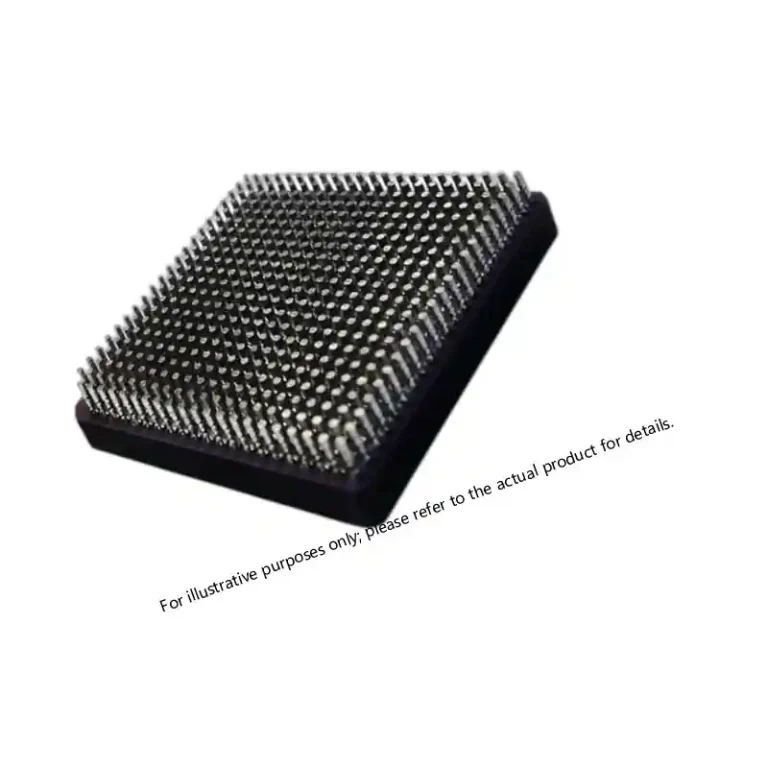
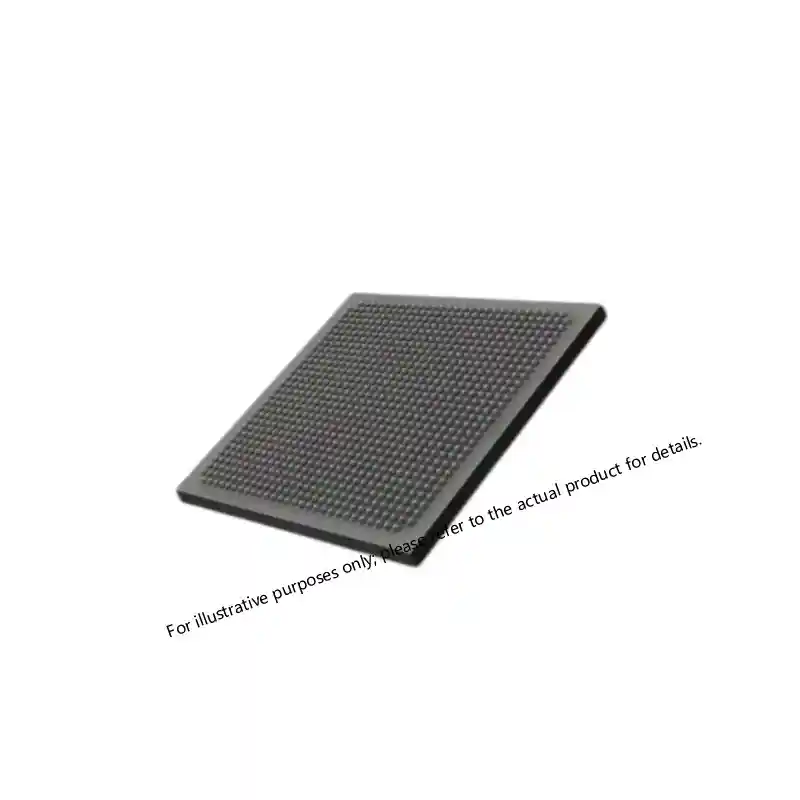
They are not pin-for-pin interchangeable. VICOR DCMs use a ball grid array or through-hole packaging with different control pin functions. Attempting a drop-in replacement invites an immediate requalification. Evaluate the full electrical, mechanical, and thermal interface before switching.
What documentation should I request when buying a hi-rel DC-DC converter?
At a minimum, request a Certificate of Conformance, lot test data, and the manufacturer’s qualification test summary. For EMI-sensitive applications, ask for conducted emissions test results referenced to the specific lot number. For flight hardware, also request a DER (Designated Engineering Representative) approval if your project needs an FAA or military airworthiness certification.
Can commercial off-the-shelf converters be upscreened for military use?
It is possible but depends on the specific device and the program’s risk tolerance. I have seen programs upscreened COTS converters with additional temperature cycling and burn-in when the original manufacturer does not offer a full MIL-PRF version. The approach works only when the converter’s construction can tolerate the screening stress, and the program accepts the associated liability.
How do I verify a converter’s authenticity before integration?
Begin by checking the date code and lot code against the manufacturer’s authorized distributor list. Perform a visual inspection for re-marking or grit-blasted top surfaces. Next, subject a sample to electrical testing at temperature extremes. At Sparkle Electronics, we do this on every lot we ship, and we include the lot test results with the shipment. If your program requires it, we can also coordinate with an independent test house for additional verification.
If your application calls for a DC-DC converter that must meet strict documentation and lot-level traceability standards, we can confirm the specific part numbers you need are in stock and provide the compliance paperwork before you commit. Contact us at xuansc2144@gmail.com with your part number and quantity, and we will send a quote, lead time confirmation, and documentation sample within one business day.
If you’re interested, check out these related articles:
XC7VX485T Virtex-7 FPGA: Performance and Sourcing for Defense
Virtex-7 690T FPGA: Performance, Packaging, and Reliability Insights