defense electronics innovation: Sourcing Emerging Technologies
Table of Contents
- The Technology Shift Reshaping Defense Electronics
- Critical Emerging Components and Material Advances
- Procurement and Supply Chain Challenges of Emerging Technologies
- Ensuring MIL‑SPEC Compliance and Quality for New Components
- Preparing Your Supply Chain for Future Defense Programs
- Sourcing Emerging Defense Technologies Is a Partnership Decision
- Common Questions About Sourcing Emerging Defense Technologies
Defense electronics innovation is no longer a slow evolution of existing MIL‑SPEC parts. The shift toward advanced materials, AI‑enabled processing, and miniaturized wide‑bandgap semiconductors is rewriting what it means to be “military grade.” For procurement teams, this creates a sourcing gap: the components your next system needs may not be on your Approved Vendor List yet. I have seen this firsthand while sourcing emerging hi‑rel components for programs that could not afford a redesign delay. This article examines the technologies reshaping defense electronics and the supply chain strategies that turn innovation into fielded capability.
The Technology Shift Reshaping Defense Electronics
Defense electronics innovation is driven by the collision of three forces: the need for higher power density in smaller spaces, the explosion of sensor data that demands real‑time processing, and the requirement to operate reliably in increasingly contested electromagnetic environments. Traditional silicon‑based designs are hitting thermal and performance ceilings that emerging materials and architectures are already bypassing.
Gallium nitride (GaN) is replacing traveling wave tubes and older GaAs amplifiers in radar, electronic warfare, and communications. A single GaN power amplifier can deliver the output that previously required multiple stages, reducing size, weight, and cooling requirements. Silicon carbide (SiC) is doing the same on the power conversion side, enabling high‑voltage, high‑temperature DC‑DC converters that survive in engine bays and directed‑energy platforms. Both materials are moving from lab to production lines, and their MIL‑SPEC qualification pipelines are maturing quickly.
At the digital end, FPGAs with integrated AI engines are changing how signals intelligence and electronic countermeasure systems process data. Devices that combine programmable logic with hardened DSP and machine learning accelerators allow a single chip to handle adaptive beamforming, waveform classification, and spectral analysis that previously needed a rack of equipment. This integration reduces parts count but places new demands on procurement teams: fewer alternative sources, longer firmware qualification cycles, and tighter supply chain control.
Critical Emerging Components and Material Advances
The component-level impact of defense electronics innovation falls into several categories that directly affect long‑term sourcing decisions.
| Technology | Primary Defense Application | Representative Component Types | Key Procurement Challenge |
|---|---|---|---|
| GaN RF Semiconductors | Radar, EW, communications | Power amplifiers, LNAs, switches | Limited qualified sources; long foundry lead times |
| SiC Power Devices | High‑power conversion, directed energy | MOSFETs, Schottky diodes, power modules | Package reliability under thermal cycling; supply base still consolidating |
| Advanced FPGAs with AI | SIGINT, image processing, adaptive EW | SoC FPGAs with DSP/ML blocks | Firmware IP security; trusted foundry requirements |
| 3D/Advanced Packaging | Miniaturized payloads, missiles | SiP, MCM, interposer‑based modules | Single‑source risk; test and repair complexity |
| Radiation‑Hardened ICs | Space, strategic systems | Rad‑hard FPGAs, memory, ADCs/DACs | Extremely limited supply; ITAR and export control heavy |
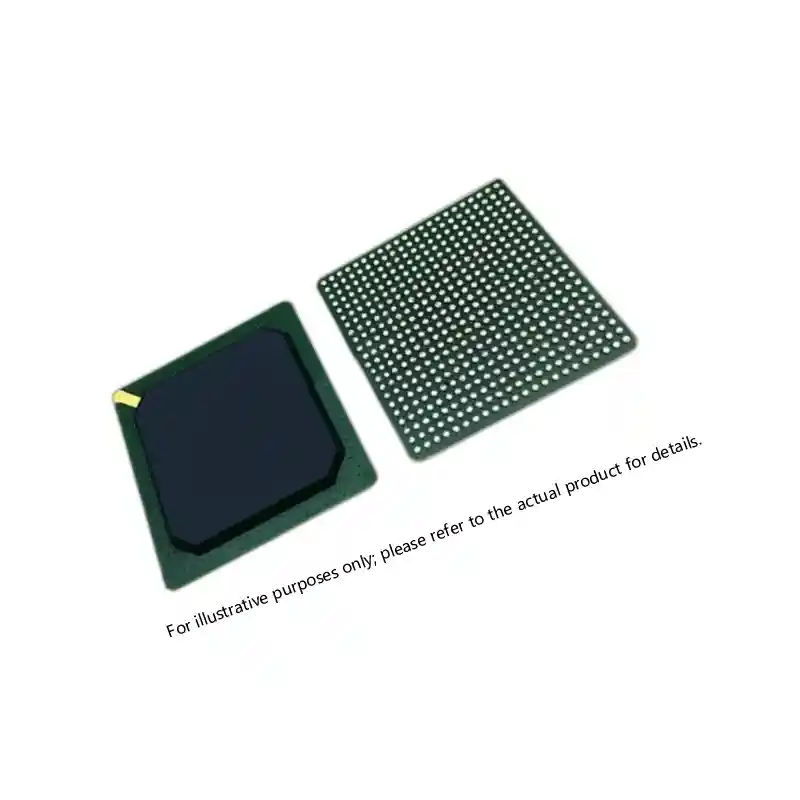
Not every program needs to chase every technology. The trigger for adoption should be a specific performance requirement that legacy components cannot meet. A new GaN front‑end might cut a radar’s prime power draw by 30% and eliminate a liquid cooling loop. That is a quantifiable system benefit worth the sourcing effort. If the gain is marginal, the supply chain risk of moving to a single‑source, long‑lead device may outweigh the performance advantage. This trade‑off is where procurement engineers earn their place in the design review.
Procurement and Supply Chain Challenges of Emerging Technologies
Adopting new component technologies introduces a set of procurement risks that are different from those of mature MIL‑SPEC parts. Lead times for advanced GaN and SiC devices can stretch beyond 30 weeks, and when there are only two qualified sources, allocation decisions at the foundry level directly affect delivery schedules. I have seen programs delay initial operational capability by months because the assumption was that “samples are available, so production volumes will be too.” Samples and production allocation are governed by different processes, and the gap catches teams that treat them as equivalent.
Export controls add another layer. Many emerging defense components—particularly rad‑hard FPGAs, high‑speed ADCs above 10 GSPS, and GaN devices with power‑added efficiency above a certain threshold—fall under ITAR or dual‑use controls. Procurement teams must verify not only the component’s performance but also its export classification and the end‑use documentation required by the supplier. Distributors that handle only commercial parts often lack the compliance infrastructure to manage these transactions correctly.
If your program involves integrating GaN or SiC devices, confirming the supply base and documentation readiness is essential before locking the BOM. A sourcing assessment that maps all potential second sources and their qualification status prevents a single‑point‑failure discovery six months into production. Reach out at xuansc2144@gmail.com to discuss your technology insertion plan.
Ensuring MIL‑SPEC Compliance and Quality for New Components
Emerging technologies do not come pre‑qualified. A GaN power amplifier may have impressive datasheet performance but no MIL‑STD‑883 screening heritage. Procurement teams must decide early whether to accept commercial‑off‑the‑shelf testing, work with the manufacturer on a custom screening flow, or engage a test lab to perform upscreening. Each path has different cost and schedule implications.
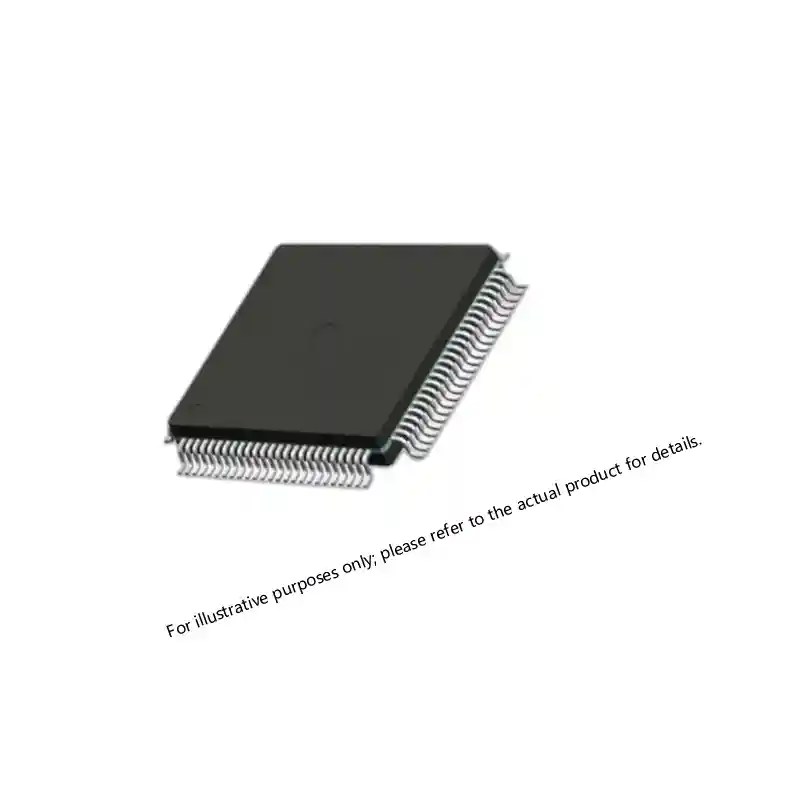
In practice, we have found that the most efficient route for moderate production volumes is to work with a distributor that already stocks hi‑rel versions of the device and can provide certificate of conformance (C of C), lot traceability, and third‑party test reports. This approach avoids the minimum order quantities that manufacturers often impose on direct buys and keeps the compliance paperwork in one auditable chain. For components sourced through the DMEA Trusted Foundry pipeline, the documentation requirements are even more stringent, and not all distributors are accredited to handle them.
Counterfeit risk is proportionally higher for emerging technologies because the price premium attracts bad actors. Incoming inspection should include electrical testing across temperature, X‑ray comparison against known‑good references, and decapsulation sampling. When a new device family enters the supply chain, I recommend building a reference baseline from manufacturer‑provided samples before accepting any production shipments.
Preparing Your Supply Chain for Future Defense Programs
The programs that will field these technologies successfully are already building the procurement infrastructure. They are not waiting for a design win to start supplier qualification. They are engaging trusted component distributors early, sharing their technology roadmaps under NDA, and establishing framework agreements that reserve allocation for long‑lead devices.
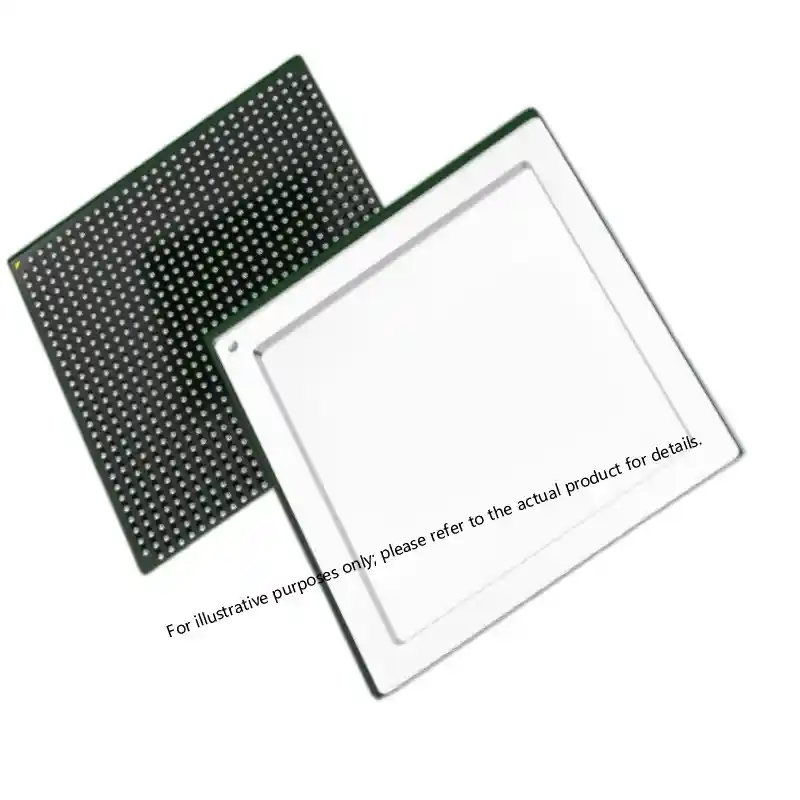
Strategic inventory of critical emerging components is another measure that separates programs that meet contract milestones from those that do not. A die bank or finished device stock of a key FPGA or ADC, held under proper storage conditions and refreshed periodically, can absorb a foundry allocation shift without program interruption. The cost of carrying that inventory is negligible compared to the liquidated damages of a late delivery.
Technology refresh planning should incorporate a periodic scan of the emerging component landscape. What is experimental today may be available in sample quantities next year and in production the year after. Procurement teams that monitor this timeline and pre‑qualify suppliers for future needs are the ones that turn defense electronics innovation into a competitive advantage rather than a schedule risk.
Sourcing Emerging Defense Technologies Is a Partnership Decision
The technologies that will define the next decade of defense electronics—GaN RF, SiC power, AI‑accelerated FPGAs, advanced packaging, and rad‑hard digital—require a supply chain that can move at the speed of innovation without sacrificing the traceability and compliance that military programs demand. Whether you are evaluating a new GaN front‑end for an active electronically scanned array, planning a technology refresh for a fielded system, or preparing a proposal that depends on component availability, the sourcing decisions you make today will compound through the program lifecycle.
I work directly with procurement teams to match technology requirements with authentic, documented hi‑rel components from major defense semiconductor manufacturers. If your program is evaluating next‑generation components, send your part numbers and quantity requirements to xuansc2144@gmail.com. We stock a broad range of FPGAs, high‑speed ADCs/DACs, power modules, and passives and can support your qualification efforts with full lot traceability, C of C documentation, and third‑party test coordination.
Common Questions About Sourcing Emerging Defense Technologies
What are the most significant emerging technologies in defense electronics over the next five years?
Gallium nitride RF semiconductors, silicon carbide power devices, and AI‑integrated FPGAs are the three technologies with the broadest impact across platforms. GaN is the primary driver of size and weight reduction in radar and EW systems. SiC is enabling higher‑voltage power distribution on vehicles, ships, and directed‑energy platforms. AI‑accelerated FPGAs are changing how signals intelligence and electronic attack systems process wideband data in real time. Each of these technologies is already in production, not in a research lab, and procurement teams should begin qualifying sources now if they expect to use them in the next system upgrade cycle.
How do I qualify a GaN or SiC device for a MIL‑SPEC system when no JANTX equivalent exists?
When a standardized military qualification does not yet exist for a device family, the accepted path is to define a Source Control Drawing (SCD) that specifies the required screening and qualification tests. These typically include burn‑in at elevated temperature, electrical testing across the full military temperature range, and periodic destructive physical analysis. A hi‑rel distributor with testing capabilities can coordinate this flow with an accredited lab and provide the documentation your quality team needs for approval. The manufacturer’s commercial qualification data often serves as the starting point, with additional screening added to close gaps.
Do emerging defense components face the same export control and ITAR requirements as older MIL‑SPEC parts?
Yes, and in many cases the controls are stricter. High‑performance GaN devices, high‑speed ADCs above certain sampling rates, and radiation‑hardened FPGAs frequently appear on the ITAR Munitions List or the Commerce Control List. The export classification of a new device must be verified with the manufacturer before procurement begins, and the necessary end‑use and end‑user documentation must be in place before shipment. Working with a distributor that has experience in ITAR‑controlled transactions avoids the administrative errors that cause customs delays.
Can a small defense program or startup access cutting‑edge components without committing to large minimum orders?
Many manufacturers impose minimum order quantities that are impractical for prototyping or low‑rate initial production. A distributor that stocks hi‑rel components can often supply small quantities from inventory, breaking the manufacturer’s minimums. This allows programs to build initial units, complete qualification testing, and establish a supply baseline before committing to larger production buys. If your program is testing an emerging technology and needs small quantities with full traceability, share your requirements and we can confirm available stock and supplier options.
If you’re interested, check out these related articles:
Virtex-7 XC7VX690T: Performance and Reliability Insights
XCKU085 UltraScale FPGA: Performance for Critical Systems
A1020B-PG84B ACT2 FPGA: Specs, Sourcing, and Availability