Long Term Defense Program Component Supply Strategies
Building a stable component supply for defense programs that operate for decades requires moving beyond transactional sourcing. In my twelve years managing military-grade electronics procurement, I have seen the same pattern repeat: a program office selects components for initial production, negotiates a competitive quote, and then assumes availability will hold. Three years later, when a critical FPGA or ADC goes end-of-life, the scramble begins. That scramble is avoidable, but only if the supply chain strategy changes from quote-to-quote to partnership-based lifecycle planning.
A defense program that is expected to remain in service for 20 to 30 years faces supply chain pressures that simply do not exist in commercial electronics. Components are designed, manufactured, and discontinued on timelines driven by commercial markets. A high-performance ADC or FPGA that is production-active today may be marked for obsolescence within five years. When the platform still has another decade of sustainment ahead of it, the program office is suddenly caught between a production line that needs parts and a market that no longer supplies them.
Several systemic factors make long-term supply for defense programs different from other procurement scenarios. First, many military-grade ICs are fabricated on process nodes that become uneconomical to maintain as foundries migrate to smaller geometries. A radiation-hardened FPGA built on a 180 nm process will not automatically have a path to a 28 nm replacement without a full redesign. Second, volume requirements in the sustainment phase are often too low to justify new wafer starts, but too critical to ignore. Third, the documentation and traceability chain must remain intact across years, through changes in ownership and logistics, without any gap that could introduce counterfeit or non-conforming parts.
The difference between a supplier who can quote a line item and one who can support a program across its lifecycle is visible in how they handle discontinuance notices. Most distributors react. A partner plans. When we receive a product change notification or end-of-life announcement from a manufacturer, the first action is not to send a customer a quote for last-time-buy quantities. It is to pull up the program forecast, check die bank availability, review alternate source agreements, and then present the customer with options years before the shutdown date.
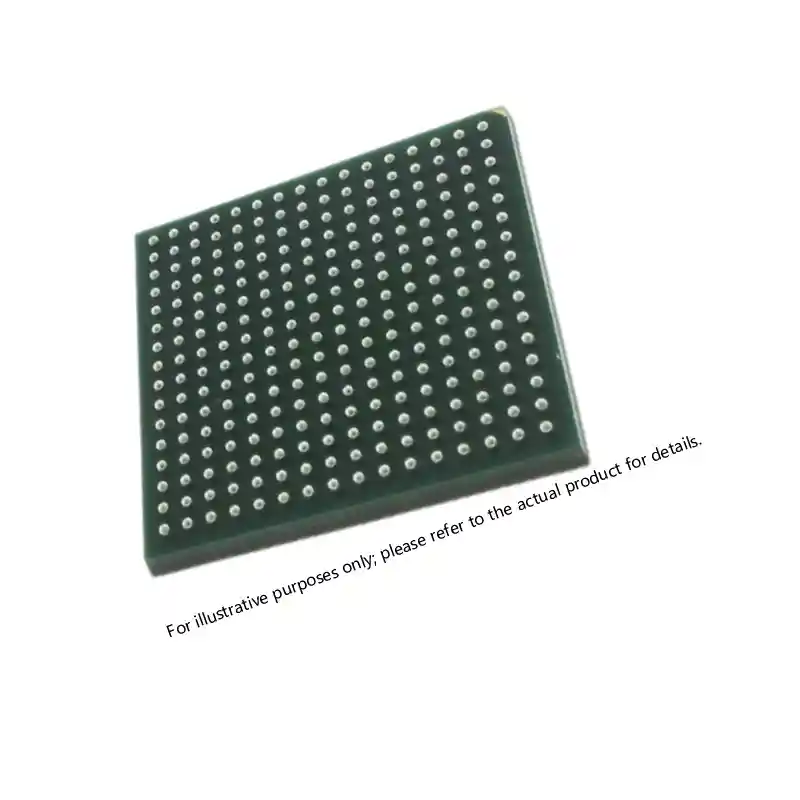
Several capabilities separate a lifecycle-focused component partner from a general distributor.
They maintain die bank agreements with wafer foundries for long-life FPGAs and processors, securing bare die that can be packaged and tested on demand.
They track technology roadmaps and advise on pin-to-pin compatible migration paths when a component family is approaching end-of-life, so the program can plan a redesign window rather than react to a shortage.
They hold strategic inventory of known high-risk part numbers, including MIL-PRF-38535 screened devices, 5962-series logic, and JANTX/JANTXV discrete semiconductors, often in bonded storage with environmental controls.
They provide pre-shipment inspection reports, including lot testing and visual inspection to MIL-STD-883 standards, without the customer needing to request it each time.
These are not aspirational. They are operational requirements if a program intends to avoid multi-million-dollar redesigns driven by component unavailability.
Die banking is the most misunderstood but most effective tool for long-running defense programs. In practice, it works like this. When a program selects a specific FPGA or processor, the distributor arranges for the purchase of a quantity of probed wafers from the manufacturer. These wafers remain in a controlled storage environment and are not diced or packaged until a purchase order is placed. Because the wafers are stored in a cleanroom environment and the process is qualified to the original MIL-PRF-38535 flow, the resulting parts carry full QML certification and traceability, not an upscreened commercial grade.
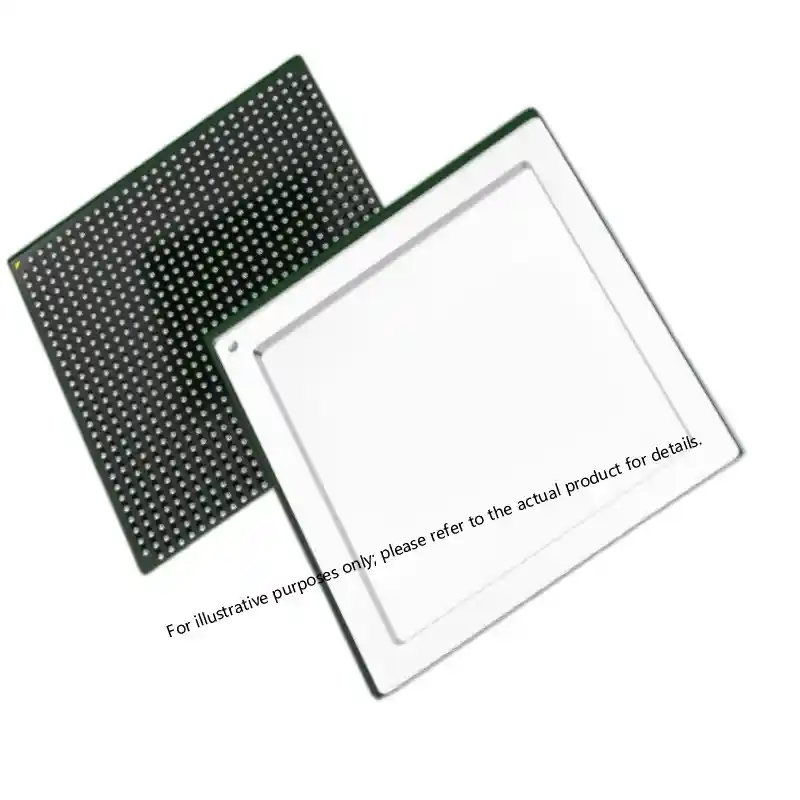
I recall a ground-based radar program that used a Microsemi ProASIC3 FPGA in its signal processing chain. About eight years into the program, the specific speed-grade and package variant was discontinued. Because the program had established a die bank with its distributor three years earlier, we were able to release wafers in small batches, package them in the original MIL-qualified packaging facility, and maintain production without a single line stoppage. Without that die bank, the program would have needed a complete board redesign and re-qualification, at a cost that easily ran into seven figures.
Not every component can be die-banked. Legacy mixed-signal ICs, custom ASICs, and radiation-hardened parts with unique process flows often lack the commercial volume to justify wafer banking. In those cases, the strategy shifts to technology refresh planning. A technology refresh is essentially a coordinated, pre-planned redesign of a board or subsystem to replace obsolete components with current-generation equivalents while maintaining form, fit, and function. For FPGAs, this may involve migrating from a Virtex-5 to a Virtex-7 or Kintex-7 with IP core migration. For high-speed ADCs, it may mean moving from an LVDS-output ADC12D1600 to a JESD204B-based ADC12J2700, with the corresponding changes in the digital interface.
The key is that the refresh is not a crisis. With a partner that monitors the component lifecycle trajectory, the program office receives a three-to-five-year advance window. That window is used to qualify the replacement, update firmware, and align the change with a planned depot maintenance cycle. When we present a customer with a technology refresh plan, it includes a side-by-side comparison of pinouts, electrical parameters, and availability timelines, as well as a project schedule that fits within the program’s operational tempo.
Obsolescence is not a sudden event. It is a predictable endpoint of a manufacturer’s lifecycle decision, announced through a formal product discontinuance notice, often with a 12-month last-time-buy window. The mistake is treating that window as the starting point for action, because by then, the supplier’s allocation is already booked and the program is forced to buy multi-year inventory on a compressed timeline.
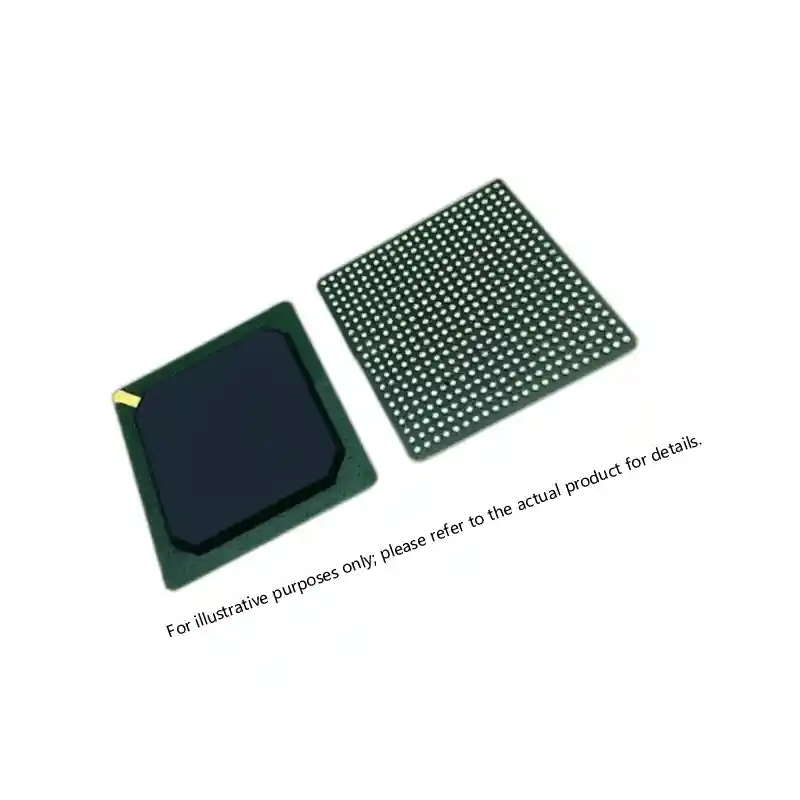
We handle obsolescence by tracking every part number on a program’s BOM against the manufacturer’s lifecycle database. When a part moves from “active” to “not recommended for new design,” we flag it and begin discussions with the customer about last-time-buy quantities, alternate sources, or die bank feasibility. For parts that are already obsolete and no longer available through authorized channels, we draw from our extensive inventory of MIL-spec components, many of which have been acquired during strategic last-time-buys specifically to support legacy defense platforms.
This is not just about having stock. It is about having stock that is authentic, traceable, and stored to prevent degradation. Every part we supply for a defense program comes with a certificate of conformance and full chain-of-custody documentation, traceable back to the original component manufacturer. For high-reliability applications, we can provide additional lab verification, including X-ray inspection, decapsulation, and electrical testing to the original specifications.
The verification process does not end at shipment. Over the course of a long program, the same part number may be sourced multiple times, potentially from different lots. Each lot must be re-verified against the program’s specification, and any deviation in date code, marking, or packaging must be investigated. When we ship a lot of 5962-series logic parts, the accompanying documentation includes the original manufacturer’s certificate, our internal inspection report, and if applicable, the independent test lab results. This documentation is maintained for the life of the program, not just the current contract, so that future audits or failure investigations have a complete paper trail.
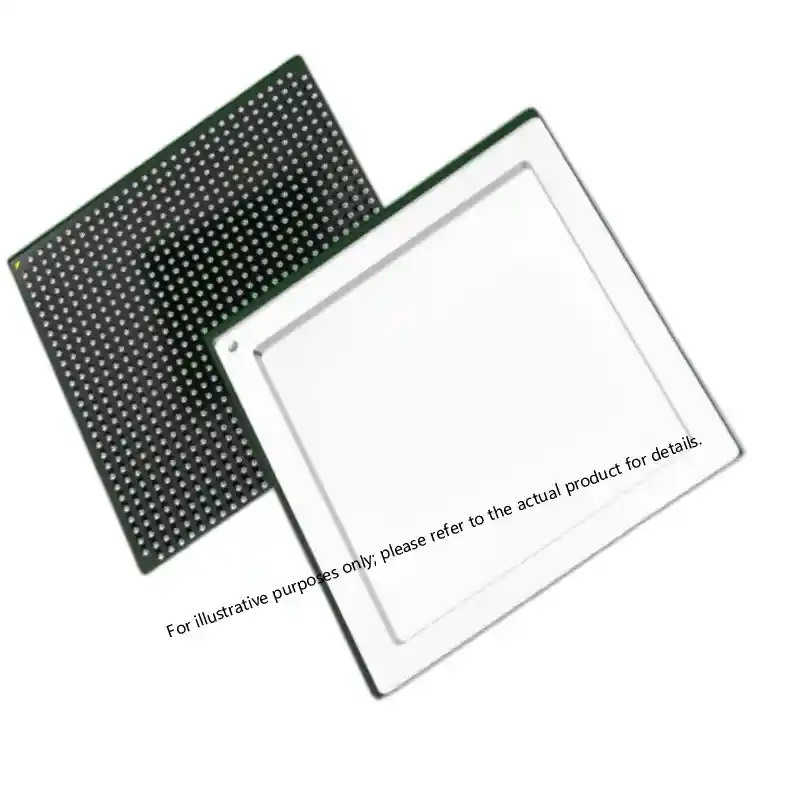
The table below lists several FPGA series commonly used in defense programs that are subject to lifecycle management planning. The availability status reflects current market conditions as observed in procurement channels, not manufacturer commitments, and should be verified for each specific part number and package.
| FPGA Series | Typical Process Node | Lifecycle Status | Die Bank Feasibility |
|---|---|---|---|
| Xilinx Virtex-5 (XC5V) | 65 nm | Limited availability; selective die bank possible | Yes, through authorized partners |
| Xilinx Virtex-6 (XC6V) | 40 nm | End-of-life for many packages; last-time-buy passed | Limited; existing wafer stock may be exhausted |
| Xilinx Kintex-7 (XC7K) | 28 nm | Active production; technology refresh target | Yes, recommended for new designs |
| Microsemi ProASIC3 (A3P) | 0.18 µm flash | Mature; some variants discontinued | Yes, wafer banking still accessible |
| Microsemi SmartFusion2 (M2S) | 65 nm flash | Active production | Yes, recommended for new designs |
| Altera Cyclone III (EP3C) | 65 nm | End-of-life for many parts; last-time-buy passed | No; pursue technology refresh |
When a component obsolescence notice arrives for a critical part and no die bank exists, the program still has options, but they shrink fast. The standard approach is to execute a last-time-buy covering the estimated remaining life of the platform, plus a margin for repairs and spares. This ties up capital and storage space, and it assumes the forecast is correct. A more surgical approach is to combine a smaller last-time-buy with a parallel technology refresh effort, so that only the production gap needs to be bridged.
We supported a naval electronic warfare system that faced exactly this situation with a Teledyne e2v ADC suite. The original device was discontinued, and the package was a non-standard hermetic BGA. By coordinating a last-time-buy for 36 months of forecasted demand while simultaneously qualifying a pin-compatible alternative in a different package, we bought the program three years to redesign the board. The alternative came from our existing inventory of high-speed ADCs, sourced originally for a different program but fully tested and traceable. This kind of cross-program inventory management is only possible when the distributor holds a broad, deep stock of military-grade components and understands how to match specifications across platforms.
For programs that are still in the design phase, the single most impactful decision is to involve the component distributor early. Not as a bidder, but as a supply chain advisor. When we review a preliminary BOM, we can identify parts with short remaining lifecycles, suggest alternates with longer roadmaps, and flag single-source risks that the design team may not be aware of. This early engagement does not cost anything, and it has prevented more program delays than any other single action I have seen in twelve years of defense supply chain work.
The components that power long-running defense programs do not need to become the weak link in mission readiness. But they will, unless the procurement strategy treats supply continuity as an active, ongoing function rather than a one-time purchase event. If your program involves FPGAs, ADCs, or MIL-SPEC discretes with lifecycles that will outlast the manufacturer’s production window, the time to address that gap is not when the discontinuance notice arrives. It is now.
Send your BOM and program timeline to xuansc2144@gmail.com. We will review lifecycle status, die bank availability, and alternate sourcing options for every line item, and return a supply continuity assessment with specific recommendations at no charge.
What Defense Procurement Teams Ask About Long-Term Component Supply
How do I know if a specific part can be die-banked?
Die bank feasibility depends on wafer availability and the foundry’s willingness to maintain the process. Generally, FPGAs and high-value processors in commercial packaging flows are candidates, while older mixed-signal parts and custom ASICs are not. We check with the manufacturer on each part and provide a written assessment before any commitment is made.
Is buying from distributor stock as reliable as direct OEM procurement?
Yes, if the distributor maintains full traceability and lot control. When parts come from authorized channels and are stored in bonded, ESD-controlled facilities with documented chain of custody, they carry the same manufacturer warranty and quality assurance as direct purchases. Our stock of 5962-series and QML devices is purchased directly from manufacturers or their authorized channels, and we retain all original certificates.
What happens if a part becomes obsolete and there was no last-time-buy?
We search global inventory, including our own stock of strategic last-time-buy positions, and verify authenticity through our in-house and partner lab testing. If the part is genuinely unavailable, we identify functional equivalents that meet the original specification and undergo form-fit-function analysis before presenting options.
How long does it take to set up a die bank agreement?
The legal and commercial framework can usually be completed in 60 to 90 days, depending on the manufacturer. The wafers themselves may have lead times of 12 to 18 weeks. We start the process as soon as the program commits, and we maintain the bank for the life of the agreement, releasing wafers for packaging and test in as little as six to eight weeks after a purchase order.
Does Sparkle Electronics handle export-controlled parts?
Yes. We manage ITAR and EAR-controlled components routinely, and we maintain the required licensing and compliance documentation. Every international shipment is screened against current denied-party lists and destination control statements, and we provide the end-use documentation required by your compliance team. Share your BOM and we will confirm export classification and availability.
If you’re interested, check out these related articles:
Virtex-7 XC7VX690T: Performance, Reliability, and Integration
XCKU115 UltraScale FPGA: Powering Critical Defense Systems
UltraScale KU085 FPGA Specifications for Defense Systems