Military Electronics BOM Requirements for Defense Programs
Table of Contents
- Military Electronics BOM Compliance Before Part Selection
- The Line Items a Defense BOM Must Capture
- MIL-SPEC Validation for Military Electronics BOM Release
- Comparing Authorized, Franchised, and Independent Sourcing
- A BOM Review That Becomes a Program Support Plan
- Common Questions About Military Electronics BOM Requirements
- How many approved sources should a defense BOM list for each line?
- Is an independent distributor acceptable for QML parts?
- When should a program use JANTXV instead of JANTX?
- What documentation do we need before the first prototype build?
Military electronics BOM requirements are not a clean list of part numbers. They are the first control point where a defense program either locks in traceability or creates a qualification risk that appears later at inspection. In twelve years of sourcing MIL-SPEC components, I have watched BOMs pass design review and then stall because a line item lacked an approved source or a lot date tied to the manufacturer. A sourcing BOM has to capture qualification status, approved sources, traceability documentation, and long-lead planning before any purchase order goes out. This article explains the requirements we apply at Sparkle Electronics when we review a defense BOM for quoting.
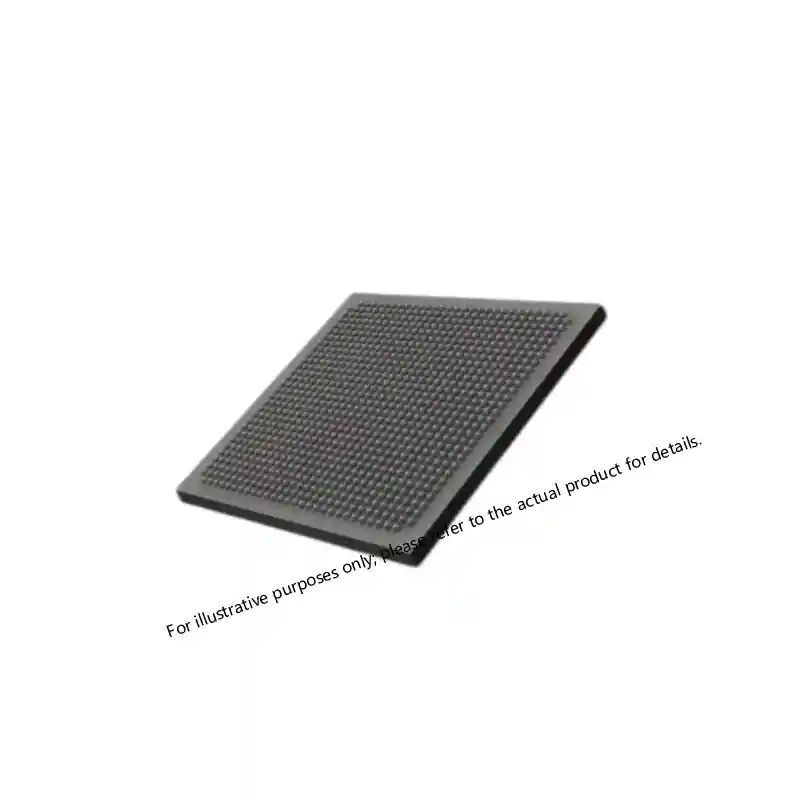
Military Electronics BOM Compliance Before Part Selection
A military electronics BOM rarely fails because the selected part was too expensive. It fails because a part number looked compliant but sat outside the source control drawing, or because the lot documentation could not be tied back to the qualified manufacturer. We review each line with that risk first.
For every line we ask four questions. Is the device QML qualified, specified under a 5962 drawing, screened to JANTX or JANTXV, or accepted by the program as an upscreened commercial alternative? Which sources are allowed for the specific slash sheet or SMD number? Does the program require counterfeit avoidance testing, and at what risk level? Does the part carry any DFARS or NDAA 889 exposure that would block procurement even if the electrical spec is correct?
If a line is marked as commercial alternative and the supporting substitution note is missing, we stop the quote. That is not obstruction. It is the point where a fast answer would hide a qualification gap. The BOM is where compliance gets embedded or lost.
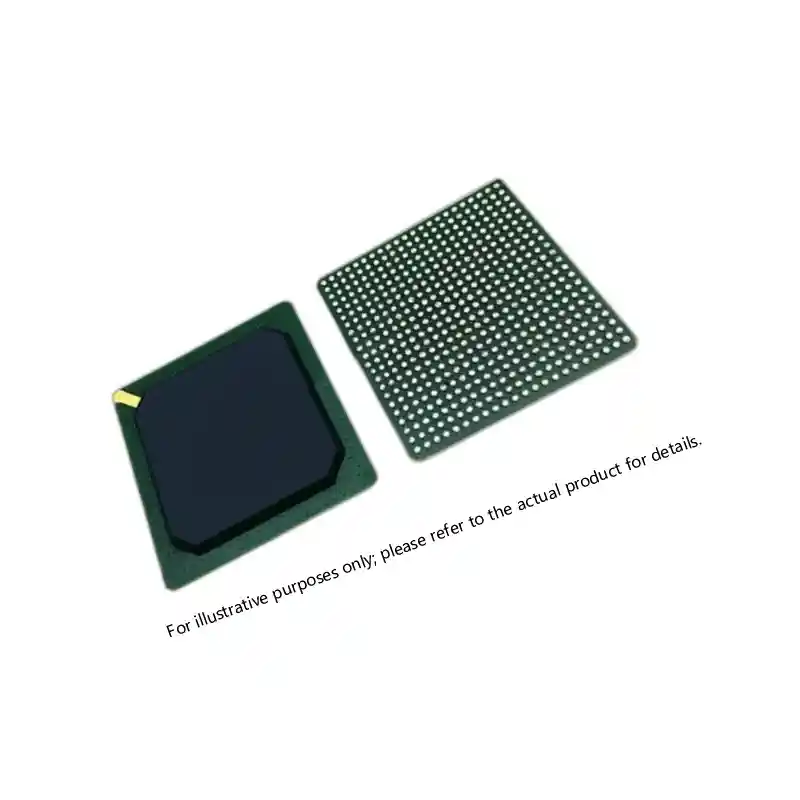
The Line Items a Defense BOM Must Capture
A quote-ready defense BOM goes beyond manufacturer, part number, and quantity. We look for the fields that determine whether the part can move through receiving, inspection, and quality without stopping for a clarification.
| BOM field | What a defense buyer should capture | Where it fails if missing |
|---|---|---|
| Internal part number | Cross-reference to the approved drawing or BOM revision | Design transfer and alternates |
| Manufacturer part number | Exact orderable number, package, and lead finish | Supplier confusion and wrong package |
| Specification or SMD | 5962 drawing, MIL-PRF, JANTX, JANTXV, or QML slash sheet | Compliance audit and inspection |
| Approved sources | Authorized, franchised, or approved independent sources | Counterfeit and documentation risk |
| Traceability documents | Certificate of conformance, lot date codes, test reports | Incoming inspection rejection |
Long-lead planning belongs in the BOM as a separate column, not a conversation. A line item for a radiation-hardened FPGA or a QML-qualified voltage regulator changes meaning when its factory lead time runs past the build date. We prefer that BOMs carry the part’s active life-cycle status and the latest date-code expectation, because that information changes pricing and alternate selection.
A BOM that captures those fields from the start is also easier to audit. When the DCMA or a customer quality representative asks for source traceability, the answer is already in the line item.
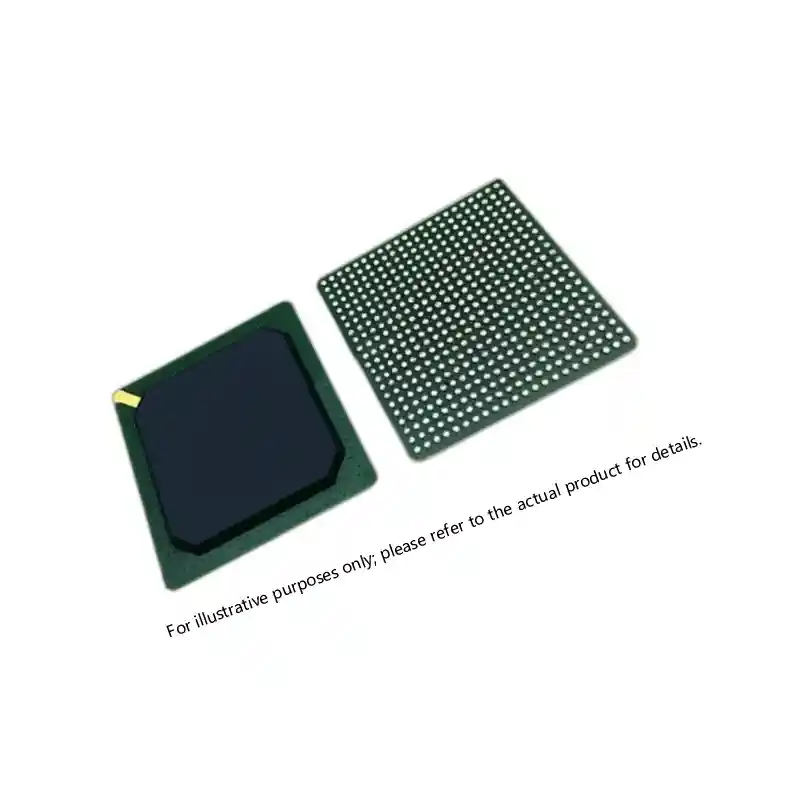
MIL-SPEC Validation for Military Electronics BOM Release
Before we quote a long-lead or high-rel BOM, we run a validation pass that is more than a price check. The first step is comparing the requested part number against its SMD or slash sheet. Many BOMs carry a manufacturer number that looks correct but has a lead finish, temperature range, or package that does not match the program requirement.
The second step is documentation. A QML device should carry traceability to the qualified manufacturer and the test lot. JANTX and JANTXV screened parts should have certs that match the lot date code. For high-risk lines, especially parts bought outside the authorized chain, we check whether the program requires X-ray, decapsulation, or electrical verification before acceptance.
If your program mixes QML parts with upscreened commercial devices, it is worth confirming qualification traceability before finalizing the BOM. Send your line items to xuansc2144@gmail.com and we can check which documentation already exists for each part.
What we look for here is not the absence of risk. It is the ability to prove where each lot came from. That is the difference between a clean quote and a BOM that passes design review but slips during inspection.
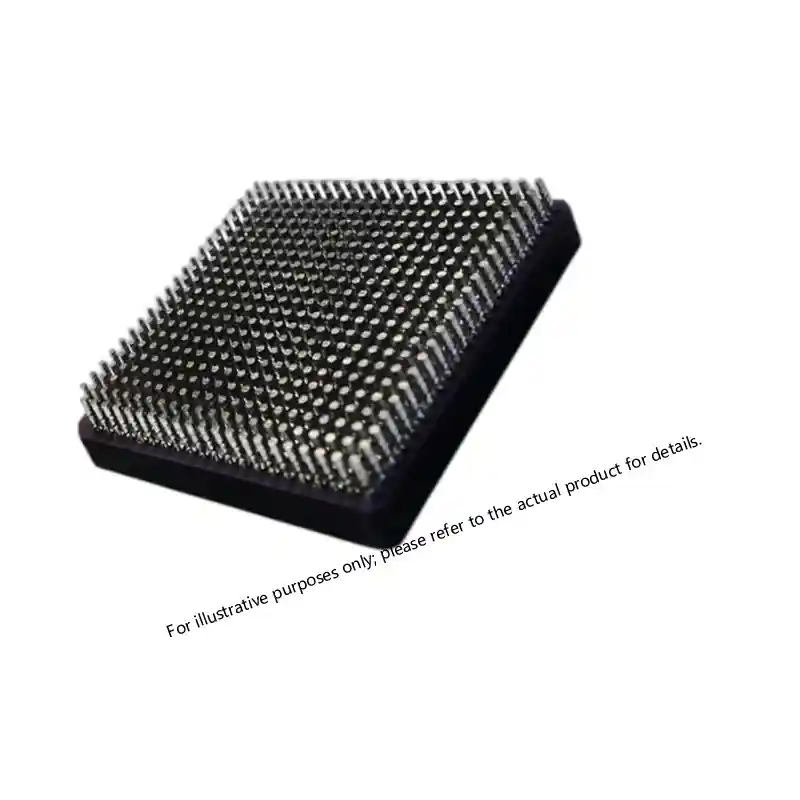
Comparing Authorized, Franchised, and Independent Sourcing
Authorized and franchised sources are the default for QML and JANTX parts because the manufacturer’s direct chain preserves the cleanest traceability. They also tend to have long lead times and minimum order quantities, which makes them difficult for prototype runs or shortfall coverage.
Independent distributors are useful when an authorized line is unavailable, when an end-of-life part has gone to long lead time, or when a program needs small quantities quickly. The risk is not the word independent. The risk is weak documentation. A competent independent source should be able to show the same lot traceability, incoming inspection records, and test data that an authorized source would have on file. If it cannot, the quote is not worth the savings.
At Sparkle Electronics we stock the categories that most often create BOM bottlenecks: FPGAs, DSPs, high-speed ADCs and DACs, mil-spec logic, memory, power modules, and passives. That inventory does not replace the authorized chain. It closes the gap when the authorized chain cannot meet a delivery window or minimum line quantity.
A BOM Review That Becomes a Program Support Plan
Most BOM failures we encounter are not caused by unavailable parts. They are caused by line items that looked clean on a spreadsheet but lacked the documentation to pass incoming inspection. That gap is easier to close before a purchase order than after a lot arrives.
A defense program needs more than a distributor who quotes. It needs a review that flags mixed qualification levels, checks current lead times, and plans long-lead items before the schedule turns. Send your BOM line items and required delivery windows to xuansc2144@gmail.com. We will go through each line and confirm stock, qualification evidence, and documentation availability before you commit.
Common Questions About Military Electronics BOM Requirements
How many approved sources should a defense BOM list for each line?
List two approved sources per line whenever the drawing allows it. The first is usually the authorized or franchised source. The second is the qualified independent or alternate manufacturer approved by the program. That second source matters most when lead time runs long or a line goes into obsolescence. Single-source lines are acceptable for proprietary or sole-source parts, but the BOM should state that status explicitly so the team does not waste time hunting for an alternate that does not exist. Without an approved second source, the schedule risk lands on the component team.
Is an independent distributor acceptable for QML parts?
Many buyers assume independent means uncertified, but that is not the distinction that matters. The real test is whether the distributor can show traceability back to the qualified manufacturer and supply the lot-level documentation the program requires. Some independent sources hold legitimate QML stock with full certification. Others hold parts with incomplete paper trails. A QML part is only as good as the documents that follow it, so the decision should be based on documentation, not the distribution channel label.
When should a program use JANTXV instead of JANTX?
It depends on the failure environment and the program’s reliability requirement. JANTXV adds stricter screening on top of JANTX, so it is usually selected when a BOM line feeds a mission-critical circuit with no redundancy or when the program wants tighter lot control. JANTX is often enough for less stressed applications where the system already has fault tolerance. If the program specification does not state which level applies, the safer move is to ask engineering before substituting JANTX for JANTXV. The price difference is real, but the qualification gap can be larger.
What documentation do we need before the first prototype build?
In programs we have worked on, we usually ask for three things before a prototype BOM is released. A certificate of conformance tied to the lot date, manufacturer traceability showing the source, and a clear record of approved alternates. For QML devices, we also confirm the part sits on the manufacturer’s qualified list. Prototype builds tolerate more commercial parts in some programs, but every line should still have its qualification status recorded. Packing the documentation early keeps the same part from being re-qualified when the program moves to production. If your program has a BOM that mixes QML and commercial parts, send the line items and required dates to xuansc2144@gmail.com and we will confirm the available documentation.
If you’re interested, check out these related articles:
XCKU115 UltraScale FPGA: Powering Critical Defense Systems
XC7VX485T FPGA: Virtex-7 Performance for Defense
Virtex-7 XC7VX690T: Performance and Reliability Insights