
TMSDC6727BGDHA250: C6727 250MHz DSP Specifications and Sourcing
Table of Contents
- TMSDC6727BGDHA250 at a Glance
- Processing Architecture and Memory
- Peripheral and Interface Set
- System Integration and Companion Logic
- Application Fit
- Sourcing and Compliance Considerations
- Quality Assurance and Incoming Inspection
- Request a Quote for the TMSDC6727BGDHA250
- Frequently Asked Questions
- Is the TMSDC6727BGDHA250 a fixed-point or floating-point DSP?
- What does the 250 suffix mean?
- What package is used for the TMSDC6727BGDHA250?
- What documentation should I request when buying this part?
- Can this DSP be used in military or defense applications?
- How do I verify that the part is authentic?
- References
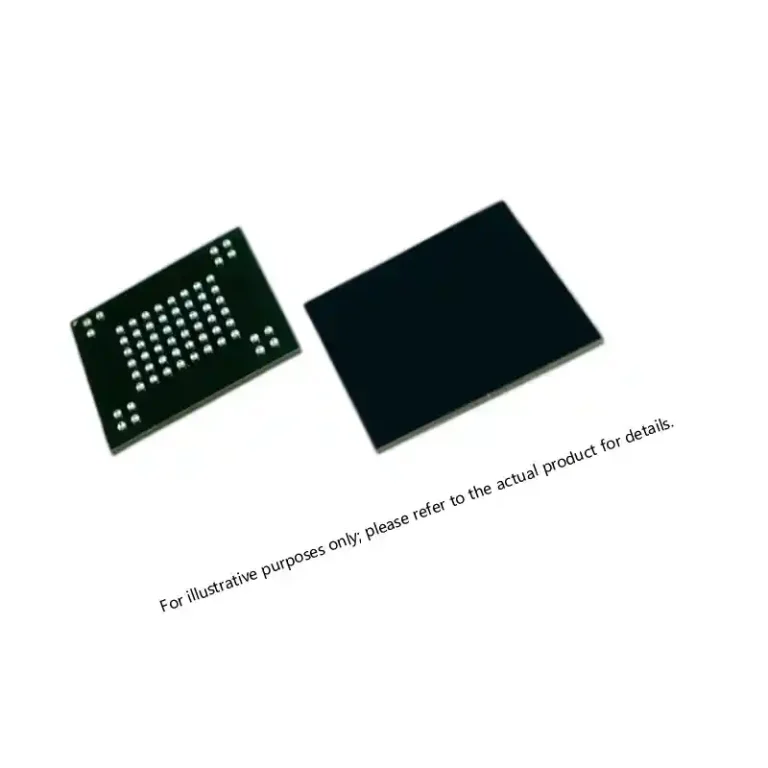
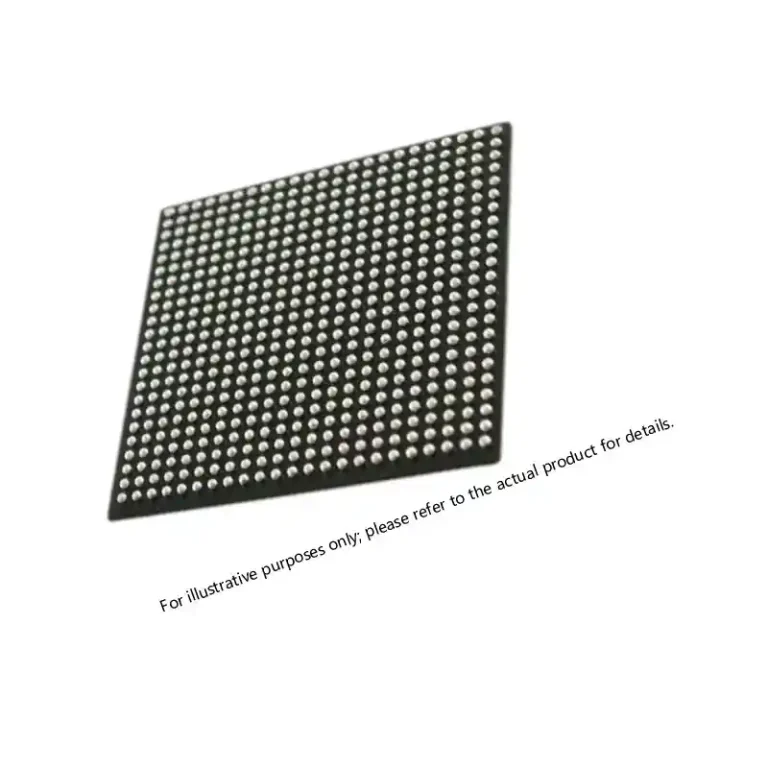
The TMSDC6727BGDHA250 is a 250 MHz member of the C6727 digital signal processor family, built around the C67x+ floating-point DSP core and supplied in a high-density GDH ball grid array package. The device is commonly documented in engineering and procurement systems as TMS320C6727BGDHA250. It is used where deterministic signal processing, audio or control-loop computation, and mixed floating-point/fixed-point software workloads need to run in a compact embedded footprint.
For buyers and engineers, the part is defined by three practical factors: the 250 MHz speed grade, the package and temperature identifier, and the documentation path required to confirm that the device is authentic and traceable. The sections below break down the specifications, integration considerations, sourcing workflow, and inspection checks that matter for a reliable procurement decision.
TMSDC6727BGDHA250 at a Glance
The TMSDC6727BGDHA250 is a C6727-family DSP with the following key characteristics:
| Parameter | Value or Note |
|---|---|
| Part number | TMSDC6727BGDHA250 |
| Alternate documentation form | TMS320C6727BGDHA250 |
| DSP core | C67x+ floating-point DSP |
| Clock frequency | 250 MHz |
| Cycle time | 4 ns |
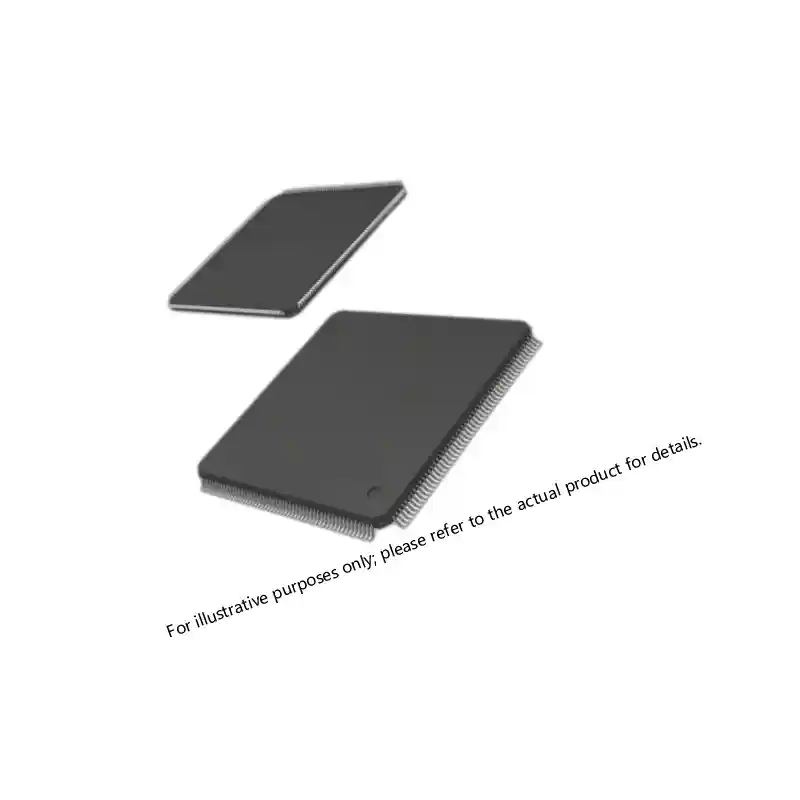
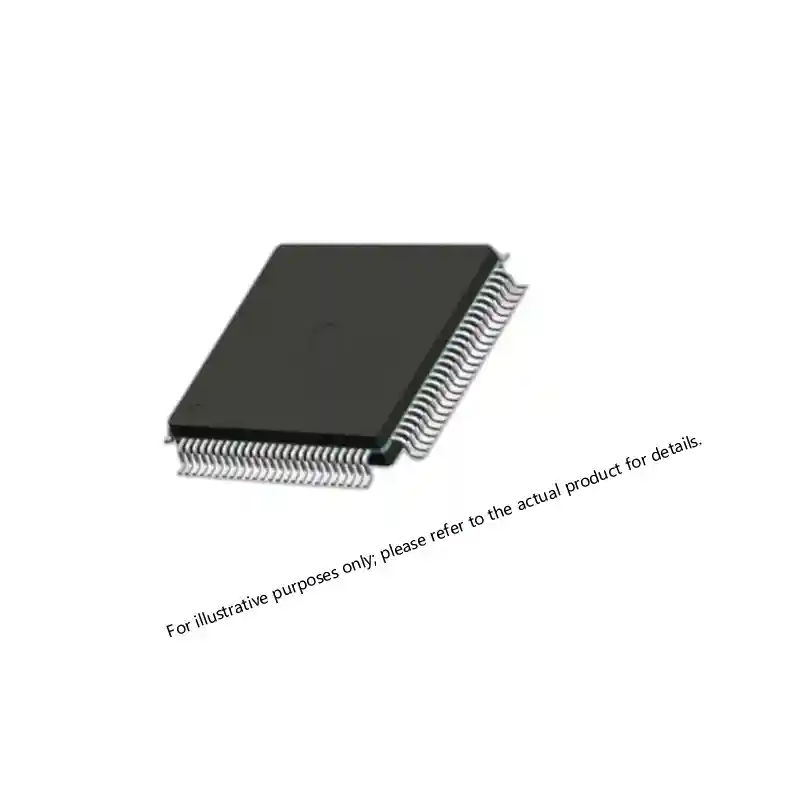
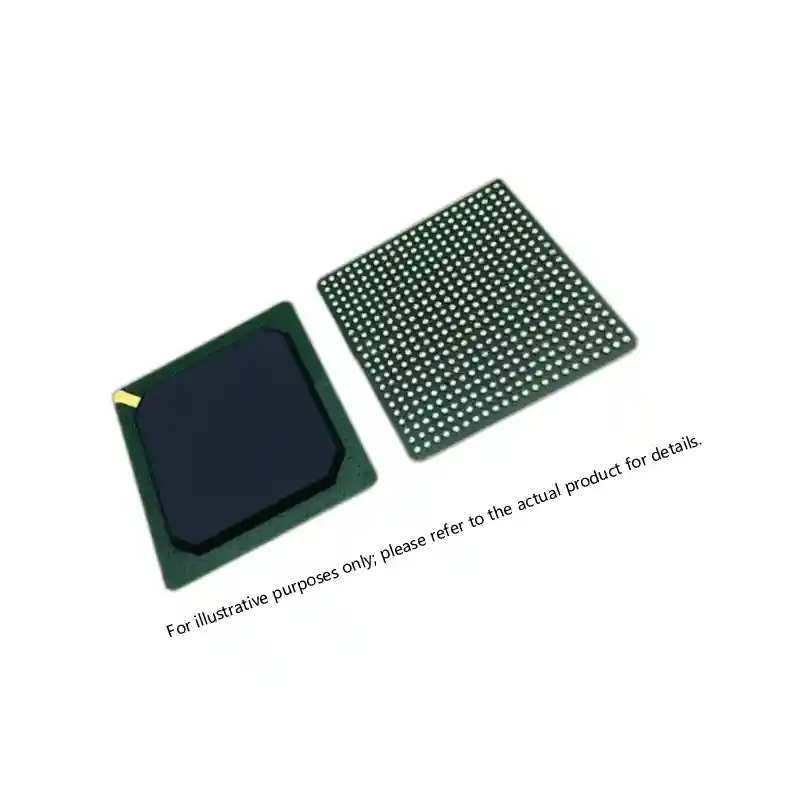
| Package | GDH ball grid array package |
| On-chip RAM | 256KB |
| On-chip ROM | 384KB |
| External memory interface | 32-bit EMIF |
| Serial interfaces | McASP, McBSP, SPI, I2C, UART |
| DMA controller | dMAX DMA |
| Typical core voltage | 1.2V |
| Typical I/O voltage | 3.3V |
The 250 suffix identifies the speed grade, while the GDH portion identifies the BGA package form. When quoting, the complete suffix should be retained in the bill of materials because package, temperature, and speed variants can affect software timing closure and board-level qualification.
Processing Architecture and Memory
The C6727 core is designed for math-intensive signal processing rather than general-purpose control. At 250 MHz, the 4 ns instruction cycle provides predictable execution timing for filters, transforms, audio processing, and control loops. The floating-point architecture reduces fixed-point scaling effort in applications where dynamic range and coefficient handling are important.
The on-chip memory structure is intended to keep frequently accessed code and data close to the core. The external memory interface allows the DSP to work with external SRAM and SDRAM when larger buffers or code images are required. This combination makes the device useful in compact processing cards where board area is constrained but signal-processing throughput remains important.
Peripheral and Interface Set
The TMSDC6727BGDHA250 includes serial audio and data ports, general-purpose serial interfaces, and DMA support for moving data between peripherals and memory. Typical integration tasks use the McASP or McBSP blocks for serial data movement, while SPI, I2C, and UART interfaces handle configuration, telemetry, or host communication.
For larger systems, the 32-bit EMIF simplifies connection to external memory and memory-mapped peripherals. The dMAX engine supports data movement without constant CPU involvement, which helps maintain real-time performance in streaming applications.
System Integration and Companion Logic
In many signal-processing boards, the C6727 DSP is not used alone. A common architecture places a FPGA & CPLD device in front of the DSP for high-speed data formatting, triggering, or custom interface logic, while the C6727 handles floating-point algorithms and sequential processing. This partition keeps the FPGA focused on parallel and real-time logic functions while the DSP handles coefficient-heavy computation.
For example, a receive-chain card might use programmable logic to pack multiple channels into a single stream, then pass that stream to the C6727 for filtering, demodulation, or spectral analysis. In that arrangement, both devices must be sourced with compatible packaging, thermal profiles, and lifecycle documentation.
For signal-processing chains that pair a C6727-class device with dense programmable logic, FPGA selection and packaging also affect long-duration program support. <Virtex-7 XC7VX690T: Performance and Reliability Insights> covers XC7VX690T packaging, reliability, and integration trade-offs for defense workloads.
When the processing board must be sustained across a mission-critical lifecycle, changing one major logic component can ripple into firmware, thermal, and qualification updates. <Virtex-7 690T FPGA: Performance for Mission-Critical Systems> covers long-duration performance and reliability considerations.
Application Fit
The TMSDC6727BGDHA250 is suited to embedded signal-processing roles where software reuse across C67x-family designs is valuable. Common application areas include industrial audio and acoustic processing, instrumentation, motor or motion control, test equipment, and defense-adjacent embedded processing. It is not automatically a military-screened device; hi-rel use depends on the specific grade, screening flow, and documentation requirements of the program.
When the application requires elevated environmental or reliability screening, the buyer should define the required test set before quotation. The device and the accompanying FPGA, memory, and analog signal chain components should be reviewed as a single bill of materials so that inspection and traceability requirements remain consistent across the board.
Sourcing and Compliance Considerations
For defense, aerospace, and high-reliability programs, the part number alone is not enough. The sourcing record should include the full TMSDC6727BGDHA250 identifier, the required date code or date range, the requested certificate of conformance, and any needed test or inspection report.
For a quotation, send the full part number, target quantity, required date code, and documentation requirements to xuansc2144@gmail.com. The sourcing team will confirm stock, package marking, and certificate availability before quoting.
A practical RFQ for this device should include:
| RFQ element | What to include |
|---|---|
| Full part number | TMSDC6727BGDHA250, including package and speed suffix |
| Quantity | Immediate quantity and any forward forecast |
| Required date code | Acceptable date range or form |
| Documentation | C of C, traceability records, test reports |
| Application profile | PCB qualification, temperature, and inspection needs |
| Delivery target | Required ship date and destination |
For program-level procurement, buyers should also confirm whether the part will be used in a configuration that requires additional screening, lead inspection, or compliance with specific quality standards.
Quality Assurance and Incoming Inspection
Authenticity verification for a DSP such as the TMSDC6727BGDHA250 should follow a defined incoming inspection plan. Common checks include visual inspection of marking and ball condition, X-ray or non-destructive evaluation of the BGA package, electrical continuity and curve-trace checks, and verification of date code and shipment documentation.
For elevated-reliability programs, testing can be aligned with test method references such as [1] for microcircuit handling and inspection, [2] for temperature cycling, and [3] for stress-test-driven qualification. ESD handling should follow the controls in [4].
| Inspection step | Purpose |
|---|---|
| Marking and package verification | Confirm part number, date code, and package integrity |
| X-ray or NDT | Identify missing or damaged BGA balls and internal anomalies |
| Electrical continuity checks | Detect open or short conditions before board-level use |
| Documentation review | Confirm C of C, source record, and batch traceability |
| Temperature cycling | Screen for package or interconnect weakness |
| ESD-safe handling | Prevent handling damage during storage and distribution |
These steps are especially important when the part is purchased through independent distribution, where traceability and original source confirmation are central to reducing counterfeit risk.
Request a Quote for the TMSDC6727BGDHA250
Sparkle Electronics supports buyers with part-number verification, stock confirmation, documentation review, and BOM-level sourcing for signal-processing and defense-adjacent systems. For pricing, lead time, and availability, send the complete part number, quantity, freight or program requirements, and any certificate or test report needs to xuansc2144@gmail.com.
Frequently Asked Questions
Is the TMSDC6727BGDHA250 a fixed-point or floating-point DSP?
The TMS320C6727B is built on the C67x+ floating-point DSP core. Although some part-number shorthand may refer to “Fixed DSP” loosely, the device is architecturally a floating-point digital signal processor. It is designed for floating-point signal-processing workloads, with the software and tooling benefits of the C67x family.
What does the 250 suffix mean?
The 250 suffix identifies the 250 MHz speed grade. At this frequency, the instruction cycle time is 4 ns. The speed grade affects software timing margins and should remain part of the bill of materials.
What package is used for the TMSDC6727BGDHA250?
The device is supplied in a GDH ball grid array package. The package identifier should be retained in procurement records because thermal, board-layout, and inspection requirements are package-specific.
What documentation should I request when buying this part?
Buyers should request a certificate of conformance, traceability or source record, date code information, and any test reports required by the receiving inspection plan. For high-reliability programs, additional documentation may include lot test data, environmental stress reports, or customer-specific screening records.
Can this DSP be used in military or defense applications?
The TMS320C6727B can be used in defense-adjacent embedded processing applications when the program requirements are satisfied. However, use in a military or hi-rel system should be confirmed by the specific screening level, documentation path, and board-level qualification. The base commercial or industrial device is not automatically a QML or MIL-SPEC screened component.
How do I verify that the part is authentic?
Authenticity is verified through a combination of marking inspection, BGA-level non-destructive evaluation, electrical continuity checks, documentation review, and source traceability. Buyers should avoid parts with unclear date codes, inconsistent packaging, or incomplete source records.
References
[1] United States Department of Defense. MIL-STD-883K: Test Method Standard for Microcircuits. 2018.
[2] JEDEC. JESD22-A104F: Temperature Cycling. 2011.
[3] JEDEC. JESD47I: Stress-Test-Driven Qualification of Integrated Circuits. 2018.
[4] EOS/ESD Association. ANSI/ESD S20.20-2021: Protection of Electrical and Electronic Parts, Assemblies and Equipment.
If you’re interested, check out these related articles:
Virtex-7 XC7VX690T: Performance and Reliability Insights
XC7VX485T FPGA: Virtex-7 Performance for Defense