V300B24T250BL 300V to 24V 250W DC-DC Converter Sourcing Guide
Table of Contents
- Electrical Ratings and Part Number Structure
- Input and Output Verification for Defense Power Buses
- Thermal Derating and Package Confirmation
- Sourcing Traceability and Counterfeit Risk Controls
- Lifecycle and Obsolescence Planning
- Supporting Digital Devices on the Same BOM
- Supply Support for the V300B24T250BL
- FAQ
- What does V300B24T250BL mean?
- Is V300B24T250BL a drop-in for any 24 V 250 W module?
- What input range should be confirmed?
- How should traceability be checked before accepting a lot?
The V300B24T250BL is a 300 V input DC-DC converter rated for a 24 V output at 250 W in a BL package variant. For defense and high-reliability programs, the part number is only the starting point. Input voltage range, thermal derating, package confirmation, source history, and traceability determine whether the module can actually support the intended power tree. This guide explains what each part-number field establishes, what must still be verified before release, and how to compare quotes without allowing an unverified substitution to enter the program.
Electrical Ratings and Part Number Structure
Read the part number as a set of selection commitments, not an interchangeable description. The V300 field points to the 300 V nominal input family. The B and BL characters identify the module family, package, or version configuration. The 24 and 250 fields identify the 24 V nominal output and the 250 W rated output power.
| Field | Selection meaning | Confirmation required |
|---|---|---|
| V300 | 300 V nominal input family | Operating input range and transient envelope |
| B | Module family or package group | Mechanical outline and pinout |
| 24 | 24 V nominal output | Setpoint, trim range, and regulation limits |
| 250 | 250 W rated output | Derating curve at actual temperature and airflow |
| T | Temperature or baseplate configuration | Screening and environmental rating |
| BL | Package or version suffix | Dimensions, mounting, and connector or pin style |
A part number match only screens the quote for the correct power class. The full manufacturer datasheet must confirm the suffix meanings, because package and configuration codes vary by family and revision.
Input and Output Verification for Defense Power Buses
Many 300 V buses are not steady at exactly 300 V. The converter must be checked against the minimum, maximum, and transient conditions of the platform bus before it is accepted. At the rated output, 250 W at 24 V corresponds to approximately 10.4 A of load current, but the actual current demand may vary with load step, hold-up, and sequencing behavior.
Output voltage tolerance, remote sense, trim range, and load regulation all affect power quality at the load. If the platform has cold start, hold-up, or transient requirements, request the applicable application limits and test conditions. A module that matches the nominal voltage and wattage is not automatically compliant with the bus dynamics of a specific system.
Thermal Derating and Package Confirmation
At 250 W, thermal management controls the usable output. A converter can carry its full rating only within the specified baseplate temperature, airflow, and mounting surface. Confirm whether the BL package requires a baseplate, coldplate, or printed circuit board mount, and identify the required torque, thermal interface, and clearance.
Do not treat the rated power as an unconditional output at maximum ambient temperature. The derating curve, not the part number, defines the operating point. A design that needs continuous 250 W at elevated temperature may require additional cooling, a different module version, or a more conservative load allocation.
Sourcing Traceability and Counterfeit Risk Controls
Authenticity and traceability matter as much as electrical fit. Request the manufacturer part number, date code, lot code, and certificate of conformance. For military or high-reliability programs, confirm whether the module has been exposed to inappropriate storage, rework, or mixed-source handling.
| Document or check | What to inspect | What it cannot prove |
|---|---|---|
| Part marking | V300B24T250BL, lot and date code | Electrical performance |
| Certificate of conformance | Declared conformance and source | Independent test result |
| Source history | Chain of custody and storage | Current electrical condition |
| Incoming electrical test | Output, trim, and isolation | Long-term reliability |
| Visual or X-ray inspection | Internal condition and rework clues | Conforming board function |
A certificate of conformance is a supplier declaration, not a substitute for incoming inspection. The strongest verification plan combines documentation review with sample electrical testing and visual inspection before a lot is released to the program.
Lifecycle and Obsolescence Planning
For long-running defense programs, the V300B24T250BL should be reviewed as part of the complete bill of materials. That review includes last-time buy alerts, alternate source evaluation, and the availability of traceable stock when original manufacturer supply becomes constrained.
Keep the exact part number, package, screening level, and any configuration requirement on the approved vendor list. A substitute with similar output voltage and power but different baseplate behavior, pinout, or environmental rating is not automatically equivalent. Lifecycle planning should identify whether a second source is acceptable and what qualification evidence would be required before a change is approved.
Supporting Digital Devices on the Same BOM
The converter usually feeds a larger signal chain that includes digital logic, processors, memory, and interface devices. Programs carrying older ACT2 or Axcelerator logic may list A1020B-PG84B or AX1000-1CQ352M in the same board design.
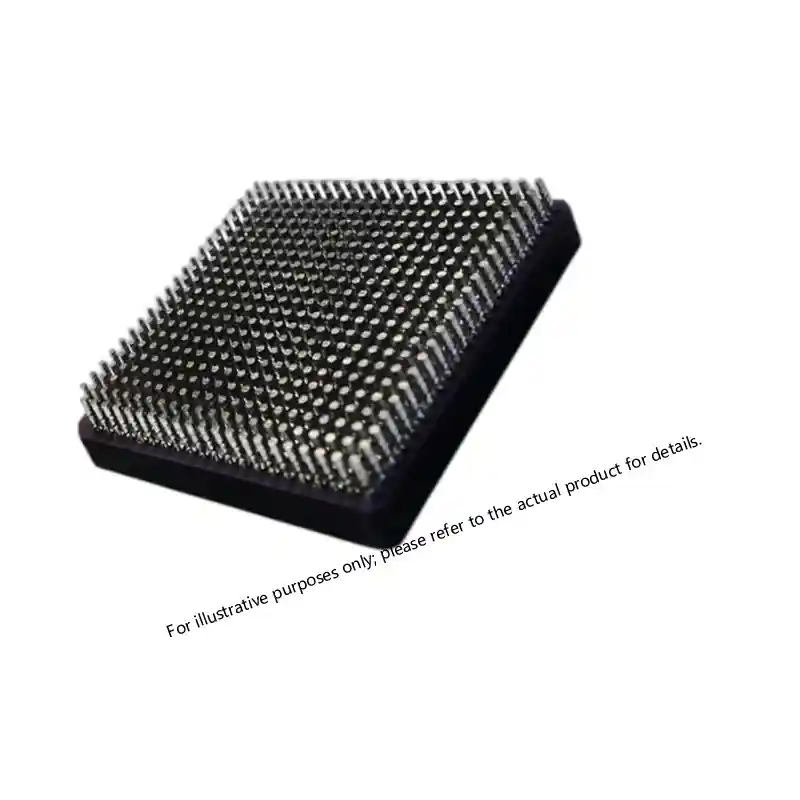
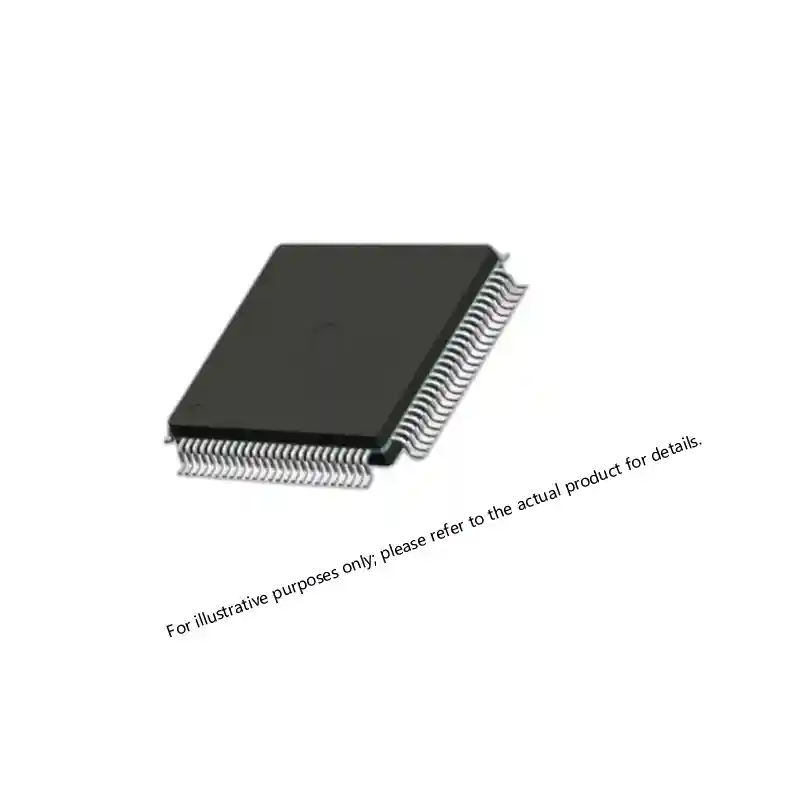
Newer designs may use ProASIC3 or SmartFusion2 devices such as A3P1000-1FGG484I, A3P1000-FG256I, and M2S150TS-FCG1152I for monitoring, sequencing, or system control functions.
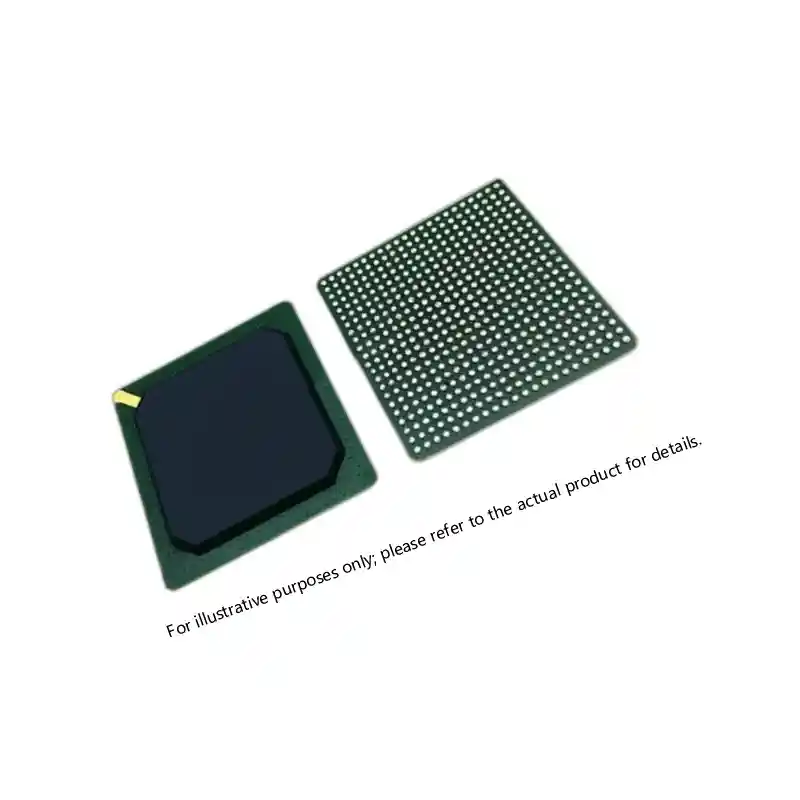
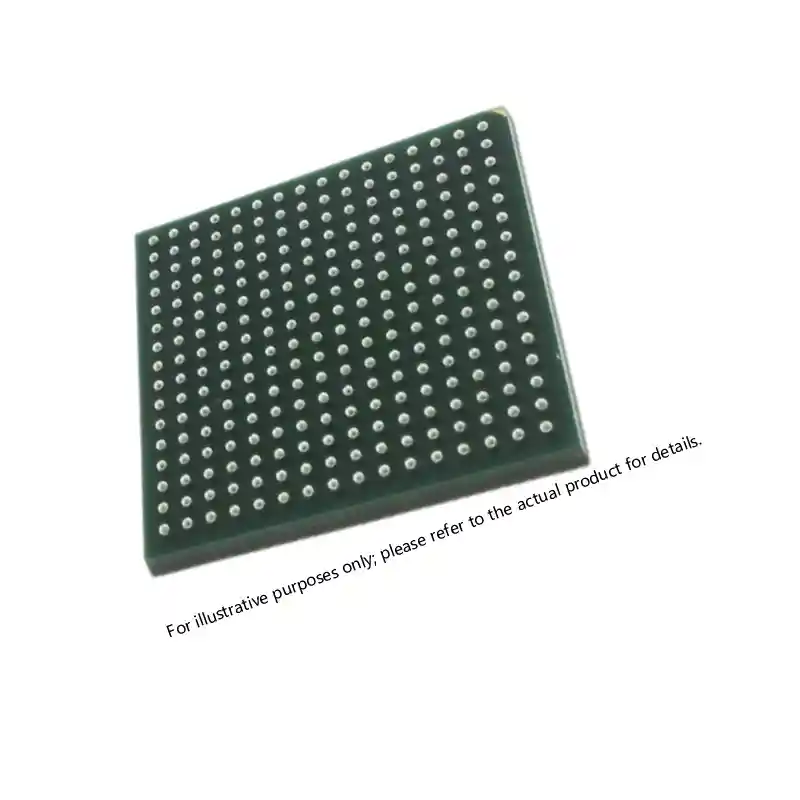
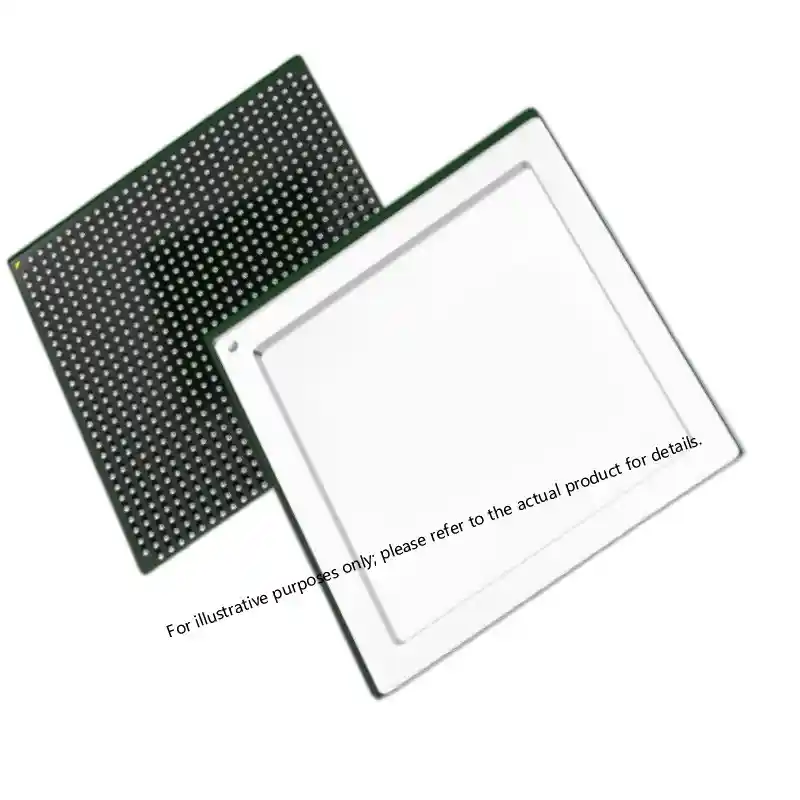
These digital devices do not replace the converter, but their availability should be reviewed at the same time. A board-level sourcing review prevents a schedule risk from simply moving from one line item to another.
Supply Support for the V300B24T250BL
Before releasing the V300B24T250BL for a defense program, send the full part number, required input range, output setpoint and trim, baseplate temperature, airflow, screening level, and target quantity. Sparkle Electronics can quote traceable stock, review available documentation, and support inspection coordination for the lot. Contact Sparkle Electronics at xuansc2144@gmail.com.
FAQ
What does V300B24T250BL mean?
It identifies a 300 V nominal input DC-DC converter with a 24 V output, a 250 W power rating, and a BL package or version designation. The part number is a selection code. The official datasheet must confirm input range, thermal derating, package dimensions, and screening level.
Is V300B24T250BL a drop-in for any 24 V 250 W module?
No. The same output voltage and wattage do not prove mechanical or thermal equivalence. Pinout, package height, baseplate requirements, input range, isolation, control features, and screening can differ. Confirm both electrical and mechanical compatibility against the specific board design.
What input range should be confirmed?
Nominal 300 V is only the starting point. The buyer should confirm the minimum and maximum operating input voltage, surge or transient limits, and hold-up behavior for the platform bus. A module can match the nominal bus voltage and still fail under the actual input transients.
How should traceability be checked before accepting a lot?
Check the part number, date code, lot code, certificate of conformance, and source history. Follow that with incoming visual inspection and sample electrical testing where the program requires it. Documentation alone confirms what the supplier declares, not the electrical condition of every unit.
If you’re interested, check out these related articles:
Virtex-7 690T FPGA: Performance for Mission-Critical Systems
UltraScale KU085 FPGA Specifications for Defense Systems