XC4VLX60-10FF668I: Virtex-4 LX60 Sourcing Guide
Table of Contents
- What the XC4VLX60-10FF668I Part Number Tells You
- Where the Virtex-4 LX60 Still Fits in Defense Systems
- Why legacy FPGA designs stay in service
- When a newer device is the better choice
- Speed Grade and Package Tradeoffs Before You Buy
- How to Build an RFQ for the XC4VLX60-10FF668I
- How to Compare Sources for the XC4VLX60-10FF668I
- Incoming Inspection and Test Plan for the XC4VLX60-10FF668I
- Lifecycle and Availability Planning for a Mature FPGA
- Request a Quote for the XC4VLX60-10FF668I
- FAQ
- Is the XC4VLX60-10FF668I still available?
- What does the -10 speed grade mean?
- Can I substitute a different speed grade or package?
- Is the XC4VLX60-10FF668I a MIL-SPEC or QML part?
- How can I verify authenticity before purchase?
- References
The XC4VLX60-10FF668I is a Virtex-4 LX60 FPGA in the FF668 package, built to the -10 speed grade and marked with the industrial temperature suffix. For a defense program, the part number is only the start of the sourcing decision. The harder questions are whether the device is authentic, whether its date code and lot history fit the board’s qualified configuration, and whether the supplier can support the program after open-market stock thins out. This guide treats the XC4VLX60-10FF668I as a procurement and lifecycle problem, not just a catalogue line.
What the XC4VLX60-10FF668I Part Number Tells You
The ordering string is a compact specification. Each segment answers a different procurement question, and a quote that drops one segment is not a quote for this device.
| Field | Meaning | Procurement question |
|---|---|---|
| XC4VLX60 | Virtex-4 LX60, logic-focused family | Is the board designed around this family and package? |
| -10 | Lower Virtex-4 speed grade | Does the design close timing at -10? |
| FF668 | 668-pin flip-chip BGA | Does the board use this exact footprint? |
| I | Industrial temperature suffix | Does the program require military or QML flow instead? |
The XC prefix belongs to the commercial and industrial naming path. The I suffix confirms industrial grade. Neither mark turns the device into a QML or military-flow part. When a supplier describes this exact ordering code as MIL-SPEC, ask for the QML listing and the screening record against MIL-PRF-38535 and MIL-STD-883 before accepting the description [1], [2]. A test report that cites MIL-STD-883 methods can show that specific tests were run. It does not by itself prove that the device was manufactured on a QML line.
That distinction matters at the quotation stage. A buyer can screen a commercial or industrial FPGA, and a supplier can add inspection, burn-in, or temperature test. Up-screening can improve confidence for a defined use, but it does not change the device’s original qualification flow. The procurement record should say which of those paths applies.
Where the Virtex-4 LX60 Still Fits in Defense Systems
Virtex-4 boards remain in service because the design, layout, software, and qualification work are already paid for. A legacy radar interface, avionics bus bridge, secure communications card, or test fixture may have years of service history behind it. Replacing the FPGA can trigger a new thermal review, EMI check, configuration validation, and board-level qualification cycle. For a mature program, keeping the existing device in the supply chain can be the lower-risk path, provided the source and test plan are controlled.
The LX60 is the logic-focused member of the Virtex-4 family. Programs that needed high-speed serial transceivers or embedded processing may have selected another Virtex-4 variant. That history matters when a buyer tries to substitute a different family member. The board may fit the same package, but the internal resources and the qualified configuration can differ.
Why legacy FPGA designs stay in service
A qualified board carries a chain of evidence: schematic, layout, timing constraints, configuration image, environmental test results, and field history. That chain is not transferred automatically to a new device. A replacement can be technically faster and still create a larger program risk if it forces a new qualification cycle. The practical question is not whether a newer FPGA is better. It is whether the program can absorb the cost and schedule of requalification.
When a newer device is the better choice
A newer FPGA becomes the better choice when the existing supply is unpredictable, when the board needs more processing capacity, or when the program cannot carry the risk of a diminishing source. The decision should compare the cost of redesign and requalification against the cost of last-time buys, storage, revalidation, and supply interruptions. A broker listing with a photo is not a continuity plan.
Legacy FPGA programs often keep a qualified board in service long after a newer family is available. <A1020B-PG84B ACT2 FPGA: Specs, Sourcing, and Availability> covers sourcing and availability questions for another mature FPGA family.
Speed Grade and Package Tradeoffs Before You Buy
The -10 speed grade is not a clock frequency in MHz. It is a timing bin within the Virtex-4 ordering scheme. In this family, -10 is the lower grade relative to -11 and -12. A board qualified at -10 may close timing with margin that a faster grade does not need, but a faster grade is not an automatic drop-in replacement. Timing analysis, power review, and board-level test should be rerun before a different speed grade is accepted.
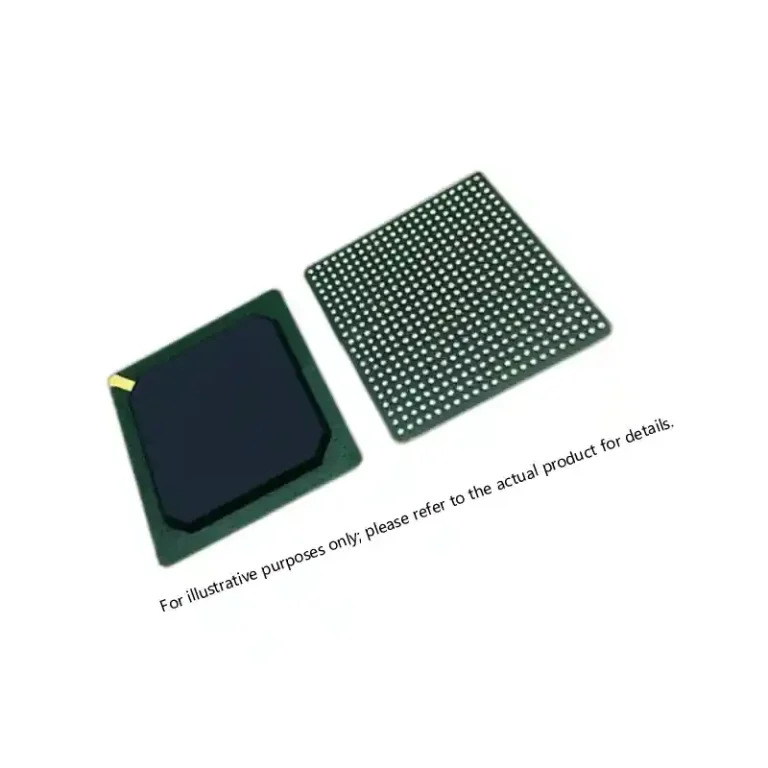
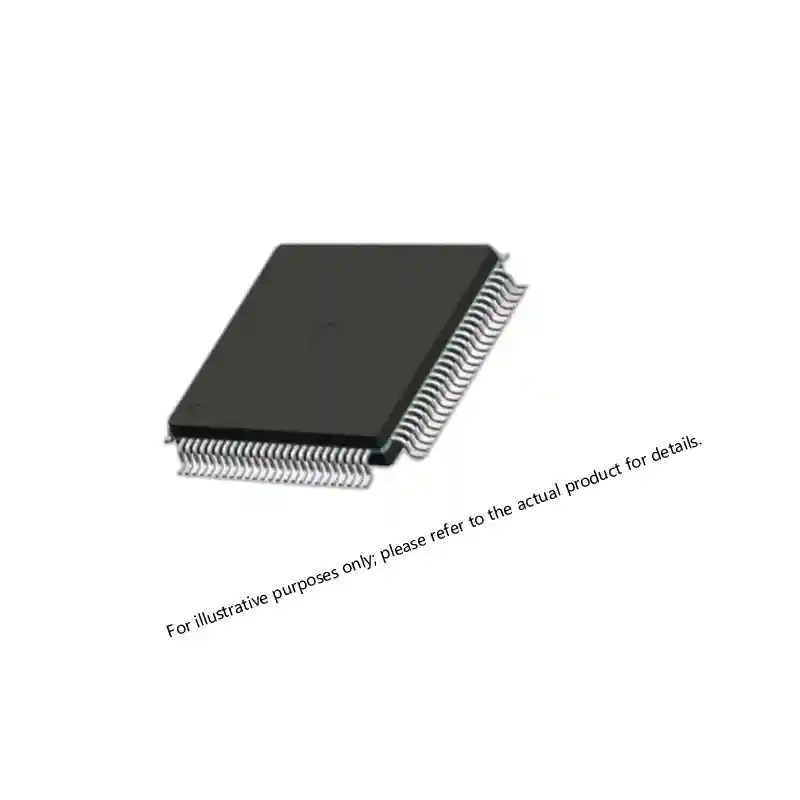
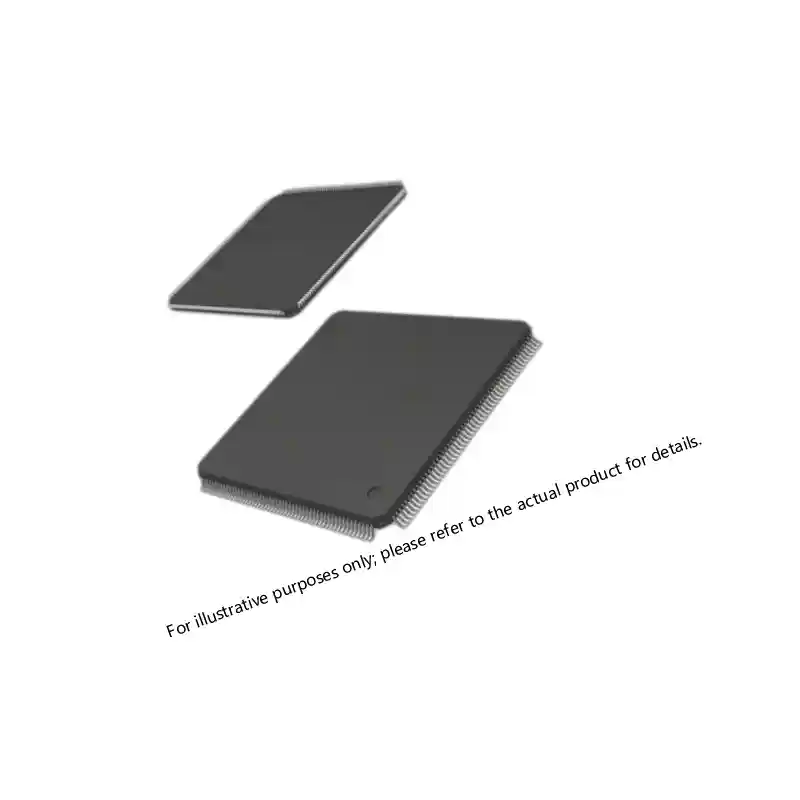
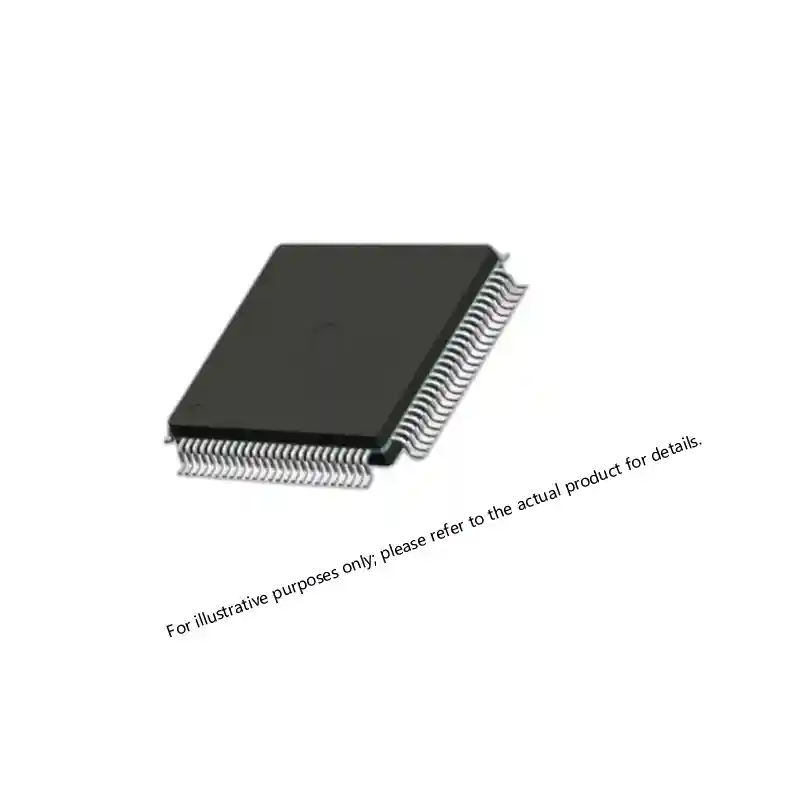
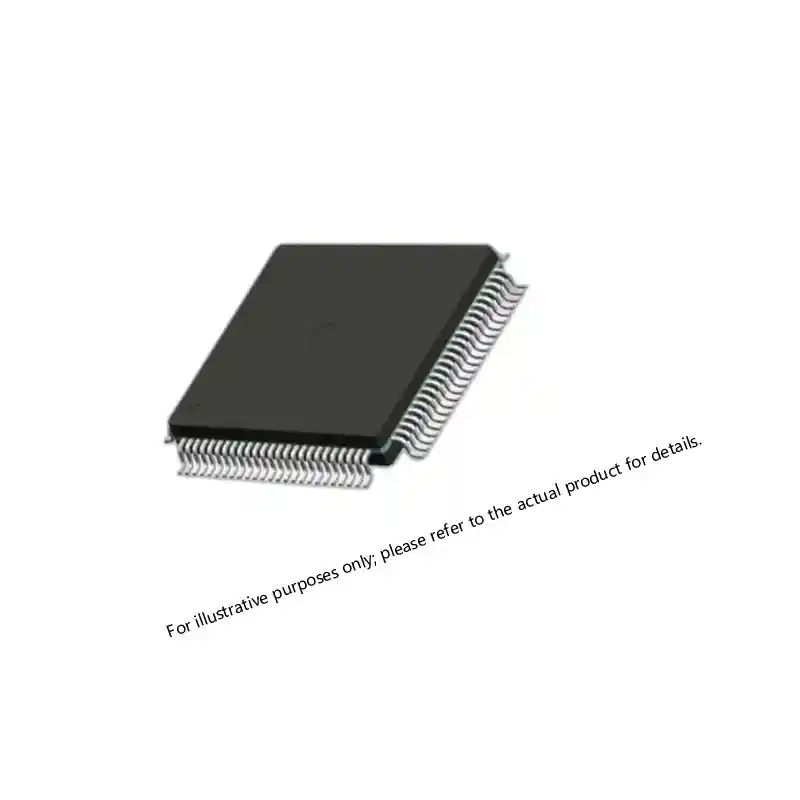
The FF668 package is a 668-pin flip-chip BGA. That package choice affects board footprint, inspection access, thermal path, and rework risk. A fine-pitch BGA can be damaged by improper handling, moisture exposure, or repeated reflow. Incoming inspection should look at ball condition, coplanarity, package marking, and signs of rework. A package photo can support identity screening. It cannot prove that the die is the correct FPGA or that the device meets the original timing specification.
A substitution decision should separate three cases. A same part number from a different lot is a traceability question. A different speed grade in the same package is a timing and validation question. A different package is a board redesign question. Treating all three as one “equivalent” category is a common procurement error.
How to Build an RFQ for the XC4VLX60-10FF668I
A useful RFQ for this device is a data request, not only a price request. The supplier should know which tests, documents, and date-code limits matter before quoting. That reduces the chance of a low quote for material that cannot be accepted.
| RFQ field | What to request | Why it matters |
|---|---|---|
| Full part number | XC4VLX60-10FF668I with all suffixes | Prevents a quote for a different speed, package, or grade |
| Quantity and schedule | First article, production quantity, and required dates | Separates available stock from future supply |
| Date code and lot | Acceptable window and lot traceability | Connects the device to the manufacturer’s history |
| Test level | Identity screen, X-ray, curve trace, functional, temperature | Defines what the supplier must prove before shipment |
| Documentation | CoC, test report, AS6081 process evidence, QML listing if claimed | Makes the supplier’s claim auditable |
| Packaging and ESD | Moisture barrier, desiccant, ESD bag, handling record | Protects a fine-pitch BGA from handling damage |
The exact ordering code should appear on the RFQ, the purchase order, and the incoming inspection record. A quote that says only “LX60” or “FF668” leaves too much room for a different grade or package to enter the order. If the program needs a specific date-code window, state it. If the program can accept a tested older lot, state the test level that would make that lot usable.
ESD handling should follow ANSI/ESD S20.20, and the receiving record should show that the parts stayed in controlled packaging [4]. This is basic, but it is also where small distributors and open-market sellers often separate from controlled suppliers.
How to Compare Sources for the XC4VLX60-10FF668I
Source comparison should not stop at price and lead time. Each source path proves a different thing. The buyer needs to know which claim is supported and which claim still needs test.
| Source path | What it can establish | Request | Do not infer |
|---|---|---|---|
| OEM or authorized distributor | Manufacturer chain and current status when documented | Product status, date code, CoC, packaging record | That stock is available or that the price is competitive |
| Independent distributor with AS6081 process | Documented counterfeit avoidance and inspection flow | AS6081 process evidence, lot traceability, test data, photos | That every lot received full electrical test or QML flow |
| Open-market broker | Access to hard-to-find stock | Lot history, test data, return terms, photos | That a fresh label or date code proves authenticity |
| Refurbisher or pull source | Reclaimed or refurbished material for sustainment | Refurbishment record, ball and solderability inspection | That reclaimed material meets new-part specifications |
An AS6081-aligned distributor should have a documented counterfeit avoidance process, but the process evidence does not replace lot-level test data [3]. A certificate of conformance is a supplier declaration. It can confirm that the supplier believes the material meets the purchase order. It does not replace an electrical test or a QML listing.
Authorized distribution usually gives the strongest chain of custody. For a mature Virtex-4 part, however, authorized stock may be limited or unavailable. That is where independent distribution becomes useful, provided the buyer audits the process instead of accepting a label. The right question is not “authorized or independent” in the abstract. It is “what does this source actually document for this lot, and what test still needs to be done?”
A sourcing comparison is only useful when the test level and documentation path are clear. <XC7VX485T Virtex-7 FPGA: Performance and Sourcing for Defense> covers defense-oriented sourcing for a newer Virtex-7 device.
Incoming Inspection and Test Plan for the XC4VLX60-10FF668I
Incoming inspection should separate identity screening from technical acceptance. Identity screening asks whether the part is likely to be what the label says. Technical acceptance asks whether the device works in the intended application. A label, photo, or X-ray can support the first question. None of them answers the second on its own.
| Check | What it screens | Limit |
|---|---|---|
| Marking and 2D code | Part identity and label consistency | Does not prove die identity or electrical performance |
| Package and ball inspection | Coplanarity, ball condition, rework signs | Does not prove the internal die or timing |
| X-ray | Internal package and ball anomalies | Does not prove the correct FPGA configuration |
| Curve trace | Pin-to-pin integrity and opens or shorts | Does not prove full functional performance |
| Functional test | Logic, I/O, and configuration behavior | Limited to the test coverage and fixture |
| Temperature test | Operation at the required grade | Limited to the tested sample and conditions |
A practical test plan starts with the program’s failure risk. If the board is going into a high-value system, a sample functional test at the board level may be more informative than a generic bench test. If the concern is counterfeit material, lot traceability and package inspection may carry more weight. The plan should state the sample size, accept and reject criteria, and the disposition of a failed lot. It should also state what happens when a required test cannot be performed.
For a fine-pitch BGA, ball condition and handling damage deserve specific attention. Reballing, rework, and repeated reflow can leave signs that a visual check may miss. X-ray can help, but it should be read by someone who knows what a normal package looks like. A test report without the actual conditions, sample size, and pass criteria is hard to use in a program review.
Reliability planning for a mature Virtex-4 board should account for test coverage, thermal margin, and the replacement path. <Virtex-7 XC7VX690T: Performance and Reliability Insights> covers performance and reliability considerations for a newer Virtex-7 family.
Lifecycle and Availability Planning for a Mature FPGA
Virtex-4 is a mature family, and availability varies by date code, package, and source. A program should not treat a current stock listing as a long-term supply plan. The useful planning question is how long the qualified board will remain in production and what the program will do when the preferred source runs out.
A last-time buy can protect a production line, but only if the material is stored and revalidated correctly. The buyer should define the storage environment, humidity control, ESD protection, and revalidation interval. A sealed bag with a desiccant pack is not a complete storage plan. The program also needs a plan for testing a sample from the stored lot before it enters production.
The alternatives have different costs. A last-time buy consumes capital and storage. A die bank or wafer procurement may not be available for this part and should be confirmed, not assumed. A redesign carries engineering, qualification, and schedule cost. A broker-dependent supply carries authenticity and continuity risk. The program should compare those costs against the cost of a line stoppage or a failed board.
A mature FPGA plan should also identify the exact configuration image, timing constraints, and board revision that the stock supports. If a replacement lot cannot be tested against that configuration, the buyer does not know whether the lot is usable. The supply plan and the test plan need to be written together.
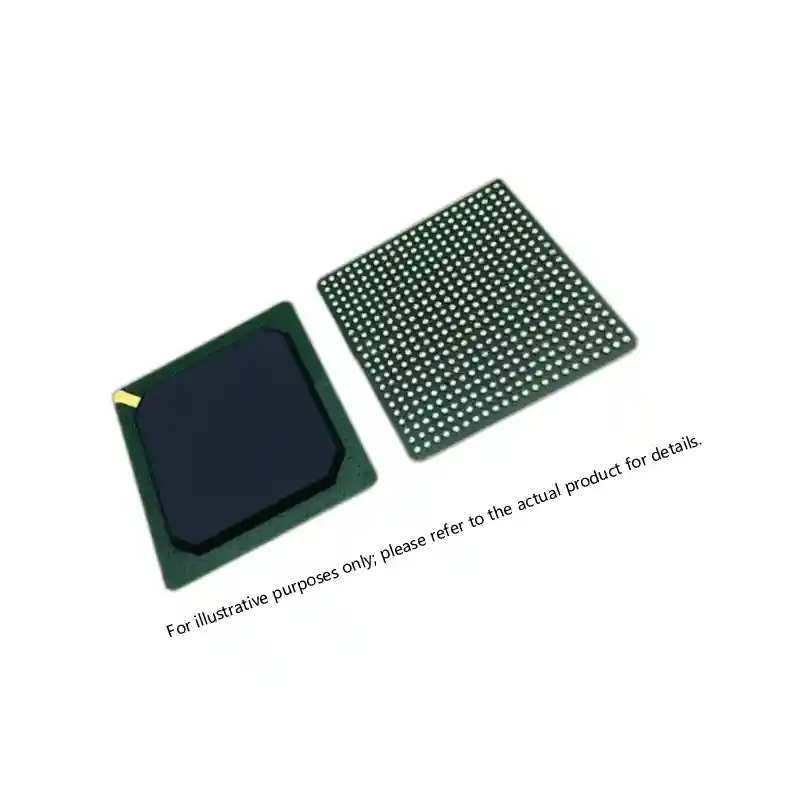
Request a Quote for the XC4VLX60-10FF668I
Send the full part number, quantity, required date-code or lot window, test level, and documentation package to xuansc2144@gmail.com. Include the board application and any temperature or screening requirement so the quote can distinguish available stock from material that needs test or traceability review. Sparkle Electronics can review the requirement against current stock and the supplied test records, and will state what is confirmed and what still needs inspection.
FAQ
Is the XC4VLX60-10FF668I still available?
Availability depends on the source, date code, package, and test level. Some lots may be available from independent distribution or open-market sources, while authorized stock may be limited. Ask for the exact ordering code, lot traceability, and current test data before treating a listing as usable stock. A quote without a date code and test level is only an expression of interest.
What does the -10 speed grade mean?
The -10 is a Virtex-4 timing bin, not a clock frequency. It is the lower grade relative to -11 and -12 in this family. A board qualified at -10 should be checked for timing margin before a faster grade is accepted. A faster part can change timing, power, and I/O behavior, so the substitution should be validated against the actual board design.
Can I substitute a different speed grade or package?
A different speed grade in the same package may fit the footprint, but it still needs timing analysis and board-level test. A different package is a layout change, not a drop-in substitution. Do not accept an “equivalent” claim without the exact package, speed grade, and temperature suffix. The qualified configuration and test plan should be rerun for any change.
Is the XC4VLX60-10FF668I a MIL-SPEC or QML part?
The XC prefix and I suffix indicate a commercial or industrial device, not a QML military-flow part. A supplier may apply screening or testing, but that does not change the original qualification flow. If a quote claims MIL-SPEC or QML status, ask for the QML listing and the screening record against MIL-PRF-38535 and MIL-STD-883 [1], [2].
How can I verify authenticity before purchase?
Start with chain of custody, lot traceability, and the distributor’s counterfeit avoidance process. Then add package inspection, X-ray, curve trace, and functional test as the risk requires. A certificate of conformance is a declaration, not an electrical test. The test plan should state the sample size, pass criteria, and what happens if a lot fails.
References
[1] MIL-STD-883J, “Test Method Standard, Microcircuits,” U.S. Department of Defense, 2013.
[2] MIL-PRF-38535K, “Integrated Circuits (Microcircuits) Manufacturing, General Specification for,” U.S. Department of Defense, 2018.
[3] SAE AS6081A, “Fraudulent/Counterfeit Electronic Parts: Avoidance, Detection, Mitigation, and Disposition – Distributors,” SAE International, 2019.
[4] ANSI/ESD S20.20-2021, “Protection of Electrical and Electronic Parts, Assemblies and Equipment (Excluding Electrically Initiated Explosive Devices),” ESD Association, 2021.
If you’re interested, check out these related articles:
Virtex-7 XC7VX690T: Performance, Reliability, and Integration
XCKU085 UltraScale FPGA: Performance for Critical Systems
XC7VX485T FPGA: Virtex-7 Performance for Defense