Wide Temperature Range Military ICs for Defense Applications
Table of Contents
- What Wide Temperature Range Military ICs Actually Mean for Your Design
- How Are Wide Temperature Range Military ICs Specified and Screened
- Which Component Characteristics Degrade at Temperature Extremes
- How Should You Compare Wide Temperature Range Military ICs for a BOM
- What Should You Confirm Before Committing to Wide Temperature Range Military ICs
- What Do Procurement Teams Ask About Wide Temperature Range Military ICs
- Does an industrial part rated for -40°C to +85°C work in place of a military part
- Is the -55°C figure a real operating condition or just a test limit
- Does the package matter as much as the die temperature rating
- What should a buyer ask a distributor before ordering
Wide temperature range military ICs are usually quoted as -55°C to +125°C devices, yet the printed range is only the beginning of the selection problem. A part can meet the temperature band on a datasheet and still fail in a cold-start sequence, a high-altitude enclosure, or a solder joint because screening, packaging, and thermal margin were not checked. I have seen too many qualification efforts stall at this gap. The difference between a paper-compliant component and a field-reliable one lies in how it was tested, how it was mounted, and how it was sourced. This article works through those checks in the order they matter.
What Wide Temperature Range Military ICs Actually Mean for Your Design
Wide temperature range military ICs are components rated to operate across the full military temperature span, normally -55°C to +125°C at the case or junction reference point stated in the datasheet. That range is not a single design margin. It is a test envelope with two very different failure modes. The low end punishes materials and interfaces: solder joints become more brittle, timing margins shift, and an FPGA that configures correctly at room temperature may not finish configuration from a cold start. The high end stresses leakage currents and accelerates electromigration. A design that only checks nominal simulation corners will miss both.
One distinction I repeat with procurement teams is that industrial grade and military grade are not adjacent points on one curve. An industrial part rated for -40°C to +85°C may use the same silicon as a military part, but it has not been through the same lot-by-lot screening or the same documentation trail. If a system is headed for an unheated ground installation or a vehicle that sits overnight in a cold environment, the gap between -40°C and -55°C is real. It shows up first in startup behavior, not steady-state operation.
How Are Wide Temperature Range Military ICs Specified and Screened
When a supplier quotes a wide temperature range military IC, I ask for the document chain behind the rating. Two references matter most. MIL-PRF-38535 governs QML monolithic microcircuits and lays out the quality management and screening requirements. MIL-STD-883 defines the test methods, including temperature cycling, burn-in, and electrical test conditions. A part with a 5962-series designation carries an SMD specification, and the slash-sheet detail will list the exact case, radiation tolerance if any, and the temperature condition under which the device is guaranteed.
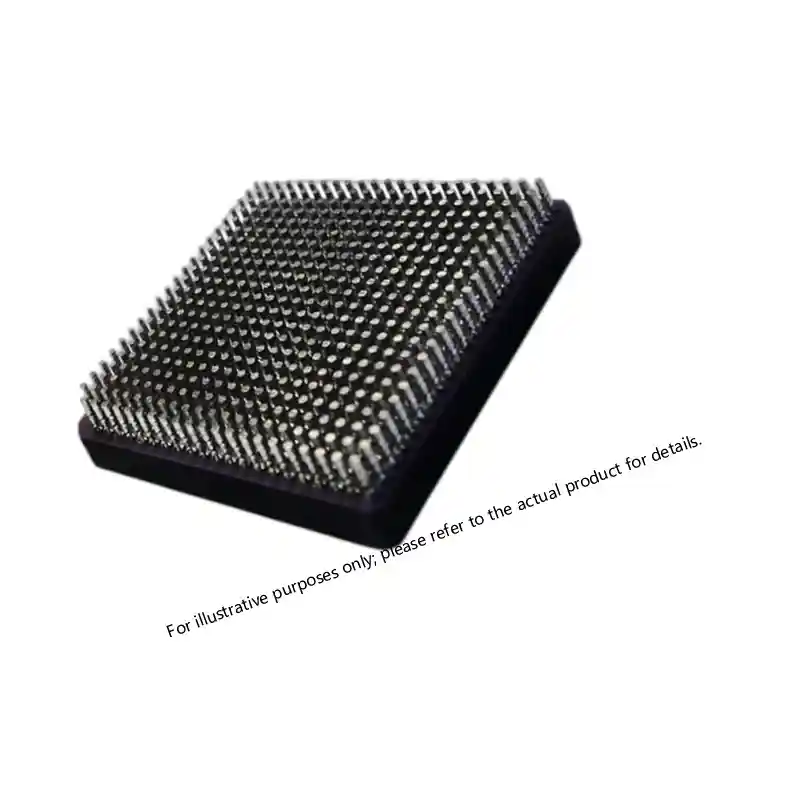
The table below summarizes the grades I see most often in defense bills of materials. The column that matters is not the temperature range. It is the screening column, because that tells you whether the rated range was verified on every production lot or assumed from a datasheet.
| Grade | Typical operating range | Screening | What the range means in practice |
|---|---|---|---|
| Commercial | 0°C to +70°C | Manufacturer standard | Not intended for cold or hot environments |
| Industrial | -40°C to +85°C | Manufacturer standard or selected | Suitable for sheltered equipment; margin thins near extremes |
| Military | -55°C to +125°C | MIL-STD-883 or QML lot testing | Range verified across the production lot |
| Space or extended | -55°C to +125°C or wider | Additional radiation and thermal shock tests | Higher confidence but longer lead time |
A lot that passes functional testing at -55°C and +125°C is not the same as one sampled at room temperature only. The screening record should name the test conditions. If the distributor cannot produce that record, the temperature rating is a claim, not a fact.
Which Component Characteristics Degrade at Temperature Extremes
Temperature changes do not affect every device the same way. For wide temperature range military ICs, the most visible shifts occur in four places.
Leakage current. At +125°C, junction leakage rises sharply, which changes input bias currents in amplifiers and refresh behavior in memory devices. A part that meets a standby current limit at 25°C can be outside the limit at high temperature unless the datasheet has a guarded high-temperature test condition.
Timing and switching speed. At cold temperatures, carrier mobility improves for some processes, but board and package delays can move the other direction. In field-programmable gate arrays, configuration timing, clock distribution, and I/O signal integrity are more sensitive than the raw logic speed.
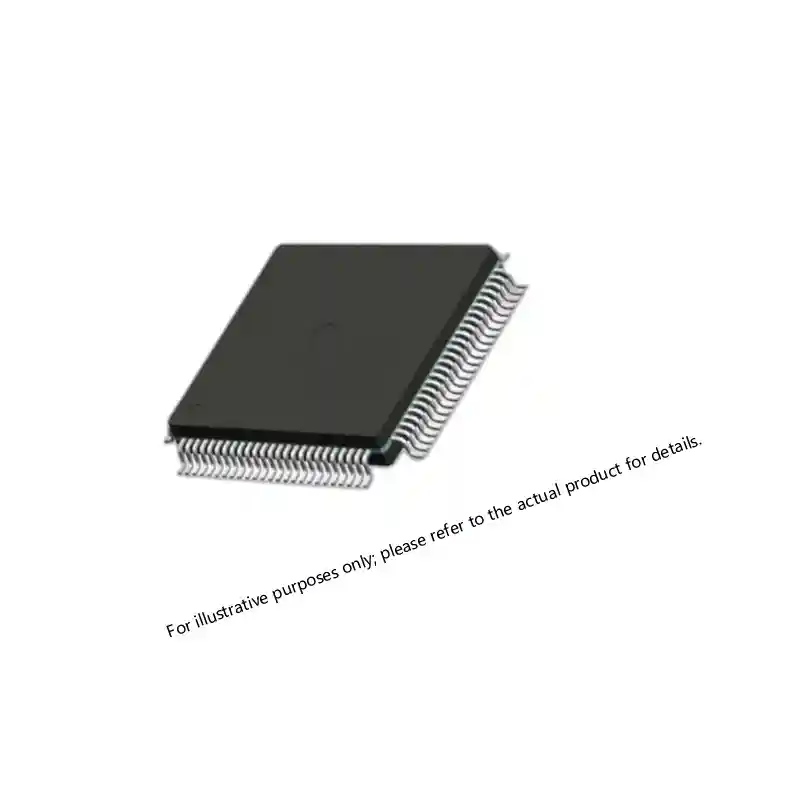
Package and interconnect stress. Repeated thermal cycles fatigue solder joints and wire bonds. The coefficient of thermal expansion mismatch between a ceramic package and a printed board accumulates with every cycle. This is why MIL-STD-883 temperature cycling is not a formality.
Passive devices around the IC. A military IC may be rated for -55°C to +125°C, but the capacitors around it may not hold capacitance at the cold end. I have seen a switching regulator pass at room temperature and then fold back during a cold start because the output capacitor lost effective capacitance. The IC was fine. The circuit was not.
How Should You Compare Wide Temperature Range Military ICs for a BOM
Comparing wide temperature range military ICs on a bill of materials starts with the part number format. A 5962-series number points to an SMD drawing. A JANTX or JANTXV prefix on a discrete device points to a MIL-PRF-19500 qualification level. A QML Q or V device points to a MIL-PRF-38535 quality flow. These identifiers are the fastest way to separate a true military device from an industrial part with a wide temperature label.
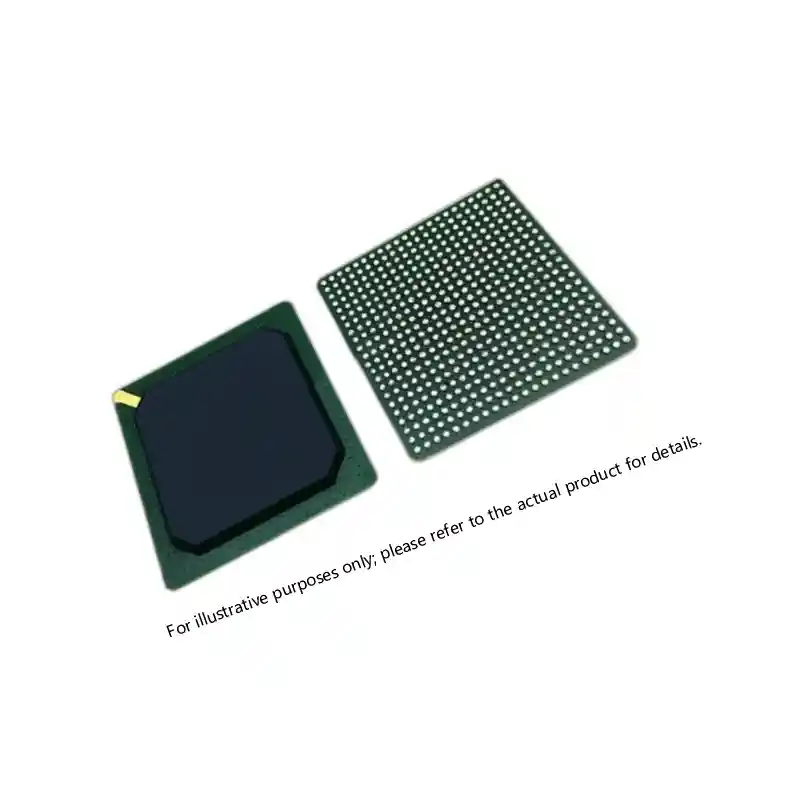
After the part number check, look at the temperature reference. Some suppliers quote the storage range, not the operating range. Storage temperature can be wider than the range over which electrical parameters stay within data sheet limits. Confirm whether the part number’s SMD slash sheet lists -55°C to +125°C as an electrical test condition or only as a survivability condition.
Package and qualification path come next. An Actel or Microsemi FPGA in a ceramic package may be suitable for a sealed enclosure, but the same design in a commercial plastic package will not survive repeated thermal cycling in an unpressurized bay. For analog and data conversion, ADI military-grade ADCs carry different test flows than the equivalent commercial converter. For power, a VICOR DC-DC module rated for the correct input and output can still derate under a hot spot if airflow is limited. These comparisons belong in the BOM review, not in a supplier quote alone.
If your BOM mixes commercial and military temperature grades, confirm the screening path for every line item before ordering; send the part numbers and temperature requirements to xuansc2144@gmail.com and I will check which items have lot-level test records.
What Should You Confirm Before Committing to Wide Temperature Range Military ICs
Most sourcing delays I see come from a missing document, not a missing part. A procurement team identifies a wide temperature range military IC, receives a quote, and then loses days waiting for a certificate of conformance or an SMD slash-sheet check. The way to avoid that is to ask two questions before ordering: which temperature condition was electrically tested on the exact date code, and what documentation will accompany the shipment?
If your program involves a cold-start edge case, a mixed-temperature BOM, or a sealed enclosure with limited airflow, it is worth confirming those conditions against the specific part number before you finalize the design. Send the part number and your required operating range to xuansc2144@gmail.com. I will confirm stock availability, review the screening record, and tell you whether the device matches the environment you described.
What Do Procurement Teams Ask About Wide Temperature Range Military ICs
Does an industrial part rated for -40°C to +85°C work in place of a military part
No, unless the final installation guarantees temperatures that never leave the industrial window and the customer’s qualification documents accept the substitution in writing. The silicon may be similar, but the military part carries lot-level screening and a documented test flow. Without that record, an auditor may reject the component even if the electrical function is identical. For ground equipment kept inside a shelter, the substitution can work. For anything exposed to unheated or high-temperature environments, it adds a compliance risk that lands back on the program.
Is the -55°C figure a real operating condition or just a test limit
A common misconception is that -55°C is only a storage number. For a qualified military device, it is an electrical test condition. The datasheet and SMD slash sheet list parameter limits at the cold extreme, not just damage survival. That matters because startup and signal timing can shift before the material fails. If a supplier has only a room-temperature test record, you have not verified the cold end. Ask for the exact test temperature and the parameters measured there.
Does the package matter as much as the die temperature rating
It depends on where the part sits and how many times it cycles through temperature. A ceramic package handles wide excursions better than a plastic package when the board also expands and contracts. In a pressurized, temperature-controlled enclosure, the package choice matters less. In an external pod or an unpressurized bay, the package and the attach material can fail before the die does. Match the package thermal cycle rating to the installation, not just the silicon junction range.
What should a buyer ask a distributor before ordering
In my sourcing reviews, the first question is not price. It is whether the distributor can produce the SMD slash sheet, lot test record, and certificate of conformance for the exact date code being quoted. The second question is whether the part has been through incoming inspection for marking, lead finish, and continuity. A part number alone does not prove the stock is genuine or screened. If you are comparing sources, send the part number and your required operating range to xuansc2144@gmail.com and I will confirm whether the available stock carries the full screening trail.
If you’re interested, check out these related articles:
Virtex-7 690T FPGA: Performance for Mission-Critical Systems
XC7VX485T Virtex-7 FPGA: Performance and Sourcing for Defense
XC7VX485T FPGA: Virtex-7 Performance for Defense