Xilinx Spartan Military FPGAs: Cost-Effective Sourcing
Table of Contents
- How Spartan FPGAs Fit Defense Embedded System Requirements
- Spartan FPGA Cost Advantages for Military Programs
- Compliance and Documentation for Spartan FPGAs in Defense
- Sourcing Authentic Spartan FPGAs and Mitigating Counterfeit Risk
- Lifecycle and Obsolescence Planning for Spartan FPGAs
- Sourcing Spartan FPGAs with Confidence
- Common Questions About Spartan FPGAs for Military Use
- Can Spartan FPGAs meet military temperature range requirements?
- Do Spartan FPGAs require QML certification for defense programs?
- How do I verify the authenticity of a Spartan FPGA?
- What is the typical lead time for Spartan FPGAs in military quantities?
- Are Spartan FPGAs suitable for radiation environments?
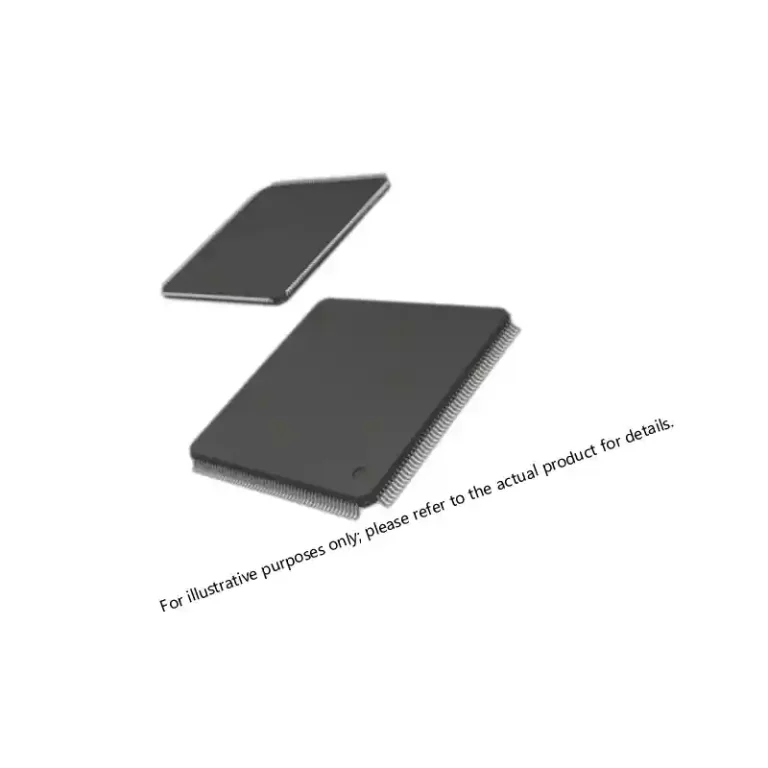
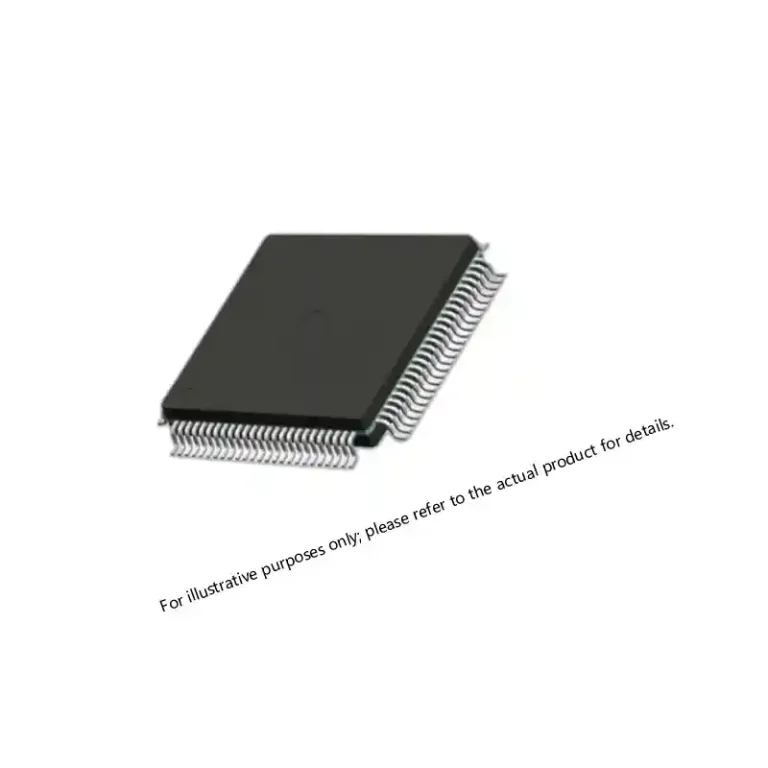
Xilinx Spartan military FPGAs occupy a unique position in defense embedded systems—they deliver sufficient logic density and I/O for a wide range of mission-critical functions at a fraction of the cost of radiation-hardened or fully QML-qualified alternatives. For program managers and design engineers weighing budget constraints against technical requirements, Spartan devices can be the strategic answer, but only when sourcing, documentation, and lifecycle planning are treated with the same rigor as the design itself. This article examines what makes Spartan FPGAs suitable for defense, the compliance demands they must meet, and how to secure authentic parts with full traceability to avoid program risk.
How Spartan FPGAs Fit Defense Embedded System Requirements
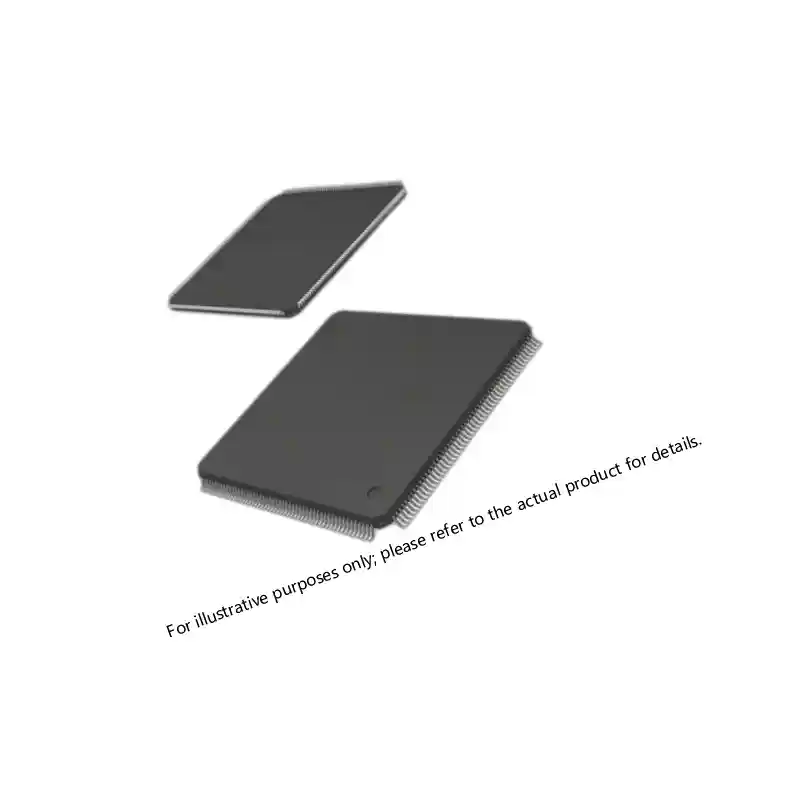
Spartan FPGAs, particularly the Spartan-6 (45 nm) and Spartan-7 (28 nm) families, provide a balance of logic resources, DSP slices, and block RAM that suits many defense embedded functions such as motor control, sensor interfacing, and communication bridging. The Spartan-6 LX75, for example, offers 75,000 logic cells and 132 DSP48A1 slices, which is enough for moderate signal processing without the power and cost overhead of a high-end Virtex device. A key differentiator is temperature range: Xilinx offers extended industrial grades that operate from -40°C to +100°C, covering the majority of ground vehicle, naval, and airborne platform environments. While these parts are not radiation-hardened, they can be used in systems where total ionizing dose is low or where mitigation techniques such as triple-module redundancy are applied in the FPGA fabric.
For programs that need to interface with legacy military buses, Spartan devices support LVDS, RS-422, and SPI, and with soft IP cores, designers can implement MIL-STD-1553 controllers or ARINC 429 interfaces. In our experience, a mid-range Spartan-7 like the XC7S75 can replace an older ASIC or processor in a digital flight control unit, reducing the component count while maintaining deterministic timing. The low static power of 28 nm technology also helps meet the SWaP-C constraints of man-portable electronics.
Spartan FPGA Cost Advantages for Military Programs
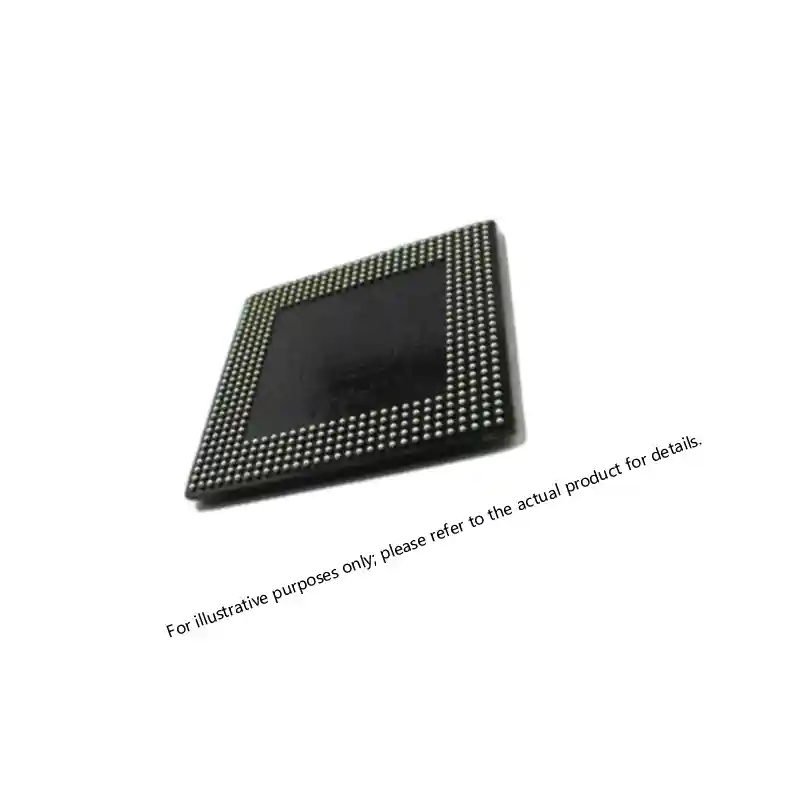
The unit cost advantage of Spartan FPGAs over higher-density radiation-hardened or QML-V devices is typically 3x to 10x, depending on volume and variant. For programs where the production quantity is in the hundreds rather than thousands, that difference can make or break the decision to use a reprogrammable device instead of a fixed-function ASIC. The following table compares two common Spartan families used in defense embedded designs:
| Feature | Spartan-6 (XC6SLX45) | Spartan-7 (XC7S75) | Typical Application |
|---|---|---|---|
| Logic Cells | 43,661 | 76,800 | IO-intensive control |
| DSP Slices | 58 | 140 | Motor control, filtering |
| Block RAM (KB) | 2,088 | 4,320 | Data buffering |
| User I/O | 358 | 400 | Connector-rich designs |
| Temperature Range | -40°C to +100°C | -40°C to +100°C | Ground/avionics |
| Approx. Unit Cost Ratio | 1x | 1.4x | Competitive sourcing |
These figures are approximate and depend on lead time, package, and speed grade, but the trend is clear: for many defense programs that do not demand the highest logic density or rad-hard properties, Spartan delivers measurable savings without sacrificing sufficient capability.
Compliance and Documentation for Spartan FPGAs in Defense
One persistent misconception is that only QML-certified or class-S parts can be used in military systems. In practice, many defense programs, especially those governed by MIL-STD-461 for EMI or MIL-STD-810 for environmental stress, can accept industrial-grade components with additional screening and documentation. For Spartan FPGAs, the typical requirement includes a manufacturer’s Certificate of Conformance, lot traceability to the wafer fabrication facility, and documented test data for key parameters such as leakage current and timing over temperature.
When a program calls for MIL-STD-883 Class B screening, discrete components can be subjected to burn-in and temperature cycling, but standard Spartan devices are not shipped with that screening by Xilinx. Instead, the supply chain partner performs incoming inspection per AS6081 guidelines, verifying date codes, markings, and re-screening if the contract requires it. We maintain a full audit trail for every shipment, which includes the original packing slip, X-ray images of BGA packages, and a written conformity statement. This level of documentation is essential when passing a DCAA or customer quality audit.
Sourcing Authentic Spartan FPGAs and Mitigating Counterfeit Risk
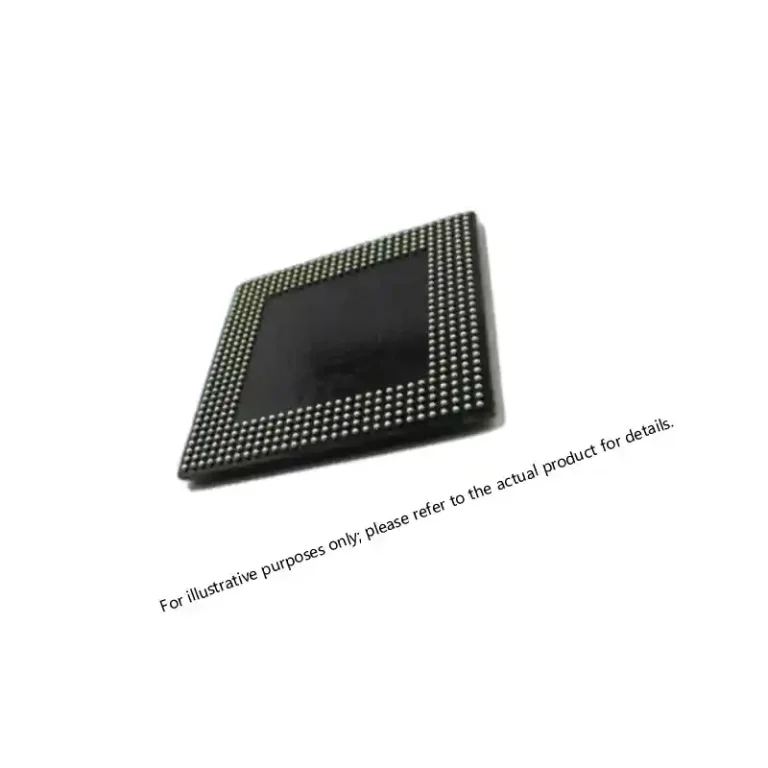
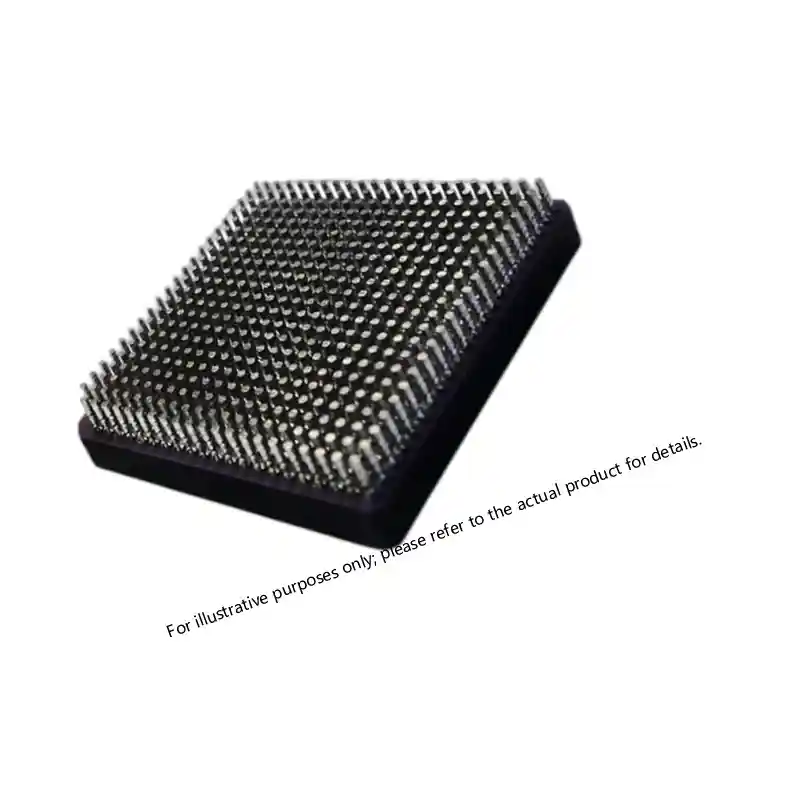
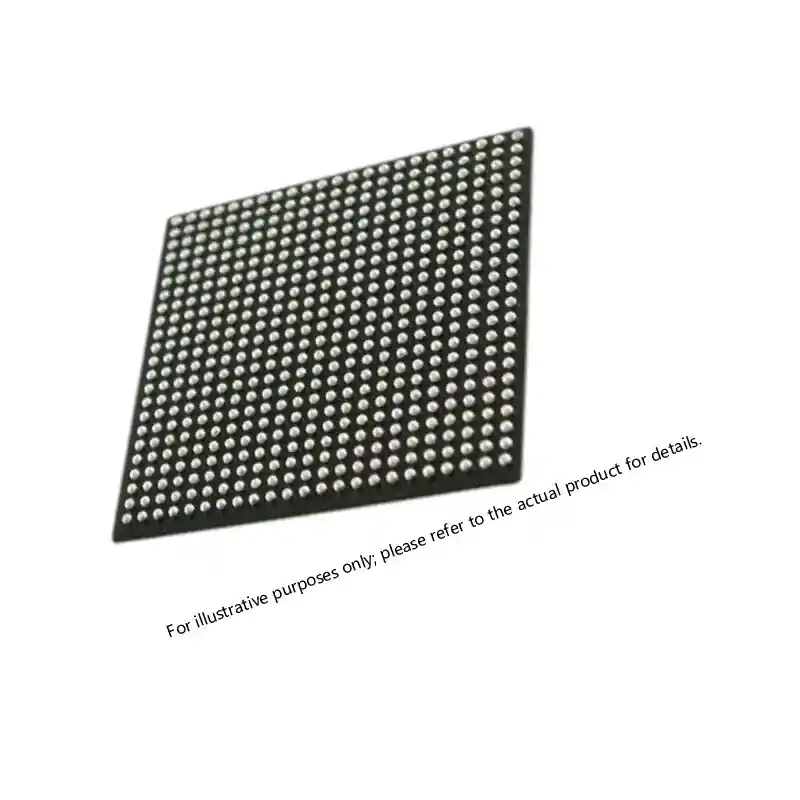
The defense electronics supply chain has experienced a growing volume of counterfeit FPGAs, including remarked, recovered, and clone devices, particularly for popular Spartan series like the XC6SLX and XC7S families. A counterfeit Spartan FPGA can pass initial functional tests but fail later due to degraded bonding wires or incorrect die size, causing field failures that are difficult to diagnose. Visual inspection of part markings, comparison of package dimensions to manufacturer specifications, and X-ray analysis of the internal lead frame are all standard verification steps.
Our sourcing protocol for Xilinx Spartan FPGAs includes procurement from authorized distribution channels only, incoming lot-level inspection using a digital microscope and BGA X-ray machine, and cross-referencing of date codes and trace marks against manufacturer production records. For one customer developing a ground-based surveillance system, we detected a batch of Spartan-6 devices with suspicious lot codes that did not align with the ship date. We rejected the lot and located an alternate batch with full documentation, preventing a potential $200,000 rework cost.
If your next BOM includes Spartan FPGAs with specific date code or temperature grade requirements, send your part list and volume to xuansc2144@gmail.com. We can confirm stock, provide inspection reports, and advise on the best sourcing strategy to stay ahead of lead time constraints.
Lifecycle and Obsolescence Planning for Spartan FPGAs
Spartan-6 devices were introduced in 2009 and remain active, but several speed grades and package options have moved to last-time-buy status. Similarly, certain Spartan-7 configurations may have limited availability as Xilinx transitions to newer platforms. Defense programs with lifetimes of 15 years or more must plan for these transitions early. Three common strategies are: last-time buy of sufficient quantities to support the production run; die banking, where completed wafer lots are stored in a controlled environment for future packaging; and pin-compatible alternate sourcing, where a functionally equivalent device in the same package is qualified as a second source.
We frequently work with system integrators to analyze BOMs and flag at-risk FPGA part numbers. For a naval combat system program, we helped secure a last-time buy of 3,000 Spartan-6 XC6SLX45-3CSG324I devices, achieving a 14-month lead-time reduction by purchasing residual factory stock and pre-inspection inventory. This type of proactive planning avoids costly board respins when a part suddenly becomes unavailable.
Sourcing Spartan FPGAs with Confidence
Defense embedded systems that choose Spartan FPGAs gain a potent cost and flexibility advantage, but that advantage erodes quickly if parts arrive without traceability or if obsolescence catches the program off guard. Sparkle Electronics supplies authentic Xilinx Spartan FPGAs with full lot traceability, Certificate of Conformance, and competitive lead times. Send your part number and quantity to xuansc2144@gmail.com for a detailed quote and availability confirmation.
Common Questions About Spartan FPGAs for Military Use
Can Spartan FPGAs meet military temperature range requirements?
Yes, the extended industrial versions with a -40°C to +100°C rating cover most ground vehicle, shipboard, and airborne platforms. For programs that require the full -55°C to +125°C mil-spec range, additional screening or selection of specifically tested lots may be necessary, and we can help identify parts that have been characterized for those extremes.
Do Spartan FPGAs require QML certification for defense programs?
Not as a universal rule. Many defense contracts accept industrial-grade parts with additional screening, especially when the system is not subject to the most stringent reliability standards. QML certification is essential for space-level and some avionics programs, but for the majority of embedded applications, proper documentation and traceability are sufficient. We always recommend reviewing the specific contract requirements with the prime contractor.
How do I verify the authenticity of a Spartan FPGA?
The three most reliable methods are lot traceability back to the manufacturer, comparison of package markings and dimensions to factory specifications, and X-ray imaging to verify internal lead frame and die placement. We perform all three as part of our incoming inspection. For high-value programs, we also offer decapsulation and die comparison on a sample basis.
What is the typical lead time for Spartan FPGAs in military quantities?
Lead times vary widely by part number and market conditions. Popular Spartan-6 and Spartan-7 devices often have lead times of 16 to 26 weeks, but certain packages or speed grades can extend beyond 40 weeks. We hold buffer stock of frequently requested part numbers and can provide real-time lead-time estimates based on your BOM.
Are Spartan FPGAs suitable for radiation environments?
No. Spartan devices are built on commercial CMOS processes without radiation hardening. For space, high-altitude, or nuclear environments, rad-hard alternatives such as Xilinx Virtex-5QV or Microsemi RTG4 should be used. If your program operates at moderate altitudes or uses shielding, we can help assess whether extended-temperature Spartan parts combined with mitigation techniques might be acceptable. Share your requirements and we will confirm availability and suitability for your specific mission profile.
If you’re interested, check out these related articles:
Virtex-7 690T FPGA: Performance, Packaging, and Reliability Insights
XC7VX485T FPGA: Virtex-7 Performance for Defense
XCKU115 UltraScale FPGA: Powering Critical Defense Systems