XQ17V16CK44M Memory: QML Reliability in CK44 Package
Table of Contents
- What the XQ17V16CK44M Actually Does in an FPGA System
- What QML Qualification Actually Requires
- How the CK44 Package Handles Thermal and Mechanical Stress
- Where This Memory Gets Used in Defense and Aerospace Systems
- Why Supply Chain Verification Cannot Be Skipped
- Frequently Asked Questions
- Connect with Our Specialists
The XQ17V16CK44M stores FPGA configuration bitstreams for systems where failure is not recoverable. Military avionics, satellite payloads, and electronic warfare platforms depend on this 16Mb serial configuration memory because its QML qualification and CK44 ceramic package meet the environmental and reliability thresholds those applications demand. Engineers specifying this part need to understand what the qualification actually guarantees, how the package construction affects thermal and mechanical performance, and where supply chain verification fits into program timelines.
What the XQ17V16CK44M Actually Does in an FPGA System
The XQ17V16CK44M holds the configuration bitstream that an FPGA loads at power-up or reset. Without this memory, the FPGA has no logic to execute. The device is non-volatile, meaning the bitstream persists through power cycles and does not require battery backup. Data transfers occur serially over an SPI interface, which reduces board routing complexity compared to parallel configuration memories. Fewer traces mean fewer opportunities for signal integrity problems on densely populated military electronics boards.
Programming can happen before board assembly using external programmers, or in-system through the SPI lines after the board is populated. In-system programming matters for field updates and for production lines where late-stage configuration changes are common. The 16Mb capacity supports configuration of larger Xilinx FPGAs used in radar signal processing and secure communications, where bitstream sizes have grown with device complexity.
| Feature | Specification | Why It Matters for Defense Applications |
|---|---|---|
| Memory density | 16Mb | Supports configuration of larger FPGAs used in signal processing and communications |
| Interface | SPI serial | Simplifies board routing, reduces pin count, improves signal integrity on dense boards |
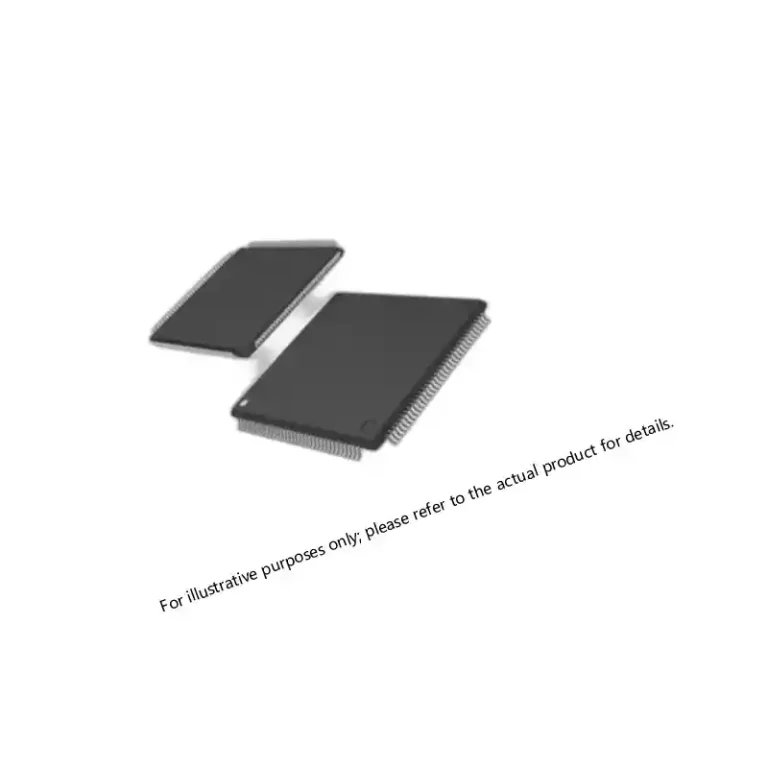
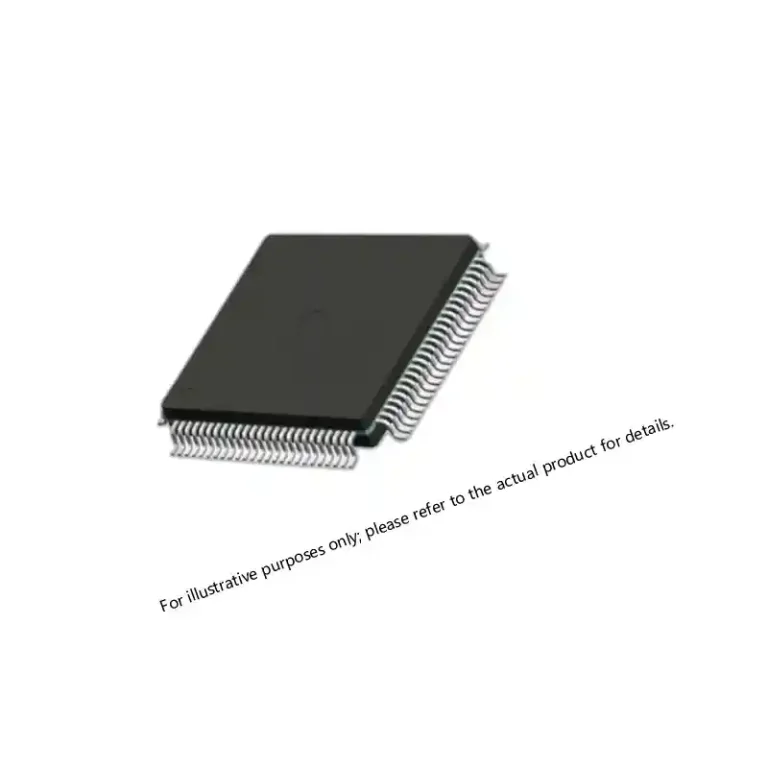
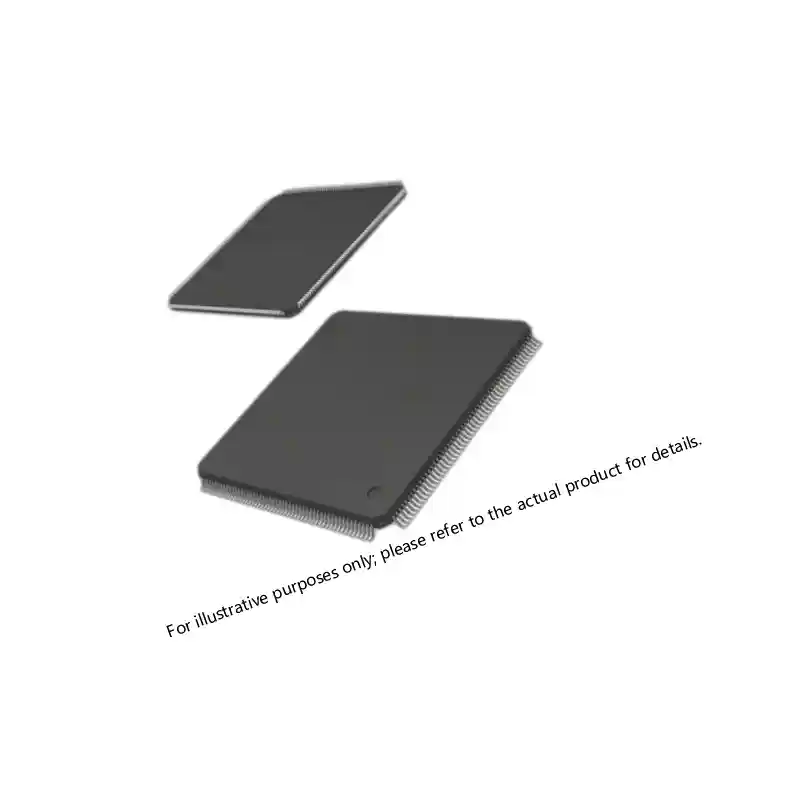
| Package | CK44 ceramic quad flat | Hermetic seal, superior thermal dissipation, mechanical shock resistance |
| Qualification | QML per MIL-PRF-38535 | Verified manufacturing process, extended temperature range, radiation screening |
| Programming | In-system or external | Flexibility for production and field updates |
What QML Qualification Actually Requires
QML status under MIL-PRF-38535 is not a product test result. It is a manufacturing process certification. The Defense Logistics Agency audits the manufacturer’s entire production flow, from wafer fabrication through die attach, wire bonding, package sealing, and final test. The audits verify that process controls, material traceability, and quality management systems meet military requirements. A QML-qualified manufacturer cannot simply test finished parts to specification and ship them. The qualification covers how the parts are made, not just whether they pass final screening.
For the XQ17V16CK44M, QML status means the manufacturing line that produced the device has been verified for military-grade process controls. The device itself then undergoes screening appropriate to its quality level, which may include burn-in, temperature cycling, and radiation lot acceptance testing depending on the specific flow. This layered approach catches process drift and material defects that lot-sample testing alone would miss.
I worked on a satellite communication program where the prime contractor required QML-qualified configuration memory even though commercial-grade parts from the same manufacturer were available at lower cost and shorter lead time. The program manager’s concern was not the parts themselves but the audit trail. If a failure occurred on orbit, the investigation would need to trace the component back through a verified manufacturing process. QML documentation provided that traceability. The parts passed environmental qualification testing without issue, and the program avoided the schedule risk that would have come from qualifying a non-QML alternative.
How the CK44 Package Handles Thermal and Mechanical Stress
Ceramic quad flat packages like the CK44 exist because plastic packages cannot survive the environments military and aerospace systems encounter. The ceramic body provides a hermetic seal that prevents moisture ingress. Moisture inside a package accelerates corrosion and can cause electrical failures when temperature cycling drives condensation onto bond wires or die surfaces. Plastic packages are permeable to moisture over time, which limits their useful life in humid or temperature-cycling environments.
Thermal conductivity matters because the configuration memory dissipates power during read operations, and the package must move that heat to the board. Ceramic conducts heat better than plastic, which allows the device to operate at higher ambient temperatures without exceeding junction temperature limits. The CK44 package supports the extended temperature range operation that military specifications require, typically minus 55 to plus 125 degrees Celsius for full military temperature grade.
Mechanical robustness is the third factor. Vibration and shock loads in aircraft, missiles, and launch vehicles stress solder joints and can crack die or break bond wires. Ceramic packages have higher stiffness and better coefficient of thermal expansion matching to the die than plastic packages, which reduces stress on the internal connections during thermal cycling and mechanical shock.
Where This Memory Gets Used in Defense and Aerospace Systems
Avionics systems use the XQ17V16CK44M to configure FPGAs that handle flight control, navigation, and communication processing. The memory must load the correct bitstream every time the system powers up, regardless of whether the aircraft has been sitting on a cold ramp overnight or has just descended from high altitude. Configuration errors or memory failures in these systems can ground aircraft or compromise mission capability.
Radar and electronic warfare systems depend on reconfigurable logic for waveform generation, signal processing, and threat identification. The FPGAs in these systems often need different configurations for different operational modes, and the configuration memory must store and deliver those bitstreams reliably. Secure boot is a concern in these applications because an adversary who could corrupt the configuration memory could potentially alter system behavior. QML qualification and supply chain traceability help establish that the memory has not been tampered with.
Space applications face radiation exposure that can flip bits in memory or cause latch-up in sensitive circuits. QML qualification for space-grade parts includes radiation lot acceptance testing to verify that devices meet total ionizing dose and single-event effect requirements. The XQ17V16CK44M in a satellite payload must retain its bitstream through years of accumulated radiation dose while surviving the thermal cycling of eclipse transitions.
Why Supply Chain Verification Cannot Be Skipped
Counterfeit components in military systems are not a theoretical risk. Parts have been found in fielded systems that were remarked commercial-grade devices, rejects from other production runs, or outright fakes with no functional die inside. A counterfeit configuration memory might work on the bench but fail under temperature or vibration stress, or it might have reliability characteristics that cause it to wear out years before the system’s intended service life.
Traceability requirements for military programs specify that every component must have documentation linking it back to the original manufacturer through an unbroken chain of custody. Authorized distributors and qualified sources maintain this documentation. Buying from the open market or from brokers without proper traceability creates risk that program managers and quality engineers are not willing to accept.
Obsolescence is the other supply chain concern. Defense programs often have production runs spanning decades, and component manufacturers discontinue parts on much shorter timescales. A configuration memory that is available today may be end-of-life in five years, while the weapon system it supports will be in service for thirty. Long-term procurement strategies, including last-time buys and qualification of alternative parts, require planning that starts well before the obsolescence notice arrives.
If your program is entering production or facing a redesign due to obsolescence, it is worth discussing procurement strategy with a distributor who understands military documentation requirements and can verify traceability back to the manufacturer.
Frequently Asked Questions
What lead times should I expect for XQ17V16CK44M QML-qualified devices?
Lead times vary with manufacturer production schedules and the specific QML flow required. Standard military-grade parts may have lead times of 20 to 40 weeks from the manufacturer. QML Class V (space-grade) parts often run longer because of additional radiation testing and smaller production volumes. Distributor stock can shorten lead times significantly when available, but stock of QML-qualified parts is limited. Contact us for current availability and to discuss buffer stock strategies for your program timeline.
Can I program the XQ17V16CK44M after board assembly, or does it need to be programmed before?
The device supports in-system programming through its SPI interface, so you can program it after board assembly. This capability is useful for production lines where configuration may change between builds, and for field updates where the board cannot be removed from the system. Your board design must provide access to the SPI programming pins, and your programming equipment must support the device. Verify the programming voltage and timing requirements against the datasheet for your specific board design.
How does using QML-qualified configuration memory affect system-level reliability?
QML qualification reduces the probability of infant mortality failures and process-related defects by verifying that the manufacturing line meets military process control standards. The CK44 package adds thermal margin and mechanical robustness that plastic packages cannot provide. Together, these factors reduce the failure rate contribution from the configuration memory, which matters because a configuration memory failure typically means the entire FPGA subsystem is non-functional. For systems where repair is impossible or extremely expensive, such as satellites, the reliability improvement justifies the cost premium over commercial-grade parts.
If you’re interested, check out these related articles:
XCKU085 UltraScale FPGA: Performance for Critical Systems
Virtex-7 690T FPGA: Performance for Mission-Critical Systems
Connect with Our Specialists
Sparkle Electronics supports defense contractors and systems integrators with sourcing, traceability documentation, and obsolescence planning for military-grade components. To discuss requirements for the XQ17V16CK44M or other QML-qualified devices, contact us at xuansc2144@gmail.com.