High-Density Component Solutions for Miniaturized Military Electronics
Table of Contents
- Why High-Density Electronics Matter for Military Miniaturization
- Packaging Technologies Enabling Military Component Density
- Thermal Constraints in High-Density Military Assemblies
- Signal Integrity Challenges at Higher Densities
- Qualification Pathways for High-Density Military Components
- Sourcing High-Density Military Components
- Selecting a Distributor for High-Density Military Components
- Common Questions About High-Density Military Components
- What qualification level do high-density components need for military programs?
- How do thermal limits affect high-density component selection?
- Can commercial high-density components be upscreened for military use?
- What lead times should programs expect for QML high-density components?
- How does obsolescence affect high-density military component programs?
- Industry Standards and Data Sources Cited
Military systems continue to shrink while processing demands increase, creating a fundamental tension that defines modern defense electronics design. Miniaturized platforms including man-portable radios, soldier-worn sensors, and compact UAV payloads require component densities that would have been impossible a decade ago. The challenge is not simply fitting more into less space; it is maintaining the reliability, thermal performance, and qualification standards that military programs demand. Programs that approach miniaturization as a packaging problem rather than a systems engineering challenge routinely encounter thermal failures, signal integrity degradation, and qualification delays that push schedules by quarters, not weeks.
Why High-Density Electronics Matter for Military Miniaturization
The drive toward smaller military platforms creates cascading requirements throughout the component supply chain. A man-portable electronic warfare system that once occupied a vehicle-mounted rack must now fit in a backpack while maintaining equivalent processing capability. This is not a theoretical exercise; programs across NATO and allied nations are actively fielding systems that demand 3x to 5x the functional density of previous-generation equipment.
High-density component integration directly affects three mission-critical parameters. First, reduced size enables deployment on platforms that cannot accommodate legacy form factors, including small unmanned systems, wearable electronics, and space-constrained avionics bays. Second, lower weight improves soldier mobility and extends UAV endurance. Third, shorter interconnect distances can reduce latency in time-critical signal processing chains, though this benefit requires careful design to avoid introducing new signal integrity challenges.
The military specifications governing these components have not relaxed to accommodate miniaturization. MIL-PRF-38535 Class V and Q requirements still apply. Temperature ranges still span minus 55 to plus 125 degrees Celsius. Radiation tolerance requirements for space and high-altitude applications remain unchanged. The components must be smaller and denser while meeting identical qualification standards.
Packaging Technologies Enabling Military Component Density
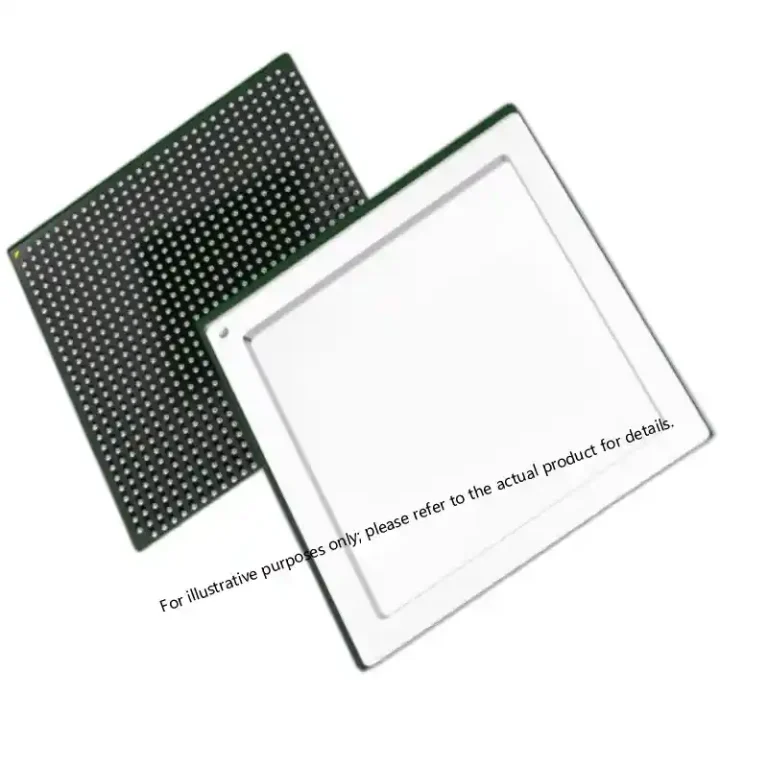
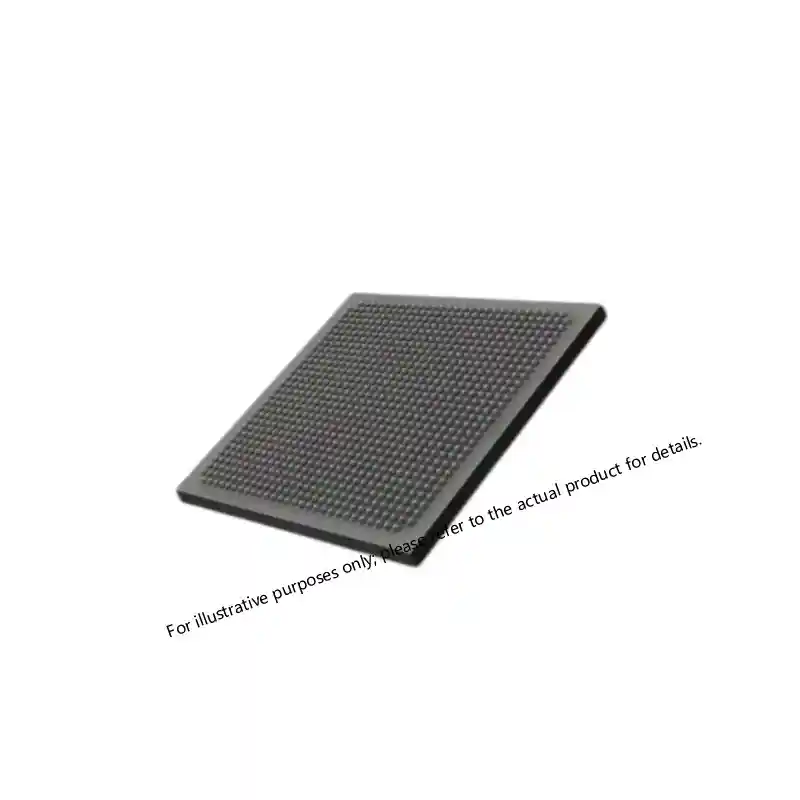
Three packaging approaches dominate high-density military applications, each with distinct tradeoffs that procurement teams must understand before committing to a design direction.
| Packaging Technology | Typical Density Improvement | Qualification Complexity | Lead Time Impact |
|---|---|---|---|
| Multi-Chip Module (MCM) | 2x to 4x vs discrete | High (custom qualification) | 12 to 24 weeks additional |
| System-in-Package (SiP) | 3x to 6x vs discrete | Moderate to High | 8 to 16 weeks additional |
| 3D Stacked IC | 4x to 10x vs discrete | Very High | Program-specific |
| Advanced BGA/CSP | 1.5x to 2x vs legacy packages | Low (standard flows) | Minimal |
Multi-Chip Modules combine multiple die within a single hermetic package, enabling integration of heterogeneous technologies such as GaAs RF front-ends with CMOS digital processing. The qualification burden is substantial because each MCM configuration requires its own qualification flow, but the approach offers proven reliability for programs willing to invest in the upfront engineering.
System-in-Package technology integrates active and passive components within a single package substrate, often including embedded capacitors and inductors that would otherwise consume board area. SiP solutions from manufacturers including Microchip (formerly Microsemi) and Analog Devices have achieved QML qualification for specific configurations, reducing the qualification burden for programs that can use standard offerings.
3D stacking places die vertically with through-silicon vias (TSVs) providing interconnection. This approach offers the highest density potential but introduces thermal management challenges that require careful analysis. Heat generated in lower die must conduct through upper die before reaching the package surface, creating thermal gradients that can affect reliability and timing.
Thermal Constraints in High-Density Military Assemblies
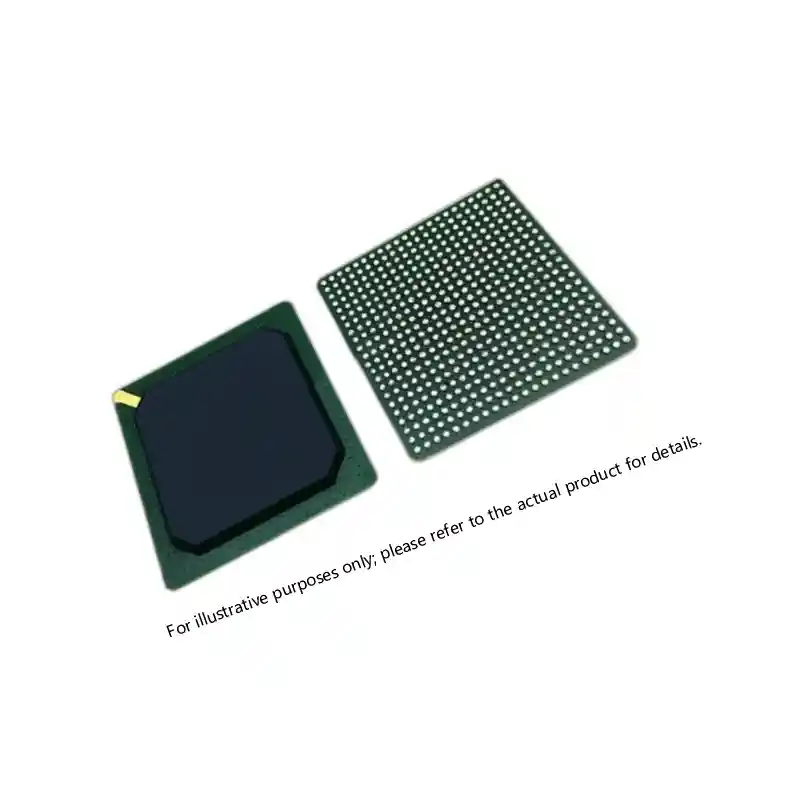
Thermal management becomes the limiting factor in most high-density military designs. The same miniaturization that reduces system volume also reduces the surface area available for heat dissipation. Military operating environments compound this challenge; equipment must function in desert conditions exceeding 50 degrees Celsius ambient while enclosed in housings that limit convective cooling.
The thermal design margin that worked for previous-generation systems disappears quickly as density increases. A component operating at 80 percent of its thermal limit in a legacy design may exceed 100 percent when repackaged at higher density, even with identical power dissipation. Junction temperature directly affects both reliability and timing; FPGA timing closure that passes at 85 degrees junction may fail at 105 degrees.
Effective thermal solutions for high-density military assemblies include thermally enhanced substrates with embedded copper planes, direct die attach to heat spreaders, and phase-change thermal interface materials that maintain performance across the military temperature range. Each approach adds cost and complexity, but programs that defer thermal analysis until integration testing routinely discover problems that require board respins.
Component selection directly affects thermal outcomes. Parts with exposed thermal pads enable more efficient heat extraction than those relying solely on package leads. Die-down BGA configurations place the heat source closer to the board, improving conduction to thermal vias. These considerations should inform component selection during design, not emerge as constraints during qualification.
Signal Integrity Challenges at Higher Densities
Reduced spacing between high-speed signals creates crosstalk and electromagnetic interference that can compromise system performance. A 12-bit ADC operating at 1 GSPS requires careful attention to clock distribution and analog input routing even in conventional designs; at higher densities, the margin for error shrinks proportionally.
The Analog Devices AD9213BBPZ-6G, a 12-bit 6 GSPS ADC, exemplifies both the capability and the challenge. This device enables direct RF sampling that eliminates entire analog signal chains, dramatically reducing system size. However, the 196-ball BGA package requires controlled impedance routing with specific via structures, and the power delivery network must maintain low impedance across a wide frequency range to achieve specified performance.
High-density designs benefit from integrated solutions that move critical interfaces inside the package. The AD9081BBPZ-4D4AC MxFE (mixed-signal front-end) combines four ADCs and four DACs with digital signal processing in a single package, eliminating board-level routing between converter and processor that would otherwise require careful signal integrity management.
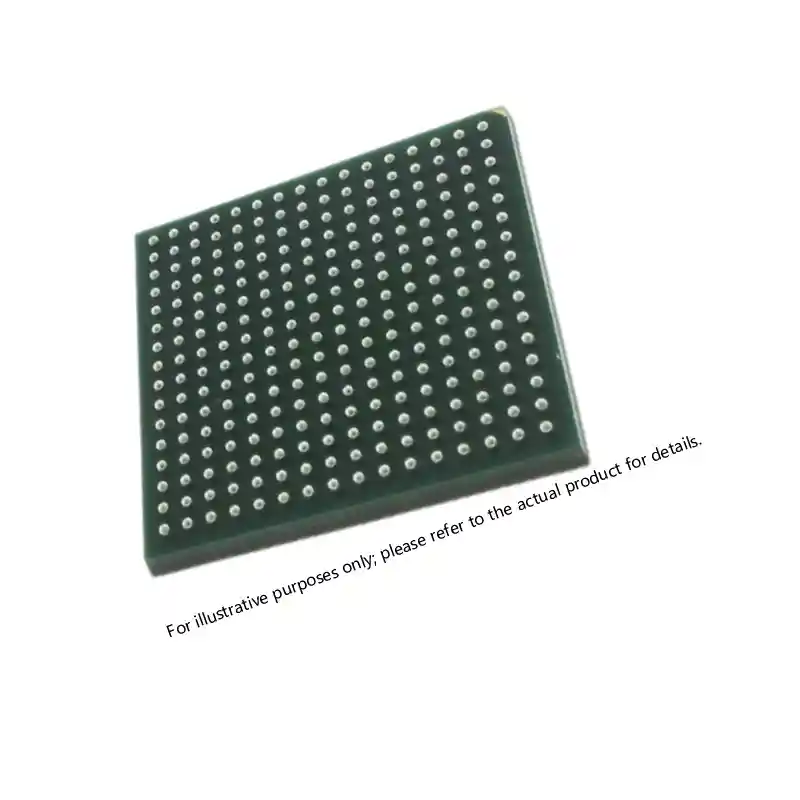
FPGA-based designs face particular challenges as density increases. The Xilinx XC7VX485T Virtex-7 FPGA provides substantial logic capacity in an FFG1761 package, but achieving timing closure requires attention to placement constraints that become more difficult as utilization increases. Programs targeting above 70 percent utilization in high-density assemblies should plan for additional timing closure iterations.
Qualification Pathways for High-Density Military Components
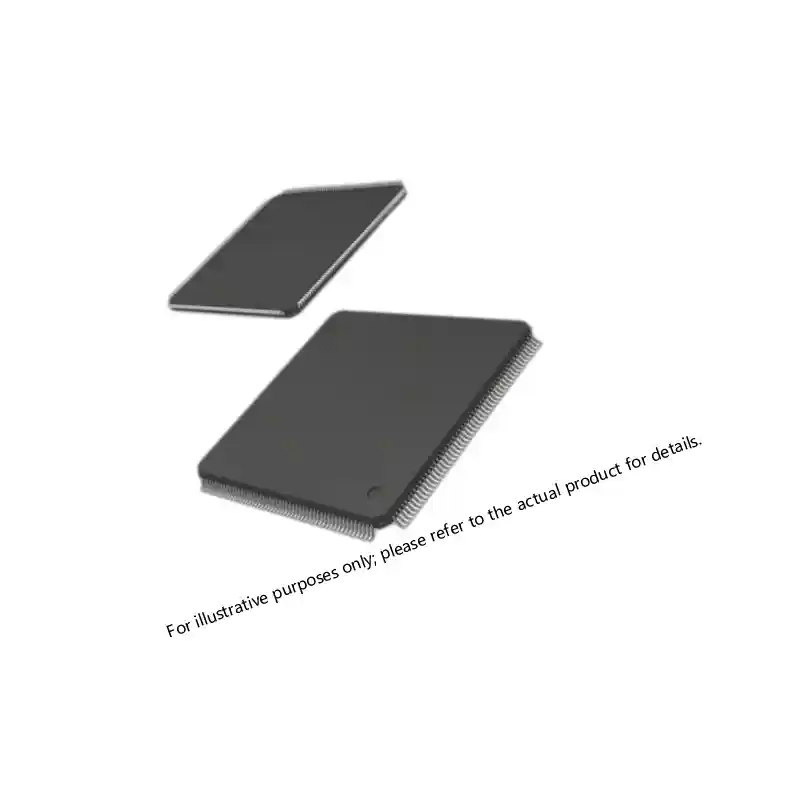
Standard commercial components cannot be used in military applications requiring MIL-PRF-38535 compliance, but the path from commercial technology to qualified military part varies significantly by component type and manufacturer.
QML (Qualified Manufacturers List) devices from established military semiconductor suppliers provide the most straightforward qualification path. Microchip’s ProASIC3 and SmartFusion2 families include QML-qualified options such as the A3PE3000L-1FGG896I that have completed the full qualification flow. Programs using these devices inherit the manufacturer’s qualification data, reducing program-specific testing requirements.
For components without existing military qualification, upscreening provides a path forward with significant limitations. Commercial die can be assembled in hermetic packages and subjected to MIL-STD-883 screening, but this approach does not address die-level reliability concerns and may not satisfy all program requirements. DESC (Defense Electronics Supply Center) drawing parts offer another option, with qualification data maintained by the government.
Radiation-hardened components for space and high-altitude applications require additional qualification beyond standard military flows. Total ionizing dose (TID) and single-event effects (SEE) testing adds both time and cost. The Microchip RTG4 FPGA family and Teledyne e2v high-speed ADCs provide rad-hard options, but lead times extend significantly beyond commercial equivalents.
If your program involves mixed qualification levels across the BOM, confirming the specific qualification status of each high-density component before design commitment avoids late-stage surprises that can delay production.
Sourcing High-Density Military Components
The supply chain for high-density military components operates under constraints that differ fundamentally from commercial electronics. Production volumes are low, design cycles are long, and obsolescence affects programs that may run for decades. These realities shape sourcing strategy in ways that procurement teams must understand.
Lead times for QML-qualified high-density components routinely exceed 26 weeks for standard orders, with some specialized devices requiring 52 weeks or more. Programs that treat military component procurement like commercial purchasing discover this reality too late to avoid schedule impact. Effective sourcing requires visibility into manufacturer production schedules and relationships with distributors who maintain strategic inventory.
Counterfeit risk increases with component value and scarcity, and high-density military components represent both. Authentication testing per AS6171 should be standard practice for any high-value military component, particularly when sourcing from the secondary market. X-ray inspection, decapsulation, and electrical testing can identify remarked or refurbished parts that would otherwise enter the supply chain.
Obsolescence management for high-density components requires proactive monitoring. Manufacturers provide end-of-life notifications, but the practical window for last-time buys is often shorter than program timelines suggest. Die banking and wafer banking offer options for programs with sufficient volume and planning horizon, but these approaches require upfront investment and storage arrangements.
Selecting a Distributor for High-Density Military Components
The distributor relationship matters more for high-density military components than for commodity parts. Technical support, inventory depth, and documentation capabilities directly affect program outcomes.
Distributors serving the military market should hold AS9120 certification for aerospace quality management and demonstrate compliance with AS6081 for counterfeit avoidance. These certifications indicate systematic processes rather than ad-hoc practices. ITAR registration is mandatory for distributors handling controlled items, and DFARS compliance affects eligibility for DoD-funded programs.
Inventory visibility distinguishes distributors who can support urgent requirements from those who simply broker transactions. A distributor maintaining stock of 500-plus military-grade part numbers can respond to AOG (aircraft on ground) and urgent program needs that would otherwise require factory lead times. This capability has tangible value when a qualification build depends on component availability.
Documentation support extends beyond providing datasheets. Military programs require Certificates of Conformance, test reports, and traceability documentation that link specific lot codes to qualification data. Distributors experienced in military programs understand these requirements and maintain the records necessary to satisfy them.
Sparkle Electronics maintains relationships with defense contractors across 30-plus countries, supporting programs that require authentic, traceable military-grade components with complete documentation. For high-density component requirements where lead time, authenticity, and documentation matter, reach out at xuansc2144@gmail.com with your part numbers and quantities for availability and pricing.
Common Questions About High-Density Military Components
What qualification level do high-density components need for military programs?
The required qualification level depends on the specific program and application. Space and strategic systems typically require MIL-PRF-38535 Class V (space level), while tactical ground systems may accept Class Q or Class H. The program’s Statement of Work and applicable specifications define requirements; assuming a lower qualification level to reduce cost or lead time creates compliance risk that surfaces during government acceptance testing. If your program documentation is ambiguous on qualification requirements, clarifying with the contracting officer before component selection prevents rework.
How do thermal limits affect high-density component selection?
Junction temperature limits constrain both reliability and performance in high-density assemblies. Most military-grade semiconductors specify operation to 125 degrees Celsius junction temperature, but achieving this limit requires thermal design that accounts for reduced heat spreading in dense assemblies. Derating practices that worked for previous-generation designs may prove insufficient; thermal simulation using actual package thermal resistance values, not generic estimates, identifies problems before hardware. Programs routinely underestimate thermal challenges in high-density designs by assuming legacy margins still apply.
Can commercial high-density components be upscreened for military use?
Upscreening provides a path to military temperature range and screening levels, but it does not create a fully qualified military part. The process involves additional testing and potentially repackaging in hermetic housings, adding cost and lead time while leaving die-level reliability questions unaddressed. Some programs accept upscreened parts for specific applications; others prohibit them entirely. Understanding your program’s position on upscreening before proposing it avoids wasted effort on solutions that will not be approved.
What lead times should programs expect for QML high-density components?
Standard lead times for QML-qualified high-density components range from 26 to 52 weeks depending on device complexity and manufacturer loading. Specialized radiation-hardened devices and custom MCM configurations can extend beyond 52 weeks. Programs that require shorter lead times should work with distributors who maintain strategic inventory or consider die banking for production quantities. Planning procurement 12 to 18 months ahead of need is standard practice for programs that cannot accept schedule risk from component availability.
How does obsolescence affect high-density military component programs?
High-density components face accelerated obsolescence because the advanced process nodes enabling density improvements have shorter commercial lifecycles. A leading-edge FPGA may see end-of-life notification within 7 to 10 years of introduction, while the military program using it may run for 20 years or more. Proactive obsolescence monitoring, last-time buy planning, and design approaches that enable technology refresh without complete redesign mitigate this risk. Share your program timeline and critical part numbers, and we can assess obsolescence exposure and discuss mitigation options.
Industry Standards and Data Sources Cited
Defense Logistics Agency — MIL-PRF-38535 General Specification for Integrated Circuits, 2023
SAE International — AS6081 Counterfeit Electronic Parts Avoidance, 2023
SAE International — AS9120 Quality Management Systems for Aviation Distributors, 2023
If you’re interested, check out these related articles:
Virtex-7 XC7VX690T: Performance, Reliability, and Integration
XC7VX485T Virtex-7 FPGA: Performance and Sourcing for Defense
A1020B-PG84B ACT2 FPGA: Specs, Sourcing, and Availability
Virtex-7 XC7VX690T: Performance and Reliability Insights
XC7VX485T FPGA: Virtex-7 Performance for Defense