Electronic Components for Man-Portable Military Electronics Systems
Table of Contents
- Why Man-Portable Systems Require Specialized Component Selection
- How Temperature Extremes Affect Component Reliability in Field Conditions
- What Shock and Vibration Standards Apply to Handheld Military Equipment
- Which Component Categories Present the Greatest Sourcing Challenges
- How Power Management Affects Battery Life and Thermal Performance
- What Documentation and Traceability Requirements Apply to Man-Portable Systems
- When Should Programs Consider Die Banking for Long-Duration Support
- Connecting Component Selection to Program Success
- Common Questions About Components for Man-Portable Military Systems
- What temperature range should components support for man-portable applications?
- How do SWaP-C requirements affect component selection for handheld systems?
- What screening levels are appropriate for man-portable military electronics?
- Can commercial components be upscreened for military man-portable applications?
- How do lead times for military-grade components affect program schedules?
- Industry Standards and Data Sources Cited
Man-portable military electronics demand components that survive extreme field conditions while delivering reliable performance in the hands of dismounted soldiers. From handheld radios and GPS receivers to portable electronic warfare systems and targeting devices, these systems face unique constraints that commercial components cannot meet. Selecting the right electronic components for man-portable military electronics requires balancing weight, power consumption, thermal management, and ruggedization against mission-critical reliability requirements. Programs that underestimate these interdependencies often discover problems during environmental qualification testing, when redesign costs multiply and schedule delays cascade through production timelines.
Why Man-Portable Systems Require Specialized Component Selection
Man-portable military electronics operate in conditions that expose every component to simultaneous stressors rarely encountered in fixed installations or vehicle-mounted systems. A soldier carrying a tactical radio through desert terrain subjects that equipment to temperature extremes from below freezing at night to over 50°C during midday operations, combined with sand, dust, shock from movement, and humidity variations that can swing dramatically within hours.
The weight constraint fundamentally shapes component selection. Every gram matters when a soldier carries equipment across difficult terrain for extended periods. This drives demand for high-density packaging solutions, including System-in-Package (SiP) configurations and Multi-Chip Modules (MCMs) that consolidate multiple functions into smaller footprints. The tradeoff appears immediately: higher integration density typically means more complex thermal management requirements and reduced options for field-level repair.
Power consumption directly affects mission duration. Battery weight constitutes a significant portion of a soldier’s load, and extending operational time without adding batteries requires components specifically designed for low-power operation. Military-grade low-power ICs rated for extended temperature ranges command premium pricing, but the alternative, carrying additional batteries, imposes its own weight penalty and logistical burden.
| Parameter | Man-Portable Requirement | Vehicle-Mounted Equivalent |
|---|---|---|
| Operating Temperature | -40°C to +85°C typical | -40°C to +71°C typical |
| Shock Resistance | 40g, 11ms half-sine | 20g, 11ms half-sine |
| Weight Sensitivity | Critical (gram-level) | Moderate (kilogram-level) |
| Power Budget | Milliwatts to low watts | Watts to hundreds of watts |
| Repair Philosophy | Unit replacement | Board-level repair possible |
How Temperature Extremes Affect Component Reliability in Field Conditions
Temperature cycling represents one of the most demanding stressors for man-portable electronics. Unlike vehicle-mounted systems that benefit from thermal mass and climate control, handheld devices experience rapid temperature transitions when moved between environments. A radio carried from an air-conditioned command post into direct sunlight can experience a 40°C temperature swing within minutes.
This thermal cycling accelerates fatigue mechanisms in solder joints, wire bonds, and die attach materials. Components rated only for commercial temperature ranges (-0°C to +70°C) fail prematurely under these conditions, often through intermittent connection failures that prove difficult to diagnose in the field. Industrial temperature range components (-40°C to +85°C) provide better margins, but mission-critical applications typically require full military temperature range (-55°C to +125°C) qualification to ensure adequate design margin.
The junction temperature inside active components exceeds ambient temperature by an amount determined by power dissipation and thermal resistance. In a man-portable device with limited heat sinking capability, this thermal rise can push junction temperatures toward maximum ratings even when ambient conditions seem moderate. I have observed programs where thermal analysis during design review showed adequate margin, but prototype testing revealed hot spots caused by component placement decisions that blocked natural convection paths.
Derating practices become essential for man-portable applications. Operating components at 80% or less of their maximum rated temperature significantly extends reliability. For a component rated to +125°C junction temperature, this means designing for a maximum of +100°C under worst-case conditions, a constraint that often requires selecting higher-grade components than initial cost estimates assumed.
What Shock and Vibration Standards Apply to Handheld Military Equipment
MIL-STD-810 defines the environmental test methods applicable to man-portable military electronics, with specific test procedures for shock, vibration, and combined environments. The shock requirements for handheld equipment typically specify 40g peak acceleration with an 11-millisecond half-sine pulse duration, simulating drops and rough handling during field operations.
Vibration requirements depend on the anticipated operational environment. Equipment carried by dismounted soldiers experiences different vibration profiles than equipment mounted on vehicles or aircraft. The random vibration spectrum for man-portable equipment typically emphasizes lower frequencies associated with human movement and handling, rather than the higher-frequency content characteristic of engine-driven platforms.
Component-level qualification to MIL-STD-883 provides assurance that individual parts can survive these mechanical stresses. Test Method 2002 covers mechanical shock testing for microcircuits, while Test Method 2007 addresses vibration testing. Components passing these tests at the appropriate condition levels provide confidence in system-level performance, though system integration can introduce additional stress concentrations at mounting points and interconnections.
The practical challenge lies in maintaining electrical performance during and after mechanical stress. Solder joint integrity, wire bond reliability, and die attach adhesion all affect whether a component continues functioning after repeated shocks. Ceramic packages generally outperform plastic packages under mechanical stress, explaining their continued use in high-reliability applications despite higher cost and longer lead times.
Which Component Categories Present the Greatest Sourcing Challenges
FPGAs and high-speed data converters consistently present the most difficult sourcing challenges for man-portable military electronics programs. These components combine high complexity with relatively low production volumes for military-grade variants, creating supply chain vulnerabilities that require proactive management.
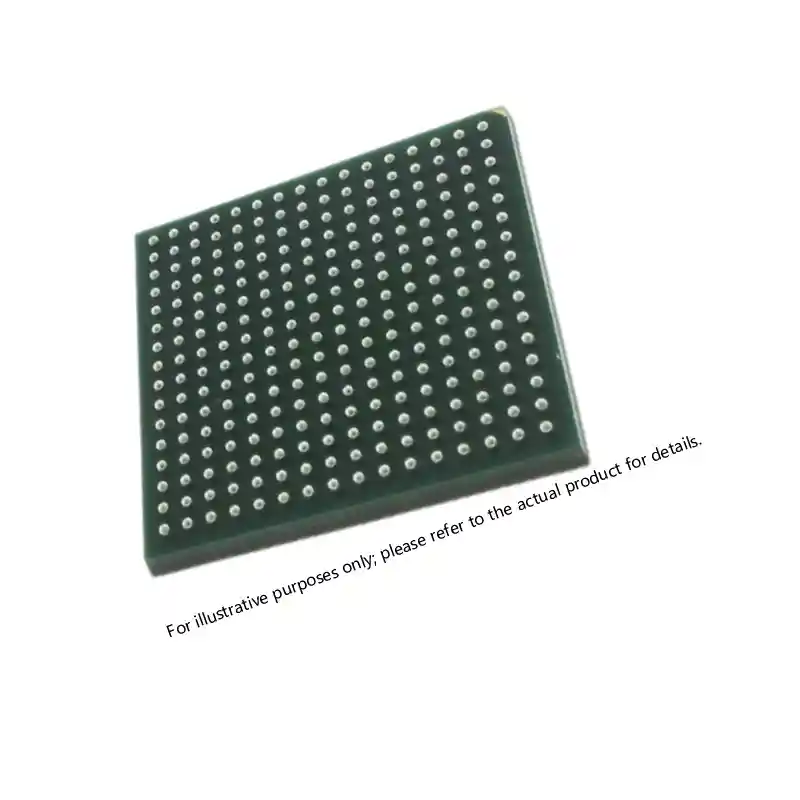
Military-grade FPGAs from manufacturers like Xilinx (now AMD) and Microsemi (now Microchip) face extended lead times, often exceeding 52 weeks for certain package and speed grade combinations. The Virtex-7 XC7VX690T and similar high-density devices used in signal processing applications require careful lifecycle planning because production quantities cannot respond quickly to demand spikes.
| Component Category | Typical Lead Time | Lifecycle Risk | Sourcing Complexity |
|---|---|---|---|
| Military FPGAs | 26-52+ weeks | High | Very High |
| High-Speed ADCs | 20-40 weeks | Moderate | High |
| MIL-SPEC Memory | 16-30 weeks | Moderate | Moderate |
| Power Modules | 12-26 weeks | Low | Moderate |
| Passive Components | 8-16 weeks | Low | Low |
High-speed ADC and DAC components present similar challenges. Devices like the AD9680 series from Analog Devices, widely used in software-defined radio and electronic warfare applications, require qualification to extended temperature ranges that limit available inventory. The intersection of high sample rates, military temperature range, and specific package requirements often narrows sourcing options to single-source situations.
Memory components for man-portable applications must balance density requirements against radiation tolerance and temperature range specifications. SRAM devices for cache and buffer applications, Flash memory for program storage, and SDRAM for data processing all require careful selection to ensure compatibility with the target operating environment.
How Power Management Affects Battery Life and Thermal Performance
Power management architecture directly determines both battery life and thermal behavior in man-portable electronics. The relationship between these parameters creates design tradeoffs that component selection must address. Lower power consumption extends battery life but may require accepting reduced processing capability or slower data rates. Higher performance typically demands more power, generating heat that must be dissipated through limited thermal paths.
Modern military-grade power management ICs offer features specifically addressing man-portable requirements. Dynamic voltage and frequency scaling allows processors to reduce power consumption during periods of reduced activity. Power sequencing controllers ensure proper startup and shutdown behavior, preventing damage from voltage transients during battery insertion or removal.
DC-DC converter efficiency becomes critical when every milliwatt matters. A converter operating at 85% efficiency wastes 15% of input power as heat, power that both shortens battery life and creates thermal management challenges. High-efficiency converters operating above 90% efficiency reduce both problems simultaneously, though they typically require more careful layout and may have narrower input voltage ranges.
The choice between linear regulators and switching regulators involves tradeoffs specific to each application. Linear regulators offer lower noise and simpler implementation but waste power proportional to the voltage drop across them. Switching regulators achieve higher efficiency but introduce switching noise that can affect sensitive analog circuits. Man-portable radios often use both types: switching regulators for high-current digital supplies where efficiency matters most, and linear regulators for low-noise analog supplies where signal integrity takes priority.
What Documentation and Traceability Requirements Apply to Man-Portable Systems
Defense procurement regulations impose documentation and traceability requirements that affect component sourcing decisions throughout the supply chain. DFARS 252.225-7014 requires preference for domestic specialty metals in certain applications, while DFARS 252.246-7007 mandates contractor counterfeit electronic part detection and avoidance systems.
Traceability documentation must establish an unbroken chain of custody from the original component manufacturer through all intermediate handlers to the end user. This documentation typically includes:
- Original manufacturer’s certificate of conformance
- Lot date codes and serialization where applicable
- Test reports for screening and qualification testing
- Handling and storage records demonstrating proper environmental controls
- Chain of custody documentation for each transfer
AS6081 and AS6496 standards define requirements for counterfeit part avoidance that distributors must implement. These standards specify inspection, testing, and documentation procedures that provide assurance of component authenticity. Working with distributors certified to these standards reduces program risk, though it does not eliminate the need for incoming inspection at the system integrator level.
The cost of inadequate documentation becomes apparent during qualification testing or, worse, during field failures. A component failure traced to a counterfeit part can invalidate an entire production lot, requiring costly rework and schedule delays. Programs that invest in robust supply chain controls upfront avoid these downstream costs.
When Should Programs Consider Die Banking for Long-Duration Support
Die banking provides a lifecycle management strategy for man-portable electronics programs expecting production and sustainment periods extending beyond normal component availability windows. By purchasing bare die or wafers before a component reaches end-of-life, programs secure supply for future production and repair needs.
The decision to establish a die bank involves balancing several factors. The cost of purchasing and storing die must be weighed against the cost and risk of redesigning around an obsolete component. Storage costs include not only physical space but also the specialized environmental controls required to maintain die integrity over extended periods. Nitrogen-purged, temperature-controlled storage prevents oxidation and moisture absorption that could compromise die reliability.
For FPGAs and other complex programmable devices, die banking preserves the ability to manufacture exact replacements for fielded systems. A man-portable radio using a specific FPGA configuration cannot simply substitute a different device without extensive requalification. The die bank ensures that replacement units match the original design exactly, maintaining configuration control throughout the system lifecycle.
The economics favor die banking when component redesign costs exceed storage and procurement costs, typically for high-value components used in systems with long production runs and extended sustainment periods. Programs should evaluate die banking options when components enter product change notifications or when manufacturers announce end-of-life schedules.
If your program involves man-portable systems with multi-year production horizons, confirming component lifecycle status and die banking options before finalizing your BOM prevents costly surprises during production.
Connecting Component Selection to Program Success
Man-portable military electronics programs succeed or fail based on decisions made during component selection. The constraints of weight, power, temperature, and mechanical stress leave little margin for error. Components that meet specifications on paper but lack the pedigree and traceability required for defense applications create risks that compound through production and sustainment.
Sparkle Electronics maintains inventory of military-grade FPGAs, high-speed data converters, power management ICs, and memory devices specifically suited for man-portable applications. Our technical team understands the interdependencies between component selection and system performance, helping programs identify potential issues before they affect schedules or budgets.
For programs requiring specific temperature grades, screening levels, or package configurations, share your requirements with our team at xuansc2144@gmail.com. We can confirm availability, provide documentation packages, and coordinate testing services to support your qualification timeline.
Common Questions About Components for Man-Portable Military Systems
What temperature range should components support for man-portable applications?
Most man-portable military electronics require components rated for at least the industrial temperature range of -40°C to +85°C, with many programs specifying full military temperature range of -55°C to +125°C for critical functions. The appropriate range depends on the specific operational environment and the thermal rise expected inside the enclosure during operation. Junction temperatures inside active components can exceed ambient by 20°C to 40°C depending on power dissipation and thermal design, so adequate margin above the maximum expected ambient temperature is essential. If your system operates in extreme environments or has limited thermal management capability, confirming component temperature ratings against your thermal analysis results prevents qualification failures.
How do SWaP-C requirements affect component selection for handheld systems?
Size, Weight, Power, and Cost (SWaP-C) constraints drive component selection toward higher integration density and lower power consumption, often at the expense of other parameters. Smaller packages reduce board area but may limit thermal dissipation capability. Lower power components extend battery life but may offer reduced performance or fewer features. The tradeoffs require careful analysis against actual mission requirements rather than maximum specifications. Programs that optimize for one SWaP-C parameter without considering the others often encounter problems during integration or qualification testing.
What screening levels are appropriate for man-portable military electronics?
MIL-PRF-38535 Class Q (QML-Q) provides the standard screening level for most man-portable military applications, including temperature cycling, burn-in, and electrical testing at temperature extremes. Class V (QML-V) adds additional screening and provides higher reliability assurance for the most critical applications. The appropriate level depends on the consequences of component failure and the availability of redundancy in the system design. Single-point failures in life-critical functions typically warrant Class V components, while less critical functions may accept Class Q or equivalent commercial screening.
Can commercial components be upscreened for military man-portable applications?
Upscreening commercial components to military specifications is possible but carries limitations and risks. The process involves subjecting commercial parts to military screening tests, but it cannot change the underlying design or materials. Components not designed for extended temperature ranges may pass initial screening but exhibit reduced reliability over time. Upscreening also does not provide the same documentation and traceability as purpose-built military components. Programs considering upscreening should evaluate the total cost including testing, documentation, and potential reliability impacts against the cost of specifying military-grade components from the start. If your program timeline requires upscreening as a bridge solution, confirming the specific tests and acceptance criteria with your quality organization before procurement avoids rejected lots.
How do lead times for military-grade components affect program schedules?
Military-grade component lead times typically range from 20 to 52 weeks for complex devices like FPGAs and high-speed data converters, compared to 8 to 16 weeks for commercial equivalents. These extended lead times require procurement planning to begin much earlier in the program lifecycle than commercial programs typically assume. Programs that wait until detailed design completion to place component orders often face schedule delays that ripple through integration and qualification phases. Early engagement with component distributors to confirm availability and reserve allocation helps protect program schedules against supply chain disruptions.
Industry Standards and Data Sources Cited
MIL-PRF-38535 — General Specification for Integrated Circuits Manufacturing, 2023
MIL-STD-883 — Test Method Standard for Microcircuits, 2023
MIL-STD-810 — Environmental Engineering Considerations and Laboratory Tests, 2019
SAE AS6081 — Counterfeit Electronic Parts; Avoidance, Detection, Mitigation, and Disposition, 2023
If you’re interested, check out these related articles:
Virtex-7 690T FPGA: Performance for Mission-Critical Systems
Virtex-7 690T FPGA: Performance, Packaging, and Reliability Insights
XCKU085 UltraScale FPGA: Performance for Critical Systems
XC7VX485T FPGA: Virtex-7 Performance for Defense
UltraScale KU085 FPGA Specifications for Defense Systems