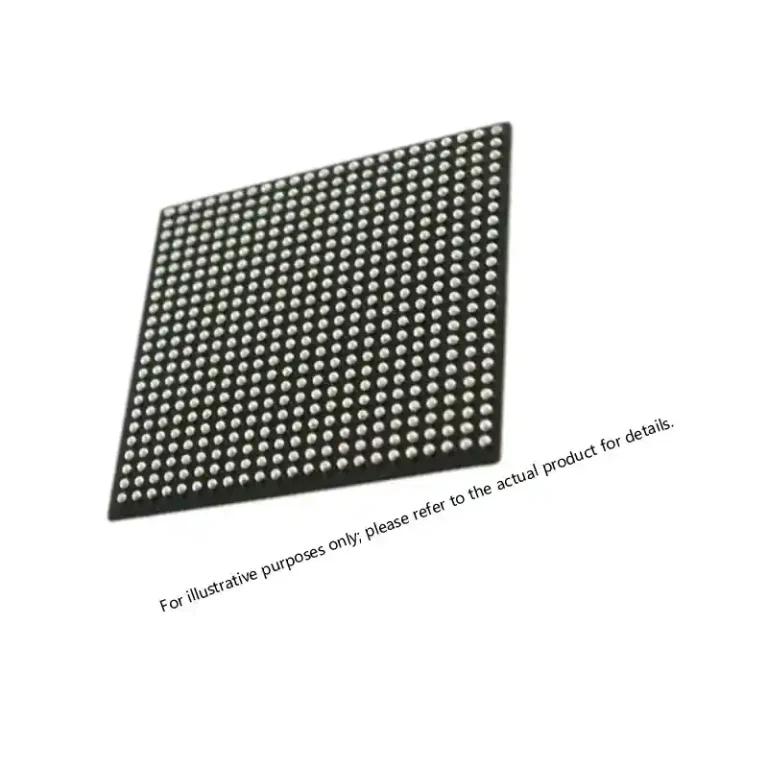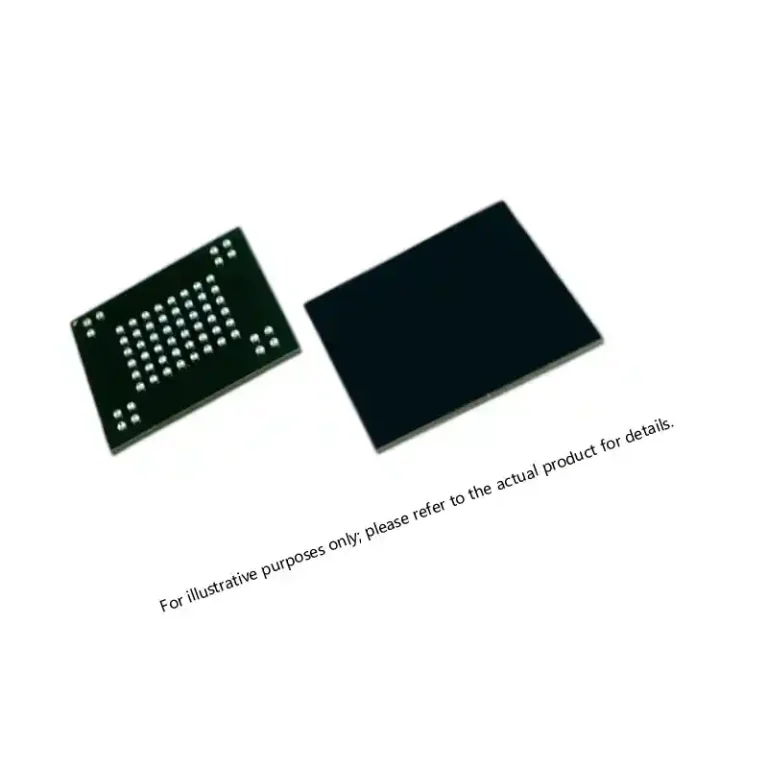
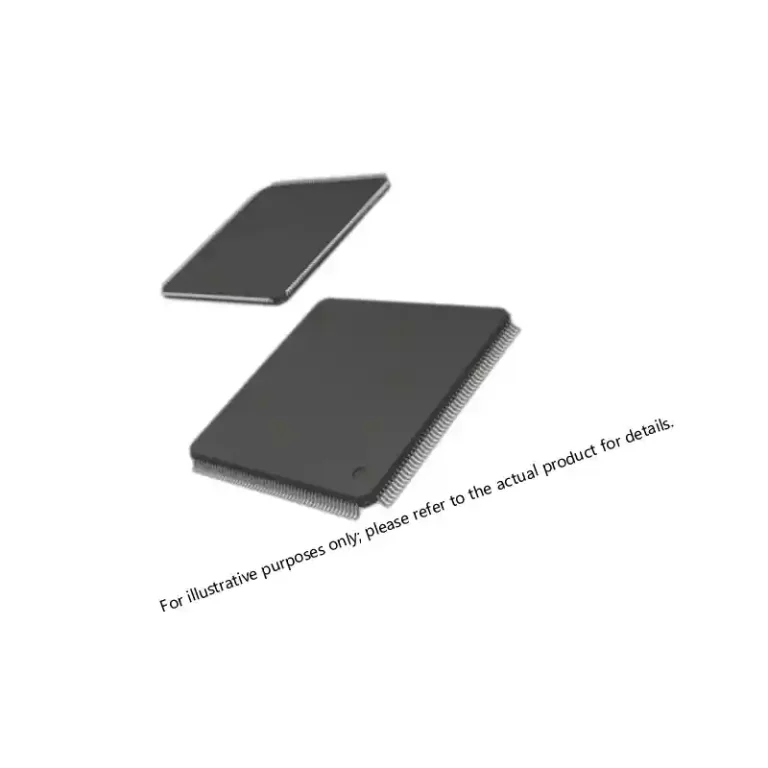
MIL-SPEC Packaging Requirements for Electronic Components
Table of Contents
When a $3,000 QML-V FPGA arrives at receiving with a punctured moisture barrier bag and a blue humidity indicator card that turned pink weeks ago, the program manager’s first question is never about the component itself — it is about whether the packaging failure voided the certification. I have watched this exact scenario play out at three different defense contractors over the past decade, and in every case the component was technically fine but the paperwork and packaging chain was broken, which meant the part could not be accepted into stores without a full re-screen. Packaging is the first line of evidence that a military electronic component has been handled correctly from the manufacturer’s cleanroom to your stockroom, and it deserves the same attention as the part number and date code.
Most procurement specifications spend pages on electrical parameters and a single line on packaging: “per MIL-STD-2073.” That single line carries more requirements than many buyers realize, and misunderstanding it creates two problems — accepting noncompliant shipments without knowing it, or rejecting compliant shipments because a well-meaning inspector applied a commercial standard. Either outcome costs time and money.
What MIL-SPEC Packaging Actually Requires
MIL-STD-2073-1E / MIL-STD-2073-2E define the Department of Defense standard practices for military packaging, and for electronic components the governing document is usually the specific MIL-PRF or MIL-DTL specification called out in the contract. The packaging requirements flow down from the end-use environment: a component destined for a shipboard system in a salt-fog environment needs different barrier protection than one going into a climate-controlled integration lab, and the packaging method code on the contract data requirements list encodes that distinction.
| Packaging Level | Environmental Protection | Common Application |
|---|---|---|
| Method 10 | Basic sealed wrap with desiccant | Benign lab environments |
| Method 41 | Sealed bag with desiccant and HIC | Standard military storage |
| Method 50 | Vacuum-sealed with nitrogen backfill | Long-term program storage |
| Method 51 | Hermetically sealed container | Extreme humidity or salt-fog |
The three most common failure points I see at incoming inspection are: missing or expired humidity indicator cards, heat-seal voids on moisture barrier bags where the seal width drops below the 6 mm minimum, and desiccant pouches that were not activated before bag sealing. None of these are subtle — they are visible in under 30 seconds with a calibrated eye and a ruler. But they only get caught if someone is looking for them.
How to Verify Packaging Before Accepting a Shipment
Inspection of incoming MIL-SPEC packaging is not a suggestion tucked into an appendix of AS9100. It is a required receiving activity, and skipping it means you have accepted a nonconforming product regardless of what the component looks like inside. The verification sequence matters because opening one layer of packaging before checking the previous layer destroys the evidence chain.
Check the outer container first: any crush damage, water staining, or tampering voids the pack and should trigger a nonconformance report before you open anything. Next, verify the MIL-STD-129 label data against the packing slip — NSN, contract number, quantity, and date code. A mismatch here is more common than many buyers expect, especially on partial shipments where warehouse staff split cases manually.
Once you open the outer container, inspect the moisture barrier bag or sealed tray immediately. The heat seal around the perimeter must be continuous with no channels, wrinkles, or voids, and the minimum seal width measured from the bag edge should meet the 6 mm spec. If the bag is transparent, check that the desiccant pouches are still sealed and that the humidity indicator card shows the correct dry color. A card that reads above 30% RH at the indicating dots means the bag seal failed or the desiccant was exhausted — either way, the component should not be accepted into dry storage without investigation.
If your program uses nitrogen backfill, the verification step is different. A soft bag that collapses against the tray when squeezed gently suggests the nitrogen charge is gone. The only way to confirm backfill integrity without opening is a residual gas analyzer or an oxygen sensor probe, and for high-value QML devices we recommend that as a documented receiving step. Opening a nitrogen-purged bag to “check the component” and then re-sealing it is not the same as maintaining the original pack — the rework must be documented separately and the new seal date becomes the start of the recertified shelf life.
Common Packaging Failures That Affect Component Acceptance
Three failure modes appear repeatedly in defense electronics supply chains, and every one is preventable with clear receiving procedures. The first is condensation inside a sealed bag. This happens when a shipment moves from a cold warehouse or aircraft hold into a warm receiving area without enough dwell time for temperature stabilization before the bag is opened. The fix is procedural, not technical: add a mandatory stabilization period to the receiving work instruction — typically 6 to 12 hours depending on the thermal mass of the shipment.
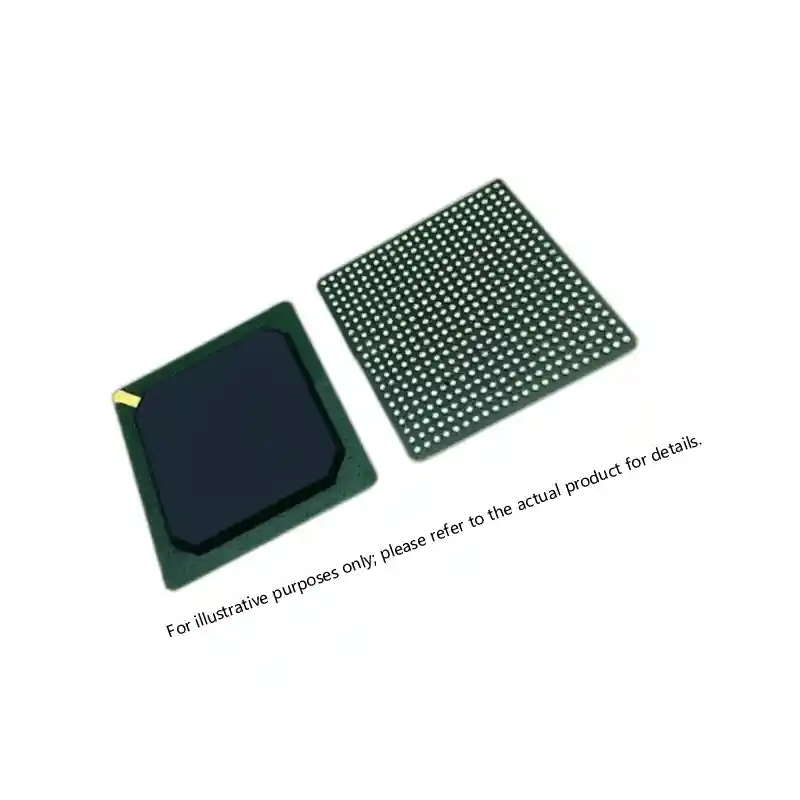
The second failure mode is desiccant saturation. Desiccant pouches in MIL-SPEC packaging are sized to maintain the internal humidity below the level that would damage the component, but they have a finite capacity. When a bag seal develops a pinhole during transit — from vibration against a sharp tray edge, for example — outside air leaks in and the desiccant saturates. The humidity indicator card catches this, but only if the inspector reads it against the acceptance criteria on the card itself, not against a remembered threshold from a different specification.
The third failure is less obvious: electrostatic discharge protective packaging that was opened and reclosed with standard office tape. ESD bags and moisture barrier bags rely on a continuous Faraday cage effect, and a gap in the closure breaks that shield. If a shipment arrives with a bag that appears to have been opened and resealed without proper heat-sealing equipment, trace the chain of custody before accepting it. I have seen this at consolidation warehouses where a box was opened for a visual count and closed again with packing tape — the components inside looked fine but the ESD integrity was gone.
Packaging Documentation Requirements for Defense Contractors
Every MIL-SPEC packaged shipment must be accompanied by a packaging certification statement that references the applicable method code and the date the package was sealed. This is separate from the certificate of conformance for the component itself, and both documents must be retained for the life of the program plus the records retention period specified in the contract. A common gap in smaller defense contractors is having a component CoC on file but no packaging certification — during a DCAA audit or a customer source inspection, that gap will be flagged.
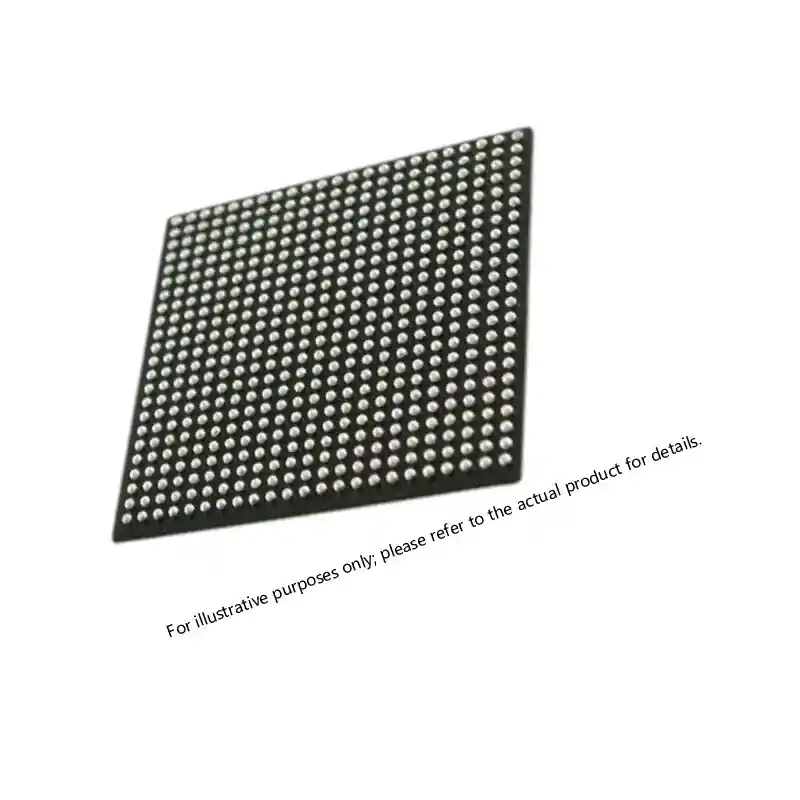
The packaging certification should include the batch or lot number of the desiccant and humidity indicator card if those are considered shelf-life-limited items in their own right. For long-duration programs that store components for years before kitting, the packaging shelf life may expire before the component shelf life, and the documentation tells you when to repack. MIL-PRF-81705 barrier materials typically carry a 12-month shelf life from the seal date, after which the component should be inspected and repackaged with fresh desiccant and a new HIC.
For programs that ship between facilities or to integration partners, the outbound packaging documentation becomes part of the shipping paperwork. If a component was originally packaged under Method 50 with nitrogen backfill and your facility opens it for inspection, the repackaging cannot claim the original Method 50 unless you have the equipment to verify and restore the nitrogen atmosphere. Most contractors downgrade the repack to Method 41 and document the change on the packaging certification.
If your program involves transferring components between locations with different humidity or temperature profiles, it is worth confirming the appropriate packaging method for each leg of the journey before shipping — reach out at xuansc2144@gmail.com and we can review the packaging method code that matches your specific storage and transit conditions.
Common Questions About Military Component Packaging
The humidity indicator card shows 20% RH, which is below the 30% maximum, but one dot is slightly darker than the others. Is this still acceptable?
The acceptance criterion on most 3-dot HICs is that the indicating dot must match the dry color printed on the card at or below the specified threshold. If the 30% dot has begun to darken but has not fully transitioned, and the 20% and 10% dots remain dry, the bag interior has been exposed to moisture above the 10-20% range but has not exceeded 30%. The conservative approach — and the one I recommend for QML and hi-rel devices — is to reject the pack and request a repack. The specification allows the QA manager to accept based on a risk assessment, but for flight hardware I have never seen a program take that risk.
Can a component with an expired packaging date still be used if the component date code is still valid?
If the packaging date has expired, the component must be reinspected before acceptance. The reinspection should include a visual examination of the leads and body for any corrosion or oxidation that may have started if the barrier protection degraded. The desiccant and HIC should be replaced, and the component should be repackaged with a new seal date. The original component date code does not change, but the packaging certification is reissued. Document the repackaging event in the component’s traceability record.
Why does MIL-SPEC packaging cost more than commercial ESD packaging for what looks like the same bag?
A MIL-PRF-81705 barrier bag is not the same as a commercial ESD bag even if both are silver and heat-sealable. The military bag is tested for moisture vapor transmission rate, puncture resistance, and heat-seal strength against the performance thresholds in the specification. The raw material lot must be traceable to the bag manufacturer, and the bag itself carries a date code. Commercial ESD bags are not tested to the same moisture barrier standard and do not carry the same documentation. Using one in place of the other works until an audit finds it — and then every component packed in that noncompliant bag becomes suspect.
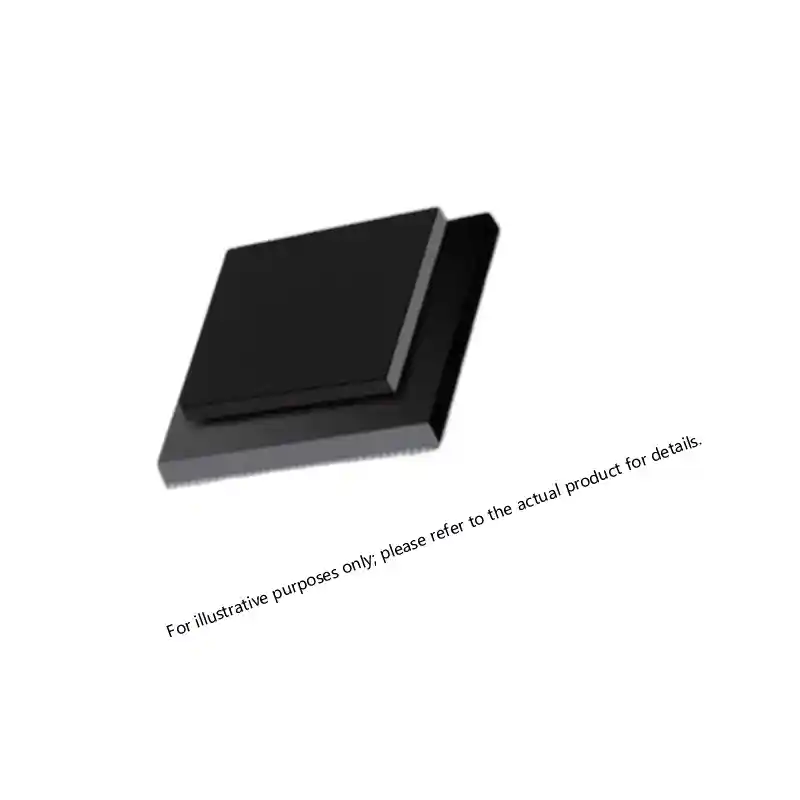
We receive components in JEDEC trays inside a sealed moisture barrier bag. Do the trays themselves need to meet a MIL-SPEC standard?
JEDEC trays are acceptable for MIL-SPEC packaging as long as they meet the static-dissipative or conductive requirements of the component’s handling specification. The tray material should be compatible with the component’s lead finish and rated for the temperature range the component may experience during storage and transit. For gold-plated leads on ceramic packages — common on QML devices — verify that the tray material does not contain halogens or other compounds that can corrode gold surfaces over extended storage. This is a detail most packaging specifications omit, but for programs storing components for five years or more, I have seen tray-related lead discoloration cause acceptance delays.
Are foam inserts allowed inside MIL-SPEC packaging for vibration protection?
Yes, but the foam must be anti-static or static-dissipative and must not outgas volatile compounds that could condense on component leads. Polyurethane foam without an anti-static coating creates triboelectric charges during vibration and can generate enough voltage to damage sensitive devices even inside a sealed bag. The foam supplier should provide certification that the material meets the surface resistivity requirements of the component’s ESD sensitivity classification. For long-term storage, specify closed-cell foam — open-cell foam absorbs moisture over time and retains it against the component surface, which is precisely what the moisture barrier bag is designed to prevent. If your program uses foam inserts in sealed packs for extended storage, share your requirements at xuansc2144@gmail.com and we can confirm the foam specification is compatible with your packaging method.
If you’re interested, check out these related articles:
Virtex-7 XC7VX690T: Performance, Reliability, and Integration
XC7VX485T FPGA: Virtex-7 Performance for Defense
A1020B-PG84B ACT2 FPGA: Specs, Sourcing, and Availability
Virtex-7 690T FPGA: Performance, Packaging, and Reliability Insights