
Effective Military Component Quote Comparison Strategies
Table of Contents
- Why Military Component Sourcing Differs from Commercial Procurement
- What Distributor Qualification Actually Requires
- How to Read a Military Component Quote
- Where Counterfeit Risk and Traceability Failures Occur
- What Strategic Distributor Partnerships Deliver
- Frequently Asked Questions About Military Component Procurement
Procuring military-grade electronic components requires an approach that goes well beyond standard commercial sourcing. Effective military component quote comparison strategies are not simply about finding the lowest price. They are about confirming authenticity, meeting compliance requirements, and maintaining supply chain integrity for mission-critical applications. Working in defense electronics supply chains has taught me that a thorough evaluation process is necessary to manage risk and ensure performance.
Why Military Component Sourcing Differs from Commercial Procurement
Defense and aerospace sectors face constraints that make military component sourcing far more complex than commercial purchasing. Commercial markets often prioritize rapid innovation and cost efficiency. Military applications demand reliability, longevity, and strict adherence to specifications. Components must survive extreme environmental conditions, sometimes for decades, and perform without failure in high-stakes scenarios.
This reality requires familiarity with standards like MIL-SPEC, which defines requirements for military hardware. Defense supply chains also deal with long product lifecycles, which frequently create obsolescence challenges for specific parts. Geopolitical factors and export control regulations (ITAR and EAR among them) add legal and logistical complexity to every transaction. These sourcing challenges mean that any quote comparison must look past unit cost and examine total cost of ownership alongside the risks each potential supplier brings.
What Distributor Qualification Actually Requires
Evaluating potential distributors for military components calls for a structured framework that goes beyond price comparisons. We assess qualifications, adherence to quality standards, and capacity to meet defense project demands. I start by verifying authorization status directly with manufacturers. An authorized distributor maintains a direct supply chain, which significantly reduces counterfeit risk. Authorized distributors also typically provide better access to technical support and manufacturer warranties, both valuable for complex military-grade electronics.
Quality assurance standards require equal scrutiny. Certifications like AS9120 and ISO 9001 demonstrate commitment to quality management systems. For high-reliability components, distributors should show experience with MIL-SPEC, 5962-series, JANTX/JANTXV, and QML-qualified devices. SPARKLE ELECTRONICS CO., LIMITED operates as a program support partner, which means we understand the documentation and compliance demands from the start.
Distributor Qualification Factors for Military Components
| Factor | Description | Importance |
|---|---|---|
| Authorization Status | Direct relationship with original component manufacturers, verified through official channels | Critical for counterfeit prevention and warranty access |
| Quality Certifications | AS9120, ISO 9001, and demonstrated experience with MIL-SPEC and QML-qualified devices | Essential for meeting defense quality requirements |
| Traceability Capability | Full chain of custody documentation from manufacturer to delivery | Required for compliance and authenticity verification |
| Technical Support | Access to engineering resources and design-in assistance | Valuable for complex component selection |
| Compliance Infrastructure | Established processes for ITAR/EAR handling and documentation | Non-negotiable for controlled items |
How to Read a Military Component Quote
A military component quote contains more than prices. It represents commitments, risks, and value propositions that require careful analysis. When applying effective military component quote comparison strategies, I advise clients to examine several elements beyond immediate cost.
Lead Times and Availability: Long lead times are common in defense, but discrepancies between quotes can indicate different sourcing channels or inventory positions. Verify stated lead times against project timelines before committing.
Terms and Conditions: Payment terms, cancellation policies, and return authorizations deserve close attention. These affect project flexibility and financial exposure in ways that unit price does not capture.
Hidden Costs: Freight, insurance, testing fees, and documentation charges (Certificates of Conformance, ITAR compliance paperwork) may not appear in the unit price. Confirm that all potential costs are transparently detailed.
Value-Added Services: Some distributors offer obsolescence management, testing coordination, or design-in support. These may increase upfront cost but can deliver substantial long-term savings and risk reduction.
Compliance Documentation: Confirm that the quote includes provisions for all necessary compliance documentation, including Certificates of Origin, ITAR/EAR statements, and full traceability records.
One project illustrates why this matters. A client initially favored a lower-priced quote for a critical FPGA. Deeper analysis revealed that the cheaper option lacked guaranteed long-term support and included vague language about traceability. The slightly higher quote from an authorized distributor explicitly offered a 10-year supply commitment and full component traceability to the original manufacturer. Selecting the authorized source, despite the initial cost difference, prevented potential redesigns and costly delays later in the program.
Where Counterfeit Risk and Traceability Failures Occur
Military system integrity depends on the authenticity and traceability of every component. Counterfeit risk persists throughout defense supply chains, demanding robust mitigation strategies. My team prioritizes distributors who provide a complete chain of custody from the original component manufacturer to our facility. This means requiring full documentation, including manufacturer certificates and test reports for every batch.
Obsolescence management presents another challenge. Defense programs often extend beyond component production lifecycles. Components can become obsolete long before a system reaches the end of its operational life. Effective military component quote comparison strategies should evaluate a distributor’s ability to provide long-term supply solutions: last-time buy notifications, life cycle management services, and access to alternative qualified components. We work with our global network to source hi-rel components and maintain continuity for hard-to-find parts.
Export control regulations remain non-negotiable. Any quote must explicitly confirm ITAR and EAR compliance and outline procedures for handling controlled items. Failure to adhere to these regulations can result in severe penalties and jeopardize entire programs. SPARKLE ELECTRONICS CO., LIMITED provides authentic, traceable supply and ensures all transactions meet international and domestic compliance requirements.
What Strategic Distributor Partnerships Deliver
Moving from transactional purchasing to long-term relationships is central to effective military component quote comparison strategies. A strategic partnership with a distributor offers more than component supply. It provides a stable foundation for defense programs. These relationships depend on trust, transparency, and shared understanding of mission-critical requirements.
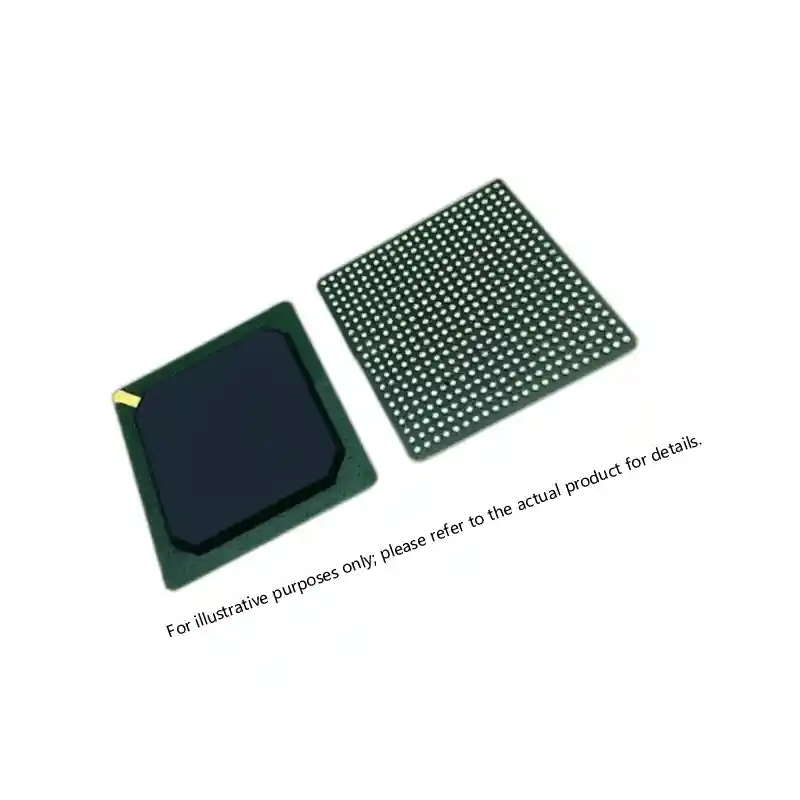
Strategic partnerships deliver specific advantages:
Proactive obsolescence management means partners provide early warnings and solutions for end-of-life components, preventing costly redesigns. Access to technical expertise includes design-in services and technical support for selecting the right components for complex applications like FPGA, DSP, or high-speed ADC/DAC. Guaranteed inventory availability through long-term agreements ensures preferential access to critical stock, mitigating lead time fluctuations. Streamlined procurement processes result from established relationships that enable more efficient communication, faster quote turnaround, and reduced administrative burden. Enhanced supply chain resilience comes from partners with diverse sourcing capabilities and robust logistics who can navigate global disruptions and maintain consistent supply.
We function as an extension of your procurement team, understanding program-specific needs and providing tailored solutions. If your program involves long-lifecycle components or controlled items, it is worth discussing supply continuity and compliance infrastructure before committing to a supplier.
Frequently Asked Questions About Military Component Procurement
How do I identify an authorized military component distributor?
Verify distributors by checking official certifications, direct relationships with manufacturers, and industry reputation. Authorized distributors provide full traceability documentation, confirming authenticity of military-grade electronics and compliance with defense standards. Request proof of their direct supply chain before proceeding.
Can I rely solely on price when comparing military component quotes?
Price alone is an unreliable basis for military component decisions. Component traceability, quality assurance, lead times, and distributor compliance records matter more. A lower price may indicate compromised quality or authenticity, which can jeopardize project integrity and long-term system reliability.
What are the risks of sourcing military components from unauthorized channels?
Unauthorized channels carry significant risks: counterfeit components, lack of traceability, and non-compliance with MIL-SPEC standards. These can cause critical system failures, legal exposure, and severe project delays, undermining defense supply chain integrity.
How important are lead times in military component procurement?
Lead times are critical because defense project cycles are often long and unpredictable. Extended or unreliable lead times cause project delays, budget overruns, and operational disruptions. Lead time management is a key factor in successful program execution.
What documentation is required for military component procurement?
Required documentation typically includes Certificates of Conformance, traceability records (batch and lot numbers), manufacturer data sheets, test reports, and compliance statements for ITAR/EAR. These documents confirm authenticity, quality, and legal adherence. To discuss specific documentation requirements for your program, contact SPARKLE ELECTRONICS CO., LIMITED at xuansc2144@gmail.com.
If you’re interested, check out these related articles:
UltraScale KU085 FPGA Specifications for Defense Systems
Virtex-7 690T FPGA: Performance for Mission-Critical Systems
A1020B-PG84B ACT2 FPGA: Specs, Sourcing, and Availability
XCKU085 UltraScale FPGA: Performance for Critical Systems