
Defense IC Security Design: A Component Selection Guide
Table of Contents
- What Does Security by Design Mean for Defense IC Procurement
- Selecting Components with Built-In Security Features
- Supply Chain Architecture and Trusted Distribution
- Verification Practices That Sustain Security Integrity
- Lifecycle Considerations for Long-Duration Defense Programs
- Integrating Security Requirements into the Procurement Workflow
- Common Questions About Military Component Security Design
- Is a QML-certified part automatically secure from a supply chain perspective?
- How do I verify that a distributor’s inventory has been stored correctly for our program?
- Can we rely on flash-based FPGAs alone to meet hardware security requirements?
- What is the single most common security failure in defense component procurement?
- When is third-party authentication testing warranted for our program?
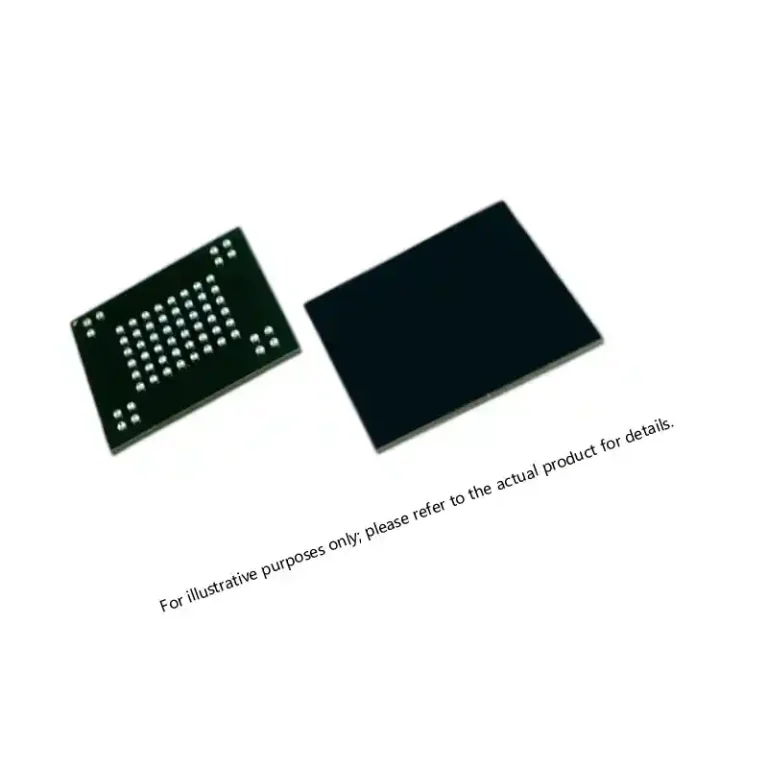
Building security into military electronics begins long before the first line of code is written or the first enclosure is sealed. It starts at the component selection phase, where decisions about individual integrated circuits, passives, and interconnection elements determine the hardware trust foundation for the entire system. I have seen programs where a single unverified FPGA in the bill of materials introduced a supply chain vulnerability that took months to detect. Designing security into defense electronics is not a post-assembly audit activity; it is a procurement discipline that integrates component screening, source vetting, and lifecycle traceability directly into the engineering bill of materials. The goal is straightforward: eliminate the conditions that allow counterfeit, tampered, or out-of-specification parts to reach the assembly line in the first place.
What Does Security by Design Mean for Defense IC Procurement
Security by design is not a single standard but a framework that shifts security verification to the earliest stages of component selection. In practical terms, it means evaluating an IC not only for electrical performance and radiation tolerance but also for the integrity of its design pedigree, the transparency of its manufacturing chain, and the verifiability of its documentation. Defense programs often focus on MIL-SPEC qualification levels such as 5962-series parts or QML Class V devices, but those ratings address reliability under environmental stress, not necessarily hardware trust. A part can pass every electrical screening test in MIL-STD-883 and still contain malicious modifications if it was procured through an untrusted channel. Security by design closes that gap by requiring that the component itself has been designed, fabricated, and distributed under auditable security controls.
For procurement professionals, this introduces a second axis of evaluation. Traditional qualification asks whether a part meets form, fit, and function requirements. Security by design asks whether the supply chain that delivered the part can prove it has not been altered between wafer fabrication and final delivery. The two axes are not in competition; they are complementary. A defense electronic system that fails either one is not fit for deployment.
Selecting Components with Built-In Security Features
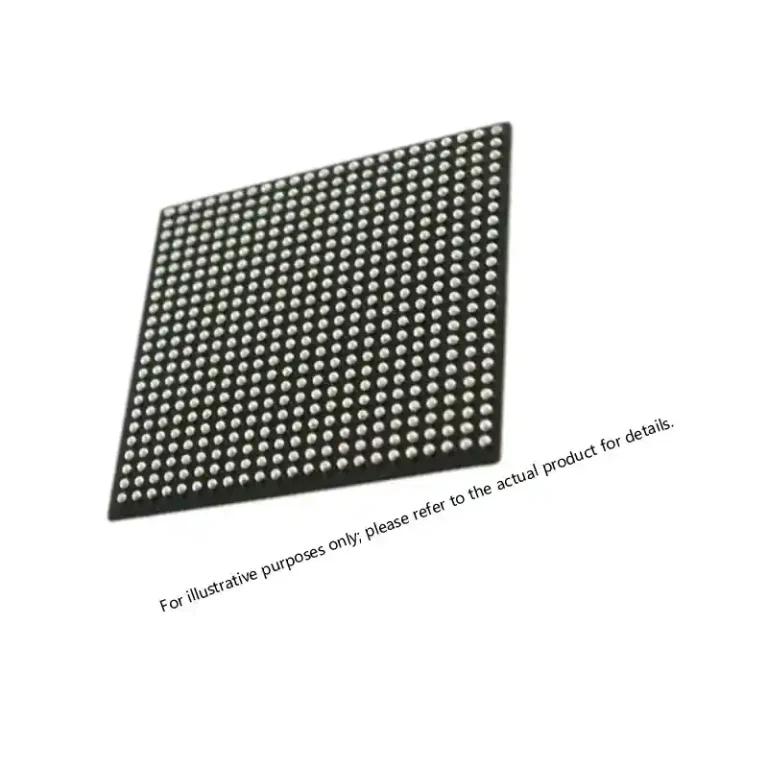
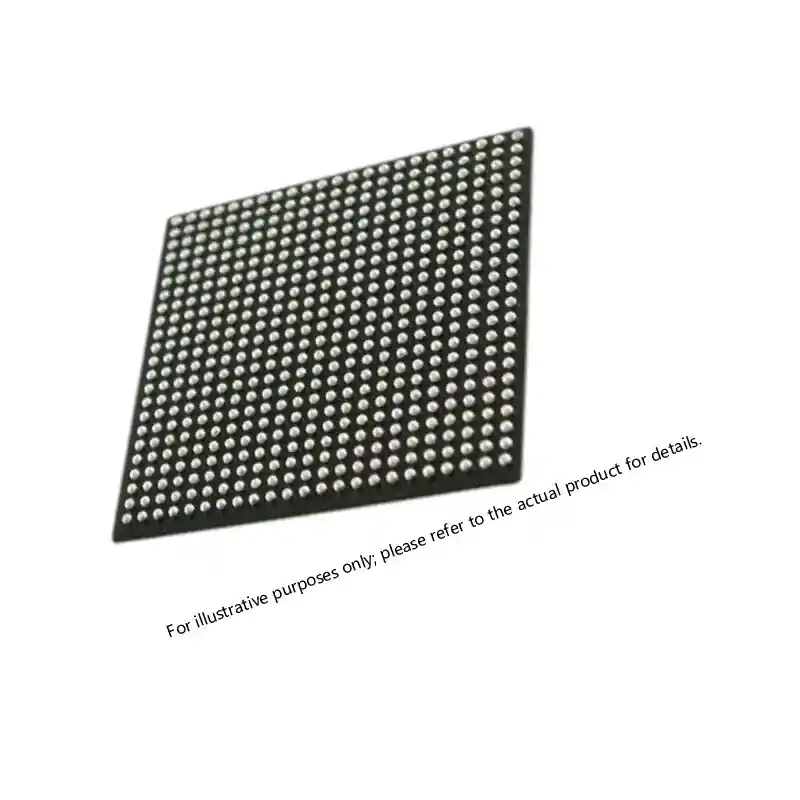
Not all components offer equal security posture, even when they meet the same performance specifications. Several manufacturers now include hardware security features that should be weighted in the selection process. Field-programmable gate arrays from Microchip (formerly Actel), for example, have long used flash-based configuration cells and secure programming bitstream encryption that resists tampering at the physical level. Devices like the ProASIC3, SmartFusion2, and PolarFire families are built on non-volatile architectures that eliminate the external configuration memory attack surface common in SRAM-based FPGAs. When I evaluate an FPGA for a defense signal processing chain, the presence of an on-chip secure key storage and a physically unclonable function is as important as the logic density.
High-speed data converters from Analog Devices and Texas Instruments also increasingly include digital interface security and authentication engines. The AD9680 family of analog-to-digital converters, for instance, supports JESD204B serial interfaces that can be configured with lane encryption to protect sample data integrity. While not all defense applications require sample-level encryption, the availability of these features in the component library means the design team can select parts that enable future security enhancements without redesigning the board.
Processors and microcontrollers present another surface. Devices qualified to the Trusted Foundry Program or fabricated at DMEA-accredited lines provide a documented chain of custody from silicon fabrication to packaging. When selecting a DSP like the TMS320C6678 or an embedded processor such as the MPC8640D, confirming the wafer fabrication location and the test facility accreditation is not a paperwork exercise. It is a direct input to the system security assessment.
Supply Chain Architecture and Trusted Distribution
Even the most secure component cannot remain secure if the distribution channel introduces counterfeit risk. I have worked with small defense contractors who assume that any component with a military part number is automatically authentic. That assumption collapses when the distributor cannot produce a certificate of conformance traceable to the original manufacturer or Authorized Aftermarket Manufacturer. The distribution network itself must be treated as part of the security boundary.
At Sparkle Electronics, we maintain a sourcing model that emphasizes direct relationships with original manufacturers and their authorized channels for MIL-SPEC inventory. When a part like the Axcelerator AX2000-FG896M or the Rad-Tolerant A3PE3000L FPGA is required, we verify lot codes, date codes, and wafer fab locations before placing the component into our certified storage. Every part number that ships to a defense program is accompanied by full traceability documentation that remains accessible for the life of the program. This level of diligence is not an added service; it is the only way to ensure that the security properties designed into the component survive the trip from manufacturer to integration site.
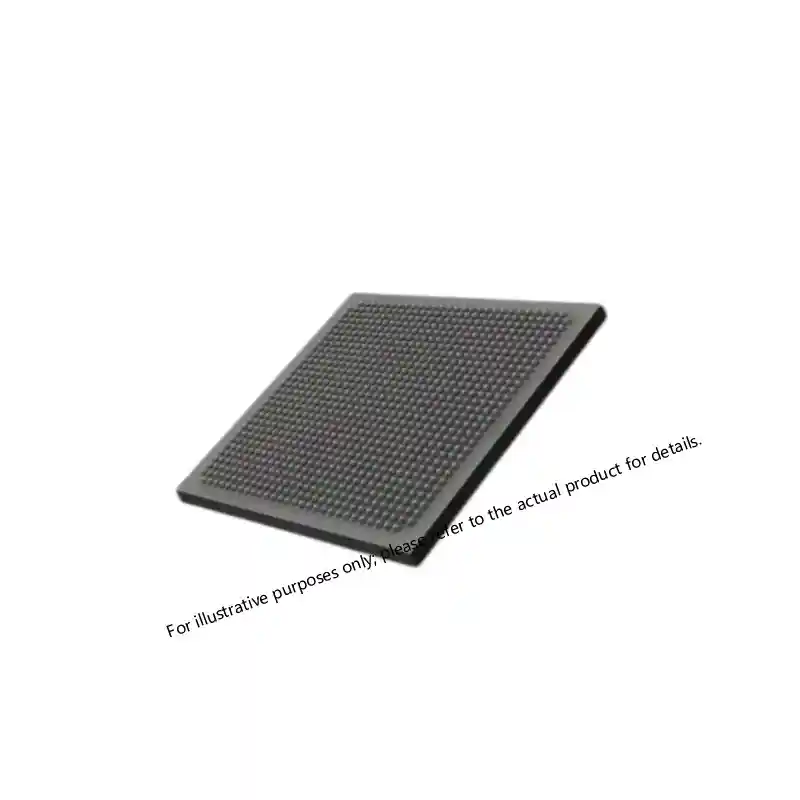
For procurement teams, an effective supply chain security architecture means qualifying distributors to the same standard as the components they supply. AS6081 certification for distributors is a baseline. Beyond that, look for documented incoming inspection procedures, electrostatic discharge management practices, and a demonstrated ability to preserve component serialization across the supply chain. A distributor that cannot tell you where a specific lot of JANTXV diodes has been stored for the past six months is not a partner for a mission-critical platform.
Verification Practices That Sustain Security Integrity
After component selection and source qualification, the final link in the security by design chain is the verification step that confirms the part you received is the part you ordered. Visual inspection under magnification may catch gross counterfeits, but sophisticated relabeled parts or recycled components with falsified date codes require deeper methods. X-ray inspection to compare die size and lead frame geometry against reference images, decapsulation followed by die marking verification, and electrical curve tracing against the manufacturer’s golden unit data are all necessary for high-risk part numbers.
I recommend that defense programs maintain a risk-tiered approach. For commercial-off-the-shelf components used in non-critical subsystems, standard incoming visual inspection and continuity testing may be sufficient. For any part that sits in the security critical path—FPGAs, processors, memory devices that store security parameters, or converters that digitize sensor data—the verification protocol should include sample-based destructive testing on a per-lot basis. At Sparkle Electronics, we coordinate independent metrology and testing services for such parts when program requirements exceed standard distributor quality assurance, ensuring that verification costs do not translate into schedule delays.
Lifecycle Considerations for Long-Duration Defense Programs
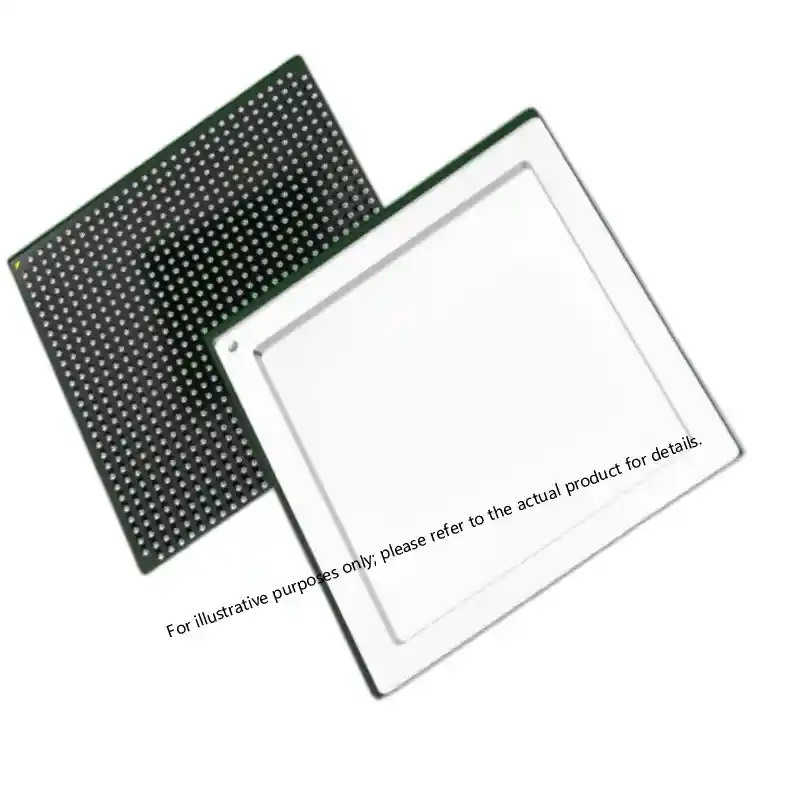
Many defense programs operate across 20-year lifecycles, during which the original component may become obsolete or the approved manufacturer may exit the military-grade market. Security by design extends into the sustainment phase through proactive lifecycle management. When an FPGA like the Xilinx XC5VFX130T approaches last-time-buy status, the security question is not only whether a drop-in replacement exists but whether the replacement’s security pedigree is equivalent to the original part. Flash-based FPGA families such as the SmartFusion2 M2S150T offer continuity because Microchip maintains dedicated defense-grade manufacturing lines with stable process technology.
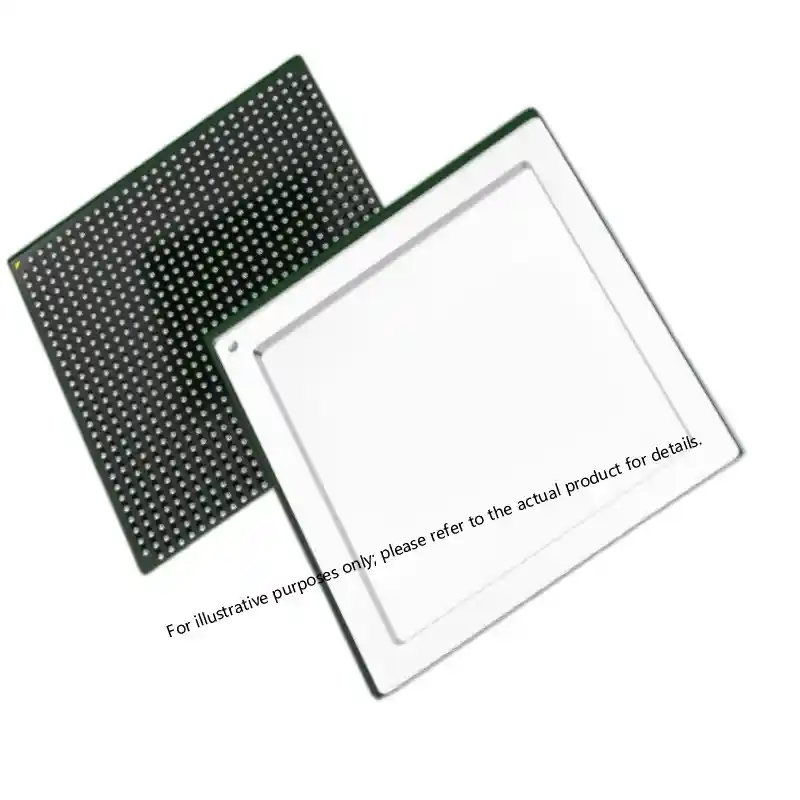
Technology refresh planning should also account for changes in supply chain trust. A wafer fabrication facility that was accredited a decade ago may have changed ownership or process control practices. Before committing to a single-source for a long-term program, procurement teams should audit the manufacturer’s security documentation as rigorously as they audit the component datasheet. Second-source qualification, where it exists, provides an insurance policy against unexpected trust erosion.
For memory and storage devices, the approach is similar. Hi-rel SRAMs like the Aeroflex ACT-S512K32N-017 series and non-volatile memories such as the AT28HC256 EEPROM from Atmel are still available through channels that maintain DMEA qualification. When a program requires 15 years of support, securing these parts through a distributor that holds certified inventory and maintains environmental controls for long-term storage is essential. The component itself may be designed with security in mind, but if it sits on a shelf for a decade under uncontrolled humidity, the silicon bond wires may corrode and introduce reliability failures that look like security incidents.
Integrating Security Requirements into the Procurement Workflow
The last step is embedding security by design into the everyday procurement process. This means including specific security clauses in RFQs: requirement for full traceability to wafer lot, prohibition on mixed-lot packaging, mandate for lot-specific test reports, and provision for third-party authentication testing at the distributor’s cost if anomalies are found. Many defense contractors treat these as afterthoughts appended to a standard purchase order. They should be the first terms a supplier reads.
I have seen procurement teams shorten their supply chain risk registers simply by adding three lines to the purchase agreement: a statement of work that requires AS6171-compliant inspection techniques on all 5962-class parts, a clause requiring notification within 24 hours if any component in the shipment has been re-packaged from non-original manufacturer containers, and a requirement that the certificate of conformance lists the original manufacturer’s name, not the distributor’s. These are not difficult to implement, and they filter out suppliers who cannot meet the security bar before a single dollar changes hands.
Common Questions About Military Component Security Design
Is a QML-certified part automatically secure from a supply chain perspective?
QML certification under MIL-PRF-38535 guarantees that the manufacturing and testing processes meet established quality and reliability baselines. It does not guarantee that the component has not been tampered with after it leaves the certified manufacturer unless the distributor provides continuous chain-of-custody documentation. A QML part that passes through an uncertified broker may present the same counterfeit risk as a commercial part. Security by design requires that the QML pedigree is preserved from factory to assembly.
How do I verify that a distributor’s inventory has been stored correctly for our program?
Ask for environmental monitoring logs for the storage facility that include temperature and humidity data over the period the part was held. For long-term storage, look for adherence to J-STD-033 for moisture-sensitive devices and evidence of periodic electrical retesting on samples from each lot. A credible distributor will have this data available and will include it with the shipment documentation. If the answer is a simple “we store everything properly” with no supporting records, request an on-site audit before placing a program-critical order.
Can we rely on flash-based FPGAs alone to meet hardware security requirements?
Flash-based FPGAs eliminate many attack vectors associated with external configuration memory, but hardware security requires a layered approach. Combine the FPGA’s internal security features with authenticated boot, encrypted configuration bitstreams, and physical tamper detection on the board. No single component technology covers all threat categories. The FPGA selection is a cornerstone, but the board-level design and the procurement channel are equally part of the security posture.
What is the single most common security failure in defense component procurement?
The most common failure I encounter is the assumption that a part number suffix—JANTX, /883B, QML—automatically means the part is genuine and sourced securely. Components with military suffixes are frequently relabeled by counterfeiters because the price premium makes the effort profitable. Insisting on lot-specific traceability documentation and conducting random sample verification on each incoming lot closes this gap without imposing disproportionate cost. The cost of verification is trivial compared to the cost of a field failure traced back to a counterfeit FPGA.
When is third-party authentication testing warranted for our program?
Third-party testing is warranted when the component sits in a security-critical path and the distributor cannot provide original manufacturer packaging records or when the part has been resold through intermediaries. I also recommend it for any last-time-buy procurement where the supply base is shrinking and the risk of relabeled or mismarked inventory increases. At Sparkle Electronics, we offer to coordinate third-party testing as a standard option for customers who request it; the testing partner works under a non-disclosure agreement and reports directly to the program office, not through the distributor. If your current supplier resists independent verification, that resistance should be treated as a risk indicator. Share your program requirements and we can confirm what documentation and testing support is available for your specific part numbers at xuansc2144@gmail.com.
If you’re interested, check out these related articles:
Virtex-7 XC7VX690T: Performance, Reliability, and Integration
XC7VX485T FPGA: Virtex-7 Performance for Defense
XCKU115 UltraScale FPGA: Powering Critical Defense Systems
Virtex-7 690T FPGA: Performance for Mission-Critical Systems