
24 Hour RFQ Military Parts: What Buyers Should Expect
Table of Contents
- What Does a 24 Hour RFQ for Military Parts Actually Cover?
- What Information Do Distributors Need to Quote Military Components?
- How Are Stock, Traceability, and Compliance Verified Before a Quote?
- Stock Verification
- Documentation and Traceability Check
- Where Can a 24 Hour Quote Fall Short?
- How Should You Move From Quote to Order Without Delaying the Program?
- What Questions Do Military Buyers Ask After Receiving a Quote?
- Is a 24 Hour Quote Binding, or Can Pricing Change?
- Why Do Two Distributors Quote Different Lead Times for the Same Part Number?
- Does a Fast Quote Mean the Parts Are Genuine?
- What If My RFQ Contains Mixed Commercial and MIL-SPEC Lines?
A 24-hour RFQ military parts request is a test of how well you have defined the requirement. When a defense program sends a part number, quantity, and target date through a distributor request, the response you get within one day tells you more than pricing; it shows whether the source has stock access, compliance documentation, and enough familiarity with MIL-SPEC devices to flag mismatches before quoting. I have spent twelve years on the sourcing side of these requests, and the pattern is consistent. Clean requests move fast. Vague ones stall.
What Does a 24 Hour RFQ for Military Parts Actually Cover?
A 24-hour RFQ military parts response is a first-pass sourcing answer, not a final contract. It covers four things: whether the part number exists in accessible stock, what the current price range is, which compliance documents can follow the shipment, and whether the requested quantity is realistic within the target date. The quote does not certify the parts and it does not lock allocation. At Sparkle Electronics, I treat the one-day response as a qualification screen for the request itself. If the part number is incomplete, the quote reflects that gap. If the compliance path is unclear, the quote says so rather than promising a clean shipment without evidence.
What Information Do Distributors Need to Quote Military Components?
The accuracy of a 24-hour quote depends almost entirely on the data in the original request. Military parts are not interchangeable descriptions. A high-speed ADC could be a 12-bit, 1 GSPS device in an 80-pin package or a 16-bit, 125 MSPS part in a smaller outline, and those two lines carry different prices and lead times. Buyers who send full part numbers, manufacturers, quantities, and compliance requirements get actionable responses. Buyers who send descriptions get qualification questions back.
| RFQ Field | Why It Affects the Quote |
|---|---|
| Full part number and manufacturer | 5962-series, JANTXV, and QML designations determine screening level and allowed source path |
| Quantity and target date | Batch availability, allocation, and packaging constraints change the response |
| Compliance requirements | C of C, lot traceability, test reports, and export classification affect documentation time |
| Program stage and application | Prototype, production, or sustainment changes the sourcing path and lifecycle risk |
| Allowable alternates | Pin-compatible or second-source options can shorten lead time without design changes |
If a request arrives with a line that says only “MIL-SPEC FPGA, 10 pcs,” the first response is not a price; it is a request for the full part number. That back-and-forth consumes the 24-hour window. The most useful RFQs I receive include the original BOM export, the required compliance level, and the date the parts must arrive at the dock, not just the date the quote is needed.
How Are Stock, Traceability, and Compliance Verified Before a Quote?
A responsible distributor checks three layers before returning a military parts quote. Stock is confirmed against accessible inventory, including authorized lines, excess allocations, and OEM-authorized distribution. Traceability is checked to the lot or date code level, which matters for 5962-series and JANTXV parts where documentation must follow the exact units shipped. Compliance status is matched to the buying program: QML devices carry different paperwork than upscreened commercial parts, and export classification can change the answer even when stock exists.
Stock Verification
Stock verification for hi-rel components is not a simple yes or no. Some part numbers, including FPGA and CPLD devices, sit in distributor inventory with full documentation. Others require a factory or authorized source check before the quote can commit. A fast quote means the distributor already knows the part and has a credible path to the units. It does not mean every requested part is physically sitting on a shelf at the moment the request lands.
Documentation and Traceability Check
Traceability is where fast quotes separate into reliable and speculative. MIL-SPEC parts should move with C of C, lot information, and manufacturer documentation where required. I have seen quotes arrive quickly only because the supplier skipped the documentation question entirely. That is worse than a delayed quote. A one-day response should state what documentation is available, what can be supplied, and what needs manufacturer confirmation.
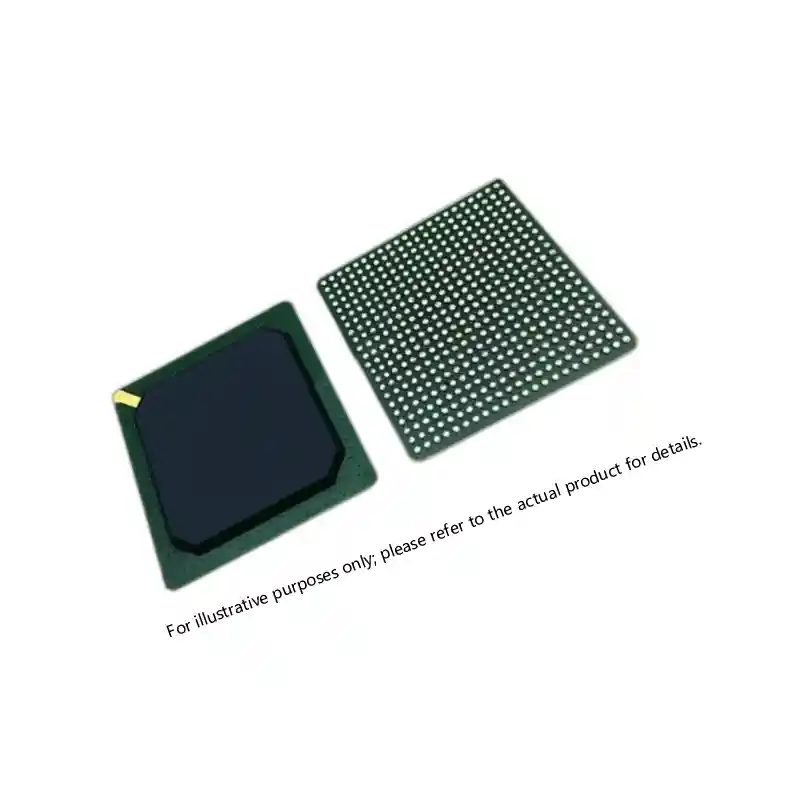
If your RFQ mixes QML-qualified FPGAs, JANTXV discretes, and long-lead passive components, the 24-hour window confirms stock access but not every compliance detail. If any line lacks a full part number or required certification, confirm those points before updating your BOM. Send your part list, quantities, and target date to xuansc2144@gmail.com and we will verify availability and documentation path.
Where Can a 24 Hour Quote Fall Short?
The honest limits of a 24-hour military parts quote are as important as its contents. Obsolete part numbers may show stock in a distributor database, but physical inspection and date code confirmation take longer than a day. The same applies to parts with export control flags, where the quote must pass through compliance review before pricing is valid. Quantity changes can also invalidate a fast quote. A price for two pieces of a QML FPGA may not survive when the requirement moves to twenty, because allocation and packaging constraints change.
Experience matters at this stage. A distributor that has handled the part number before can often return a fast quote with the right caveats attached. A distributor encountering the part for the first time may return a price without noticing that the requested date code, package, or screening level is unavailable. That is why I read a 24-hour response for what it says and what it does not say. Silence about documentation is a finding, not an omission to ignore.
How Should You Move From Quote to Order Without Delaying the Program?
Defense programs rarely stall because parts are unavailable in the market. They stall because a quote arrives with open questions about traceability, export classification, or batch dates, and those questions resurface later. A useful 24-hour response closes them before the order. If your next RFQ covers military FPGAs, high-speed ADCs, MIL-SPEC logic, memory, power modules, or passives, send the part numbers, quantities, compliance requirements, and target date to xuansc2144@gmail.com. We will confirm stock, documentation path, and a realistic ship date, then return a quote you can act on without reopening the requirement. For urgent program requirements, email is the fastest path in a 24-hour window.
What Questions Do Military Buyers Ask After Receiving a Quote?
Is a 24 Hour Quote Binding, or Can Pricing Change?
No, it is an availability and price snapshot, not a contract. Pricing can change if the quantity shifts, the target date moves, or the allocated stock clears before you issue the purchase order. A reliable distributor states the validity window and the conditions attached to that price. The more useful part of a fast quote is the stock path and documentation status, because those are harder to recover later than a small price adjustment.
Why Do Two Distributors Quote Different Lead Times for the Same Part Number?
Many buyers assume the shorter lead time means one distributor is lying or one is slower. The real answer is usually inventory position. One source may hold the exact part with documentation in a bonded location. The other may need to transfer from a factory, authorized partner, or excess allocation, which adds days. Both can be legitimate. The difference is whether the quote explains where the units are coming from. Ask that question before comparing lead times side by side.
Does a Fast Quote Mean the Parts Are Genuine?
It depends on what the distributor attaches to the quote. Speed alone proves nothing about authenticity. A fast quote backed by lot traceability, C of C, and a clear source path is useful. A fast quote with no documentation statement is a warning. Counterfeit risk in military electronics usually enters through the documentation gap, not through an obviously bad price. If the quote cannot name the source or certification level, slow down before accepting it.
What If My RFQ Contains Mixed Commercial and MIL-SPEC Lines?
In mixed BOM programs I have handled, commercial lines can quote quickly, but the MIL-SPEC lines have to be separated because screening levels, test reports, and export requirements differ. I prefer RFQs that group lines by compliance class rather than by board location. That structure lets the distributor run the fast lines while the qualified lines go through source and documentation verification. Share your grouped BOM and target date, and we can confirm which lines meet the 24-hour window and which need longer.
If you’re interested, check out these related articles:
Virtex-7 XC7VX690T: Performance, Reliability, and Integration
Virtex-7 690T FPGA: Performance, Packaging, and Reliability Insights
Virtex-7 XC7VX690T: Performance and Reliability Insights
Virtex-7 690T FPGA: Performance for Mission-Critical Systems