Defense FPGA Procurement: Design Win to Long-Term Supply
Table of Contents
- Winning the Design In and Requirements for Defense FPGA Procurement
- Qualifying Military FPGA Suppliers and Documentation Requirements
- Procurement Strategy and Contracting for Defense FPGAs
- Managing Obsolescence and Long‑Term Supply
- Sustaining a Long‑Term FPGA Supply Partnership
- For Defense Programs That Cannot Afford a Supply Gap
- Questions Defense Procurement Teams Ask About FPGA Sourcing
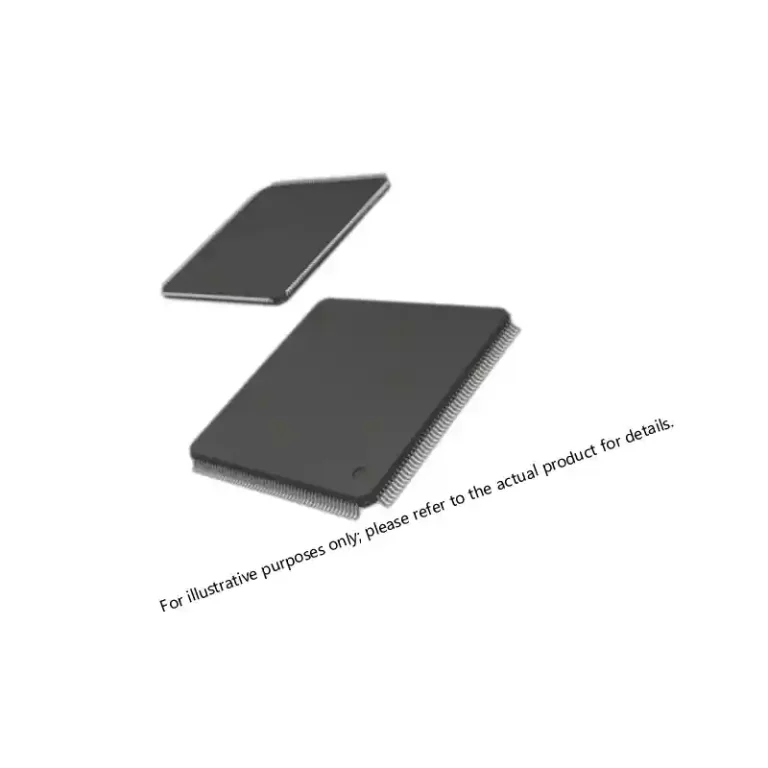
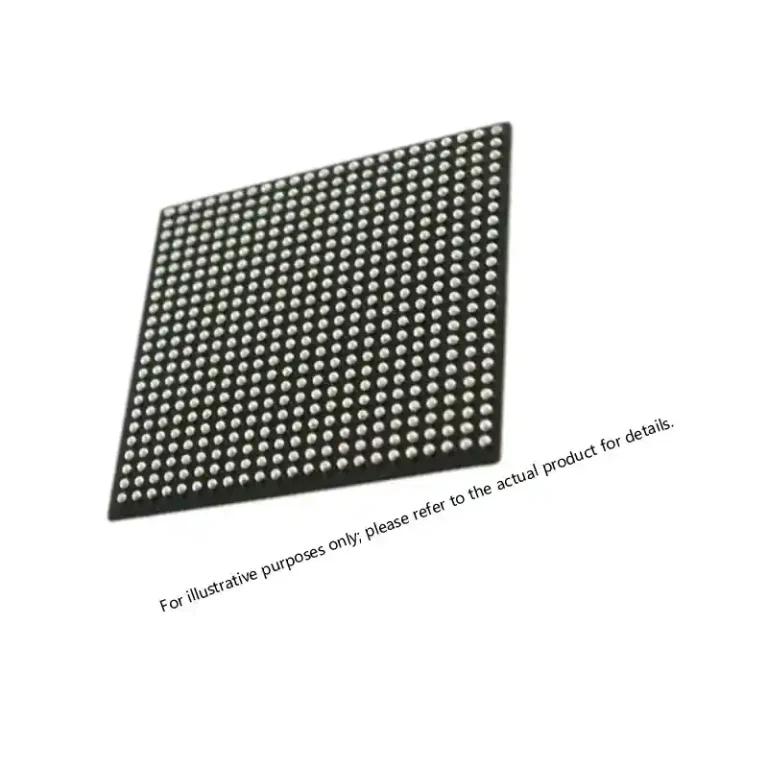
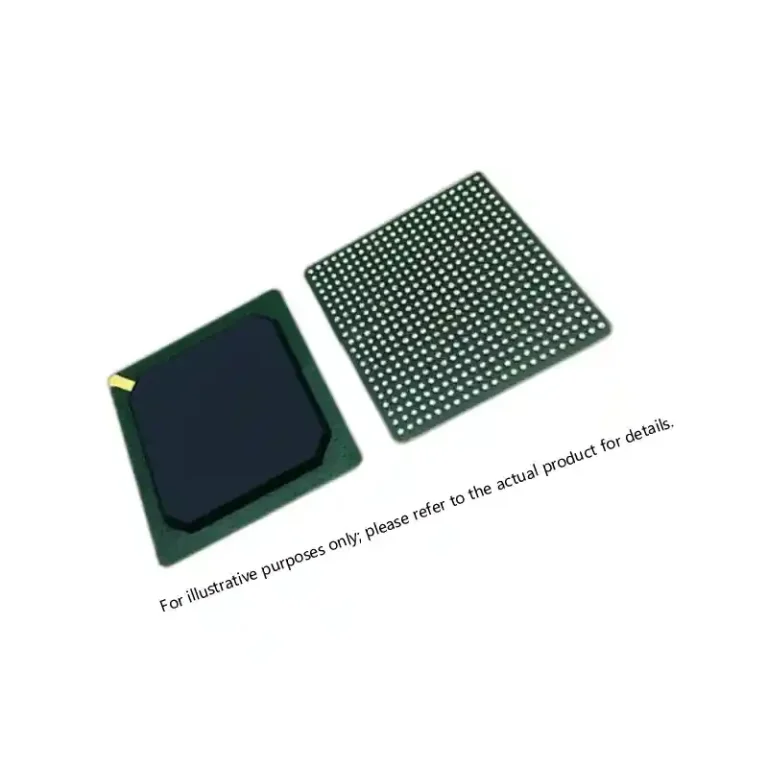
Defense FPGA procurement from design win to long-term supply demands more than selecting a part number. It calls for a sourcing strategy that aligns engineering requirements with documentation, testing, and lifecycle planning from the start. Over the past twelve years, I have seen programs tripped not by the FPGA itself but by incomplete qualification packages, unexpected obsolescence, or suppliers who could not sustain support beyond the initial buy. This article walks through the full procurement cycle, from the design win that locks in a device family to the long-term agreements that keep production lines running a decade later, and the decisions that separate resilient supply chains from last-minute scrambles.
Winning the Design In and Requirements for Defense FPGA Procurement
A defense FPGA procurement begins long before purchase orders are cut. During the design win phase, engineering teams select a device family based on performance, toolchain familiarity, and path to qualification. At this stage, the procurement team needs to answer two questions: can the device be sourced throughout the program life, and does it carry the certifications required for the intended platform.
The MIL-PRF-38535 QML flow defines the quality baseline for many programs. A QML‑Q or QML‑V class FPGA comes with full lot documentation, wafer‑lot traceability, and conformance to 5962‑series slash sheets. Commercial‑off‑the‑shelf FPGAs, even the same silicon, lack this pedigree. If a program later requires a QML version but selected a commercial part during design, re‑qualification can delay production by months. I have seen this specific mismatch stall a line‑replaceable unit upgrade when the only available stock was commercial‑grade and the prime required QML‑Q with source inspection.
Embedding the supply chain conversation into the design review prevents that gap. At minimum, the BOM should flag long‑lead, single‑source, and soon‑to‑be‑obsolete FPGAs before the first prototype is built.
Qualifying Military FPGA Suppliers and Documentation Requirements
After the FPGA family is locked, the next step is supplier qualification. Defense programs typically require a Certificate of Conformance (CoC) per shipment, full chain‑of‑custody records, and evidence that the components were not exposed to unauthorized tampering. For ITAR‑controlled programs, the supplier must also demonstrate compliance with export control requirements and, where applicable, DFARS 252.225‑7014.
I recommend evaluating a potential distributor against three criteria:
| Criteria | What to Verify |
|---|---|
| Documentation completeness | Can they provide a CoC, test reports, and traceability to the original manufacturer? |
| Anti‑counterfeit procedures | Do they follow SAE AS6081 or AS5553 incoming inspection standards? |
| ITAR and export compliance | Is the distributor registered and able to handle EAR‑controlled items? |
At Sparkle Electronics, we maintain an audited incoming inspection process that checks date codes, marking consistency, and packaging integrity on every MIL‑SPEC FPGA lot before it enters inventory. Documentation is archived for the life of the program, not discarded after the transaction.
One often‑overlooked step is confirming that the supplier can support source‑inspection requirements. If your quality team needs to witness testing at the distributor’s facility before shipment, the supplier’s location and willingness matter as much as its part list.
Procurement Strategy and Contracting for Defense FPGAs
Once the supply base is qualified, the procurement strategy shifts toward securing capacity and managing cost without building excessive inventory. Defense programs commonly use a combination of LTAs (long‑term agreements), scheduled releases, and safety stock.
For FPGAs with known lead times extending past 26 weeks, a blanket order with multiple release dates can lock allocation without tying up budget in delivered hardware. I have found that manufacturers are more responsive when a distributor places a blanket against a named program rather than issuing spot buys. The commitment signals demand stability.
Die banking is another tool. For high‑density FPGAs where the military temperature range version is a small fraction of wafer output, a die bank agreement can reserve a known quantity of probed wafers for later packaging. This avoids a last‑minute scramble if the manufacturer discontinues the packaged part but the program still needs production units. The cost is the wafer storage fee and a commitment fee, but it preserves supply for years after the commercial package is withdrawn.
Managing Obsolescence and Long‑Term Supply
Long‑term supply is the hardest part of defense FPGA procurement because no FPGA remains in production indefinitely. Xilinx, Altera, Actel, and other manufacturers issue Product Discontinuance Notices (PDNs) that start a clock. Once the last‑time buy (LTB) window closes, the only sources are distributor stock, die bank conversions, or the gray market.
I recommend monitoring PDNs at least quarterly for every FPGA in active BOMs. When an LTB is announced, the procurement team must decide how many units to buy. Too few, and the program faces a gap before the technology refresh is complete. Too many, and capital is tied up in parts that may never be used, or worse, exceed shelf‑life requirements for solderability or moisture sensitivity.
For programs with long sustainment phases, a bridge buy strategy works well. A distributor that understands the program timeline can purchase LTB inventory, store it under controlled conditions, and release it against forecasted demand. This removes the burden of managing a multi‑year inventory from the prime contractor and shifts the risk to a partner whose core business is component lifecycle management.
If your program uses an FPGA approaching its last‑time buy notification, confirm your supply options now. Share your part numbers and estimated usage at xuansc2144@gmail.com, and we will evaluate die banking availability and remaining shelf stock from audited inventory.
Sustaining a Long‑Term FPGA Supply Partnership
The programs that avoid supply disruptions are those where the procurement team and the component distributor operate as an extension of each other’s planning cycle. This means early notification of engineering changes, shared forecasts, and regular reviews of alternate‑source options.
Not every FPGA has a second source. When a device is single‑sourced, the partnership with the distributor becomes the de facto continuity plan. I have supported programs where the only remaining inventory of a specific MIL‑S‑883 screened FPGA was held by a single distributor. The program survived because that distributor had been part of the planning conversation years before the LTB.
Building that partnership starts with small steps: sharing a preliminary BOM during the design phase, asking for lead‑time outlooks, and testing the distributor’s documentation package on a trial order. Once the relationship is proven, move toward an approved vendor listing (AVL) and commit to long‑range agreements that give both parties the stability to plan.
For Defense Programs That Cannot Afford a Supply Gap
FPGA procurement for defense is not a transaction; it is a program‑long commitment that starts at design win and extends through the final production run. The difference between a stable supply line and a qualification crisis depends on decisions made early: selecting the right grade, qualifying suppliers with rigorous documentation standards, and planning for obsolescence before the PDN arrives.
Sparkle Electronics has supported global defense contractors with MIL‑SPEC FPGA sourcing for over a decade. We maintain audited stock of QML, 5962‑series, and industrial‑temperature FPGAs from Xilinx (including Virtex, Spartan, and Kintex), Actel/Microsemi (ProASIC, Axcelerator, SmartFusion, PolarFire), and Altera (Cyclone, Stratix, Arria). Every lot carries full traceability and conforms to the documentation standards defense programs require.
Share your BOM and program timeline at xuansc2144@gmail.com. We will confirm stock availability, documentation compliance, and build a supply plan that matches your production schedule.
Questions Defense Procurement Teams Ask About FPGA Sourcing
If my FPGA is only available as a commercial grade, can I still use it in a defense system?
It depends on the program’s qualification requirements and the operating environment. Some programs accept commercial parts with additional screening to MIL‑STD‑883 or equivalent testing for temperature, burn‑in, and hermeticity. This up‑screening process must be documented and accepted by the program’s quality authority. In many cases, the FPGA manufacturer will not support up‑screening after the part leaves the factory. A distributor that partners with an approved test house can manage the screening and deliver parts with full lot traceability.
What documentation should I expect with a MIL‑SPEC FPGA order?
At baseline, a Certificate of Conformance that references the original manufacturer’s lot number, date code, and the applicable slash sheet or specification. For QML devices, the package includes the manufacturer’s QML certification, test summary, and lot acceptance data. For ITAR‑controlled FPGAs, expect an export classification statement and, when applicable, a DSP‑5 license confirmation. If the distributor cannot produce these documents before shipment, walk away.
How far in advance should I plan for FPGA obsolescence in a defense program?
Begin monitoring three years before the expected production run ends or when the manufacturer announces a process change. For programs with a planned production life beyond ten years, conduct an obsolescence review at each design milestone. I have seen programs caught when the FPGA was still in “active” status but the specific speed or temperature grade was quietly discontinued. The manufacturer will not flag this unless you ask.
Why does die banking matter for FPGA supply continuity?
Die banking preserves unpackaged, tested wafers for future assembly into the exact package and lead finish the program requires. After the final packaged lot ships, the wafers remain available. This is especially important for radiation‑tolerant or extended‑temperature FPGAs where the commercial market is too small to justify continued manufacturing. The arrangement requires a commitment fee and a forecast, but it guarantees supply when no packaged parts exist anywhere in the channel.
How do I verify that a military FPGA is not counterfeit?
Start by checking the distributor’s incoming inspection procedures. At minimum, they should perform external visual inspection, marking permanency testing, and X‑ray or acoustic microscopy on a sample basis. Compare the date code and lot code against the manufacturer’s original records. If the distributor cannot provide a documented chain of custody from the manufacturer to their facility, the component should be treated as suspect. Programs that prioritize cost over documentation often end up paying the real price during qualification testing. Share your requirements and we will confirm the inspection and compliance documentation available for the specific FPGA you need.
If you’re interested, check out these related articles:
Virtex-7 690T FPGA: Performance for Mission-Critical Systems
XCKU115 UltraScale FPGA: Powering Critical Defense Systems
A1020B-PG84B ACT2 FPGA: Specs, Sourcing, and Availability