
Digital Twin Defense Electronics: Managing Component Lifecycles
Table of Contents
- What Digital Twins Actually Do for Defense Electronics Lifecycle Management
- How Digital Twins Improve Performance and Reliability in Practice
- Why Digital Twins Matter for Component Traceability and Counterfeit Detection
- Using Digital Twins to Get Ahead of Obsolescence and Supply Chain Disruptions
- What Makes Digital Twin Implementation Difficult in Defense Environments
- Frequently Asked Questions
- What specific benefits do digital twins deliver for defense electronics programs?
- How does predictive maintenance through digital twins reduce unscheduled downtime?
- Why does component traceability matter so much for defense electronics specifically?
- What should program managers expect when integrating digital twins into legacy defense systems?
- Strengthen Your Defense Electronics Supply Chain
Modern defense systems live or die by how well you manage every electronic component from design through disposal. Digital twin technology gives you a way to do this, creating dynamic virtual replicas that mirror physical assets and their parts. The approach delivers visibility and control that traditional methods cannot match, keeping mission-critical defense electronics reliable and operationally ready over decades of service.
What Digital Twins Actually Do for Defense Electronics Lifecycle Management
A digital twin is a real-time virtual representation of a physical asset, system, or process. In defense electronics, this is not just a 3D model sitting on a server. It is a living data construct that aggregates information from sensors, operational logs, maintenance records, and design specifications. The result is a comprehensive digital thread tracking each component’s history, current state, and predicted future performance. This continuous data flow matters for complex defense systems because it enables proactive decision-making throughout operational lifespans that can stretch 30 years or longer.
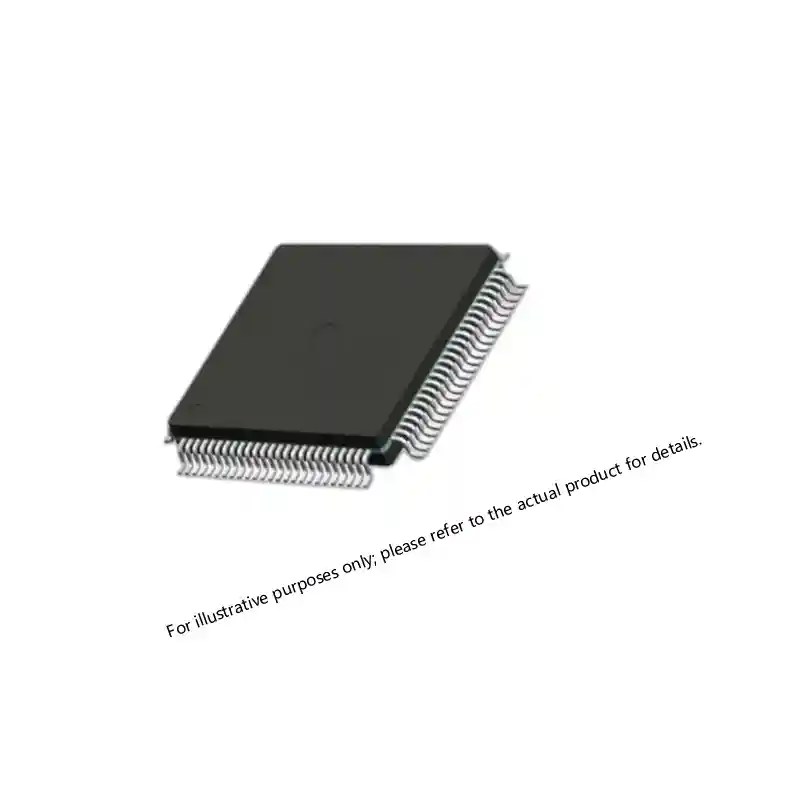
Take a complex avionic system as an example. Each Field-Programmable Gate Array (FPGA), Digital Signal Processor (DSP), and high-speed Analog-to-Digital Converter (ADC) can have its own digital twin. These individual component twins feed into a larger system twin, giving you a hierarchical view of the entire platform’s health. Defense program managers can monitor component health, predict potential failures, and optimize maintenance schedules based on actual usage and environmental conditions rather than calendar intervals. This level of insight moves military component lifecycle management beyond reactive repairs into predictive, data-driven sustainment.
How Digital Twins Improve Performance and Reliability in Practice
The real value shows up in proactive maintenance, extended component life, and enhanced operational readiness. By continuously analyzing data from sensors embedded in physical components, a digital twin detects anomalies that indicate impending issues. This capability matters most for MIL-SPEC component reliability, where failure during a mission is not acceptable. Predictive maintenance strategies powered by digital twins allow interventions before a component fails, minimizing unexpected downtime and improving overall system availability.
On a radar system integration project, we observed a specific high-power RF transistor showing subtle performance degradation patterns within its digital twin. Traditional scheduled maintenance would not have flagged this for another six months. The digital twin, fed by real-time operational data, predicted a 20% probability of failure within two weeks due to cumulative thermal stress. This early warning allowed replacement during a planned maintenance window, averting a potential in-service failure that would have caused significant operational disruption. The proactive action saved an estimated 40 hours of unscheduled maintenance and kept the system mission-ready.
| Feature | Traditional Component Management | Digital Twin Enabled Management |
|---|---|---|
| Maintenance | Reactive or time-based | Predictive, condition-based |
| Reliability | Assessed post-failure | Continuously monitored, predicted |
| Data Usage | Limited, siloed | Integrated, real-time, historical |
| Decision-Making | Experiential, scheduled | Data-driven, proactive |
| Downtime | Often unscheduled, prolonged | Minimized, scheduled, brief |
Why Digital Twins Matter for Component Traceability and Counterfeit Detection
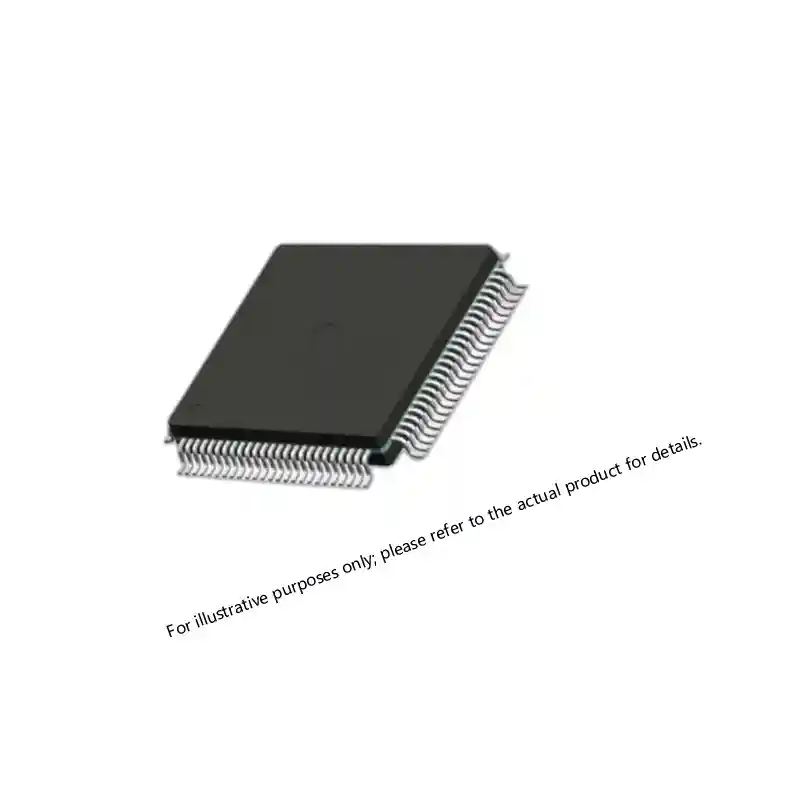
Digital twins establish an immutable, verifiable record for every component from manufacturing to disposal. Each electronic component, from a simple resistor to a complex FPGA, receives a unique digital identity linked to a comprehensive data package. This package documents origin, manufacturing batch, test results, certifications, and every subsequent event in the component’s lifecycle. The result is a high-reliability component tracking system that resists tampering.
This level of detail is critical for counterfeit electronics detection. Comparing a physical component’s characteristics and history against its digital twin immediately flags any discrepancies that indicate a potential counterfeit or non-compliant part. Authenticity is not optional in defense applications. SPARKLE ELECTRONICS CO., LIMITED, as a specialized distributor of military-grade and high-reliability electronic components, supports the data integrity required for digital twins by providing authentic, traceable, and compliant MIL-SPEC components. Rigorous sourcing and verification processes ensure that physical components match the verifiable records within their digital counterparts.
Using Digital Twins to Get Ahead of Obsolescence and Supply Chain Disruptions
Electronic component obsolescence is a persistent challenge in defense. Military systems often operate for 25 to 40 years, while commercial electronics innovation cycles measure in months. A digital twin can incorporate data from component manufacturers, market trends, and end-of-life notifications, providing early warnings about parts nearing obsolescence.
This predictive capability allows defense programs to implement proactive strategies: last-time buys, redesigns to accommodate alternative components, or strategic stockpiling. If the digital twin for a specific power module indicates impending obsolescence, program managers can initiate a redesign to integrate a newer, more readily available equivalent, or secure a sufficient lifetime supply. This transforms a reactive scramble into a planned transition. SPARKLE ELECTRONICS CO., LIMITED’s inventory of MIL-SPEC and hi-rel components, combined with program support capabilities, helps defense programs manage long-term component availability and mitigate obsolescence risk before it becomes a crisis.
What Makes Digital Twin Implementation Difficult in Defense Environments
Integrating digital twins into existing defense systems presents several challenges that program managers need to plan for. Legacy systems often operate on disparate data platforms, making data interoperability a significant hurdle. Establishing a unified data architecture that can ingest, process, and present information from various sources is foundational work that takes time and resources.
Cybersecurity is another concern that cannot be treated as an afterthought. The sensitive nature of defense data means digital twin systems must be protected against cyber threats while ensuring data integrity and confidentiality. This requires robust encryption, stringent access controls, and continuous monitoring. A skilled workforce capable of developing, implementing, and managing digital twin technologies is also essential, including engineers with expertise in data science, artificial intelligence, and cyber-physical systems.
Despite these complexities, the trajectory is clear. Digital twins offer a path to lifecycle cost reduction, enhanced operational readiness, and a more resilient defense supply chain. Programs that invest in this capability now will have significant advantages over those that continue relying on traditional management approaches.
If your program is evaluating digital twin implementation for component lifecycle management, it is worth discussing data architecture requirements and component traceability standards with your suppliers before committing to a platform.
Frequently Asked Questions
What specific benefits do digital twins deliver for defense electronics programs?
Digital twins improve system uptime, reduce maintenance costs, enhance performance prediction, and support better decision-making for military assets. They provide a continuous, data-driven view of component health that allows proactive interventions and optimized resource allocation across complex defense platforms. Programs typically see maintenance cost reductions of 10-25% within the first two years of implementation.
How does predictive maintenance through digital twins reduce unscheduled downtime?
Digital twins enable predictive maintenance and real-time fault detection, identifying potential issues before they cause failures. This allows repairs to be scheduled during planned outages rather than reacting to in-service breakdowns. The approach shifts maintenance from calendar-based intervals to condition-based triggers, which means components get replaced when they actually need replacement rather than according to conservative time estimates.
Why does component traceability matter so much for defense electronics specifically?
Traceability verifies authenticity, ensures compliance with MIL-SPEC standards, enables effective recall management, and maintains a clear chain of custody. It safeguards against counterfeit parts that could compromise mission capability or safety. In defense applications, a single counterfeit component in a critical system can have consequences far beyond the cost of the part itself.
What should program managers expect when integrating digital twins into legacy defense systems?
Integration challenges include ensuring data interoperability across disparate legacy systems, managing cybersecurity risks for sensitive information, and developing specialized expertise for implementation and ongoing management. Most programs underestimate the data architecture work required. Budget for 12-18 months of infrastructure development before expecting full operational capability. To discuss how authentic, traceable MIL-SPEC components support your digital twin implementation, contact SPARKLE ELECTRONICS CO., LIMITED.
If you’re interested, check out these related articles:
XCKU115 UltraScale FPGA: Powering Critical Defense Systems
XCKU085 UltraScale FPGA: Performance for Critical Systems
UltraScale KU085 FPGA Specifications for Defense Systems
Strengthen Your Defense Electronics Supply Chain
Managing military component lifecycles does not have to slow your defense programs. SPARKLE ELECTRONICS CO., LIMITED helps defense contractors ensure the reliability and traceability of critical electronics through authentic, MIL-SPEC component supply. Contact us at xuansc2144@gmail.com or +86 755 8320 1446 to discuss your program sustainment requirements.