Dual Use Electronics in Defense: Qualifying Commercial Parts
Table of Contents
- What Makes a Component a Dual Use Part?
- How Do Commercial Parts Qualify for Military Applications?
- What Does Upscreening Actually Verify?
- Which Documentation Prevents Counterfeit and Compliance Gaps?
- How Should Buyers Source Dual Use Electronics Without Accepting Risk?
- What Else Do Defense Buyers Ask About Dual Use Electronics?
- Does upscreening make a commercial part equal to a QML device?
- What is the first document to request from a distributor?
- How much cost can dual use parts remove?
- When does a dual use approach become too risky for a program?
Dual use electronics in defense do not become military parts by relabeling. They qualify only when a commercial device survives a defined screening sequence and the buyer can document that sequence. Most discussions stop at the label; procurement failures start where the label cannot be traced to test data. As a defense electronics supply chain specialist, I look for the gap between a part number and what was actually verified before shipment. This article explains what commercial parts must demonstrate, where upscreening works, where it does not, and how defense buyers can source qualified devices without accepting vague compliance language.
What Makes a Component a Dual Use Part?
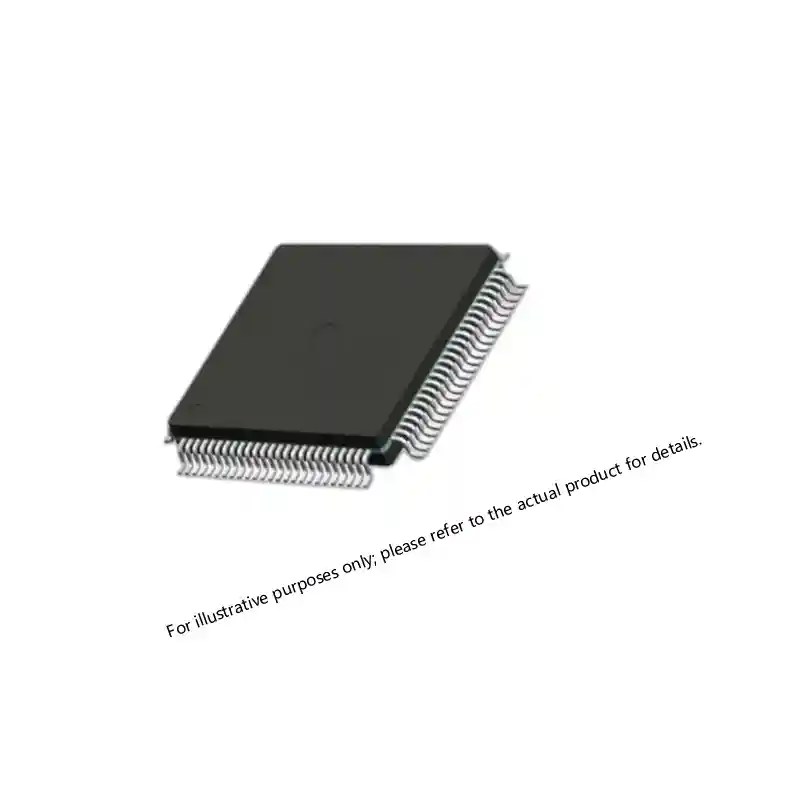
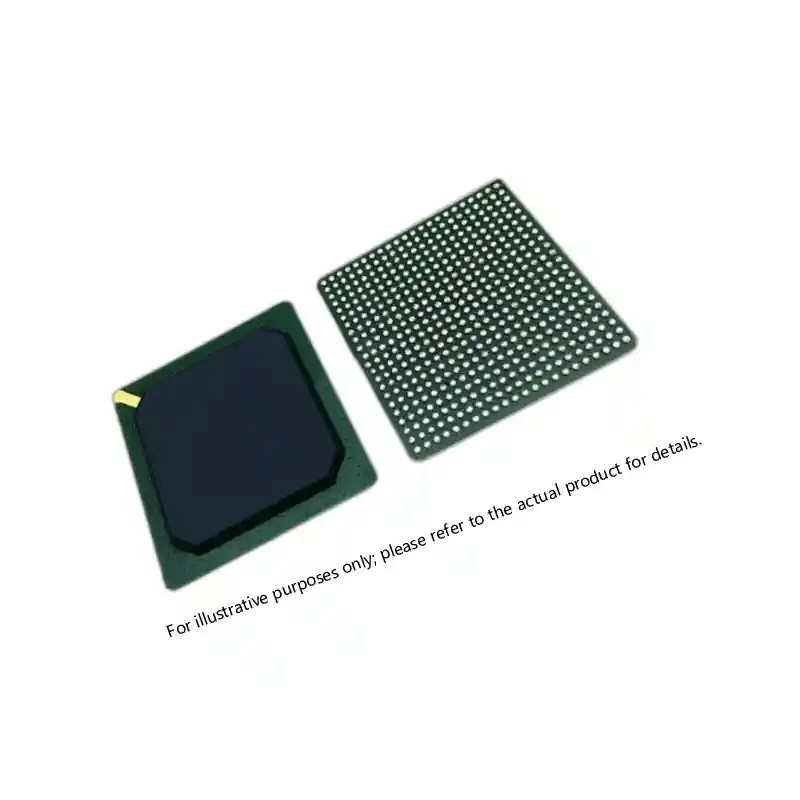
A dual use part is not a separate silicon design in most cases. It is a commercial or industrial component that a defense buyer accepts into a military application after additional verification or manufacturer grading. The boundary is the part number only on the surface; the real boundary is the data behind that part number. An FPGA or high speed ADC offered with an industrial temperature range may work in a ruggedized subsystem if the program needs standard screening, but it cannot automatically replace a QML or JANTX screened device. The acceptance decision turns on three factors: environmental ratings, screening level, and traceability. If any one of these is missing, the device remains commercial inventory.
| Attribute | Commercial Part | Defense Accepted Dual Use Part |
| Screening | Datasheet timing only | Lot screening to a written standard |
| Temperature | 0 to 70 C or industrial | Program requirement verified |
| Traceability | OEM reel and date code | Lot documents, test data, chain of custody |
| Evidence | Certificate of Conformance | Inspection and test reports |
The table above is useful during a sourcing review because it separates a label from the evidence behind it. A buyer should not treat a dual use classification as a technical guarantee.
How Do Commercial Parts Qualify for Military Applications?
Qualification happens through one of two routes. The first is manufacturer qualification. Devices built and tested by the original manufacturer under MIL-PRF-38535, QML, or JANTX and JANTXV flows carry the pedigree in the part number and in the manufacturer’s lot data. The second is downstream upscreening. A distributor or independent test house takes commercial or industrial lots and runs additional electrical, environmental, and visual tests to a written procedure.
Upscreening can catch early life failures and lot level problems. It cannot create a hermetic cavity in a plastic package, change the base metallization, or produce radiation tolerance that was never designed into the silicon. Buyers who treat upscreening as equivalent to QML are making a category error. A commercial FPGA with an industrial temperature range and a screening report is not a space grade rad hard part, and it cannot become one after assembly.
In sourcing programs I have worked on, the most common finding was not a failed burn in. It was missing traceability at the wafer or die level. A lot may carry an OEM label and pass electrical tests, but if the buyer cannot see the original assembly lot, the test floor data, or the chain of custody from the authorized source, the qualification file is incomplete. That gap becomes expensive during a government source inspection or an AS5553 counterfeit audit.
What Does Upscreening Actually Verify?
Upscreening is a filter, not a transformation. It works best when the failure mode is lot level contamination, early life oxidation, or handling damage introduced in distribution. It works poorly when the base part was never designed for the thermal or radiation environment. A serious buyer should ask for the exact test standard, the sample plan, and the rejection history. A pass/fail summary without the site, date, and lot size carries little weight.
| Screening Step | What It Catches | What It Does Not Change |
| Visual inspection | Package damage, corrosion, lead defects | Internal die quality |
| Temperature cycling | Solder joint and die attach fatigue | Base material limits |
| Burn in | Infant mortality under voltage and heat | Ten year wearout reliability |
| Electrical test | Datasheet compliance at specified limits | Performance outside those limits |
| Hermeticity and leak test | Seal integrity in hermetic parts | Plastic package moisture resistance |
A buyer should also separate qualification data from inspection data. Qualification proves the design and the process; inspection proves a specific lot. Many dual use failures are not electrical. They occur because a generic pass/fail certificate is substituted for lot specific evidence.
Which Documentation Prevents Counterfeit and Compliance Gaps?
Documentation is where dual use programs fail. A certificate of conformance can be reprinted. Test data cannot be reconstructed. The minimum record set for a dual use part includes the original manufacturer’s lot number, the date code, the assembly history if the part was processed, the screening method and sample size, the test results, and the chain of custody from the authorized source to the buyer.
For defense programs, the relevant standards include AS5553 for counterfeit mitigation, AS9120 for distributor quality control, and DFARS or NDAA Section 889 for country of origin and supply chain restrictions. The buyer should not accept a generic certificate when the program requires lot specific traceability. I have seen a single missing date code block a source inspection for days while the buyer tried to reconstruct a shipment record.
Before releasing a purchase order, ask for the documents in writing. If the supplier cannot show the lot data before shipment, they are unlikely to produce it after a problem appears.
If your program involves a dual use FPGA or high speed ADC that must be screened to a program specific flow, confirm the sample plan, the test standard, and the rejection criteria before you freeze the BOM. Send the part number, date code, and quantity to xuansc2144@gmail.com and we will check what documentation is available.
How Should Buyers Source Dual Use Electronics Without Accepting Risk?
Source from a distributor that treats dual use parts as documented inventory, not as commodity hardware. At Sparkle Electronics, we apply the same discipline to defense accepted commercial parts that we apply to QML and JANTX devices. The supplier should be able to answer three questions before you commit. First, is the part available with the exact manufacturer lot and date range you need? Second, can the supplier show the screening report or the inspection history for that lot? Third, will the supplier hold the documentation with the shipment so your incoming inspection does not start from zero?
The buyer’s next step is narrow and concrete. Send the part number, required screening level, and quantity to xuansc2144@gmail.com. We will confirm stock, available documentation, and whether the part can meet the program’s environmental and screening baseline. If a phone briefing would move the decision faster, request one and include your program timeline.
What Else Do Defense Buyers Ask About Dual Use Electronics?
Does upscreening make a commercial part equal to a QML device?
No. Upscreening cannot equal QML qualification because QML includes the manufacturer’s design, wafer fabrication, assembly, and test flow under MIL-PRF-38535. Upscreening adds stress tests to finished parts. It can improve confidence in a lot, but it cannot recreate the closed qualification loop. A buyer should treat an upscreened commercial part as lower risk, not as qualified in the same legal and technical sense.
What is the first document to request from a distributor?
Start with the lot traceability record, not the certificate of conformance. The traceability record shows the original manufacturer, date code, and chain of custody. A certificate of conformance only asserts that a part met a requirement. If traceability is missing or stops at an unauthorized reseller, the certificate is not worth much. Request both documents together and compare the lot information.
How much cost can dual use parts remove?
It depends on the part and the program stage. For prototyping or ground test equipment, screened commercial parts can reduce cost compared with full QML devices because the pool is larger and the documentation burden is lower. For fielded systems with long service life, the cost difference shrinks once qualification risk, redesign, and source inspection time are counted. The decision should follow the environment, not the invoice.
When does a dual use approach become too risky for a program?
The risk threshold depends on three conditions: service life, environment, and accountability. In a one year demo or a ground vehicle enclosure, a screened commercial part may be acceptable. In a missile guidance section, a space payload, or any system with no field rework, missing QML data can stall qualification. If your program cannot tolerate an undocumented part, start with a request for the exact lot data. Share your part number, screening level, and time frame with xuansc2144@gmail.com and we will confirm what documentation is available.
If you’re interested, check out these related articles:
Virtex-7 XC7VX690T: Performance and Reliability Insights
Virtex-7 XC7VX690T: Performance, Reliability, and Integration
Virtex-7 690T FPGA: Performance for Mission-Critical Systems