
Hi-Rel vs. Commercial-Grade Components: Defense Sourcing Guide
Table of Contents
- What “Hi-Rel” Actually Means
- Where Commercial-Grade Parts Fall Short
- What to Look for in a Hi-Rel Components Supplier
- Counterfeit, Compliance, and the Decision Framework
- Frequently Asked Questions
- Are hi-rel components required for every defense electronics program?
- What is the difference between QML Class Q and Class V?
- Can commercial parts be upscreened into hi-rel service?
- How can a buyer verify that a part is genuinely hi-rel?
- Why do hi-rel parts cost more than commercial parts?
- References
In defense electronics, “high reliability” is not an upgraded datasheet line. It is a component-level promise that a device has been manufactured, screened, tested, and documented so that a fielded system can prove where every part came from and how it will behave over years of service. Commercial-grade parts can be excellent in their intended environment; the failure occurs when a defense program assumes commercial assurance is enough.
What “Hi-Rel” Actually Means
Hi-rel components are semiconductor and passive devices built and qualified to operate in applications where component failure can create mission loss, equipment damage, or personnel risk. In U.S. military procurement, that usually means the part is qualified to a military performance specification such as MIL-PRF-38535 for microcircuits or MIL-PRF-19500 for discrete semiconductors, and screened according to MIL-STD-883 test methods [1][2][3].
The most visible engineering distinction is environmental rating. Military microcircuits are commonly specified over the full −55°C to +125°C temperature range, with controlled electrical parameters at the extremes, while many commercial parts are rated only from 0°C to 70°C or an industrial −40°C to +85°C window [1][2]. Hermetic ceramic packaging, controlled lead finish, and wafer/lot traceability are also part of the hi-rel package, not optional add-ons.
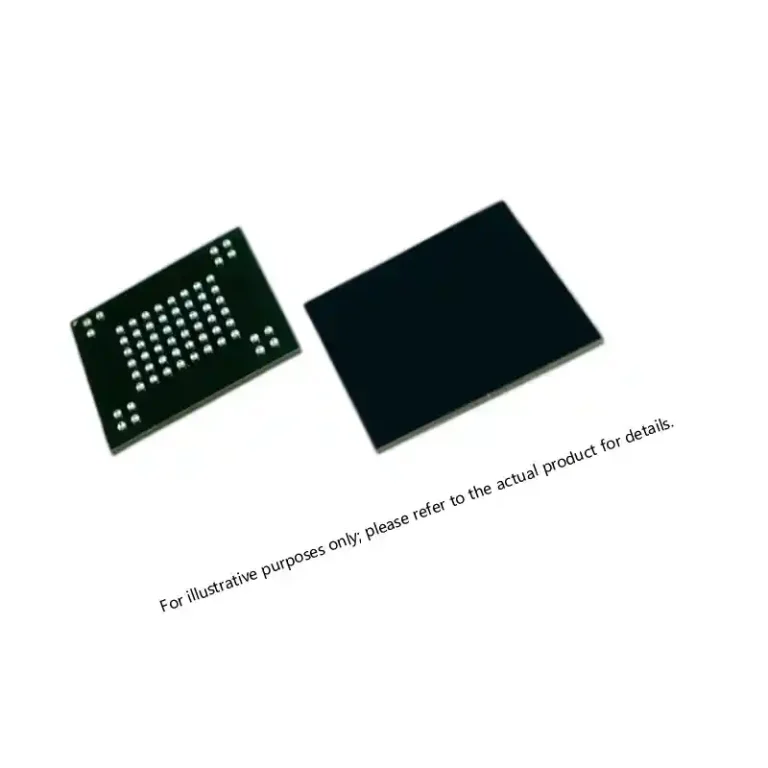
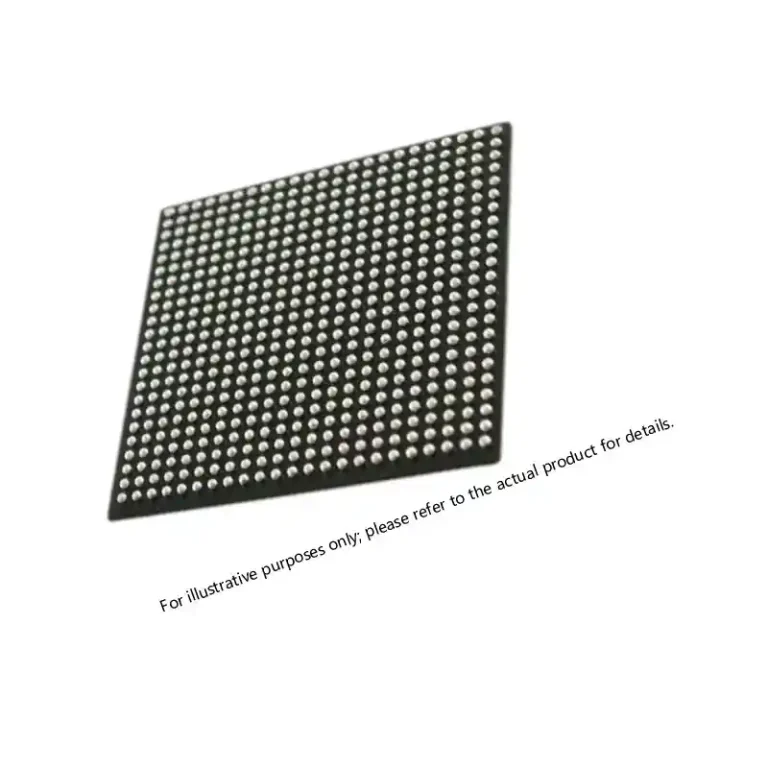
FPGAs make the distinction concrete. The same logic architecture can exist as a commercial part, an industrial part, and a military-grade device, but only the military flow adds the lot control, extended screening, and package pedigree a defense program can defend in review.
FPGA selection shows the hi-rel difference immediately. <Virtex-7 690T FPGA: Performance for Mission-Critical Systems> covers performance and reliability considerations for mission-critical programs.
Where Commercial-Grade Parts Fall Short
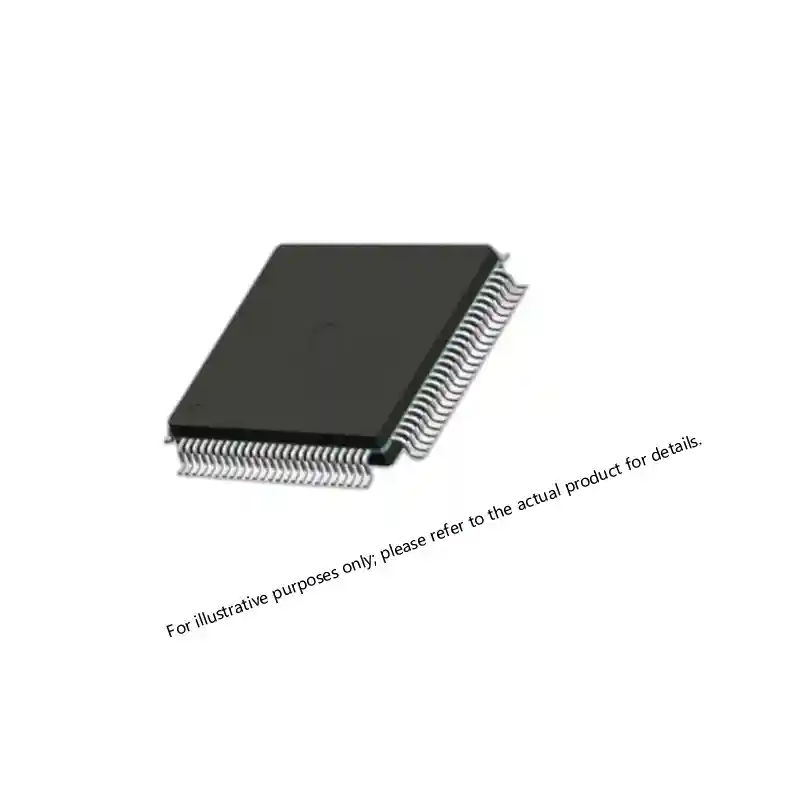
Commercial-grade components are optimized for cost, speed, and volume. That is not a defect; it is a different engineering trade. But when those parts enter a defense environment, several gaps appear. Plastic packages may allow moisture ingress or outgassing. Tin-based finishes can form tin whiskers [4]. Lot traceability can disappear when a manufacturer shifts production. Product change notifications may arrive with little lead time. None of these are automatic disqualifiers for every defense application, but all must be controlled.
The table below summarizes the practical comparison for procurement teams.
| Decision area | Hi-rel / MIL-grade component | Commercial-grade component |
|---|---|---|
| Temperature range | Commonly −55°C to +125°C with controlled parameters at extremes [1][2] | Typically 0°C to 70°C, or −40°C to +85°C for industrial versions |
| Screening | Lot-level electrical, thermal, and mechanical screening; PIND, seal, and burn-in as specified [2] | Production-level or sample testing |
| Traceability | Lot/date code, wafer/lot provenance, C of C, archived test records | Manufacturer lot code; PCN changes may occur with limited notice |
| Packaging | Hermetic ceramic or controlled hi-rel package | Plastic or commercial package |
| Governing standards | MIL-PRF-38535, MIL-STD-883, QML/QPL, 5962-series, JANTX/JANTXV | Commercial JEDEC or supplier-specific specifications |
| Failure risk in harsh use | Lower uncontrolled infant mortality; screening escapes are reduced | Higher risk in vibration, thermal cycling, and long-life applications |
The screening difference deserves more attention. The hi-rel flow can include internal visual inspection, stabilization bake, temperature cycling, constant acceleration, particle impact noise detection, burn-in, final electrical testing, and fine/gross leak checks for hermetic parts [2]. This sequence is designed to catch both material defects and packaging weaknesses before the part reaches a board; commercial testing usually has no equivalent coverage.
Procurement check: If a BOM mixes hi-rel and commercial parts, ask the supplier to map each line item to a specific qualification level — 5962-series QML, JANTX/JANTXV, a Class Q or Class V flow, or a documented upscreen. If that mapping cannot be produced, treat the part as a risk item. For direct support in reviewing a hi-rel component list, contact us at xuansc2144@gmail.com.
What to Look for in a Hi-Rel Components Supplier
A credible hi-rel components supplier should be able to answer four questions without hesitation: Where did this part come from? What documentation applies? How was it stored and handled? What happens if it fails in service?
For independent distribution, quality management standards such as AS9120 and counterfeit-mitigation standard AS6081 are useful signals, but they are not a substitute for part-level traceability [5]. The supplier should offer date/lot-code control, full chain-of-custody documentation, incoming inspection records, and the ability to escalate suspect parts to failure analysis. For long-running defense programs, obsolete and legacy devices often matter just as much as current production parts.
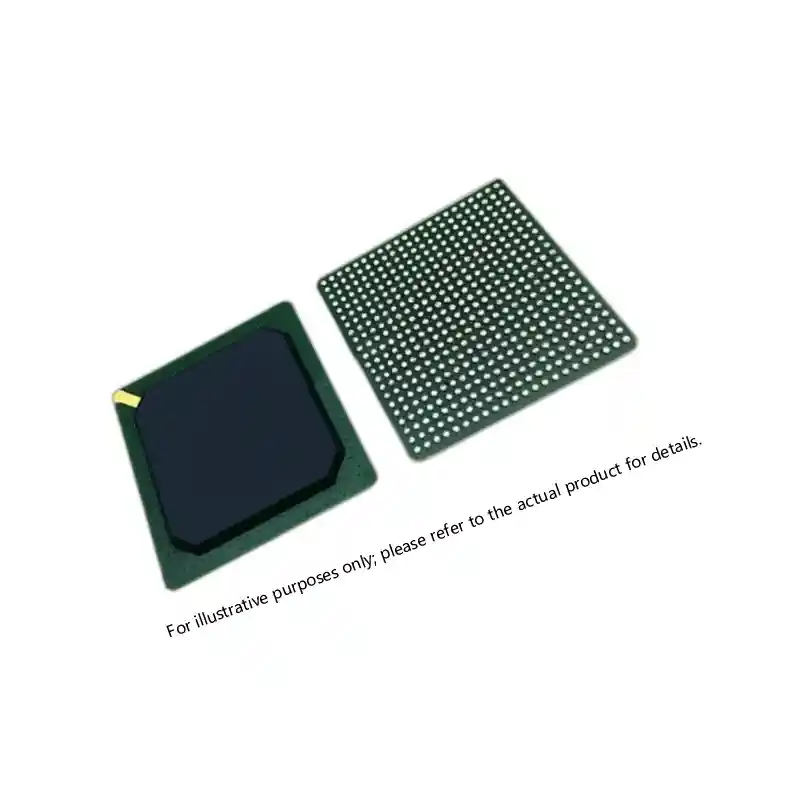
Legacy hi-rel FPGA sourcing carries its own specific risk. <A1020B-PG84B ACT2 FPGA: Specs, Sourcing, and Availability> covers specs and availability for older ACT2 devices.
A supplier should also be able to explain the documentation trail that follows the part. A Certificate of Conformance is only the surface; the stronger source can produce lot and date-code data, test reports where applicable, and procurement records that connect the part to an authorized or verified source. If a supplier cannot support an audit, the risk moves back onto the buyer.
Counterfeit, Compliance, and the Decision Framework
Counterfeit parts remain a persistent threat in defense electronics supply chains. The counterfeit-avoidance approach in AS6081 combines supplier assessment, incoming inspection, documentation verification, and test-and-inspect requirements before suspect product is accepted [5]. For hi-rel procurement, this means visual inspection under magnification, marking and date-code comparison, X-ray or DPA where risk justifies it, and retention of samples and records.
Compliance is the second layer. Many hi-rel components are controlled under U.S. export regulations, and buyers must verify jurisdiction and classification before transfer. In addition, NDAA Section 889 restricts federal procurement of certain covered equipment and services, and many defense programs extend that scrutiny down into critical electronic components [6]. The practical result is that component sourcing must support both technical and regulatory audits.
For a specific design, the decision between a hi-rel part and a commercial part should follow a consequence-based framework:
- If a failure can injure personnel, disable a weapon system, or end a mission, specify the hi-rel or MIL-qualified part.
- If the environment requires full military temperature range, hermetic packaging, or controlled outgassing, commercial parts usually fail the requirement.
- If a commercial part is proposed, require a documented upscreen path: single lot control, extended temperature testing, burn-in where applicable, DPA or X-ray inspection, and accepted C of C with traceability.
- If the part cannot prove traceability, do not rely on price or availability as compensation.
Commercial-grade parts are not automatically wrong. They are wrong when they are inserted into a hi-rel environment without a formal engineering and supply chain decision. The distinction matters because the component choice determines whether a program can later defend its configuration.
Need qualified hi-rel component support? Sparkle Electronics supplies military-grade and high-reliability electronic components with the documentation, traceability, and program support defense procurement teams require. Send your target part numbers, 5962 or JANTX requirements, BOM, or sourcing problem to xuansc2144@gmail.com. A component specialist can help verify qualification levels, confirm availability, and recommend a compliant path for your application. Include in your inquiry:
- Affected part numbers or specification sheets
- Required qualification level (QML, JANTX, JANTXV, 5962-series, or upscreen)
- Target quantity, schedule, and any contract compliance clause
Frequently Asked Questions
Are hi-rel components required for every defense electronics program?
No. The requirement should come from failure consequence, environment, contract clauses, and program life. Many systems use a controlled mix: hi-rel parts for mission-critical functions and commercial or industrial parts for benign functions with documented approval. The key is understanding where commercial risk is acceptable.
What is the difference between QML Class Q and Class V?
Both are quality levels within the qualified manufacturer system for microcircuits. Class Q is widely used for military and high-reliability applications; Class V adds the more stringent controls associated with space and similar applications [1]. A buyer should not substitute one for the other without review of the specific device and program.
Can commercial parts be upscreened into hi-rel service?
In limited cases, yes. Upscreening might include single-lot control, extended temperature testing, burn-in, X-ray or DPA, and a documented C of C. But upscreen is a risk-based workaround, not the same as QML/JANTX qualification, and it requires customer acceptance and engineering review.
How can a buyer verify that a part is genuinely hi-rel?
Check the part against the appropriate military specification and qualification database; require lot/date-code traceability, full C of C, and screening records; verify distributor quality systems such as AS9120 or AS6081; and escalate suspicious parts to incoming inspection or failure analysis [5].
Why do hi-rel parts cost more than commercial parts?
The cost reflects qualification, screening, hermetic or controlled packaging, lot-level documentation, lower production volumes, and ongoing supplier surveillance. In defense procurement, the higher unit cost must be weighed against the cost of system failure, requalification, and supply chain disruption.
References
- Defense Logistics Agency, MIL-PRF-38535, General Specification for Integrated Circuits (Microcircuits) Manufacturing. https://quicksearch.dla.mil/qsDocDetails.aspx?ident_number=17888
- Department of Defense, MIL-STD-883, Test Method Standard: Microcircuits. https://quicksearch.dla.mil/qsDocDetails.aspx?ident_number=35905
- Defense Logistics Agency, MIL-PRF-19500, Semiconductor Devices, General Specification for. https://quicksearch.dla.mil/qsDocDetails.aspx?ident_number=37903
- NASA, EEE-INST-002: Instructions for EEE Parts Selection, Screening, Qualification, and Derating. https://nepp.nasa.gov/EEE-INST-002/
- SAE International, AS6081: Fraudulent/Counterfeit Electronic Parts: Avoidance, Detection, Mitigation, and Disposition. https://www.sae.org/standards/content/as6081/
- U.S. Congress, John S. McCain National Defense Authorization Act for Fiscal Year 2019, Section 889. https://www.congress.gov/bill/115th-congress/house-bill/5515/text
If you’re interested, check out these related articles:
UltraScale KU085 FPGA Specifications for Defense Systems
XCKU085 UltraScale FPGA: Performance for Critical Systems
XCKU115 UltraScale FPGA: Powering Critical Defense Systems