ITAR Compliance for Military Component Procurement
Table of Contents
- What ITAR Covers and Why It Matters for Component Buyers
- What Is ITAR and How Does It Differ from EAR?
- Which Defense Programs Are Most Affected by ITAR?
- How to Determine if Your Components Are ITAR‑Controlled
- How Do I Know if a Component Falls Under the US Munitions List?
- Dual‑Use Components: When Does EAR Apply Instead?
- Evaluating Suppliers for ITAR‑Compliant Component Sourcing
- Can I Source ITAR Components from a Non‑US Distributor?
- What Certifications Should a Distributor Have?
- Documentation and Traceability Requirements for ITAR Procurement
- What Documentation Proves ITAR Compliance?
- How to Verify Authenticity and Chain of Custody
- Building a Long‑Term ITAR Compliance Framework
- How to Train Your Team on ITAR Requirements
- Maintaining Audit‑Ready Records
- Common Questions About ITAR Component Procurement
- What Are the Penalties for ITAR Violations in Procurement?
- Are There Any ITAR Exemptions for Low‑Value Components?
- How Long Should ITAR‑Related Documentation Be Retained?
- Can ITAR Compliance Be Managed In‑House Without a Consultant?
ITAR compliance for military component procurement is a proactive supply chain discipline, not a regulatory checkbox, because undocumented parts can jeopardize defense programs. For procurement managers and engineers sourcing electronic components for defense systems, understanding the International Traffic in Arms Regulations is not optional — it is the foundation of a secure and compliant supply chain. This article draws on twelve years of hands‑on experience in military component sourcing to guide you through classification, supplier evaluation, documentation requirements, and building a long‑term compliance framework that reduces risk and ensures program integrity.
What ITAR Covers and Why It Matters for Component Buyers
The International Traffic in Arms Regulations (ITAR) govern the export and temporary import of defense articles and services listed on the United States Munitions List (USML). For electronic component buyers, ITAR applies to any device, assembly, or subassembly that is specifically designed, developed, configured, adapted, or modified for a military application. Unlike the Export Administration Regulations (EAR), which covers dual‑use items, ITAR focuses solely on items with predominantly military utility. When a component falls under ITAR, its export, re‑export, or transfer requires authorization from the Directorate of Defense Trade Controls (DDTC). In procurement terms, this means every purchase order for a military electronic component must be treated as a potential ITAR transaction, affecting supplier selection, documentation, and logistics.
What Is ITAR and How Does It Differ from EAR?
ITAR covers military‑specific items; EAR covers commercial items with potential military use. An FPGA designed for a radar warning receiver is typically ITAR‑controlled, while a commercial ADC used in a non‑military system likely falls under EAR. Understanding this distinction is critical when issuing RFQs, because misclassification can lead to export violations.
Which Defense Programs Are Most Affected by ITAR?
Virtually all US defense programs and many allied programs require ITAR compliance. Components for avionics, missile guidance, electronic warfare, and secure communications routinely fall under ITAR. Even sustainment and repair of legacy military equipment can involve ITAR‑controlled parts, making backward compatibility a compliance consideration.
How to Determine if Your Components Are ITAR‑Controlled
Determine ITAR status early in the procurement cycle. The starting point is the item’s design intent and the manufacturer’s classification. Many manufacturers provide an ITAR classification statement on their datasheets. If no classification is available, compare the component’s function against the USML categories. Components designed for military use — even those that are commercially available — may be ITAR‑controlled. I have encountered instances where a standard FPGA part number, when procured with a specific screening level or temperature grade, became ITAR‑controlled because the end‑use was military. When in doubt, consult your company’s empowered official or request a commodity jurisdiction determination from DDTC. Proactive classification avoids costly shipment delays and legal exposure.
How Do I Know if a Component Falls Under the US Munitions List?
The USML includes detailed categories. For electronics, Category XI (Military Electronics) and Category XII (Fire Control, Laser, Imaging, and Guidance) are most relevant. Components specifically designed for electronic warfare, radar, or missile systems are almost always ITAR‑controlled, regardless of their commercial equivalents.
Dual‑Use Components: When Does EAR Apply Instead?
Dual‑use parts — those with both civilian and military applications — typically fall under EAR, not ITAR, unless the military application requires specific modifications. However, if a dual‑use component is integrated into a defense article, the assembled system may be ITAR‑controlled. Always evaluate the end‑use and the system’s overall classification.
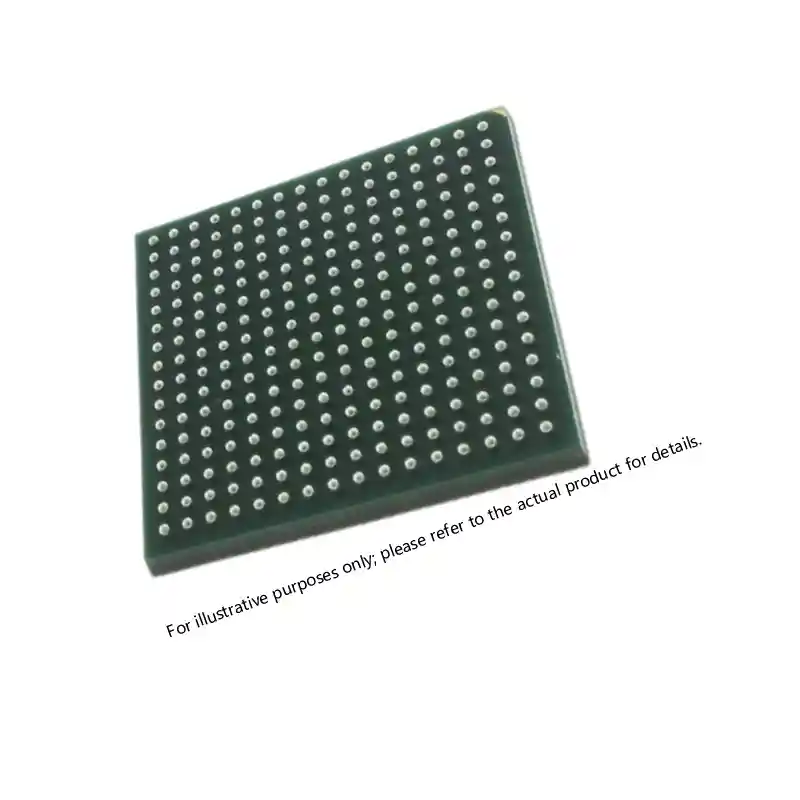
Evaluating Suppliers for ITAR‑Compliant Component Sourcing
Selecting a supplier for ITAR‑controlled components requires more than quality certifications. The supplier must understand export control regulations and have documented procedures for handling ITAR goods. Look for a distributor that maintains clear chain‑of‑custody records, provides original component traceability certificates, and is registered with DDTC if handling ITAR items directly. At Sparkle Electronics, we have seen buyers struggle because their suppliers could not provide full pedigree documentation, forcing last‑minute scrambles to prove compliance to end customers. A reliable ITAR‑aware distributor provides certification of origin, screening reports, and a compliance statement for each shipment — reducing the buyer’s risk and administrative burden. Ask potential suppliers how they manage ITAR‑flagged inventory, whether they segregate ITAR from non‑ITAR items, and how they respond to DDTC inquiries.
If your program involves components with ambiguous ITAR classification, it is worth confirming their status before finalizing your BOM. Reach out at xuansc2144@gmail.com for a preliminary classification review.
Can I Source ITAR Components from a Non‑US Distributor?
Yes, but only with the proper export licenses and end‑use assurances. Sourcing from a non‑US distributor introduces additional compliance complexity, including re‑export authorizations. In my experience, it is safer to work with a US‑based authorized distributor that has experience with ITAR, unless the overseas source is a verified supplier with a robust compliance program.
What Certifications Should a Distributor Have?
At a minimum, the distributor should hold ISO 9001 or AS9120 certification, maintain a DDTC registration, and have a documented ITAR compliance manual. Many defense contractors also require compliance with AS6081 for counterfeit avoidance. When evaluating a new supplier, I request evidence of these certifications and a sample traceability report.
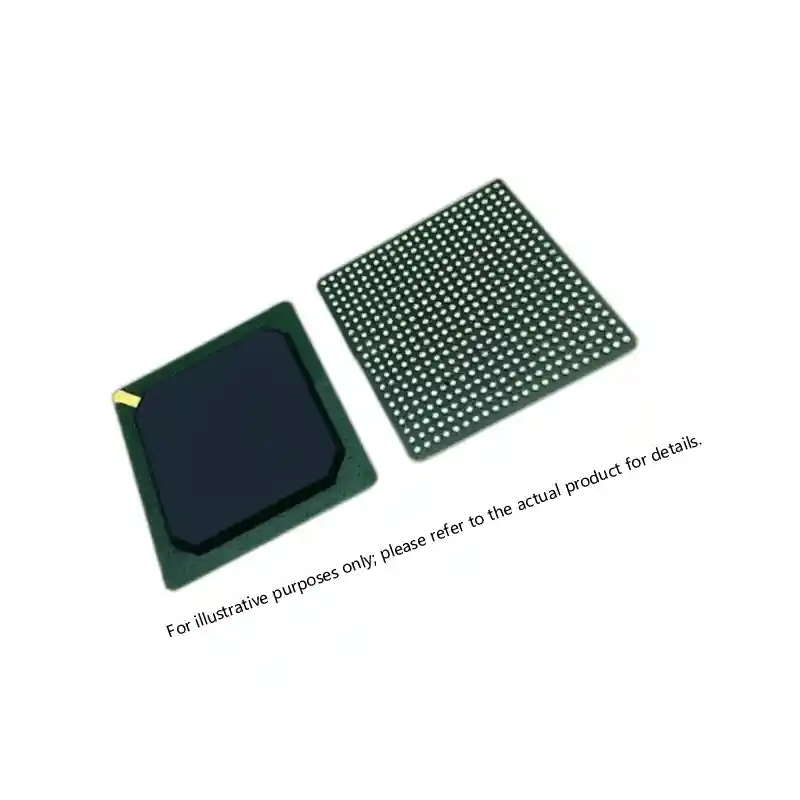
Documentation and Traceability Requirements for ITAR Procurement
Documentation is the backbone of ITAR compliance. Every ITAR‑controlled procurement must generate a paper trail that proves the component’s origin, classification, and authorized export. Essential documents include the purchase order with an ITAR notation, the manufacturer’s certificate of conformance, a traceability certificate linking the component back to the original equipment manufacturer, and any necessary export licenses or license exemptions. For defense programs, end‑use and end‑user statements are often required to verify that the parts will not be diverted to prohibited destinations. We have learned through hard experience that incomplete documentation can delay supplier qualification by weeks. I recommend establishing a standard documentation package requirement for every ITAR purchase and conducting periodic audits of your supplier’s records.
What Documentation Proves ITAR Compliance?
A complete ITAR compliance package includes the purchase order with an ITAR clause, an original certificate of conformance from the manufacturer, a chain‑of‑custody traceability report, and the export license or exemption documentation. For re‑export scenarios, additional re‑transfer authorizations are needed.
How to Verify Authenticity and Chain of Custody
Verify components through accredited test labs, visual inspection for signs of counterfeiting, and full batch traceability documentation. At Sparkle, we cross‑check manufacturer lot codes against date codes and can arrange X‑ray inspection or decapsulation on samples when necessary. Ensuring authenticity is part of ITAR compliance because counterfeit parts bypass the controlled supply chain and create unrecorded proliferation risks.
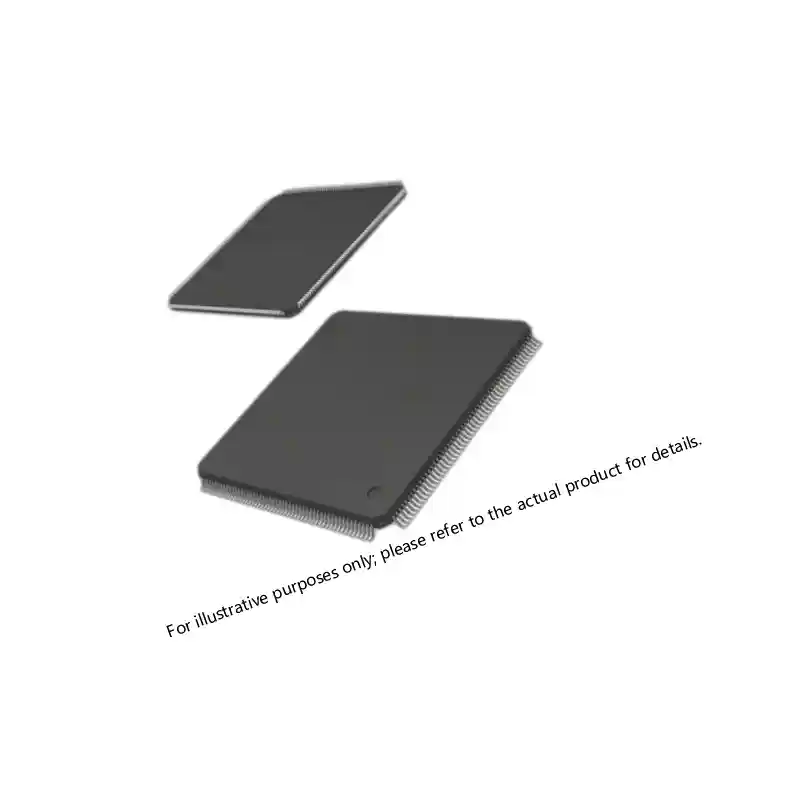
Building a Long‑Term ITAR Compliance Framework
A sustainable ITAR procurement strategy requires formal policies, regular training, and robust recordkeeping. Draft an ITAR procurement procedure that covers component classification, supplier evaluation, documentation requirements, and audit schedules. Train your procurement team to recognize ITAR triggers and handle controlled parts correctly. Many organizations overlook the importance of record retention: ITAR regulations require maintaining export documentation for at least five years. Set up a secure, auditable system for storing compliance records. Over the years, I have found that the most resilient defense supply chains treat ITAR compliance as an operational standard, not a special case. Partnering with a specialized component distributor that integrates compliance into its daily workflow can lighten this load and provide continuity as program requirements evolve.
Ensuring your procurement pipeline meets ITAR standards requires reliable component sourcing and thorough documentation. If your program involves ITAR‑controlled parts, verifying your supplier’s compliance capabilities is a critical step. To discuss your specific requirements or request a traceability sample, contact Sparkle Electronics at xuansc2144@gmail.com — we can help confirm your supply chain is in order.
How to Train Your Team on ITAR Requirements
Start with annual training sessions covering ITAR basics, USML categories, and internal procedures. I recommend incorporating real‑world scenarios where a procurement decision inadvertently triggered an ITAR issue, to make the training relevant. Hands‑on exercises with classification and documentation review are more effective than generic legal presentations.
Maintaining Audit‑Ready Records
Store all ITAR procurement records digitally and indexed by purchase order, with strict access controls. Conduct quarterly internal audits and keep a corrective action log. This preparation will pay off when DDTC or a defense prime conducts a supplier compliance audit.
Common Questions About ITAR Component Procurement
What Are the Penalties for ITAR Violations in Procurement?
Penalties can be severe, including civil fines up to $1.2 million per violation, criminal fines up to $1 million and imprisonment for individuals, and debarment from future government contracts. In procurement, even an inadvertent violation — such as shipping an ITAR component to the wrong address without a license — can trigger an investigation. The stakes are high enough that a proactive compliance approach is always justified.
Are There Any ITAR Exemptions for Low‑Value Components?
ITAR exemptions are function‑based, not value‑based. A $10 resistor specifically designed for a missile guidance system can be ITAR‑controlled. However, certain exemptions exist for temporary exports or transfers to allied governments. Consult DDTC guidelines or legal counsel before relying on any exemption.
How Long Should ITAR‑Related Documentation Be Retained?
The standard retention period is five years from the date of export, but many defense primes require longer retention — up to ten years for program support. I recommend keeping records for at least ten years to satisfy both ITAR and customer contractual requirements.
Can ITAR Compliance Be Managed In‑House Without a Consultant?
Yes, many small and medium contractors manage ITAR compliance internally with proper training and procedures. However, the complexity increases with the volume and diversity of components. In my experience, investing in a knowledgeable component distributor that offers compliance support can reduce the need for expensive consultants. Share your requirements and we can confirm compliance documentation availability.
If you’re interested, check out these related articles:
UltraScale KU085 FPGA Specifications for Defense Systems
A1020B-PG84B ACT2 FPGA: Specs, Sourcing, and Availability