Military-Grade UAV Components: Sourcing for Drone Systems
Table of Contents
- Which Military-Grade UAV Components Carry the Hardest Specification Loads?
- How Do SWaP Limits Change UAV Electronics Selection?
- Why Power Modules Fail Before Processors in Compact UAV Layouts
- What Makes a Component Suitable for a 28 V Unmanned Bus
- How Do You Qualify a UAV Electronics Supplier Without Slowing the Program?
- What to Require in a Certificate of Conformance for UAV Builds
- Why Lot Testing Alone Does Not Close the Traceability Gap
- How Can You Protect UAV Programs From Counterfeit and Obsolete Parts?
- What Should You Do When Military-Grade UAV Component Sourcing Becomes the Critical Path?
- What Else Do Buyers Ask About Military-Grade UAV Components?
- Do all military-grade UAV components require MIL-STD-883 screening?
- Is it acceptable to use upscreened commercial parts on a UAV drone program?
- How far in advance should you source FPGAs for a long-duration UAV program?
- What is the fastest way to confirm availability and traceability before a design review?
The hardest part of sourcing military-grade UAV components is not finding a part number; it is proving that the part will survive the air vehicle’s actual electrical, thermal, and vibration envelope. A drone platform can be far smaller than a manned aircraft, yet its flight control, RF datalink, and gimbal electronics must deliver the same deterministic behavior. I have watched programs lose months by treating UAV component selection as a catalog exercise instead of a supply chain decision. That mistake turns procurement from a one-time purchase into a recurring compliance and obsolescence problem.
Which Military-Grade UAV Components Carry the Hardest Specification Loads?
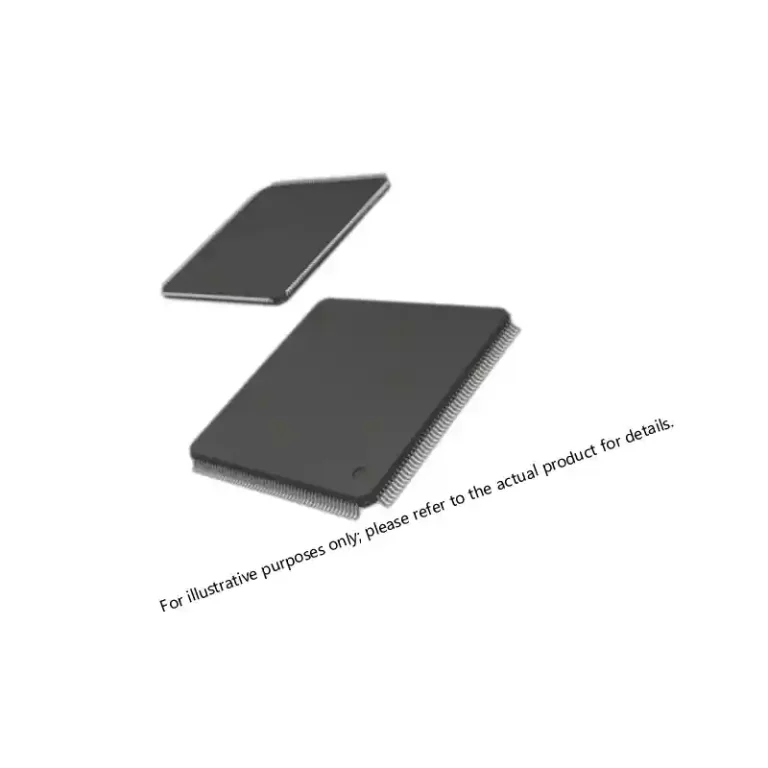
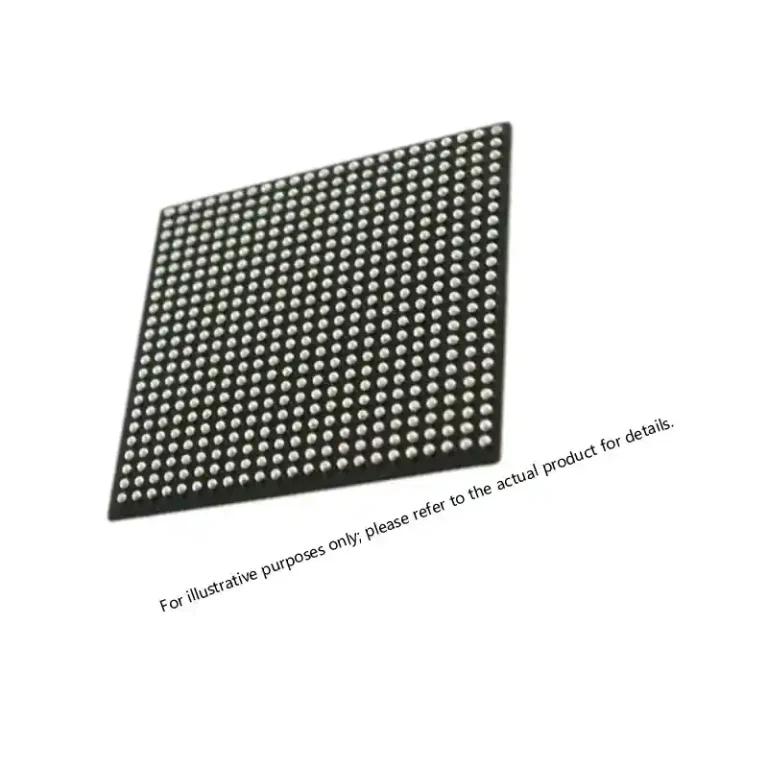
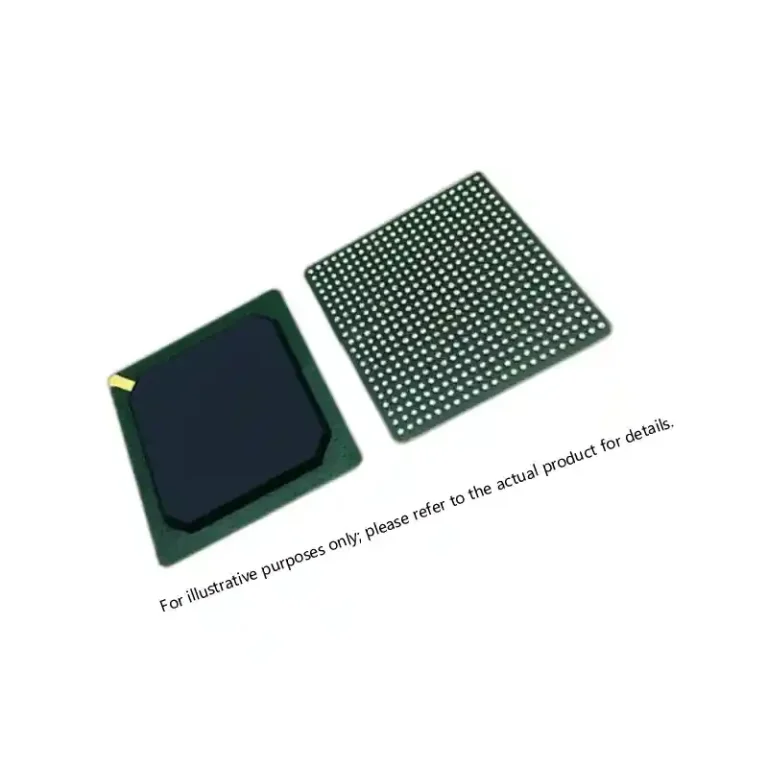
In a UAV, the parts that carry the hardest specification loads are rarely the ones shown on the first block diagram. Processing devices such as FPGAs and DSPs get most of the design attention, but the real selection pressure sits in signal conversion, power conversion, and interface isolation. Flight control processors and payload processing chains need deterministic timing and wide-temperature behavior. A UAV with EO/IR or SAR payloads demands high-speed ADCs that hold linearity near heat from adjacent RF modules, and DACs for waveform generation in the datalink or jamming payload. Memory devices run boot code and sensor logs in environments where industrial-grade refresh windows and temperature ratings fall apart.
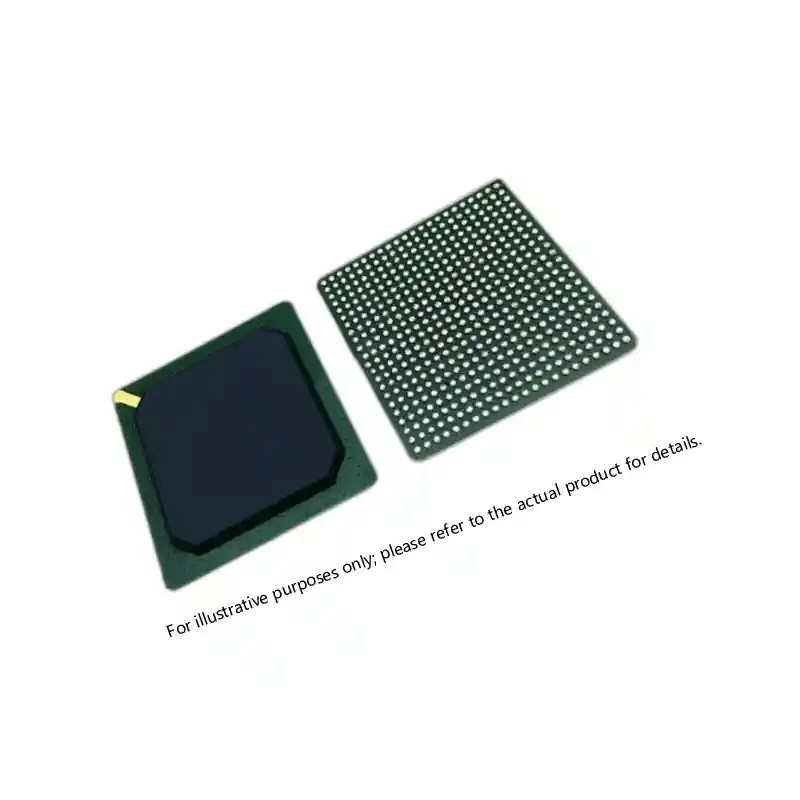
The same logic applies to interface parts. Larger platforms may use MIL-STD-1553 or ARINC 429 links, but smaller UAVs pack the same function into RS-422 and LVDS channels with less electrical margin. Connector selection follows the same discipline. A MIL-DTL-38999 shell that works in a forced-air rack can still create intermittent contacts when the drone flies through a vibration period that excites a specific board stiffener.
| UAV subsystem | Typical component class | Most frequent qualification gap |
|---|---|---|
| Flight control | FPGA, MCU, nonvolatile memory | Watchdog timing over -55 to +125 °C |
| RF datalink | High-speed ADC/DAC, PLL, LNA | Phase noise after repeated thermal cycles |
| EO/IR payload | Analog front end, clock buffer | Offset drift with video-rate ADC |
| Power distribution | DC-DC converter, EMI filter | Load transient response at 28 V bus |
| Connector and interface | MIL-DTL-38999, RS-422 transceiver | Insertion loss after vibration profiles |
I have rejected parts over this exact gap. A high-speed ADC that held its ENOB in a lab test drifted after three flight profiles because the board stiffener transferred vibration into the package in a way the data sheet could not predict. The fix was not a different part number; it was a derating and mounting review before the next lot order.
How Do SWaP Limits Change UAV Electronics Selection?
Size, weight, and power are not procurement afterthoughts. In a manned aircraft, a power module can be sized with reserve. In a UAV, every watt drawn by a converter becomes heat that must leave through a composite airframe with limited airflow. Parts that satisfy a data sheet at room temperature often fail the platform envelope when the vehicle loiters at altitude and the electronics bay reaches 70 °C.
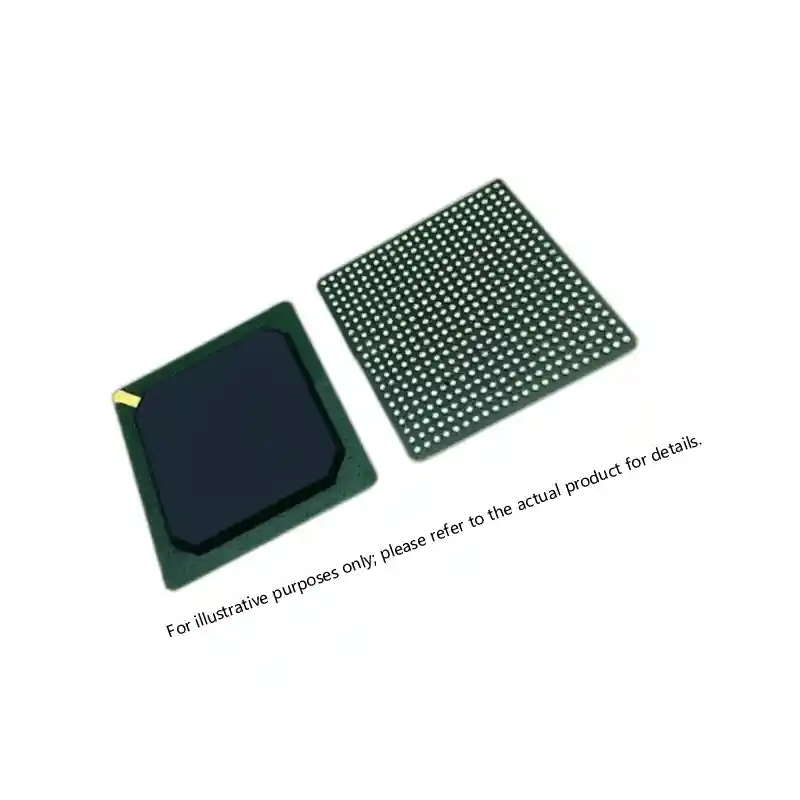
One pattern I see repeatedly is a power tree that works at sea level and collapses at altitude because the converter’s thermal model assumed free convection. In an unmanned platform, convection is often closer to sealed bay conduction. That changes the converter’s derating well before the processor shows a fault.
Why Power Modules Fail Before Processors in Compact UAV Layouts
Power modules fail before processors in compact UAV layouts because the converters carry the full input bus disturbance. A servo actuator on the same rail creates load steps that the converter must absorb without dropping the FPGA’s core voltage. I look for power modules with specified line regulation and load transient response before I compare logic density. A fast processor on a soft 28 V rail is a system that passes bench tests and fails flight tests.
What Makes a Component Suitable for a 28 V Unmanned Bus
The 28 V bus on most military UAVs is not a clean laboratory source. It spikes during payload switching, sags during engine start, and carries ripple from the generator. Input components, EMI filters, and DC-DC converters must tolerate that envelope without derating below 50 percent. I prefer silicon rated above the bus voltage by a factor that accounts for actual transients, not just the nominal voltage printed in the platform specification.
If your UAV program draws from a 28 V bus and you are still comparing converters by rated watts alone, confirm actual load transient response and input ripple tolerance before finalizing your BOM. Send your power tree and input voltage range to xuansc2144@gmail.com and I will check the parts against your flight envelope.
How Do You Qualify a UAV Electronics Supplier Without Slowing the Program?
Supplier qualification on a UAV program usually collides with the schedule. The program wants parts now; the quality team wants paperwork before release. The resolution is not to lower the documentation standard. It is to make traceability a condition of quotation, so the supplier produces the evidence as part of the bid rather than after the fact.
What to Require in a Certificate of Conformance for UAV Builds
A certificate of conformance should name the original manufacturer, the internal lot or date code, the source of supply, and the applicable military or automotive screening basis. For QML parts, the C of C needs to reference the SMD number. For upscreened commercial parts, it needs to state the test flow and the ambient conditions used during the added screening. A C of C that only repeats the part number and quantity tells you nothing about the part’s path.
Why Lot Testing Alone Does Not Close the Traceability Gap
Lot testing confirms electrical performance within a sample. It does not confirm origin. Two lots can pass electrical tests and still differ in thermal impedance, bond wire material, or die revision. I require lot traceability back to the manufacturer’s original packing slip or test record. That matters most on long-duration UAV programs, where a second lot of the same part number can behave differently in the same socket.
How Can You Protect UAV Programs From Counterfeit and Obsolete Parts?
Counterfeit parts enter UAV supply chains through shortage pressure. When a flight control FPGA or a particular ADC goes on long lead time, the temptation to accept grey market parts increases. The problem is not always visual; refinished packages and blacktopped components pass casual inspection. What protects a program is a closed chain of custody from the manufacturer or authorized channel through incoming inspection to the production lot.
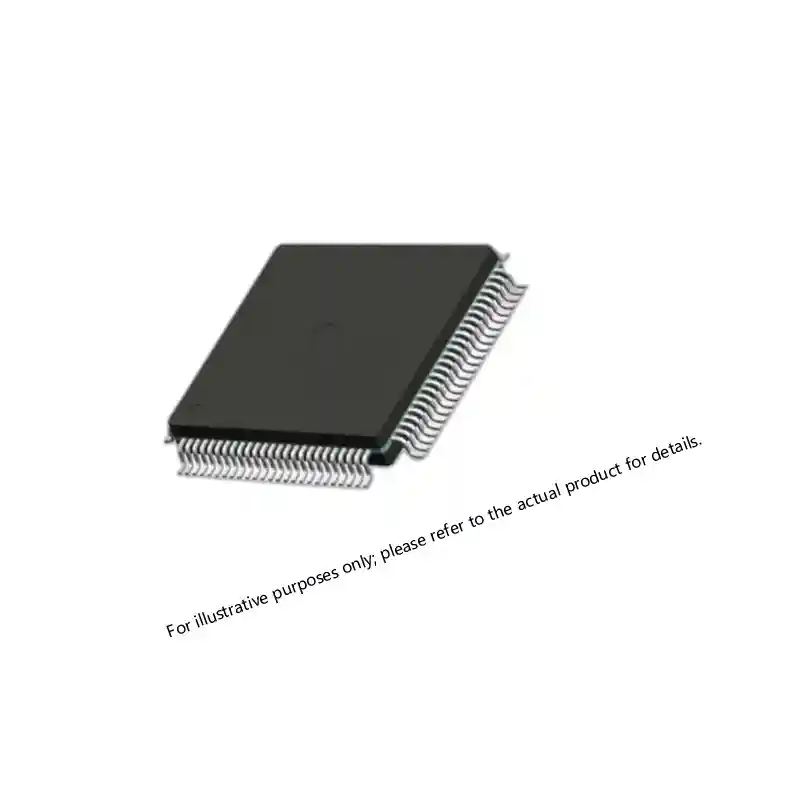
I have seen a single suspect FPGA lot move through two brokers before reaching a UAV build because the original packaging was missing. The parts passed functional test but could not be traced to the original wafer lot. That level of uncertainty is not acceptable when the platform’s mission recorder may later be used in an accident investigation.
Obsolescence hits UAV programs differently than manned platforms. Mission equipment changes often, but the air vehicle itself may remain in service for a decade. When an FPGA goes end of life, a pin-compatible second source rarely exists. I work from a die bank or last-time buy position for parts that sit in the flight control chain. The earlier that list is identified, the cheaper the protection.
What Should You Do When Military-Grade UAV Component Sourcing Becomes the Critical Path?
When the BOM review shows three FPGAs at 52-week lead time, a power module constrained to a single qualified source, and a connector family that has just gone end of life, the component list stops being a procurement detail and starts driving the integrated master schedule. At that point, the most useful move is to put the full bill of materials in front of a supplier who already works inside MIL-SPEC documentation and lot traceability requirements.
That is the sourcing work we do at Sparkle Electronics. Send your BOM, target quantities, and delivery window to xuansc2144@gmail.com and I will confirm current availability, compliance documentation, and realistic lead times against your program dates. If your program has a configuration control constraint, include the approved vendor list and we will check each line against the required pedigree. Prefer a line-by-line conversation? Request a callback through the same email and we will set up a direct call.
What Else Do Buyers Ask About Military-Grade UAV Components?
Do all military-grade UAV components require MIL-STD-883 screening?
No. MIL-STD-883 screening applies mainly to monolithic integrated circuits ordered against a 5962 drawing or a specific Source Control Drawing. Passive parts, connectors, and many power modules follow different qualification documents such as MIL-PRF-38534, MIL-PRF-39003, or MIL-DTL-38999. A UAV program can mix QML class devices with upscreened commercial parts, but each class must be documented separately in the bill of materials. The error to avoid is listing a part as military grade while accepting a commercial data sheet as the only evidence.
Is it acceptable to use upscreened commercial parts on a UAV drone program?
It depends on where the part sits in the system and what the program’s reliability target actually is. For non-flight-critical payload logic or bench support equipment, an upscreened commercial part with documented electrical testing may be acceptable. For flight control, navigation, or fire control functions, the same part often needs additional screening against the platform’s thermal and vibration envelope. The decision should be written into the source control drawing, not left to a buyer’s judgment during a shortage.
How far in advance should you source FPGAs for a long-duration UAV program?
In the programs I have worked on, the answer changes once the platform enters sustainment. During development, 6 to 12 months of planning covers most design wins. Once the air vehicle is qualified and the configuration baseline is locked, identical FPGAs can move to 18-month allocations because foundry capacity and package assembly are shared across multiple defense programs. I start the second-source or die bank conversation at the first production build. Waiting until the shortage appears leaves very few clean options.
What is the fastest way to confirm availability and traceability before a design review?
Send the full part number, date code, and required pedigree, and a qualified distributor can return a compliance check in a few hours. That check should cover original manufacturer, country of origin, screening level, and current lot availability. Share your BOM and compliance requirements with me at xuansc2144@gmail.com and I will confirm which lines are available with full traceability documentation before your review.
If you’re interested, check out these related articles:
A1020B-PG84B ACT2 FPGA: Specs, Sourcing, and Availability
Virtex-7 XC7VX690T: Performance, Reliability, and Integration
XCKU085 UltraScale FPGA: Performance for Critical Systems