NXP Military ICs for Defense Processors and Interfaces
Table of Contents
- NXP Military IC Families for Defense Processor Requirements
- Interface Components and the Bus Standards They Serve
- Qualification and Documentation Requirements for NXP Defense Parts
- Sourcing NXP Military ICs Without Compromising Traceability
- Common Questions About NXP Military ICs for Defense Programs
- Are NXP processors available as QML-qualified military parts?
- What temperature grades should a defense program specify for NXP ICs?
- How do we handle obsolescence for NXP PowerQUICC and QorIQ processors?
- What documentation should we require from a distributor before accepting NXP parts?
For defense programs, NXP military IC selection depends less on processor throughput and more on qualification path, package suffix, and lifecycle planning. In twelve years of sourcing these devices, I have seen the same mistake repeat: engineers choose a QorIQ or PowerQUICC part for its performance, then discover the required extended-temperature variant is unavailable or carries a different boot boundary. This article sorts NXP processing and interface components by the roles they actually serve in military embedded computing and the documentation required to keep every lot traceable from quote to board.
NXP Military IC Families for Defense Processor Requirements
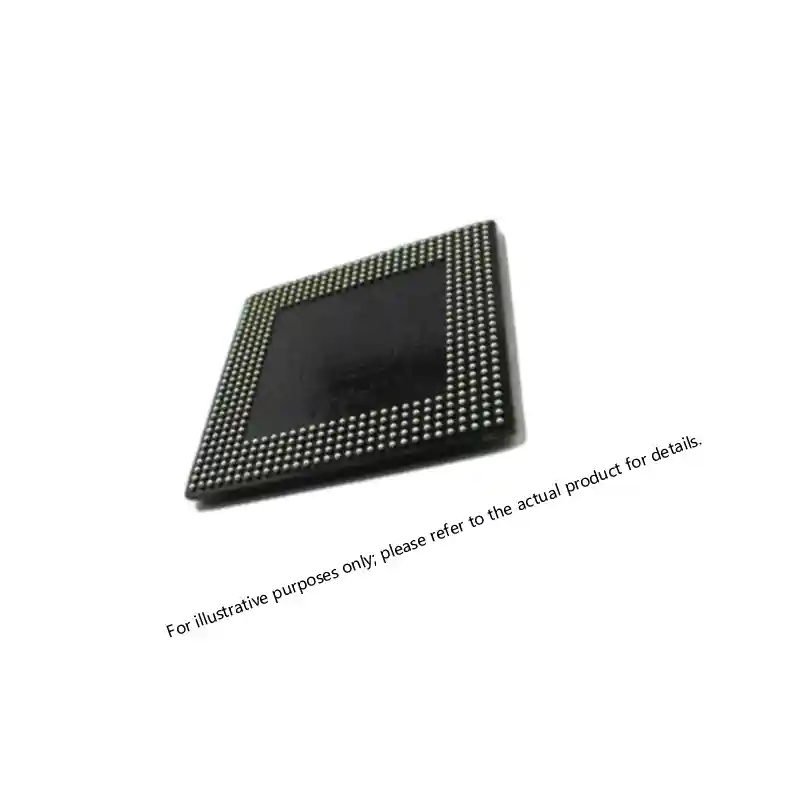
NXP does not field a broad QML processor catalog the way some FPGA suppliers do for defense programs. Most NXP devices reach military systems as extended-temperature, automotive, or ruggedized COTS parts, then get screened or accepted under a customer specification. That distinction matters. A part number like P2020NXE2KHC is not a MIL-SPEC device. It is a QorIQ P2020 dual-core communications processor with a specific temperature range and package configuration. Procurement has to confirm the suffix, not just the family name.
| Device | Architecture | Typical defense role | Sourcing note |
|---|---|---|---|
| P2020NXE2KHC | QorIQ P2020 dual-core | Embedded communications, control plane | Confirm temperature grade and BGA suffix |
| MPC8245TZU333D | PowerQUICC II | Legacy single-board computers, protocol handling | Watch for end-of-life status |
| MPC8265ACZUMHBC | PowerQUICC II | Mission computers, line cards | Verify date codes on older lots |
| MPC8349EVVALFB | PowerQUICC II Pro | Network processing, data plane | Check board-level compatibility |
| T1040NXN7MQB | QorIQ T1040 quad-core | High-throughput processing, encryption offload | Confirm boot flash dependency |
The QorIQ T-series is the strongest fit for newer defense programs that need multicore processing without moving to a larger, hotter device. The PowerQUICC II and II Pro families remain common in sustainment because so many deployed systems still use them. This creates a split sourcing profile. New designs lean on T-series availability, while depot and repair programs depend on older PowerQUICC stock. I have worked both sides, and the second is usually harder to fill because factory supply has dried up and the remaining inventory sits with independent distributors who differ widely in testing discipline.
Interface Components and the Bus Standards They Serve
NXP processors integrate most of the interfaces a defense embedded board needs: PCI, PCIe, Ethernet, UART, and memory controllers. What they do not integrate are the military bus standards. MIL-STD-1553, ARINC 429, and aerospace CAN variants come from dedicated protocol vendors, not from NXP. A complete BOM usually pairs an NXP processor with separate 1553 transceivers or ARINC line drivers, and that pairing is where schematic review and part compatibility live.
For programs that need deterministic communication across backplane cards, the processor’s PCI or PCIe interface becomes the bridge to an FPGA or a bus controller. NXP’s older PowerQUICC devices were widely used with PCI-based VME bridges because those processors already carried the PCI controller and the required voltage rails. That legacy design pattern persists in sustainment programs, which is why a part like MPC8265ACZUMHBC keeps showing up in depot repair lists. Designers often treat the processor as the center of the board and the protocol devices as add-ons. That view holds until a 1553 interface goes obsolete and the replacement changes the address map. The BOM should be reviewed as a set, not as individual line items.
Qualification and Documentation Requirements for NXP Defense Parts
The biggest documentation gap I see is not counterfeit parts. It is missing linkage between the part number suffix and the test flow. A defense program may accept an industrial NXP processor, but only after incoming inspection, temperature cycling, and a lot-level traceability record. Without that record, an auditor cannot connect the bag of parts to a specific date code or test report. For NXP parts with no QML listing, the customer’s source control drawing does the qualification work, and the distributor’s paperwork has to match every revision.
If your program uses NXP processors in extended-temperature or ruggedized configurations, confirming the suffix and test flow before freezing the BOM avoids a redesign later. Send the part number, quantity, and any source control drawing to xuansc2144@gmail.com and we will confirm stock, date codes, and documentation coverage.
For defense buyers, three documents matter on every NXP line item: the Certificate of Conformance, the lot or date code trace record, and any test or screening report tied to that lot. Some programs also ask for a Certificate of Authenticity or a supplier declaration. The pattern that works is to request the documentation at quote stage, not at receiving. If a distributor cannot show the lot trace before shipment, assume it will not appear after the parts land.
Sourcing NXP Military ICs Without Compromising Traceability
NXP military IC sourcing often fails at the handoff between the approved vendor list and available stock. A design may call for P2020NXE2KFC, but the only listed stock is P2020NXE2KHC with a different temperature suffix. An experienced sourcing partner can map those suffix differences before the quote goes to the program office, not after the parts arrive. At Sparkle Electronics, we stock and source NXP QorIQ and PowerQUICC devices, including legacy part numbers that have moved out of factory production. We also trace every lot back to the original manufacturer or the authorized channel before shipment.
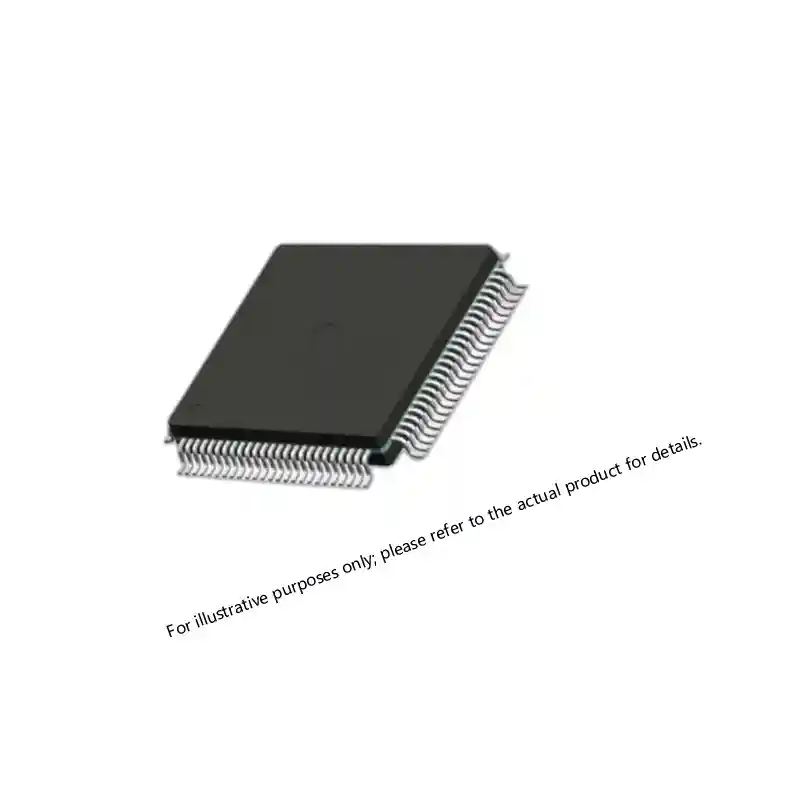
When an NXP processor is scarce, the temptation is to accept whatever date code appears. That creates risk if the part cannot be tied to a specific lot or test flow. For defense programs, traceability is the requirement, not an option. Send your NXP part number and quantity to xuansc2144@gmail.com, and we will confirm stock, date codes, documentation, and whether a form, fit, and function match exists before you commit.
Common Questions About NXP Military ICs for Defense Programs
Are NXP processors available as QML-qualified military parts?
Most are not. NXP’s QorIQ and PowerQUICC devices generally enter defense programs as extended-temperature or ruggedized COTS parts, then undergo screening or qualification under the customer’s source control drawing. That does not make them unsuitable. It means the program, not the maker, owns the qualification evidence. If your requirement sheet says QML, confirm with the design authority whether an upscreened COTS NXP device with full lot traceability can satisfy the same function. Starting with that conversation prevents a long sourcing search for a QML NXP part that may not exist under the exact part number in the BOM.
What temperature grades should a defense program specify for NXP ICs?
For most NXP devices, request the widest temperature grade the part actually offers. Many QorIQ and PowerQUICC parts are specified from 0 to 105 degrees Celsius, while some extended variants cover negative 40 to positive 105 or 125. A military program should not assume every part number has an extended-temperature twin. Match the environment first. If the board sits in a conditioned avionics bay, a commercial or extended part may work after qualification. If the assembly faces desert heat, the difference in temperature suffix decides whether the processor throttles or fails early.
How do we handle obsolescence for NXP PowerQUICC and QorIQ processors?
It depends on whether the part is still in production, in last-time-buy status, or already obsolete. For active QorIQ T-series devices, long-term supply is easier, and we usually recommend scheduled builds plus a small safety buffer. For older PowerQUICC II and II Pro parts, obsolescence is the ruling constraint. I check approved part lists against factory discontinuance notices before a bid, because finding an alternate that changes boot behavior costs more than the component itself. For truly obsolete parts, we work from remaining authorized stock and propose drop-in or near-drop-in alternates only after confirming form, fit, and boot compatibility.
What documentation should we require from a distributor before accepting NXP parts?
Require the Certificate of Conformance, lot or date code trace record, and any test or screening report tied to that exact lot before the parts ship. If a distributor offers only a packing slip, work elsewhere. For defense programs, I also ask whether the devices were stored in dry, ESD-safe conditions and whether the distributor can show chain of custody from the original source. This documentation is easier to collect at quote stage than after receipt. Send the part number, quantity, and required traceability documents to xuansc2144@gmail.com and we will verify the lot records before you accept delivery.
If you’re interested, check out these related articles:
A1020B-PG84B ACT2 FPGA: Specs, Sourcing, and Availability
Virtex-7 690T FPGA: Performance for Mission-Critical Systems