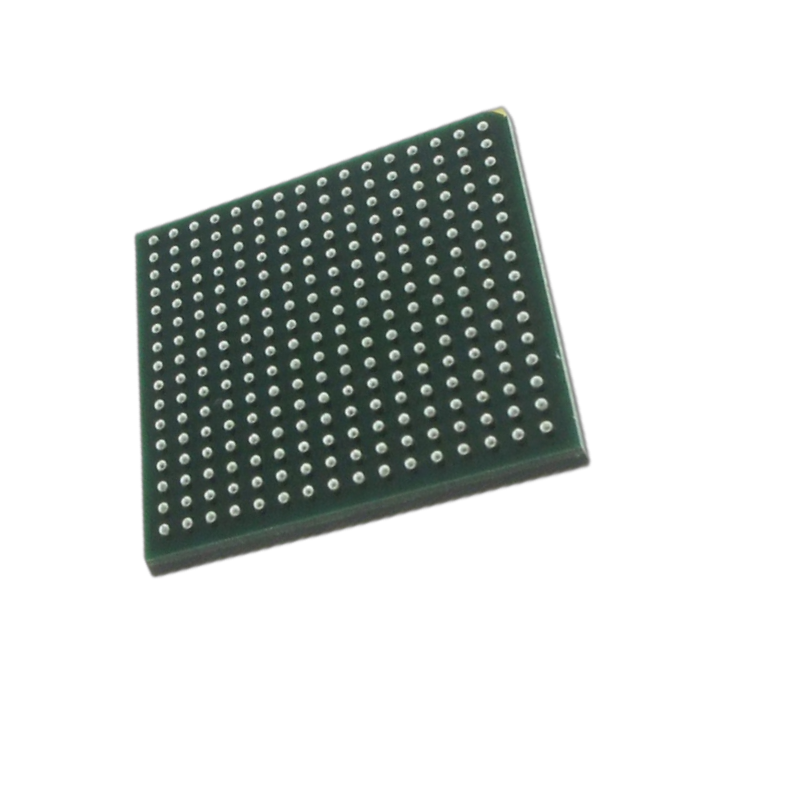
ALTERA EPM1270F256I5N
- 1270 logic elements and 640 macrocells for flexible logic implementation
- 300MHz maximum operating frequency for high-speed signal processing
- 256-pin FineLine BGA package for compact system integration
- 2.3V to 3.6V wide supply voltage range for versatile compatibility
- -40°C to +85°C operating temperature range for industrial environments
Related Products For Your Business
The Altera EPM1270F256I5N is a MAX II CPLD — 1,270 LEs (≈980 equivalent macrocells), 8,192-bit User Flash Memory (UFM), up to 212 user I/Os, 304 MHz maximum counter frequency — in the 256-pin FineLine BGA package, industrial speed grade −5. Built on Altera’s 0.18µm 6-layer-metal flash process, MAX II is an instant-on, non-volatile CPLD that powers up configured — no external configuration device or load time — making it the standard choice for power sequencing, bus bridging, I/O expansion, device configuration control, and system management functions in avionics, defense, and industrial electronics boards where guaranteed instant-on behavior at power-up is required.
MAX II Family Density Comparison — F256 Package
| Device | LEs | Equiv. Macrocells | Max User I/Os | tPD (−5 grade) | UFM |
|---|---|---|---|---|---|
| EPM1270F256I5N (this) | 1,270 | ~980 | 212 | 6.2 ns | 8,192 bits |
| EPM2210F256I5N | 2,210 | ~1,700 | 204 | 7.0 ns | 8,192 bits |
| EPM570F256I5N | 570 | ~440 | 160 | 5.4 ns | 8,192 bits |
The F256 package supports vertical migration across EPM570, EPM1270, and EPM2210 — all three share the same dedicated, JTAG, and power pin assignments, enabling density upgrade or downgrade without PCB redesign. The I5 industrial speed grade covers −40°C to +100°C operation. EPM1270 is the mid-density MAX II option: larger than EPM570 for complex glue logic, interface bridging, and POR sequencing with state machines, but below EPM2210 for applications not requiring the largest macrocell count. The 8,192-bit UFM block provides persistent non-volatile storage for configuration registers, calibration offsets, or board serial numbers without requiring a separate external flash.
FAQ
What does EPM1270F256I5N decode to?
EPM = MAX II CPLD family; 1270 = 1,270 LEs / ~980 equivalent macrocells; F256 = 256-pin FineLine BGA; I5 = industrial temperature, speed grade 5 (slowest industrial grade); N = lead-free.
What is the difference between MAX II LEs and equivalent macrocells?
MAX II uses 4-input LUT-based logic elements (LEs) rather than traditional CPLD macrocells. Each LE is approximately equivalent to 0.77 traditional macrocells. The EPM1270’s 1,270 LEs equate to approximately 980 macrocells for direct comparison with older MAX devices or competitor CPLDs.
What is the User Flash Memory (UFM) block?
An 8,192-bit non-volatile flash storage block available in all MAX II devices. It is accessible from the logic array and JTAG interface, providing persistent storage for parameters, calibration data, or device identifiers without requiring an external EEPROM or flash device.
Is MAX II truly instant-on?
Yes. MAX II stores its configuration in internal flash (CFM block) that automatically loads the logic array at power-up — no external configuration device, no load delay. Configuration completes within microseconds of power supply reaching operating voltage.
What is the F256 package vertical migration path?
EPM570F256, EPM1270F256, and EPM2210F256 share identical dedicated and JTAG pin assignments and power pin supersets, enabling density migration without PCB changes. I/O pin assignment changes may be needed — use Quartus Prime Pin Migration Viewer to verify.
Can MAX II interface with 5V systems?
Yes, with limitations. When VCCIO = 3.3V, MAX II I/Os can drive 5V TTL loads (not 5V CMOS). PCI-compliant I/O (3.3V PCI) is supported in Bank 3 of EPM1270 and EPM2210, which includes PCI clamping diodes and drive compliance circuitry.