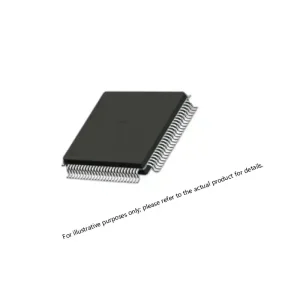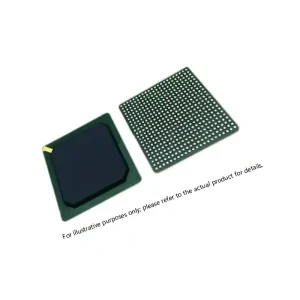

ALTERA EP1K50QC208-3
- 50,000 usable logic gates for mid-range applications
- 2,880 logic elements with embedded memory blocks
- Maximum operating frequency of 166 MHz
- 2.5V core voltage for low-power operation
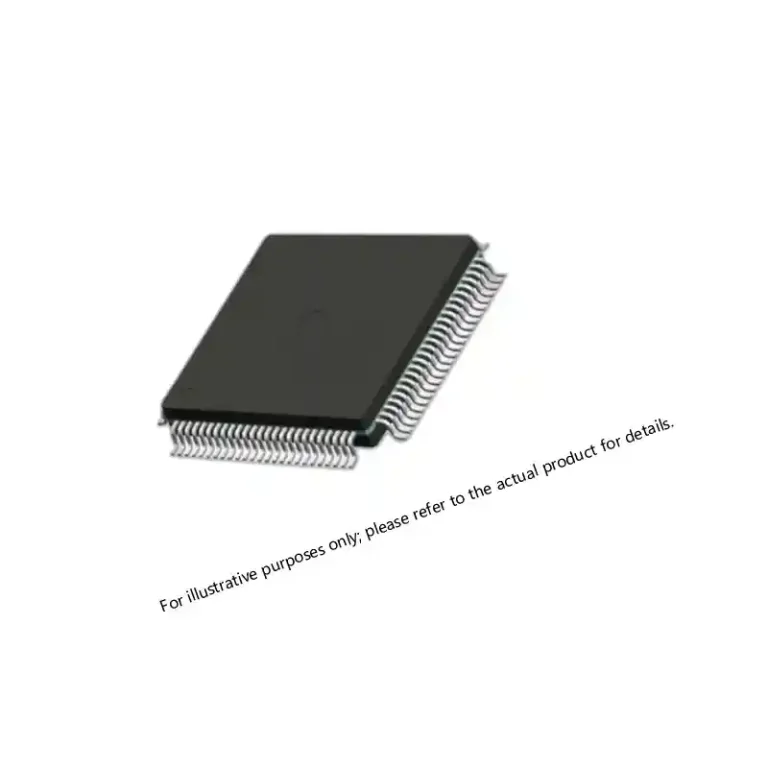
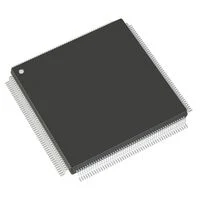
- 208-pin PQFP package for flexible PCB integration
Radar and electronic warfare systems often require cost-effective, reliable FPGAs for signal processing and control functions where extreme performance is not the primary requirement. The ALTERA EP1K50QC208-3 delivers a balanced combination of logic density, speed, and power efficiency, making it suitable for a range of defense and industrial applications.
As part of Altera's ACEX 1K series, this FPGA integrates embedded memory and configurable logic blocks to support real-time processing in radar signal conditioning, communication systems, and industrial control platforms. Its robust design and extended temperature range ensure reliable operation in harsh environments, while its mature manufacturing process provides consistent performance and supply chain stability.
Related Products For Your Business
The Altera EP1K50QC208-3 is an ACEX 1K family FPGA — 50,000 typical system gates, 2,880 LEs, 10 Embedded Array Blocks (EABs, 4,096 bits each = 40,960 total RAM bits), 147 user I/Os — in the 208-pin PQFP package, commercial speed grade −3 (fastest in the ACEX 1K family). The ACEX 1K architecture combines LUT-based logic with large EAB memory blocks on the same die, enabling SOPC (System-on-a-Programmable-Chip) integration of logic and RAM in a single 2.5V device — the first Altera family to combine these two resources cost-effectively for embedded systems targeting communications, DSP, and interface applications.
ACEX 1K EP1K50 Speed Grade Comparison
| OPN | Speed Grade | Typical Max Freq. | Package | I/Os | Temp Range |
|---|---|---|---|---|---|
| EP1K50QC208-3 (this) | −3 (fastest) | ~167 MHz | 208-PQFP | 147 | 0°C to +85°C |
| EP1K50QC208-2 | −2 | ~200 MHz counter | 208-PQFP | 147 | 0°C to +85°C |
| EP1K50QI208-3 | −3 | ~167 MHz | 208-PQFP | 147 | −40°C to +85°C (I) |
The −3 speed grade is the slowest commercial grade for ACEX 1K, offering the most relaxed timing margin at lowest cost. The QC208 designates a commercial temperature (0°C to +85°C) 208-pin PQFP package. Each of the 10 EABs can independently implement RAM, ROM, dual-port RAM, or FIFO — at 4,096 bits each — without consuming any LEs. This resource independence is the key architectural advantage of ACEX 1K over earlier Altera FLEX families: in FLEX 10K, each EAB provided only 2,048 bits; ACEX 1K doubles the EAB capacity to 4,096 bits, reducing the EAB count needed for a given memory implementation. For legacy board repair and MRO procurement where the original EP1K50QC208-3 part number is called out in an approved parts list, Sparkle Milchip maintains inventory with full lot traceability and AS6081-compliant anti-counterfeit inspection.
FAQ
What does EP1K50QC208-3 decode to?
EP1K = ACEX 1K family; 50 = 50,000-gate class; Q = PQFP package type; C = commercial temperature (0°C to +85°C); 208 = 208 pins; −3 = speed grade 3 (slowest commercial, most relaxed timing).
What are EABs and how many does EP1K50 have?
EABs (Embedded Array Blocks) are large, dedicated on-chip RAM blocks in the ACEX 1K architecture. Each EAB provides 4,096 bits configurable as RAM, ROM, dual-port RAM, or FIFO, without consuming any LEs. The EP1K50 has 10 EABs for 40,960 total RAM bits.
How does ACEX 1K compare to FLEX 10K?
ACEX 1K uses 2.5V core voltage (vs. 5.0V for original FLEX 10K), 0.22µm process (vs. 0.42µm), and 4,096-bit EABs (vs. 2,048-bit FLEX 10K EABs). ACEX 1K is the successor device offering lower power, higher speed, and larger EABs at comparable or higher density.
What is the maximum user I/O count for EP1K50 in 208-PQFP?
147 user I/Os in the 208-pin PQFP package. The remaining pins are dedicated to power, ground, configuration, and JTAG.
Is EP1K50QC208-3 still in production?
ACEX 1K is a mature/legacy family. Production status should be confirmed with Intel/Altera at time of procurement. Sparkle Milchip maintains inventory from authorized channels with full date code traceability for MRO and sustainment orders.
What is the recommended migration path from ACEX 1K?
Intel’s legacy migration guides cover RTL portability from ACEX 1K to Cyclone IV E (EP4CE family), which offers comparable or higher density at lower power on a modern 60nm process. For designs requiring EAB-equivalent memory, Cyclone IV’s M9K blocks serve the same purpose with higher capacity per block.