
Selecting a MIL-SPEC FPGA Supplier: Key Considerations for Mission-Critical Systems
Table of Contents
- Why Supplier Qualification Comes Before FPGA Selection
- Matching the FPGA Family to the Mission Environment
- Evidence to Require Before Accepting a Lot
- RFQ and Supplier Evaluation Criteria
- Preparing a Supplier RFQ That Separates Quotes
- Long-Term Supply and Obsolescence Control
- Build a Traceable MIL-SPEC FPGA Supply Plan
- Frequently Asked Questions
- What is the difference between QML Class Q and Class V?
- Does a MIL-SPEC FPGA supplier need to be the original manufacturer?
- What documentation should I receive with a MIL-SPEC FPGA lot?
- How should obsolescence be handled for long-running defense programs?
- References
MIL-SPEC FPGA supplier selection is rarely a routine purchasing decision. For radar processing, electronic warfare, secure communications, avionics, and long-duration defense programs, the FPGA supplier directly affects qualification evidence, configuration security, obsolescence control, and program risk. A low-cost quote without the right device pedigree can create a much larger problem than a delayed delivery.
The evaluation should therefore treat the supplier as a compliance gate and a long-term program partner rather than a simple parts source. The strongest shortlists are built on three layers: device-to-mission fit, documented quality and traceability, and supply-chain continuity across the program lifecycle.
Why Supplier Qualification Comes Before FPGA Selection
The foundation for most MIL-SPEC FPGA procurement is MIL-PRF-38535, the general specification for monolithic microcircuits used in military and high-reliability applications [1]. It defines manufacturer certification under QML Class Q for military devices and QML Class V for space- and missile-grade devices. A supplier should be able to explain whether a device is QML-listed, screened to MIL-STD-883, or qualified through another accepted defense flow with equivalent evidence [2].
That distinction matters because “MIL-SPEC” is not a single test result. It can mean a true QML device, a JANTX/JANTXV semiconductor, a 5962-series part, or an /883-screened component. Each path carries different documentation, lot control, and allowed test reductions. The supplier’s role is to prove which path applies and to provide the lot-specific evidence for every part number quoted.
Supplier qualification should also include counterfeit mitigation. Mature distributors follow the avoidance, detection, and disposition framework of SAE AS5553 for original manufacturers and AS6081 for distribution [3][4]. Those controls should be visible before a purchase order is placed, not after receiving a questionable lot.
Matching the FPGA Family to the Mission Environment
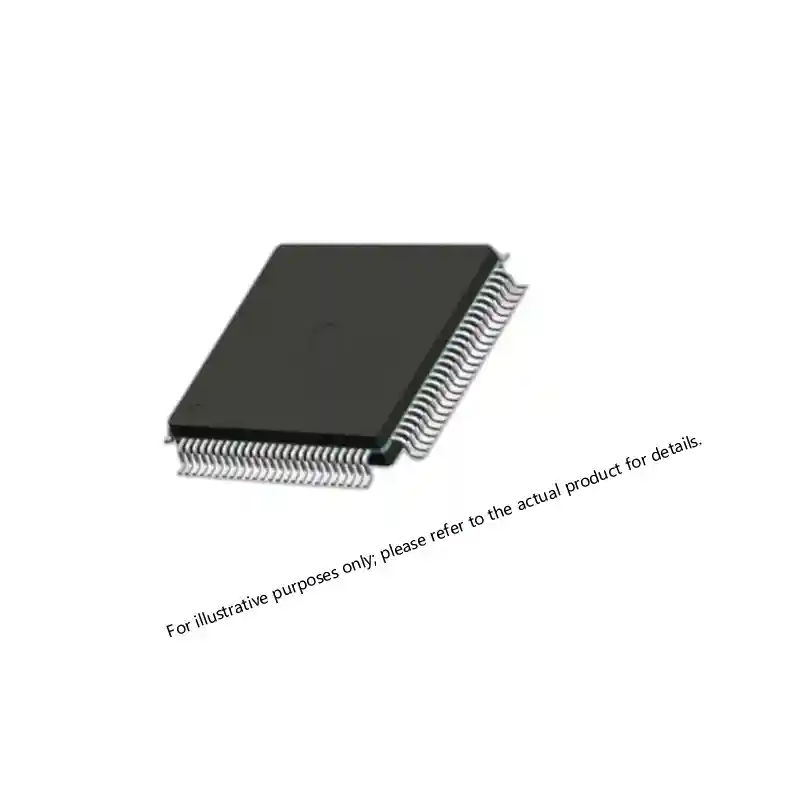
Mission requirements should drive the FPGA family before the supplier discussion reaches pricing. SRAM-based devices such as high-density Xilinx UltraScale and Virtex-7 products are common choices for defense signal processing, while flash-based and antifuse-based Actel and Microchip devices are frequently evaluated where configuration security, live-at-power-up behavior, or radiation tolerance is a concern.
A supplier should be able to support both sides of that spectrum. Programs with high-throughput ADC/DAC interfaces may require a large Kintex UltraScale or Virtex device, while secure boot, anti-tamper, or single-event tolerant applications may point toward Axcelerator, ProASIC3, SmartFusion2, or PolarFire. The evaluation should confirm that the supplier can maintain traceability across mix-and-match device families rather than only clearing fast-moving commercial-grade inventory.
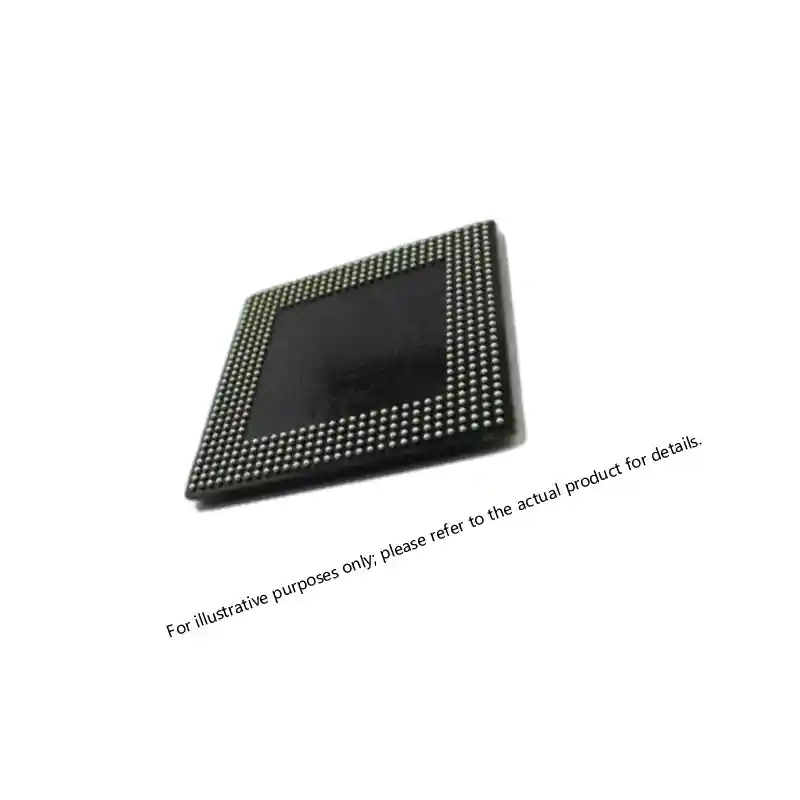
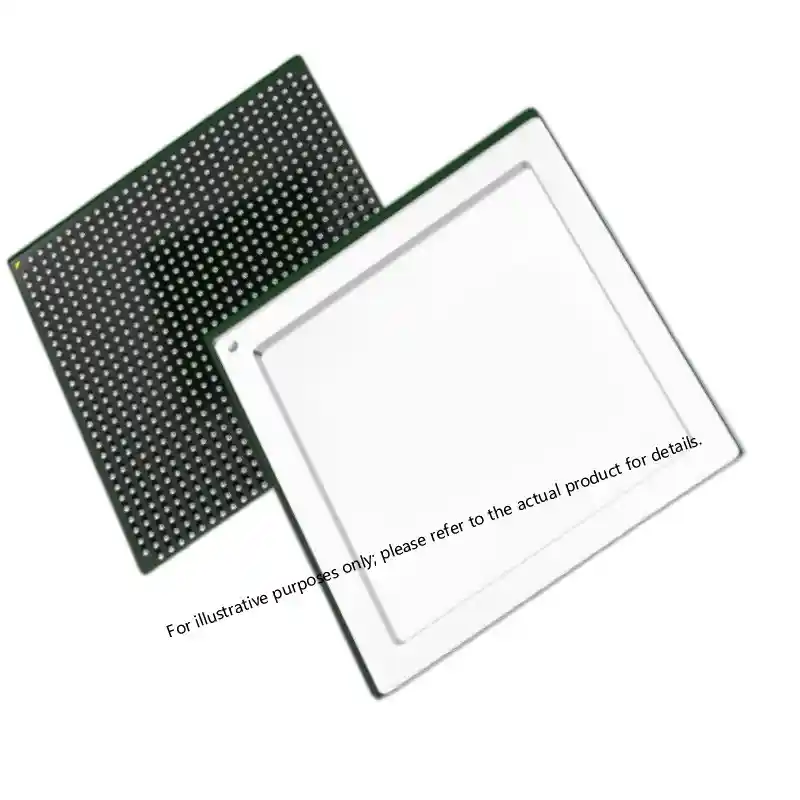
Temperature range is another practical filter. Many defense programs require operation from -55°C to +125°C, with the exact limits tied to the device datasheet and the applicable qualification method [1][2]. Hermetic packaging, lead finish, and assembly location should be confirmed part-number by part-number, because two devices from the same family can have different pedigree depending on the suffix and manufacturing flow.
For aerospace and defense programs, the supplier should also be comfortable working with both radiation-tolerant and radiation-hardened requirements [7]. The difference is not a marketing label: a rad-hard Class V device carries different lot controls and test documentation than a commercial device with only limited total-ionizing-dose data.
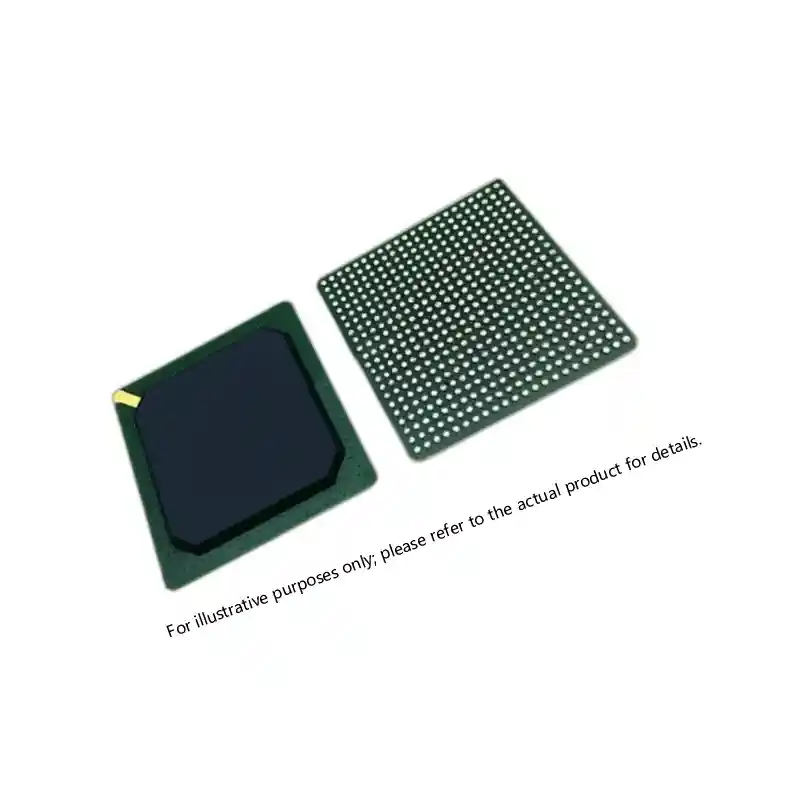
For defense-oriented Xilinx UltraScale and Virtex-7 evaluation, adjacent device guides can anchor the supplier conversation around real part numbers and real program constraints. <XCKU115 UltraScale FPGA: Powering Critical Defense Systems> covers critical defense system applications for the XCKU115.
Evidence to Require Before Accepting a Lot
A qualified supplier should provide lot-level documentation, not only a product brochure. The following table summarizes the evidence that separates a defense-capable FPGA source from a transactional parts vendor.
| Evidence to Request | What It Confirms | Governing Standard or Framework |
|---|---|---|
| QML Q or QML V listing | Manufacturer certification and device-level qualification | MIL-PRF-38535 [1] |
| Screening test report | 100% lot screening and acceptable defect levels | MIL-STD-883 [2] |
| Certificate of Conformance | Part number, lot code, date code, and QML/883 path | AS6081/AS5553 [3][4] |
| Counterfeit risk disclosure | Chain-of-custody and authorized-source confirmation | AS5553/AS6081 [3][4] |
| Obsolescence and die-bank plan | Long-term supply and last-time-buy options | Program-specific requirement |
| Radiation or environmental data | Rad tolerance or space-level suitability | MIL-PRF-38535 Class V / JEDEC qualification [1][7] |
The table above is intentionally limited. For larger Bills of Materials, the strongest distributors can provide a per-line-item evidence package that matches the quality level, date code, and test flow required by the program.
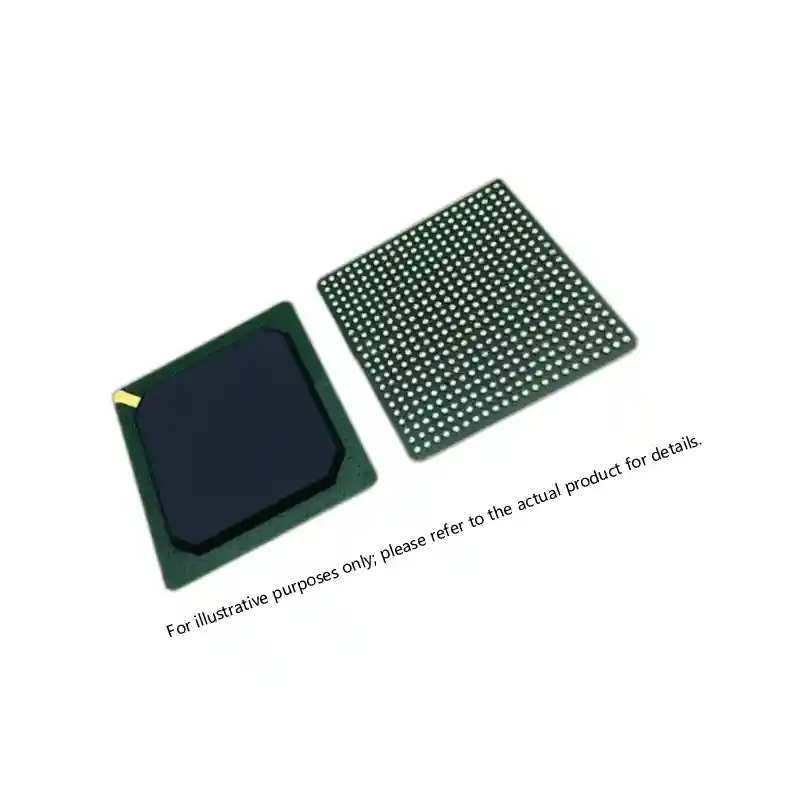
When verifying a specific MIL-SPEC FPGA pedigree, a part-level review can help the buyer ask sharper supplier questions. <A1020B-PG84B ACT2 FPGA: Specs, Sourcing, and Availability> covers specifications, sourcing, and availability for a legacy ACT2 device.
RFQ and Supplier Evaluation Criteria
A defense RFQ should not be an email with a part number and a quantity. The strongest RFQs ask for five separate responses: device pedigree, lot documentation, lead time and stock location, alternate-source options, and lifecycle support.
For each line item, the supplier should confirm the exact quality level – QML, /883, JANTX, or 5962-series – and the manufacturer’s current qualification status. If the device is from older Actel, Altera, Xilinx, or Atmel product lines, the supplier should also identify how the device is stored, whether the stock is factory-sealed, and what incoming inspection has already been performed.
Price matters, but it should be evaluated after documentation. A supplier that cannot produce traceability for a lot is not providing a lower-cost equivalent; it is transferring qualification risk to the buyer.
Preparing a Supplier RFQ That Separates Quotes
For mission-critical programs, send the following to xuansc2144@gmail.com: part numbers and acceptable alternates, required quality level and screening flow, target delivery window, program milestones, and any export or compliance restrictions. A complete request allows a supplier to confirm inventory, lot date codes, and documentation before quoting, which shortens the time from RFQ to a defensible procurement decision.
Long-Term Supply and Obsolescence Control
MIL-SPEC FPGAs frequently outlive the commercial supply windows that originally supported them. Defense programs often need to maintain a design for ten, fifteen, or twenty years, while the original manufacturer may discontinue the exact speed grade or package. Supplier selection should therefore include an obsolescence conversation at the first quote, not after a shortage appears.
The supplier should be able to discuss die banking, controlled storage, last-time-buy coordination, and drop-in second-source development. For legacy FPGA families, a distributor with long-held stock and documented test history is often the only practical bridge between a mature program and a formal redesign.
Export-control and cybersecurity rules also shape the long-term relationship. NDAA Section 889 restrictions and DFARS clauses flow down into component purchases, and the supplier should be able to confirm that quoted parts do not introduce prohibited equipment or covered contractor risk [5][6]. Configuration security is another dependency: if the FPGA supplier is also supporting configuration PROMs or secure memory, that support should be verified as part of the same supply chain rather than assumed.
For programs already committed to Virtex-7, the supply-product detail matters as much as the device choice. <Virtex-7 XC7VX690T: Performance, Reliability, and Integration> covers performance, reliability, and integration for the XC7VX690T.
Build a Traceable MIL-SPEC FPGA Supply Plan
Sparkle Electronics supports mission-critical FPGA sourcing with document-based verification, lot-level traceability, and long-term program support across Xilinx, Microsemi, Actel, Altera, and QML/883 device families. For a BOM-level review or a compliance-ready quote, send your part list and program requirements to xuansc2144@gmail.com with the required quality level and delivery window.
Frequently Asked Questions
What is the difference between QML Class Q and Class V?
QML Class Q is for military devices, while QML Class V is for space- and missile-grade devices. Both are defined under MIL-PRF-38535, but Class V includes more stringent lot conformance and reliability requirements [1].
Does a MIL-SPEC FPGA supplier need to be the original manufacturer?
No. Authorized and independent distributors can be valid MIL-SPEC FPGA suppliers if they maintain the appropriate traceability, lot documentation, counterfeit mitigation, and storage controls under AS6081 and AS5553 [3][4].
What documentation should I receive with a MIL-SPEC FPGA lot?
At minimum, request a Certificate of Conformance, lot-level screening or test data, chain-of-custody records, and evidence that the device belongs to the claimed QML, /883, JANTX, or 5962-series pedigree.
How should obsolescence be handled for long-running defense programs?
Obsolescence should be addressed before shortage. Ask for die-bank options, last-time-buy coordination, controlled storage history, and a second-source or drop-in replacement analysis for every long-lead FPGA in the program.
References
[1] U.S. Department of Defense, “MIL-PRF-38535, Integrated Circuits (Microcircuits) Manufacturing, General Specification for,” Defense Logistics Agency, current revision.
[2] U.S. Department of Defense, “MIL-STD-883, Test Method Standard for Microcircuits,” current revision.
[3] SAE International, “AS5553, Counterfeit Electrical, Electronic, and Electromechanical (EEE) Parts; Avoidance, Detection, Mitigation, and Disposition,” current revision.
[4] SAE International, “AS6081, Fraudulent/Counterfeit Electronic Parts: Avoidance, Detection, Mitigation, and Disposition – Distributors,” current revision.
[5] U.S. Department of Defense, “DFARS Part 252, Defense Federal Acquisition Regulation Supplement,” current revision.
[6] U.S. Congress, “National Defense Authorization Act for Fiscal Year 2019, Section 889, Prohibition on Certain Telecommunications and Video Surveillance Services or Equipment,” Public Law 115-232.
[7] JEDEC, “JESD47, Stress-Test-Driven Qualification of Integrated Circuits,” current revision.
If you’re interested, check out these related articles:
A1020B-PG84B ACT2 FPGA: Specs, Sourcing, and Availability
Virtex-7 XC7VX690T: Performance, Reliability, and Integration
Virtex-7 XC7VX690T: Performance and Reliability Insights