
Sourcing BTTC Military Components for Defense Integration
Table of Contents
- What Do BTTC Military Components Mean for Defense Systems Integration?
- Which BTTC Component Specifications Matter Before Integration?
- How do temperature grade and screening flow change the integration decision?
- Which documentation requirements apply to BTTC military components?
- How Do Traceability and Documentation Keep BTTC Integration Audit-Ready?
- What does a complete traceability package include?
- When should incoming inspection go beyond visual checks?
- Where Do BTTC Military Components Fit in a Defense BOM?
- How Should You Source BTTC Military Components Without Integration Risk?
- What Do Buyers Ask About BTTC Military Components?
- Are BTTC military components always traceable to a military drawing?
- What is the difference between JANTX and QML for BTTC military components?
- Why do date code and lot code matter during integration?
- Can a commercial BTTC part be upscreened for defense integration?
BTTC military components carry the same integration burden as any hi-rel part: the component can be qualified, but the paperwork and supply history determine whether it survives a defense program audit. In systems integration work, I have seen more delays from incomplete traceability packages than from electrical failures. The practical requirement is to treat BTTC military components as a documentation problem first and an electrical problem second. That means confirming part number, date code, lot identity, certificate of conformance, and test reports before a sample reaches the bench. Sparkle Electronics sources these parts with that sequence in mind.
What Do BTTC Military Components Mean for Defense Systems Integration?
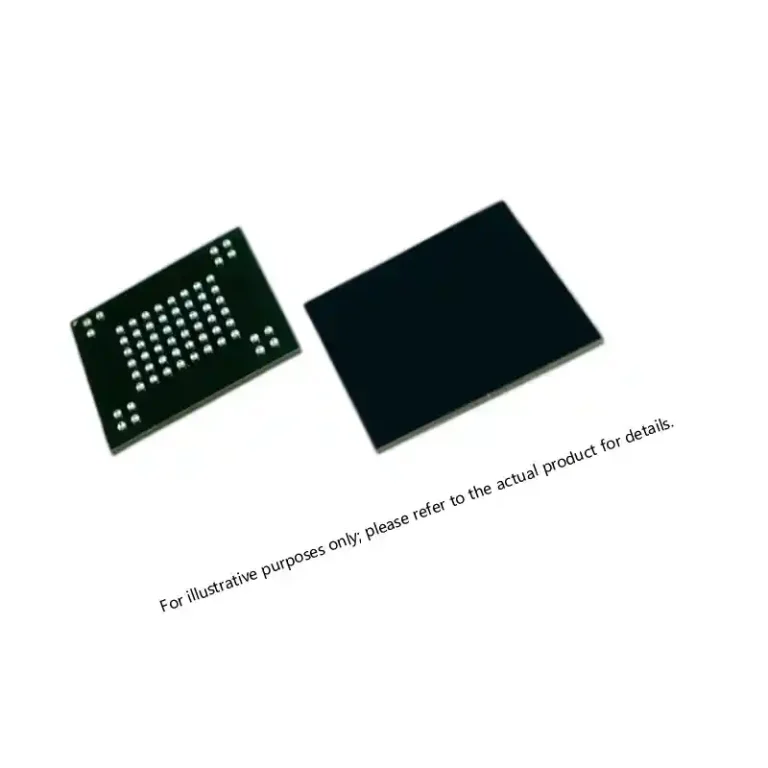
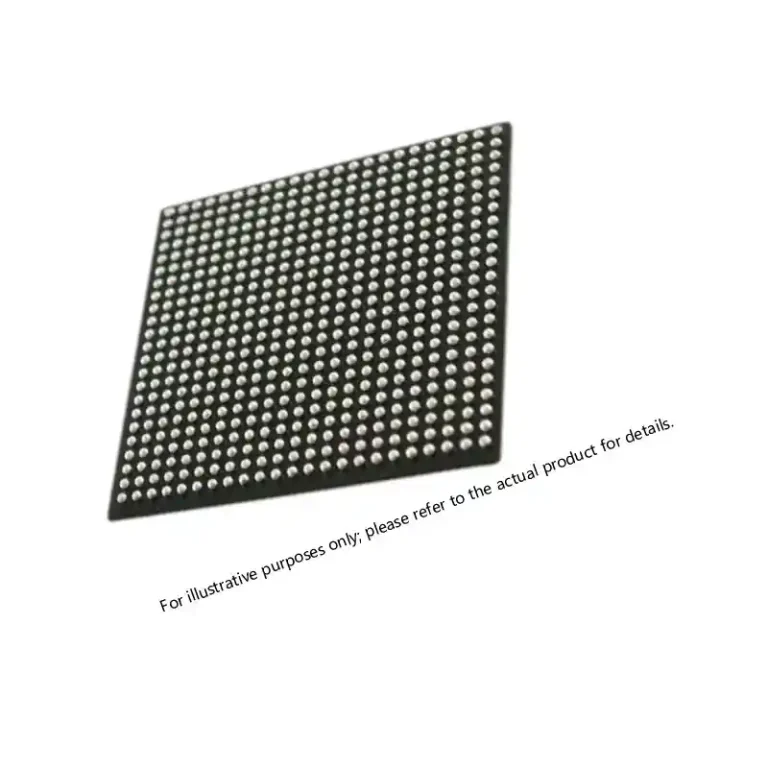
BTTC military components are not a single silicon family. The designation covers a range of parts that a defense integrator may encounter as MIL-SPEC discrete devices, 5962-series qualified ICs, or JANTX/JANTXV screened semiconductors. The common thread is that they enter a system baseline under formal configuration control. In practice, that changes how an integrator treats the parts. A commercial part can be substituted after a quick electrical check. A BTTC military component cannot. The qualification record, the lot identity, and the approved source remain part of the system’s safety argument.
I have reviewed BOMs where the same BTTC part number appeared in three marking formats. Only one format matched the documentation set. The other two were older date codes that had drifted in through secondary supply. That is the real integration risk. The component may test correctly on the bench and still create a formal rejection during the next technical review because the paperwork does not align.
Sparkle Electronics handles this by treating the part number as a document reference, not just a shopping item. Our defense customers across 30+ countries rely on us to confirm marking, lot code, date code, and C of C before the parts ship. That is the standard BTTC military components require.
Which BTTC Component Specifications Matter Before Integration?
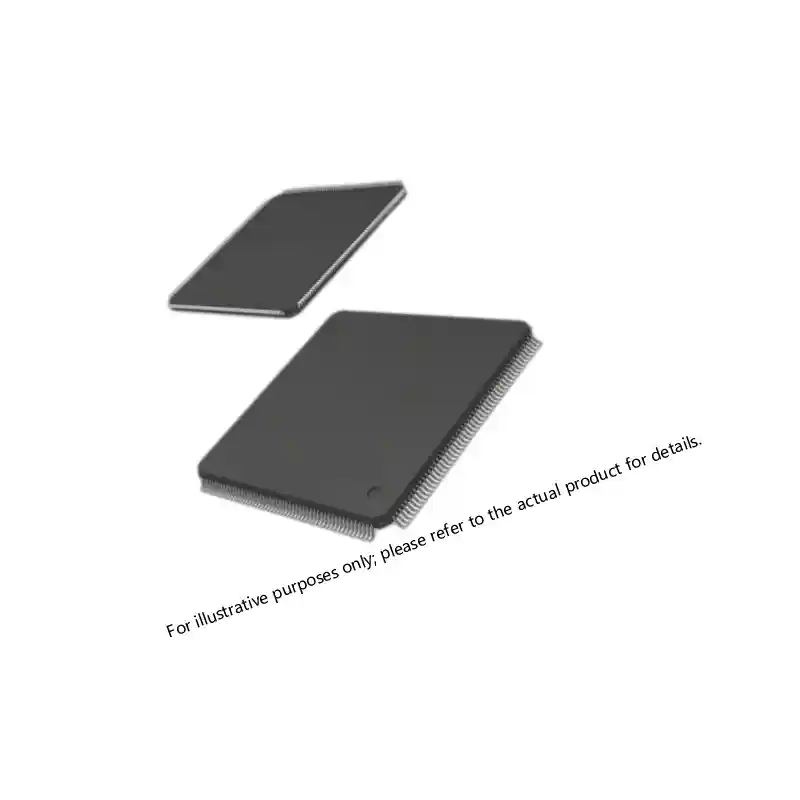
Electrical parameters get the most attention in a design review, but integration failures more often come from the qualification envelope. Before freezing a BTTC military component into a bill of materials, the integrator needs to confirm four things: temperature rating, screening level, package and lead finish, and lot uniformity.
How do temperature grade and screening flow change the integration decision?
A part rated from -55°C to +125°C behaves differently in a conduction-cooled chassis than a 0°C to 70°C industrial part would. The military temperature range is not just a wider number. It changes derating assumptions, cold-start behavior, and thermal cycling margin. Screening level matters the same way. A JANTX screened discrete has a defined test flow. A QML device has a qualification program tied to MIL-PRF-38535. If the BTTC part carries only a commercial flow, the integrator accepts a qualification gap that must be closed later.
Which documentation requirements apply to BTTC military components?
For most defense integration programs, the minimum package is a certificate of conformance, a DSCC or military drawing reference, lot acceptance test data, and a packing slip that lists date code and lot code. Some systems also require QML certification or JANTX/JANTXV test reports. The key is to match every document to the physical parts before the parts enter stock.
| Integration factor | What to verify | Common failure mode |
|---|---|---|
| Temperature range | Datasheet rating and marking | Derating assumption fails in cold start |
| Screening level | JANTX, JANTXV, or QML test flow | Commercial flow slips into a military BOM |
| Lot uniformity | Date code and lot code on packing slip | Mixed lots create rework and audit risk |
| Package and lead finish | Exact package code and finish | Rework or solderability issue after placement |
| Lifecycle status | Active, NRND, or obsolete flag | Program buys into an unavailable part |
After these checks, the BTTC military component can move into the design without carrying a late qualification surprise.
How Do Traceability and Documentation Keep BTTC Integration Audit-Ready?
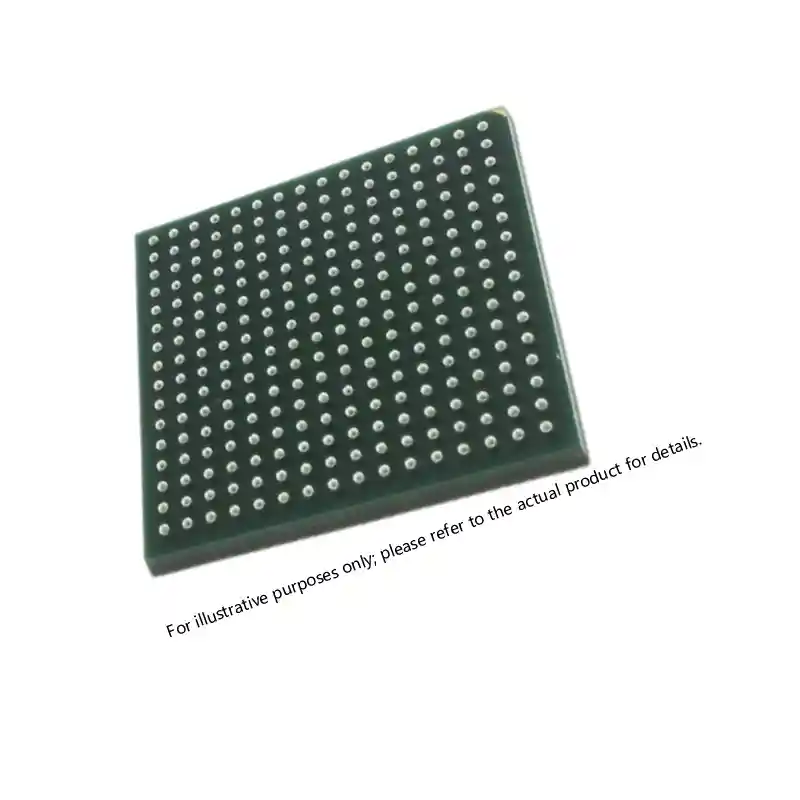
Traceability is the difference between a BTTC military component that passes an audit and one that creates a corrective action request. A clean purchase order is not enough. The integrator must hold a chain of documents from the original manufacturer through the distributor to the receiving dock.
What does a complete traceability package include?
A complete package contains at least six records: manufacturer name, part number, date code, lot code, country of origin, and the certificate of conformance number. For 5962-series and JANTX/JANTXV parts, I also want the lot acceptance test data and the applicable drawing number. When one record is missing, the component becomes harder to defend during incoming inspection.
When should incoming inspection go beyond visual checks?
Visual inspection catches marking mismatches, damage, and obvious counterfeits. It should go further when the part is obsolete, the price is far below market, or the lot has changed hands through multiple intermediaries. In those cases, X-ray, electrical curve trace, solderability testing, or decapsulation may be justified. I have caught mismatched date codes before they reached the production floor, and the early catch avoided a full lot recall later.
If your integration includes mixed lots or an undocumented second source, confirm the traceability package and test flow before you freeze the BOM. Send the specific part number and date code questions to xuansc2144@gmail.com.
Where Do BTTC Military Components Fit in a Defense BOM?
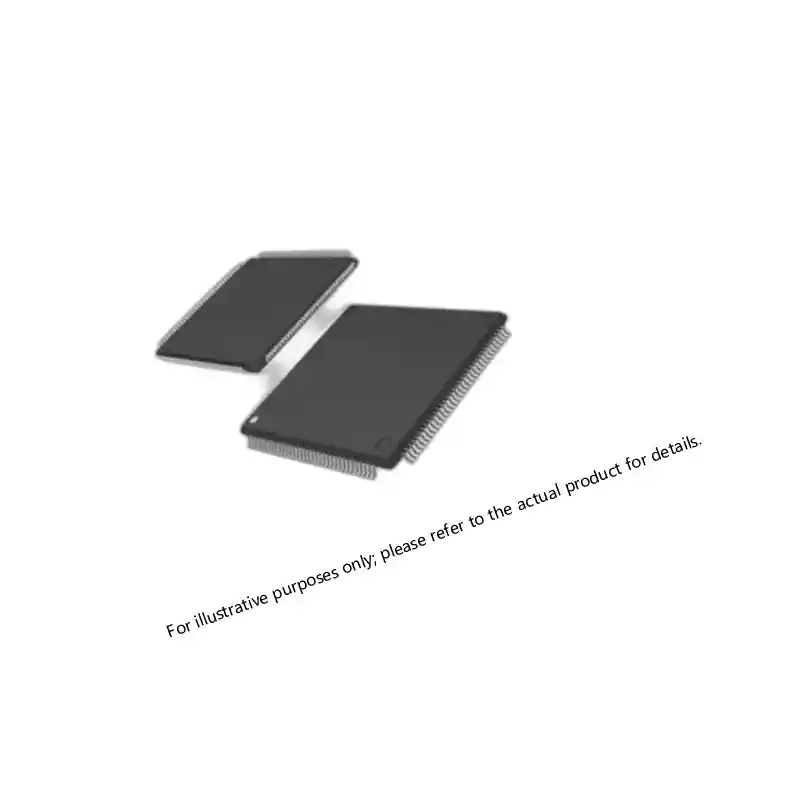
BTTC military components often sit in positions that look small on paper but carry long-lead risk: clock distribution, bus interface, power conditioning, memory, and FPGA glue logic. Integrators who classify these parts as commodity passives can find themselves reworking a board because one lot code vanished from the approved source list.
The better approach is to map BTTC military components by function and by approval status early in the BOM scrub. Ask where the part sits in the qualification tree, whether a second source exists, and what life cycle stage the manufacturer has assigned. If the part is sole-sourced or marked NRND, or not recommended for new designs, the integrator should raise a design decision before the first prototype build.
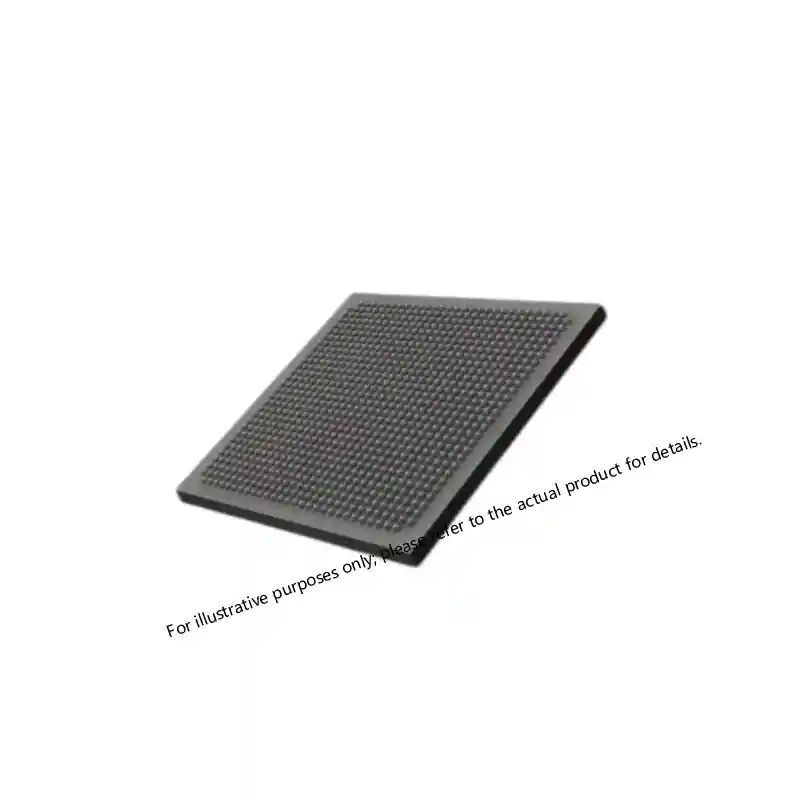
Sparkle Electronics cross-references these parts against our inventory of FPGA, DSP, ADC/DAC, mil-spec logic, memory, and power module lines. That cross-reference often shows an alternate package or a newer date code that keeps the BOM approved without forcing a redesign. The goal is not to find the cheapest line item. The goal is to keep the BTTC military component available and compliant for the full program duration.
How Should You Source BTTC Military Components Without Integration Risk?
Procurement teams often find BTTC military components in stock but cannot get the documentation package to match the quote. That gap turns an on-time delivery into a bench delay and, worse, an open audit item. The fix is to make traceability a pre-quote condition.
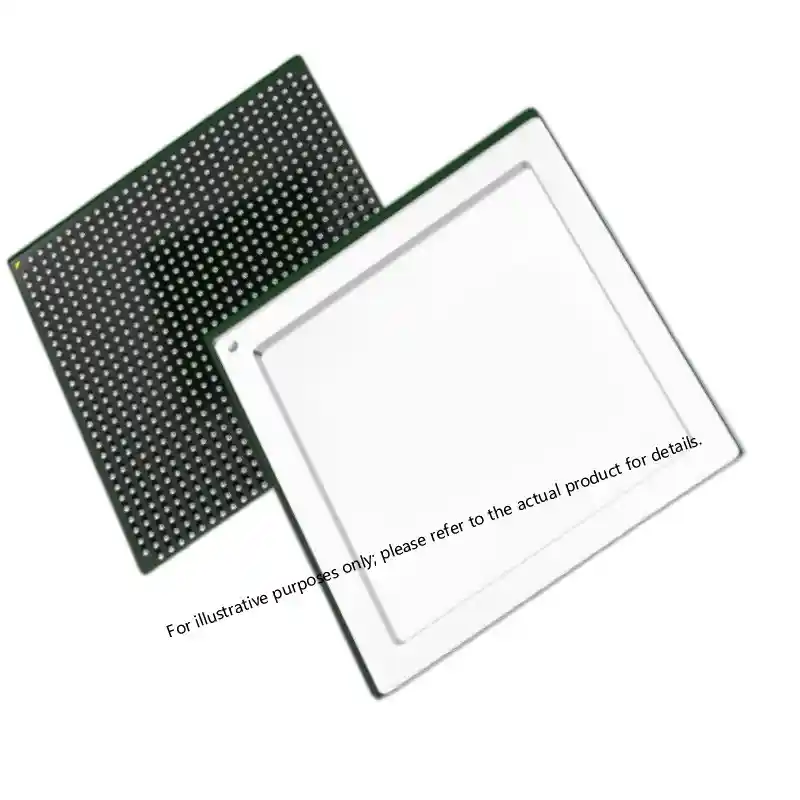
Sparkle Electronics verifies part number, date code, lot code, and C of C before quoting, and we keep the document trail attached to the parts through delivery. Our inventory covers FPGA, DSP, high-speed ADC/DAC, mil-spec logic, memory, and power modules from Xilinx, ADI, TI, Actel, E2V, DDC, and VICOR. If the BTTC military component you need sits inside that scope, we can usually confirm availability and compliance without a long back-and-forth.
Send the part number and required quantity to xuansc2144@gmail.com. Tell us the program date and which documentation your receiving inspection requires, and we will respond with a quote plus the available C of C and lot test data.
What Do Buyers Ask About BTTC Military Components?
Are BTTC military components always traceable to a military drawing?
No, and assuming traceability can create the largest integration risk. Many BTTC military components carry a manufacturer-specific drawing rather than a DSCC 5962 drawing, especially when they are designed for a specific defense platform. Before you accept a quote, ask the distributor to name the controlling document. If the answer is vague or the document number does not match the marking, the part may be legitimate but still unusable in your configuration baseline. Traceability is not a yes or no property. It depends on which drawing and which test flow apply to the exact part number and date code you are buying.
What is the difference between JANTX and QML for BTTC military components?
JANTX and QML are not interchangeable quality grades. JANTX is a screening flow for discrete semiconductors under MIL-PRF-19500, while QML is a qualification program for microcircuits under MIL-PRF-38535. A BTTC military component that falls into one category cannot be treated as the other just because both sound military. If the part is a transistor or diode, JANTX or JANTXV documentation applies. If the part is an IC or mixed-signal device, QML or a 5962 drawing normally governs. Asking for the wrong document set delays the review and signals to the receiving inspector that the part may have been sourced outside its qualified flow.
Why do date code and lot code matter during integration?
Date code and lot code matter because mixed lots change the risk profile of an assembly. If a board population uses parts from three different production dates, any later electrical signature, solderability issue, or field failure becomes much harder to isolate. A single homogeneous lot keeps the investigation narrow and the documentation consistent. When replacement parts from a later date code are unavoidable, the integrator should record the change and confirm the new lot still meets the same drawing and screening conditions. Without that step, the integration can pass all functional tests yet remain unapproved under configuration control.
Can a commercial BTTC part be upscreened for defense integration?
In programs I have reviewed, upscreening worked only when the starting commercial lot was homogeneous and the additional test flow was defined before buying. Upscreening cannot fix a part that lacked the right die revision, base material, or traceability from the start. The process can add temperature cycling, burn-in, or electrical tests, but the original manufacturer’s construction remains unchanged. If the program accepts that limitation, upscreening may close a small qualification gap. If the system specification demands a QML or JANTX pedigree from wafer level, no amount of post-purchase testing will create it. Share the target specification and we will confirm whether a compliant lot exists for your BTTC military component.
If you’re interested, check out these related articles:
A1020B-PG84B ACT2 FPGA: Specs, Sourcing, and Availability
Virtex-7 XC7VX690T: Performance and Reliability Insights
Virtex-7 XC7VX690T: Performance, Reliability, and Integration
Virtex-7 690T FPGA: Performance for Mission-Critical Systems
UltraScale KU085 FPGA Specifications for Defense Systems