Sourcing Maxim Military-Grade ADC ICs for Defense Systems
Table of Contents
- Why Do Maxim Integrated Military ICs Still Appear in Defense Signal Chains?
- What Qualification Documents Must a Maxim Military IC Carry?
- How Do Military ADC Selection Criteria Differ From Commercial Grades?
- Where Do Maxim ADCs Fit in Radar, EW, and Avionics Architectures?
- What Sourcing Risks Should You Watch With Legacy Maxim Military Parts?
- What Do Buyers Ask About Maxim Military ADC ICs?
- Does Analog Devices still support Maxim military part numbers?
- Are all Maxim military ICs QML qualified?
- How do you compare a Maxim military ADC to a newer Analog Devices part?
- What is the difference between /883B and a 5962 drawing?
- How do I know a Maxim military ADC is not remarked?
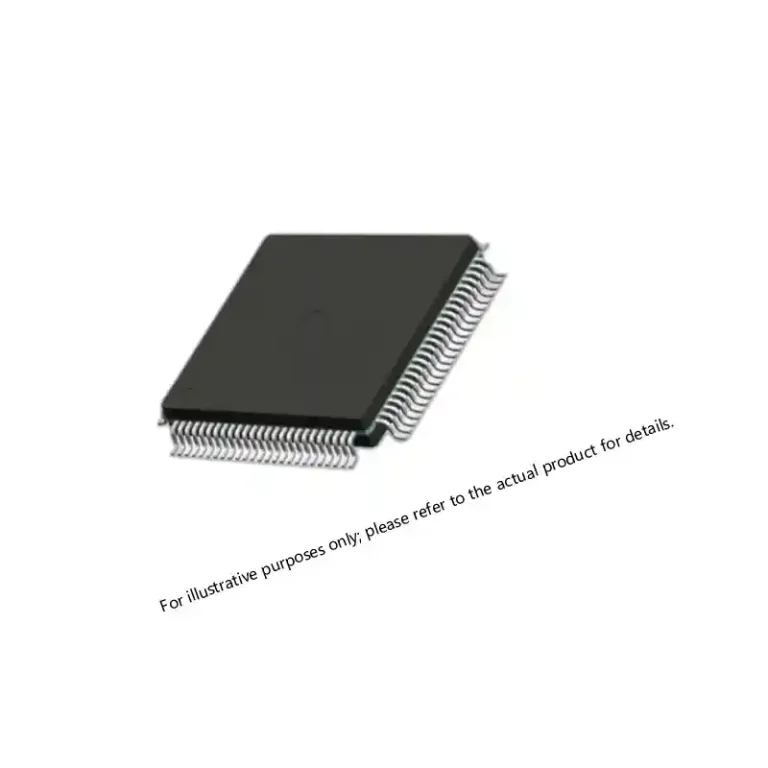
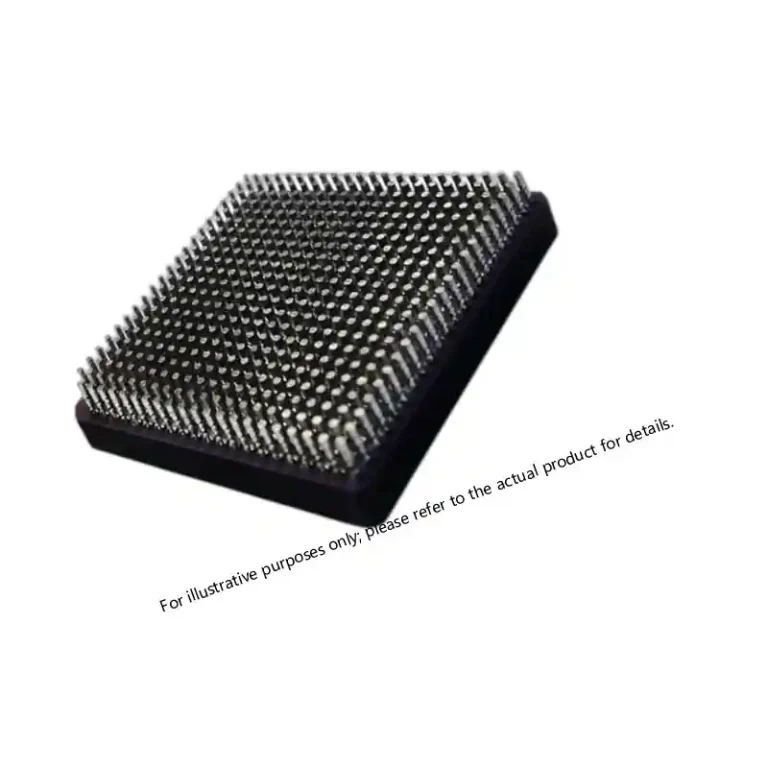
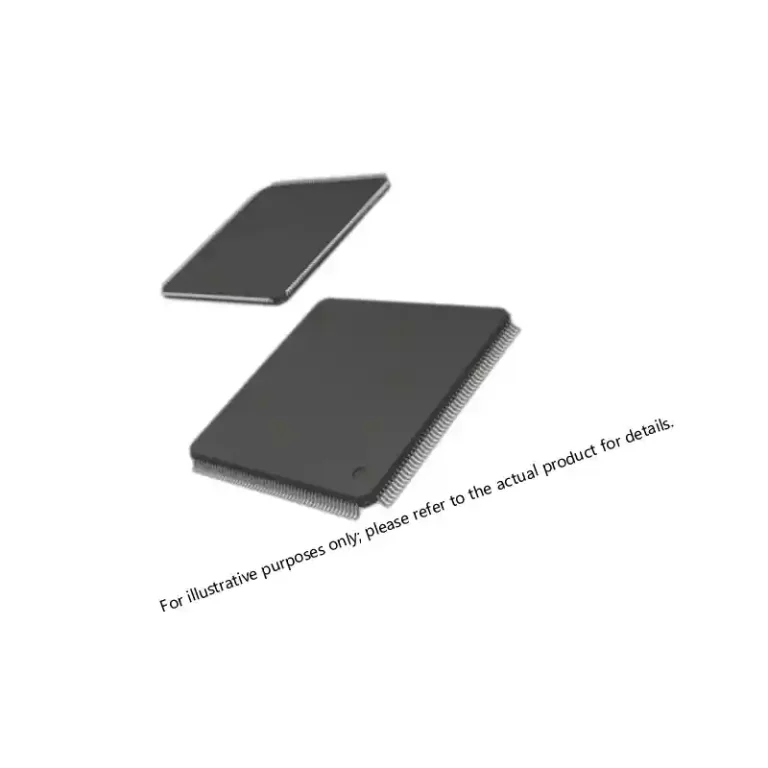
Defense programs often discover that the original Maxim Integrated part is no longer on a franchise line card, yet the board cannot be redesigned. Sourcing Maxim military-grade ADC ICs then becomes a traceability problem as much as a price comparison. We treat Maxim military parts as a qualification conversation first: drawing, device level, test flow, and package condition matter before any quote is issued. This article explains how we evaluate those parts, with particular attention to ADCs and the analog, supervisory, and interface circuits around them.
Why Do Maxim Integrated Military ICs Still Appear in Defense Signal Chains?
Maxim Integrated became part of Analog Devices in 2021, but many defense designs still carry original part numbers on their approved vendor lists. The qualification history travels with the original drawing, not the current brand label. We still see those military devices in three places: legacy single-board computers using RS-232 or RS-485 transceivers, power sequencing and supervisory circuits, and mixed-signal chains where a precision reference sits next to an ADC or DAC.
The ADC question is usually not whether a military converter exists, but where it appears. In a radar receiver, the converter itself may be an Analog Devices or TI part, while these interface and reset devices handle the surrounding housekeeping. In older avionics boxes, the converter can be a 5962 drawing part with the original MAX prefix retained. When we quote a BOM, we separate the converter, support IC, and passive set, because the sourcing path for each is different.
What Qualification Documents Must a Maxim Military IC Carry?
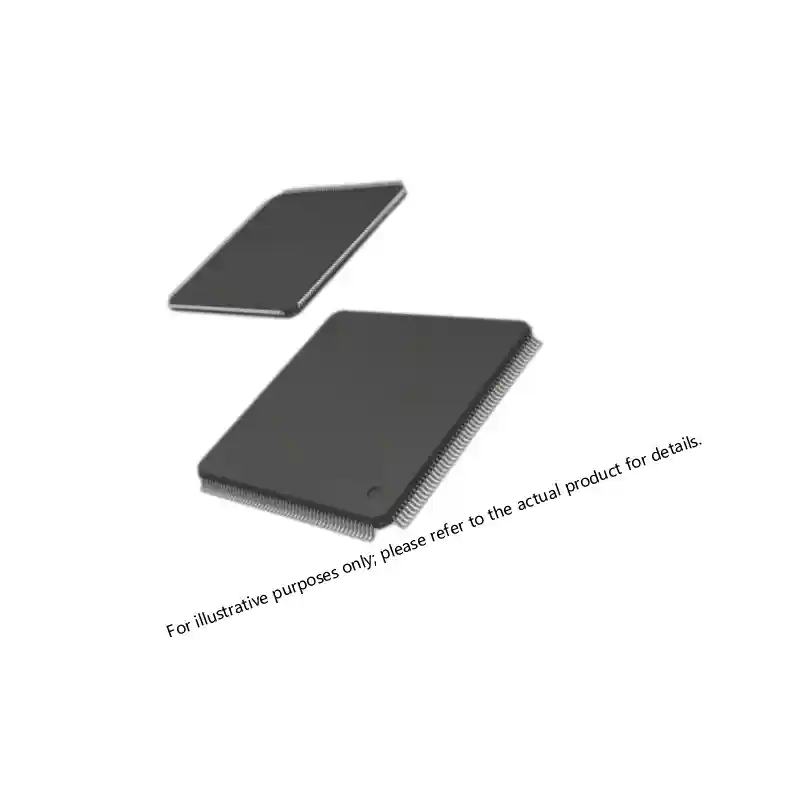
For any Maxim military device, the drawing is the first document we request. A slash suffix such as /883B indicates screening to MIL-STD-883, but the full electrical and package requirements sit in the source control drawing or SMD. We do not rely on a quote line alone.
| Document or marking | What it confirms | Why it matters for ADC signal chains |
| 5962 drawing | Full device specification | Pins, temperature, and electrical limits remain fixed |
| MIL-STD-883 /883B | Screening and burn-in flow | Controls early life failure rate for mixed-signal parts |
| QML or VID | Qualification route | Source control for parts without a public SMD |
| Lot documentation | Wafer, assembly, and test site data | Separates certified stock from re-marked parts |
With ADC support parts, the same documents matter. A voltage reference that drifts shifts the converter’s full-scale error. A supervisor that resets early interrupts a sample sequence. We confirm that the date code, lead finish, and package style match the drawing before the part ships.
How Do Military ADC Selection Criteria Differ From Commercial Grades?
For the converter itself, selection starts with sample rate, resolution, input bandwidth, SNR, SFDR, and power. The military difference shows up in temperature range, package, screening, and supply continuity. Commercial ADCs are often specified over 0 to 70 degrees C or -40 to 85 degrees C, while military converter grades are commonly characterized or screened from -55 to +125 degrees C.
| Factor | Commercial ADC | Military ADC |
| Temperature range | Usually 0 to 70 or -40 to 85 degrees C | Often -55 to +125 degrees C |
| Package | Plastic surface mount | Ceramic or hermetic |
| Screening | Production test | Lot or full screening |
| Supply chain | Broad distribution | Controlled, traceable channels |
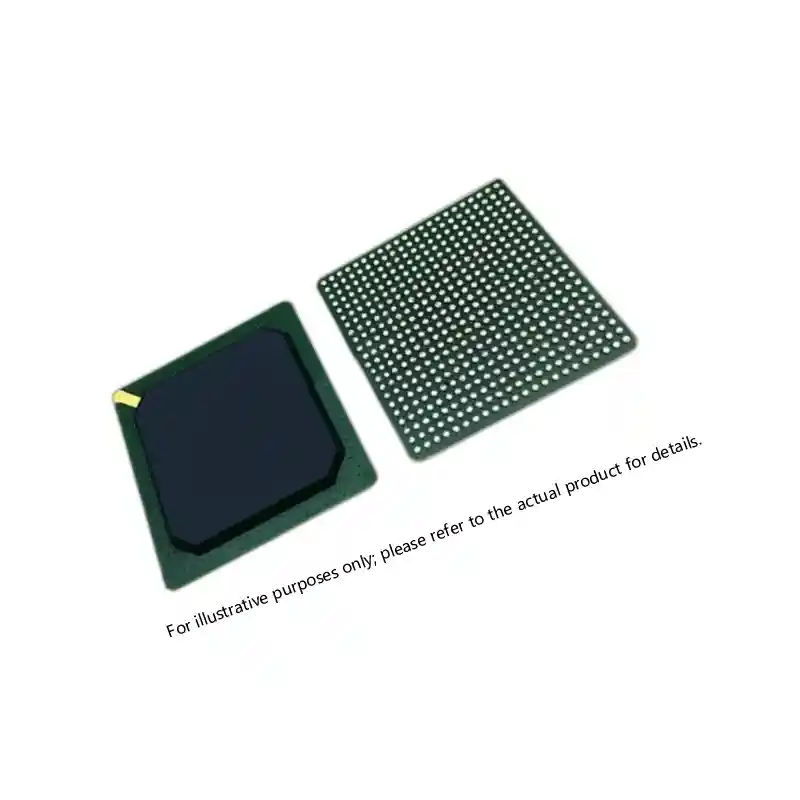
A Maxim military ADC in a ceramic package is not simply a plastic die with a different label. The package changes thermal resistance, lead frame stress, and long term moisture behavior. We have seen programs substitute a commercial-grade part based on the same core number and then lose stability during thermal cycling. That failure is not visible in a datasheet comparison.
If your board uses a military converter near the edge of its sample rate or input bandwidth, send the exact SMD and signal environment to xuansc2144@gmail.com before you freeze the BOM. We will check what was actually tested, not just what the datasheet headline says.
Where Do Maxim ADCs Fit in Radar, EW, and Avionics Architectures?
In radar and electronic warfare systems, the main receive path usually demands converters with JESD204B/C interfaces, gigasample rates, and high SFDR. Those military converters more often show up in the telemetry, sensor interface, and health monitoring sections around that core. They are not less important; they carry the housekeeping data that keeps a system calibrated and safe.
One practical role is low power digitization of temperature, power rail, and pressure sensors. Another is moderate speed control loop feedback in power amplifier or antenna positioning circuits. A third is the interface layer between the converter and the FPGA or microprocessor, translating logic levels and protecting bus integrity.
In avionics, the qualification history often matters more than the raw number of bits. A 14 bit ADC that has flown for ten years is safer for a mid life upgrade than a newer 16 bit part with no drawing. That is why many avionics programs keep the original military converter and replace only the parts around it.
What Sourcing Risks Should You Watch With Legacy Maxim Military Parts?
Legacy parts bring four risks: supplier consolidation, part marking ambiguity, long lead time, and mixed stock. Maxim Integrated’s absorption into Analog Devices changed some authorized channel relationships, so the same drawing can now appear under different distribution labels. That does not reduce availability, but it increases the documentation burden.
Part marking is where most problems begin. A military suffix printed on a part is only one line of evidence. We also check the package body, lead finish, lot code, and label format. Commercial plastic parts re-marked as ceramic military devices rarely hold up under that check, but they appear in distressed inventory often enough to be a real risk.
The longer a program runs, the more the original military ADC and support devices drift into long lead time, channel gaps, and re-marking risk. That is a sourcing problem with a documentation solution. Before you place the next purchase order, send us the full BOM with part numbers, target date codes, and any drawing requirements. We will check availability against qualified stock and return a quote that separates certified inventory from parts that require screening. You can reach us at xuansc2144@gmail.com with your part list and program timeline.
What Do Buyers Ask About Maxim Military ADC ICs?
Does Analog Devices still support Maxim military part numbers?
Most legacy military part numbers remain orderable under the original MAX prefix through transitioned channels, but support depends on the specific drawing and package. We start with the part number and date code rather than the manufacturer label. If the device is still an active drawing, lead time and lot date are the main constraints. If the device is obsolete, we look for qualified drop-in stock or a Last Time Buy window. The original electrical specification does not change because the corporate name changed.
Are all Maxim military ICs QML qualified?
No. A military suffix does not automatically mean QML qualification. Some parts are released to MIL-STD-883 screening under a vendor item drawing, while others carry a full 5962 drawing. That difference changes what documentation you should request, but not whether the part is legitimate for defense use. The program’s source control document sets the standard. We ask buyers whether the contract text requires QML, /883B, or only a full Certificate of Conformance before we quote.
How do you compare a Maxim military ADC to a newer Analog Devices part?
It depends on the program phase. If the design is frozen and qualified, the safer route is usually to stay with the original military ADC and manage supply ahead of demand. If the design is in early development, compare the newer part against the full signal chain: input range, reference, clocking, power, and package. A faster converter can create more problems if the surrounding filters, amplifiers, and FPGA interfaces were not designed for it. We make that comparison part by part rather than by headline resolution.
What is the difference between /883B and a 5962 drawing?
Buyers often treat /883B and 5962 as interchangeable, but they control different parts of the supply chain. The /883B suffix refers to MIL-STD-883 Class B screening, a flow for assembly, burn-in, and temperature testing. A 5962 drawing is a Standard Microcircuit Drawing that defines electrical, mechanical, and environmental requirements for a specific device. The two can overlap. A part can be procured to /883B screening under a vendor item drawing without having a public 5962 SMD. When we quote, we specify both the screening level and the drawing so there is no mismatch at incoming inspection.
How do I know a Maxim military ADC is not remarked?
We narrow the question to three checks: package, lot code, and documentation. Start with the package body and lead finish against the approved drawing. Then verify the lot code against the manufacturer’s label or authorized distributor records. Finally request a Certificate of Conformance that includes the original source and test location. If any of those checks breaks, we stop the quote before it reaches the BOM. Send the part number, required date code, and target quantity to xuansc2144@gmail.com and we will confirm certified availability.
If you’re interested, check out these related articles:
Virtex-7 690T FPGA: Performance, Packaging, and Reliability Insights
XCKU085 UltraScale FPGA: Performance for Critical Systems
Virtex-7 690T FPGA: Performance for Mission-Critical Systems
A1020B-PG84B ACT2 FPGA: Specs, Sourcing, and Availability
XC7VX485T FPGA: Virtex-7 Performance for Defense