
TMS320C6672ACYPA25: 1.25GHz Dual-Core DSP, BGA Sourcing Guide
Table of Contents
- TMS320C6672ACYPA25 Part Number Decode and Key Specifications
- Architecture for Real-Time Defense Signal Processing
- Qualification, Screening, and Documentation
- Sourcing and Traceability for Hi-Rel Programs
- Thermal, Signal Integrity, and Integration
- Lifecycle Management and Obsolescence Planning
- Source TMS320C6672ACYPA25 with Confidence
- Frequently Asked Questions
- Is the TMS320C6672ACYPA25 a military-grade device?
- What package does the TMS320C6672ACYPA25 use?
- What documentation should I request when sourcing this DSP?
- What are the main counterfeit risks with the TMS320C6672ACYPA25?
- How can I verify that the part is authentic and traceable?
- References
The TMS320C6672ACYPA25 is a dual-core C66x digital signal processor in a BGA package, specified for high-density fixed- and floating-point processing. In defense signal chains, this device sits where real-time performance meets strict documentation control: radar pulse compression, electronic warfare processing, software-defined radio, and similar mission-critical workloads. Sourcing it is not only about availability. It is about confirming the exact device variant, screening records, and traceability before the part reaches the production line.
TMS320C6672ACYPA25 Part Number Decode and Key Specifications
The part number carries most of the procurement risk. The “C6672” portion identifies the dual-core DSP generation, while the suffix block encodes package and device options. The trailing “25” corresponds to the 1.25 GHz speed grade. Because suffix changes can alter temperature range, package form, or screening level, the exact ordering code must be validated against the manufacturer’s data manual before purchase [1].
| Parameter | TMS320C6672ACYPA25 |
|---|---|
| Core type | 2× TMS320C66x DSP cores |
| Maximum core clock | 1.25 GHz |
| Arithmetic support | Fixed-point and floating-point |
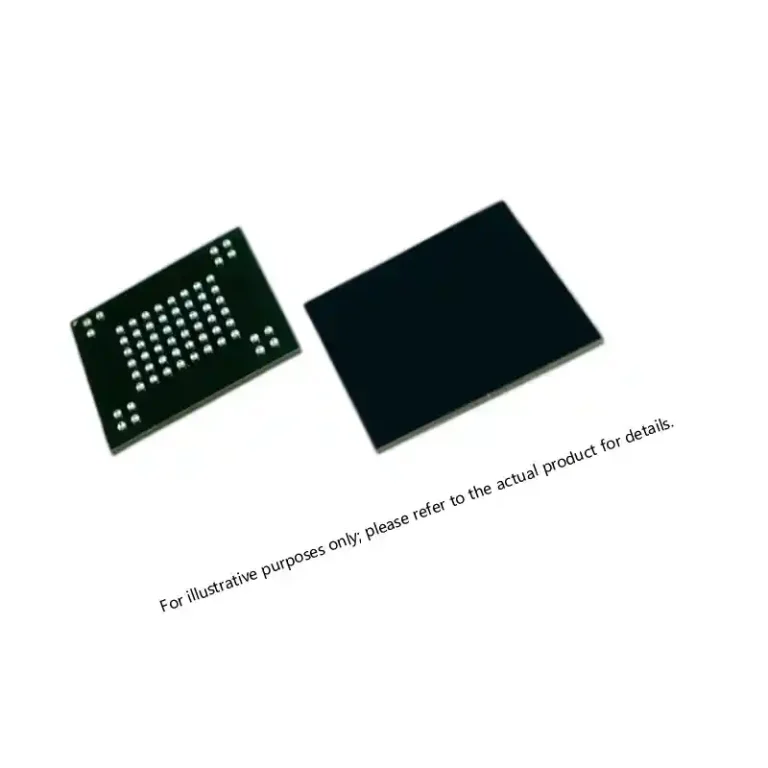
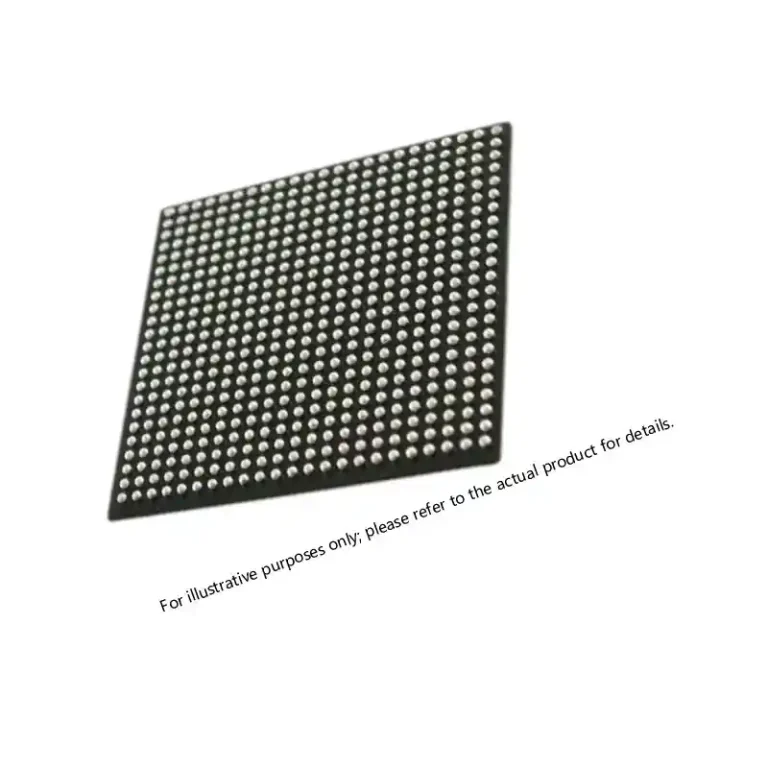
| Package | BGA |
| Typical defense use | Radar, EW, SIGINT, software-defined radio |
The dual-core architecture supports real-time processing without forcing a jump to a larger multicore device. That balance matters when power, board area, and thermal margin are constrained.
Architecture for Real-Time Defense Signal Processing
Each C66x core provides both fixed-point and floating-point execution, which allows FFT, beamforming, pulse compression, and detection algorithms to run on the same processor. High-bandwidth interfaces—including Serial RapidIO, PCIe, Gigabit Ethernet, and DDR3 memory—move sample data, detection results, and control traffic between the DSP, FPGAs, and host processors [1]. In many radar and EW channels, the FPGA handles front-end digital down-conversion while the DSP executes radar processing, tracker updates, and waveform decisions.
In radar and EW processing chains, the FPGA handles fast front-end logic while the DSP runs detection and tracking. <Virtex-7 XC7VX690T: Performance, Reliability, and Integration> covers FPGA selection and sourcing considerations for high-density signal-processing payloads.
For programs that pair the C6672 with programmable logic, selecting a compatible FPGA & CPLD with matched I/O and timing is critical. The DSP-to-FPGA interface often becomes the limiting path in high-throughput designs.
Qualification, Screening, and Documentation
Military and hi-rel programs rarely accept a commercial part number without additional verification. Screening may follow MIL-STD-883 methods for electrical, burn-in, and environmental stress [2]. For components intended for qualified military systems, procurement teams should confirm whether the device is QML-qualified under MIL-PRF-38535 or whether up-screening is required [3]. Temperature cycling and reliability stress testing may reference JEDEC standards such as JESD22-A104 [5].
Request the following before accepting product into a defense program:
- Certificate of conformance
- Date and lot code verification
- ESD and moisture sensitivity documentation
- Screening and burn-in records where applicable
- Photographic evidence of markings and package condition
Sparkle Electronics supports verification and documentation review before shipment. To request a traceable quote, send your BOM with the exact C6672 speed grade and package suffix to xuansc2144@gmail.com.
Sourcing and Traceability for Hi-Rel Programs
Counterfeit and gray-market risk increases when a high-performance DSP becomes constrained or obsolete. Authentication should include marking inspection, date/lot validation, package examination, and confirmation of the approved supply chain. A discount channel may offer the correct part number but fail the documentation requirements of an auditable defense program.
Sparkle Electronics maintains traceable inventory procedures and validates component documentation before shipment. For buyers working across multiple program phases, this reduces the chance that a nonconforming part enters a mission-critical system.
Thermal, Signal Integrity, and Integration
The BGA package requires controlled reflow, proper thermal management, and careful layout for DDR3 and high-speed serial links. Assembly quality should align with IPC-A-610 acceptability criteria [4]. For defense designs, thermal derating and worst-case timing analysis should be completed before production release. The DSP may be integrated alongside high-speed ADCs and DACs in the same processing chain.
Lifecycle Management and Obsolescence Planning
Long-duration defense programs need a lifecycle strategy. Monitor manufacturer product status, secure known-good stock when a last-time buy is announced, and qualify alternate sources only through approved channels. Documentation must remain available for depot sustainment and future repair requirements.
Source TMS320C6672ACYPA25 with Confidence
Sparkle Electronics supports defense contractors, systems integrators, and research institutions with authentic, traceable, and documentation-compliant component supply.
Submit your RFQ to xuansc2144@gmail.com and include:
- Full part number: TMS320C6672ACYPA25
- Required quantity and target date
- Screening or documentation requirements
- Program compliance needs
- Ship-to location and delivery terms
Frequently Asked Questions
Is the TMS320C6672ACYPA25 a military-grade device?
The TMS320C6672ACYPA25 is a high-performance dual-core DSP. Whether it meets a specific military program requirement depends on the exact device class, screening flow, and documentation package. Confirm the ordering suffix and screening records before declaring compliance.
What package does the TMS320C6672ACYPA25 use?
The TMS320C6672ACYPA25 is supplied in a BGA package. Exact ball count, pitch, and dimensions should be verified from the manufacturer’s package information for the full part number.
What documentation should I request when sourcing this DSP?
Request a certificate of conformance, lot and date code records, ESD and moisture sensitivity documentation, and any available screening or burn-in data. For qualified programs, confirm whether the device has been processed under MIL-PRF-38535 or an equivalent flow.
What are the main counterfeit risks with the TMS320C6672ACYPA25?
The main risks include remarking lower-speed or commercial parts, reuse of thermally stressed devices, and missing lot traceability. Inspection and supply-chain verification reduce these risks.
How can I verify that the part is authentic and traceable?
Use marking inspection, date/lot validation, package examination, and review of the approved sourcing path. A traceable distributor should provide documentation and photographic evidence before shipment.
References
[1] Texas Instruments, TMS320C6672 Multicore Fixed and Floating-Point Digital Signal Processor Data Manual. [Online]. Available: https://www.ti.com/product/TMS320C6672
[2] U.S. Department of Defense, Test Method Standard Microcircuits, MIL-STD-883L. [Online]. Available: https://quicksearch.dla.mil/
[3] U.S. Department of Defense, Integrated Circuits (Microcircuits) Manufacturing, General Specification for, MIL-PRF-38535. [Online]. Available: https://quicksearch.dla.mil/
[4] IPC, Acceptability of Electronic Assemblies, IPC-A-610. [Online]. Available: https://www.ipc.org/
[5] JEDEC, Temperature Cycling, JESD22-A104F. [Online]. Available: https://www.jedec.org/
If you’re interested, check out these related articles:
XC7VX485T FPGA: Virtex-7 Performance for Defense
Virtex-7 690T FPGA: Performance, Packaging, and Reliability Insights
A1020B-PG84B ACT2 FPGA: Specs, Sourcing, and Availability