V300B12T250BL DC-DC Converter: 300V to 12V/250W Sourcing Guide
Table of Contents
- What the V300B12T250BL Provides in a Power Rail
- Electrical Conditions to Confirm Before Selection
- Package, Thermal, and Integration Considerations
- Sourcing and Authenticity Checks for Defense Supply Chains
- Documentation and Acceptance Evidence
- RFQ Details That Reduce Sourcing Risk
- Next Step for V300B12T250BL Requirements
- FAQ
- Is the V300B12T250BL a 250 W converter at every operating temperature?
- What output current does the V300B12T250BL produce at full load?
- What documentation should defense buyers request for the V300B12T250BL?
- Can a photograph of the V300B12T250BL replace electrical test data?
The V300B12T250BL is a 300 V nominal input DC-DC converter rated to deliver 12 V at 250 W in the BL package. For defense, aerospace, and other high-reliability programs, the useful evaluation does not stop at the headline wattage. It extends to source authenticity, package configuration, input and output conditions, thermal behavior, and the documentation that connects the received unit to the approved part number. This guide separates the electrical rating from the sourcing and acceptance decisions that determine whether a converter is acceptable for a mission-critical power architecture.
What the V300B12T250BL Provides in a Power Rail
The V300 designation places the converter in the nominal 300 V input class, and the 12 V output rating is 250 W in the BL package. At full load, 250 W at 12 V corresponds to approximately 20.8 A. That current is a calculated value from the supplied rating, not a guarantee that every application can draw the full 250 W under all conditions.
In many defense systems, the V300B12T250BL operates as an isolated intermediate or bulk 12 V rail that feeds point-of-load regulators for FPGAs, processors, ADCs, and analog channels. The converter must therefore be evaluated together with the load’s inrush, sequencing, and transient response, not as an isolated power component.
The 12 V rail does not end at the converter terminals; downstream FPGA regulators add their own inrush, sequencing, and step-load requirements. <XCKU085 UltraScale FPGA: Powering Critical Defense Systems> covers the FPGA system considerations that shape the load the converter must support.
Electrical Conditions to Confirm Before Selection
The 250 W rating is not a single operating point. It depends on the manufacturer’s specified input range, output tolerance, thermal conditions, and airflow. Before committing a board design, confirm the exact input voltage range, start-up and shutdown behavior, output voltage setpoint and trim range, load regulation, line regulation, efficiency at the operating point, and protection thresholds. None of these should be assumed from the part number alone.
| Review point | What to confirm | Why it matters |
|---|---|---|
| Marking and part number | Complete V300B12T250BL marking plus date or lot code | Confirms that the part is the intended package and grade |
| Output | 12 V nominal setpoint, tolerance, trim range, ripple, and transient response | A downstream FPGA or processor rail may require tighter limits than the converter’s standard band |
| Input | Minimum, nominal, and maximum input voltage plus start-up range | A 300 V nominal bus can sag or surge well outside the nominal value |
| Load profile | Continuous, peak, and start-up current required by the load | The 250 W rating applies under defined thermal and airflow conditions |
| Protection | Overvoltage, overcurrent, short-circuit, and overtemperature behavior | Protection setpoints determine whether the converter protects the load and itself correctly |
| Derating | Temperature derating curve, airflow requirement, and enclosure ambient | Full 250 W may not be available at the actual operating temperature |
Package, Thermal, and Integration Considerations
The BL package is part of the selection decision. The mechanical outline, pin length, baseplate or board mounting arrangement, weight, and clearance all affect how the module fits into the enclosure and how heat is removed. A converter that meets the electrical specification can still fail qualification if it does not match the thermal interface or the assembly process. Obtain the manufacturer mechanical drawing and verify that the pin numbering, standoff height, and mounting configuration match the board design.
Thermal management should be compared against the derating curve, not the maximum power number. For sealed or conduction-cooled assemblies, the baseplate or module interface temperature becomes the relevant limit. For forced-air designs, airflow direction and available velocity matter. In every case, the connection between the converter’s loss and the housing temperature determines the available output current.
Sourcing and Authenticity Checks for Defense Supply Chains
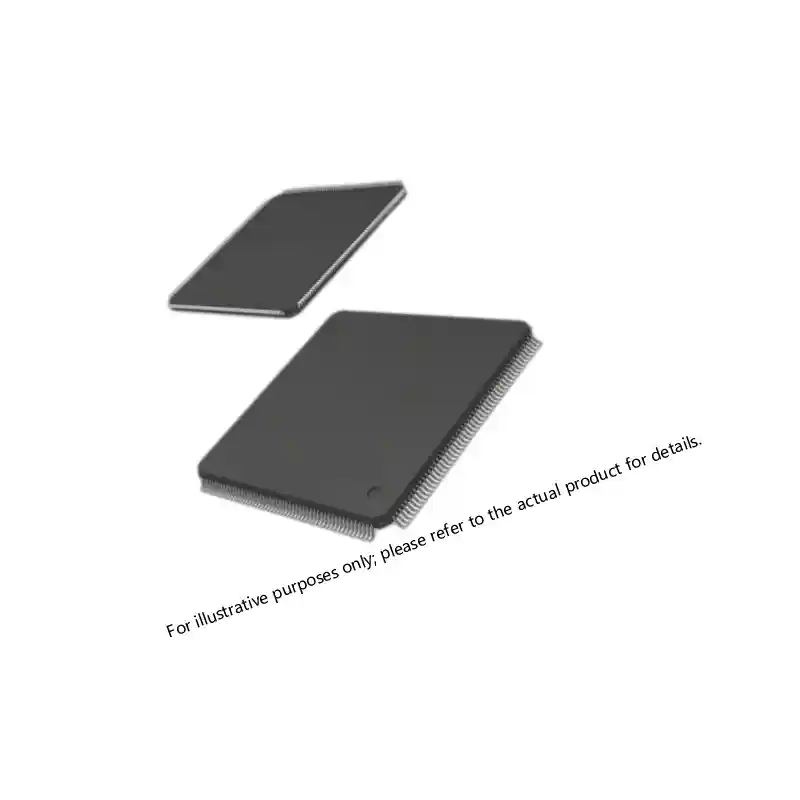
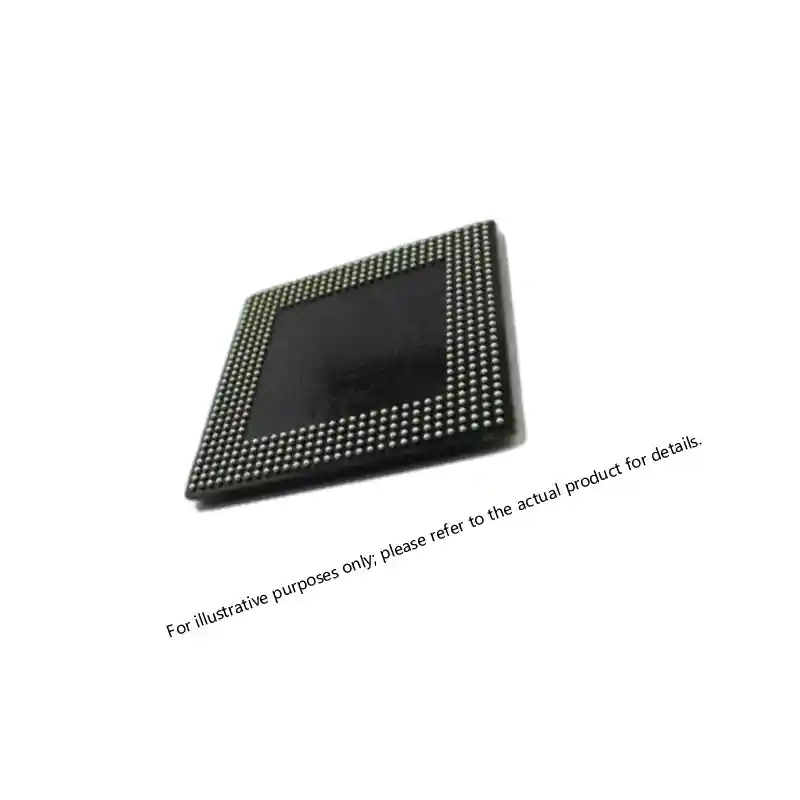
For a military or high-reliability program, the greatest risk is not usually the converter architecture. It is the chance of receiving a misrepresented, refurbished, or unapproved part. Authentication starts with the full marking, date code, lot code, and manufacturer documentation. It continues with a traceability record that links the unit to an authorized or documented supply chain. A photo or label is useful for identification, but it is not by itself electrical test evidence or release authority.
The same discipline applies to every device in a mixed high-reliability BOM. Representative FPGA and logic parts from the same inventory, such as the ACTEL A54SX72A-CQ208B, APA300-CQ208B, AX2000-FG896M, AX2000-FGG896M, and A3PE1500-1FGG676I, still require matching records and visual confirmation before they are accepted.
Documentation and Acceptance Evidence
Request documentation appropriate to the program risk level. A certificate of conformance can support the seller’s declaration, but it is less useful without the matching test summary, inspection report, or screening record. The review should distinguish three levels: identity screening, record validity, and acceptance against the required specification. Identity screening shows that the part appears to be the one ordered; acceptance shows that the measured or recorded performance meets the agreed conditions for the intended application.
For a module with military or hi-rel expectations, the buyer should confirm which specification and screening level apply to the exact part number and date code, not merely to the family. A manufacturer’s data sheet, source control drawing, or purchase order quality clause should define the required documents.
RFQ Details That Reduce Sourcing Risk
An accurate RFQ for the V300B12T250BL should include more than the part number and quantity. Include the required input range, output trim or setpoint, load current profile, ambient temperature, cooling arrangement, required compliance documents, expected delivery window, and any program-specific marking or packaging instructions. These details help a distributor verify that available stock, lot dates, and documentation can support the requirement instead of offering the closest available part.
The RFQ should specify:
- Part number and manufacturer
- Input voltage range and expected transients
- Output setpoint, tolerance, and load profile
- Cooling method and thermal interface
- Required documentation and test reports
- Target quantity and schedule
Next Step for V300B12T250BL Requirements
To move from a paper rating to a program-ready part, send Sparkle Electronics the input range, output load profile, cooling method, documentation requirements, and target quantity for the V300B12T250BL. A focused sourcing review can then compare available stock, lot date code, packaging, and compliance records against those requirements. Contact Sparkle Electronics at xuansc2144@gmail.com to submit the requirement.
FAQ
Is the V300B12T250BL a 250 W converter at every operating temperature?
The 250 W rating is tied to the manufacturer’s specified thermal and airflow conditions. At high ambient temperature or low airflow, the available output power may be less. Confirm the derating curve, baseplate or case temperature, and enclosure conditions before using the full 250 W value.
What output current does the V300B12T250BL produce at full load?
At 250 W and 12 V, the calculated nominal output current is approximately 20.8 A. Actual current depends on the output voltage tolerance, trim setting, and load unless the converter is operating in current limit or derating conditions.
What documentation should defense buyers request for the V300B12T250BL?
Request the full marking, date code, lot traceability, certificate of conformance, available test or screening records, and the manufacturer’s datasheet. The exact documents should match the program’s quality clauses, source control drawing, or purchase order requirements.
Can a photograph of the V300B12T250BL replace electrical test data?
A photograph supports identification, but it does not prove electrical performance, authenticity, or compliance. Use photos together with marking verification, documentation, and, where the application requires, independent incoming inspection or test data.
If you’re interested, check out these related articles:
XC7VX485T FPGA: Virtex-7 Performance for Defense
Virtex-7 690T FPGA: Performance for Mission-Critical Systems