V300C28T150BL DC-DC Converter: 300V to 28V/150W Sourcing Guide
Table of Contents
- Reading the V300C28T150BL Part Number as a Sourcing Filter
- Electrical Checks for the 28 V, 150 W Output
- Input Range, Thermal Derating, and Package Risks
- Writing an RFQ That Prevents a Wrong Quote
- Incoming Inspection and Traceability
- Placing the Module in a Hi-Rel System Power Tree
- Confirming the V300C28T150BL Requirement
- FAQ
- What input voltage does the V300C28T150BL require?
- How much current is available at the 28 V output?
- Is the package code important when cross-referencing?
- What documentation should be requested with the supply?
- Can the V300C28T150BL be used as a direct replacement for another V300 module?
The V300C28T150BL is a 300 V nominal input, 28 V DC output power module rated at 150 W. For defense and high-reliability programs, the part number is only the starting point. A safe procurement decision also depends on the input voltage limits, thermal derating, mechanical package code, protection behavior, and the document trail that proves the module is suitable for the intended rail.
Reading the V300C28T150BL Part Number as a Sourcing Filter
The part number contains more than a voltage and power rating. Each token should be checked against the controlled manufacturer datasheet before the quote is accepted.
| Token | Confirm from the controlled datasheet | Do not assume |
|---|---|---|
| 300 | Nominal input bus family, low-line and high-line operating limits | All 300 V bus applications accept the same input range |
| 28 | Nominal output voltage, regulation band, and trim range | The rail tolerance is the same in every system |
| 150 | Maximum output power at defined cooling and airflow conditions | Full power is available at every operating temperature |
| T position | Temperature grade, operating range, or screening designation | An alternate source with the same T character has the same qualification |
| BL | Package style, pinout, and baseplate configuration | Another V300 suffix is mechanically interchangeable |
A sourcing engineer should treat the module identity as a set of boundary conditions, not as a generic 28 V converter rating. The same output voltage and power level can appear in multiple package styles, input families, and qualification flows.
Electrical Checks for the 28 V, 150 W Output
At a nominal 28 V output, the 150 W rating corresponds to about 5.36 A of full-load current. That calculation is useful for initial harness and connector sizing, but it does not replace the manufacturer derating curve.
The more important checks are the output voltage trim range, load regulation limits, line regulation limits, ripple and noise limits, and the behavior under step load. For a rail that supports downstream point-of-load regulators, transient response is often more important than the nominal current number.
Also confirm the protection response. The module should be checked for output overvoltage protection, overtemperature protection, input undervoltage lockout, and current limit behavior. A converter that shuts down cleanly under a load fault may protect downstream devices. A converter that enters an undefined restart cycle can create repeated stress on the input bus.
Input Range, Thermal Derating, and Package Risks
The 300 V input family is designed for high-voltage DC bus applications, but the actual operating window must be verified from the manufacturer document. Low-line start-up, high-line steady-state operation, and input transient tolerance are separate conditions. Do not assume that a bus that works in one system will behave the same under a different source impedance or transient environment.
Thermal rating is equally important. The 150 W number is a maximum under specified cooling. At elevated baseplate temperature, reduced airflow, or high ambient conditions, the available output power may be lower. The module may also require a heatsink, thermal interface material, or specific mounting torque for the baseplate surface.
Package risk is a common miss in cross-reference exercises. The V300C28T150BL mechanical form, pin length, and baseplate surface must match the existing board and enclosure. A substitute with a similar electrical label can fail mechanically, create clearance problems, or change the thermal path to the chassis.
Writing an RFQ That Prevents a Wrong Quote
A precise RFQ should tie the part number to the operating corner and the documentation package. The table below lists the fields that most often prevent a rejected incoming inspection.
| RFQ field | What to request | Why it matters |
|---|---|---|
| Exact part number | V300C28T150BL, including all suffix characters | Prevents substitution of a different package or grade |
| Input conditions | Minimum, maximum, and nominal bus voltage | Confirms start-up and steady-state compatibility |
| Operating corner | Ambient temperature, airflow, and mounting surface | Establishes whether derating applies |
| Quantity and condition | Required quantity, date code window, and new or unused status | Prevents mixed lots and unknown age |
| Documentation | C of C, traceability records, and test data if required | Supports incoming inspection and program acceptance |
Do not stop at the voltage and power level. A vague RFQ line such as a 300 V to 28 V 150 W module invites multiple mechanical and qualification interpretations.
Incoming Inspection and Traceability
After delivery, the incoming inspection should verify the marking, package code, date code, and physical condition against the purchase order. For high-reliability use, visual inspection is only the first screen. It does not replace the documentation review or any electrical verification the program requires.
The following checks are a practical first pass:
- Compare the full part number on the label with the approved BOM line.
- Check the package and pin condition for damage, contamination, or bent leads.
- Confirm the date code or lot code falls within the accepted window.
- Match the certificate of conformance to the received lot and quantity.
- Record the traceability information before the parts are mixed into general stock.
If the module will be used in a mission-critical assembly, additional testing may be justified. The decision to test further should follow the program quality plan, not the distributor’s default inspection.
Placing the Module in a Hi-Rel System Power Tree
The V300C28T150BL is typically one stage in a larger power distribution chain. Its protected 28 V output may supply downstream regulators that generate lower rails for digital processing, memory, analog front ends, and FPGA loads.
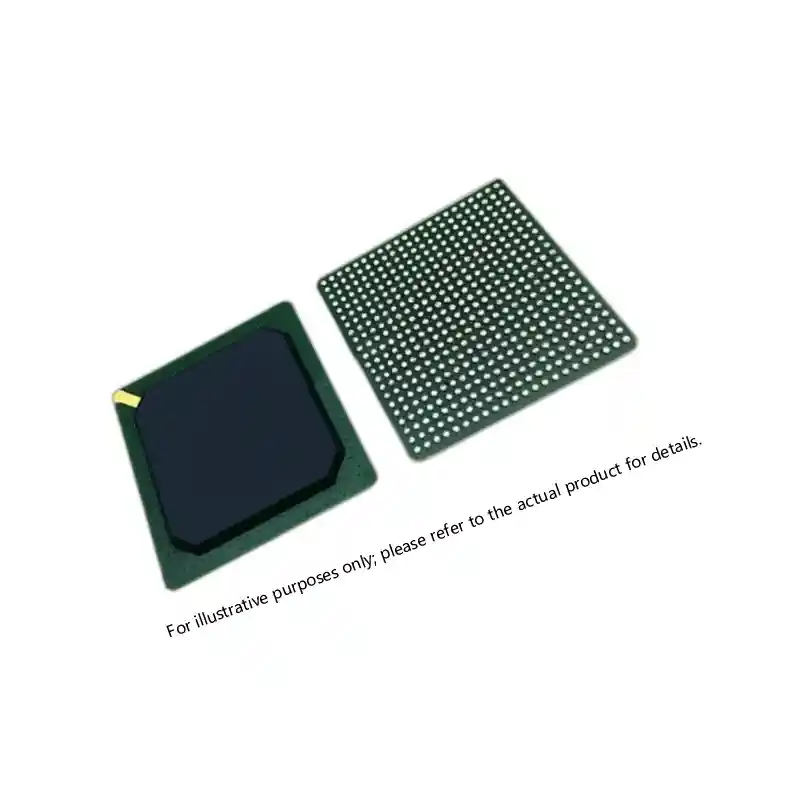
In a mixed hi-rel card, the surrounding logic can include radiation-tolerant or extended-temperature FPGA devices such as the A2F500M3G-1CSG288I.
Other programmable elements in the same system family may include the M2S150-FCVG484I and the M2S090TS-FGG484I.
Legacy or mixed-generation designs may also carry parts such as the APA300-CQ208B or the A2F500M3G-FGG484I.
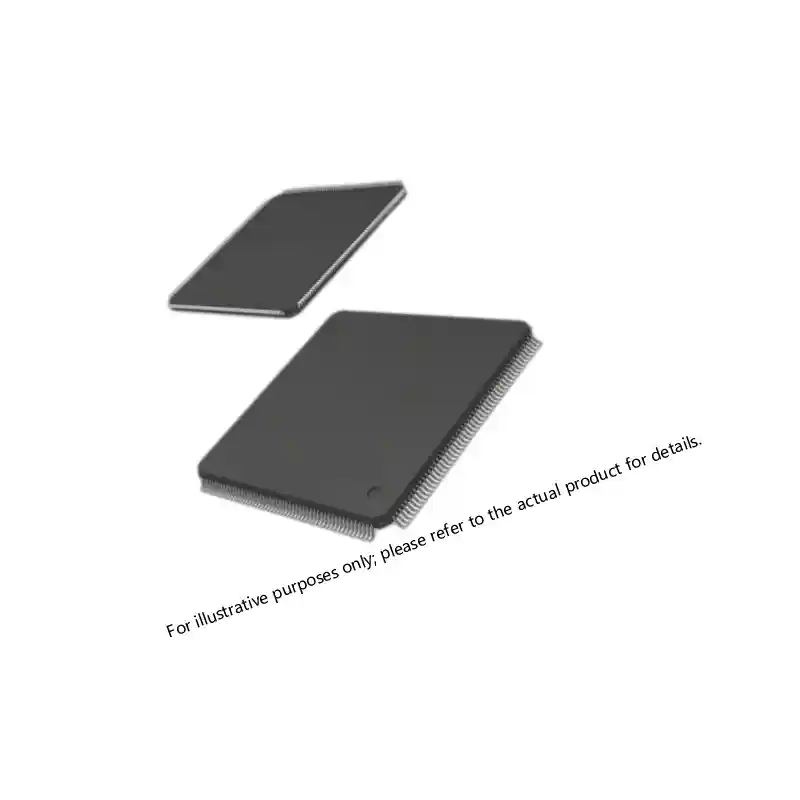
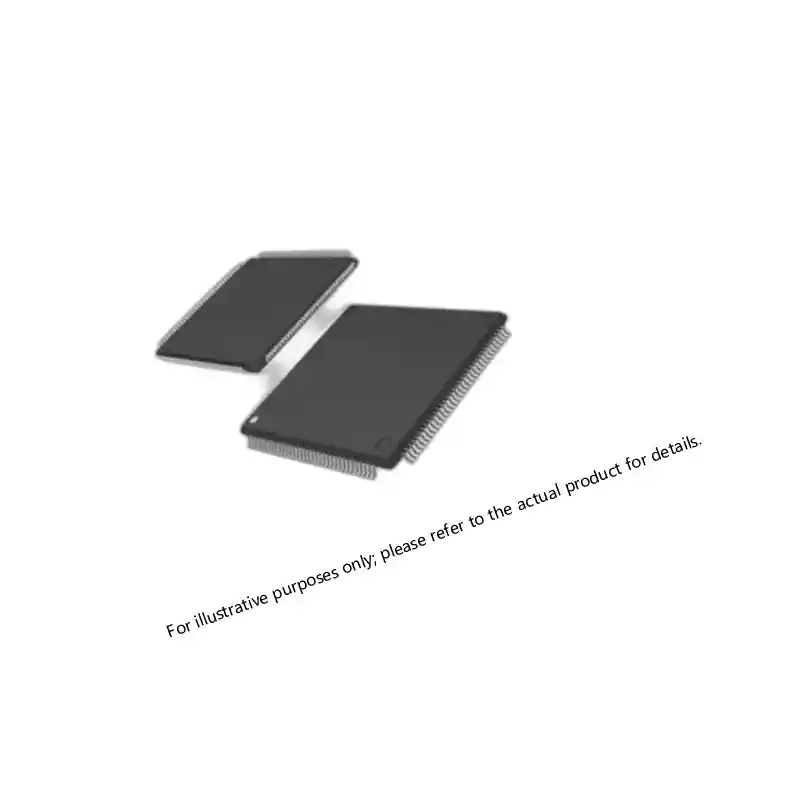
When these digital loads share a power tree, the converter must remain stable across the load profile created by downstream regulators. Sequencing, inrush current, and load release behavior can affect the entire board, not only the V300C28T150BL module.
A protected 28 V rail often feeds downstream FPGA and processor regulators, so the converter stability and protection margins become system-level concerns. <Virtex-7 690T FPGA: Performance, Packaging, and Reliability Insights> covers FPGA performance, packaging, and reliability considerations that affect the surrounding power architecture.
Confirming the V300C28T150BL Requirement
Send the exact part number, required quantity, preferred date code window, and documentation requirements. That allows the quote to be reviewed against the controlled manufacturer data and the program quality plan instead of treating the module as a generic 28 V converter. Contact Sparkle Electronics at xuansc2144@gmail.com with the BOM line or RFQ package, and state whether the module will operate near the thermal or input-range limit.
FAQ
What input voltage does the V300C28T150BL require?
Treat 300 V as the nominal input family value, not as a universal operating limit. Confirm the low-line and high-line limits, start-up threshold, and input transient range on the controlled manufacturer datasheet before committing a board design.
How much current is available at the 28 V output?
At the 150 W rating and 28 V nominal output, the corresponding nominal full-load current is about 5.36 A. Derating at elevated baseplate temperature or reduced airflow can lower the available power, so use the manufacturer derating curve rather than multiplying the nominal value.
Is the package code important when cross-referencing?
Yes. The C and BL positions define the mechanical form, pin style, and possibly the baseplate configuration. A part with the same voltage and power rating but a different package suffix may not fit the existing board, enclosure, or heatsink interface.
What documentation should be requested with the supply?
Request the full manufacturer part number, date code or lot traceability, certificate of conformance, and any required screening or test data. The exact documentation set should follow the purchase order and the program quality plan.
Can the V300C28T150BL be used as a direct replacement for another V300 module?
Not without checking more than output voltage and power. Input range, control functions, pinout, isolation, protection thresholds, and mechanical height must match. Use a form, fit, and function comparison against the controlled drawings before approving a substitute.
If you’re interested, check out these related articles:
Virtex-7 690T FPGA: Performance, Packaging, and Reliability Insights
XC7VX485T FPGA: Virtex-7 Performance for Defense
UltraScale KU085 FPGA Specifications for Defense Systems
Virtex-7 XC7VX690T: Performance, Reliability, and Integration