
V300B28H250BN: 300 V to 28 V, 250 W DC-DC Sourcing Guide
Table of Contents
- What the V300B28H250BN Part Number Establishes
- Electrical Checks to Complete Before Design Lock
- Thermal and Mechanical Fit for the BN Package
- Documentation and Traceability for Defense Programs
- RFQ Fields That Prevent Risky Substitutions
- Why the Adjacent FPGA and Processor BOM Matters
- Confirm the V300B28H250BN Fit for Your Program
- FAQ
- Is the V300B28H250BN automatically acceptable for a military system?
- What does the BN suffix mean for board layout?
- What output current should I design for?
- What documentation should accompany a defense purchase?
The Vicor V300B28H250BN is a 300 V nominal input DC-DC converter rated for a 28 V output at 250 W. For defense sourcing, the part number is the start of the evaluation, not the release decision. The important checks are not only electrical fit, but also package configuration, thermal derating, documentation, and the traceability evidence a program will accept. This guide explains what the rating establishes, what still needs manufacturer or distributor documentation, and how to structure the request so the 28 V rail can move from design to incoming inspection without a hidden compliance gap.
What the V300B28H250BN Part Number Establishes
The V300 prefix points to a 300 V nominal input bus, while the 28 and 250 values identify the output voltage and output power. At full rated load, the output current is 8.93 A, calculated as 250 W divided by 28 V. The BN suffix identifies a package configuration and termination style that must be checked against the manufacturer drawing before board layout is frozen.
The rating should not be read as an unconditional performance promise across every environment. It sets the electrical and thermal envelope the module is designed to support when installed, cooled, and loaded according to the manufacturer’s conditions. Defense programs still need the detailed derating curve, efficiency at the actual operating point, and qualification evidence for the specific lot or date code being purchased.
| Parameter | What the part number confirms | What requires manufacturer or distributor data |
|---|---|---|
| Input | 300 V nominal input designation | Exact minimum, maximum, transient, and turn-on/turn-off limits |
| Output | 28 V, 250 W rating | Setpoint tolerance, line/load regulation, ripple, and noise |
| Current | 8.93 A full-load arithmetic | Thermal derating, overload, and startup behavior |
| Package | BN suffix present | Pinout, baseplate interface, mounting, and vibration |
| Efficiency | Not stated in the part number | Efficiency curves at relevant load and input voltage |
| Isolation | Not stated in the part number | Isolation rating, safety approval, and application limits |
Electrical Checks to Complete Before Design Lock
Start by matching the actual input bus to the converter. A 300 V nominal system can still vary under generator switching, battery sag, or conducted transients, so the minimum and maximum input voltage, undervoltage lockout, and transient survival requirements need direct comparison with the datasheet. Do not assume that a wider input range or hold-up behavior exists unless the manufacturer data shows it.
On the output side, 28 V is common in defense systems for RF amplifier stages, actuator and control loads, and intermediate rails that feed downstream point-of-load converters. The buyer should record the steady-state current, startup inrush, pulsing load profile, and any reverse-energy or inductive load condition the module will see. These conditions affect more than the average power calculation. They influence whether the 250 W rating leaves enough margin for load steps and temperature.
Thermal and Mechanical Fit for the BN Package
Thermal margin often determines whether a 250 W module works in a sealed military enclosure. Baseplate temperature and available airflow set the derating point, while the mounting surface affects heat transfer into the chassis or cold plate. A procurement file should record the predicted baseplate temperature, the air velocity or conduction-cooling interface, and whether the module will be potted, conformally coated, or clamped into a vibration-isolated tray.
Package suffix differences are a common source of board mismatch. Buyers should not substitute another V300B28H250 package suffix without comparing the pinout, baseplate location, dimensions, and mounting tab positions against the released assembly drawing. The same electrical rating can arrive with a different mechanical interface, and that difference can be enough to stop a board from fitting during integration.
Documentation and Traceability for Defense Programs
Defense sourcing is not complete when the electrical specification fits. The acceptable record usually includes manufacturer or distributor documentation showing part number, lot or date code, quantity, and the path from the source to the buyer. Incoming inspection may also check packaging, marking consistency, and whether the device matches the drawing revision used by the program. The V300B28H250BN should be requested with that document trail attached, not inferred from a clean label.
Where a program requires screening, burn-in, or source-control documentation, the buyer should state those requirements in the RFQ rather than assuming that a standard assembly already satisfies them. A distributor can hold a verified part and still need additional instructions to select a specific date code, provide a Certificate of Conformance, or coordinate third-party testing when the contract requires it.
RFQ Fields That Prevent Risky Substitutions
Use the request for quote as the point where unclear electrical and mechanical expectations become testable requirements.
| RFQ field | What to request | Why it matters for a defense board |
|---|---|---|
| Input bus | Nominal 300 V plus actual minimum, maximum, surge, and hold-up conditions | Confirms the module survives the full power source envelope |
| Output load | 28 V setpoint, steady-state and peak current, startup inrush, and pulsing profile | Avoids selecting a 250 W module that collapses during load steps |
| Thermal interface | Baseplate temperature, airflow or conduction cooling, and mounting surface | Determines available output power and derating |
| Package and revision | BN suffix, pinout revision, drawing, or manufacturer part number | Prevents mechanical fit and pinout mismatch |
| Compliance record | Certificate of Conformance, lot or date codes, traceability, and screening requirements | Separates a specified device from an assumed approval |
| Lifecycle | Production status, last-time-buy support, and alternate source options | Supports long program builds and repair stock |
These fields should be linked to the program’s released documentation. The point is not to make the quote longer, but to convert vague statements such as “28 volt, 250 watt module” into a setup that can be verified during incoming inspection.
Why the Adjacent FPGA and Processor BOM Matters
The 28 V rail usually feeds downstream digital processing, FPGA, memory, and analog chains that have their own traceability requirements. When a program sources the power module from one path and the digital devices from another, document review and lot reconciliation can multiply. Keeping the power conversion stage and the main digital load under a common procurement record can reduce the number of certificate packages and make incoming inspection easier to manage.
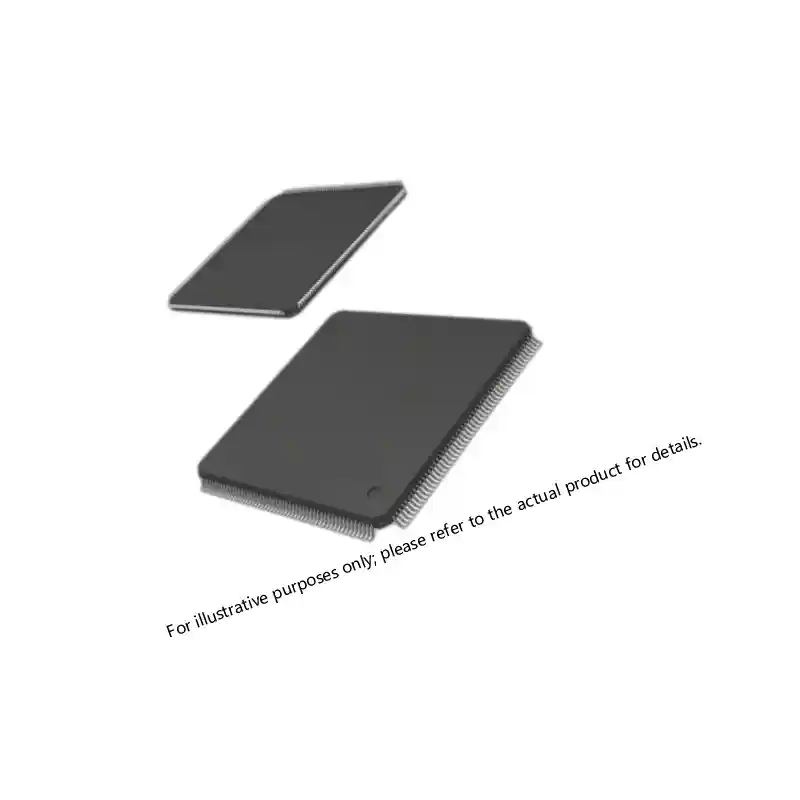
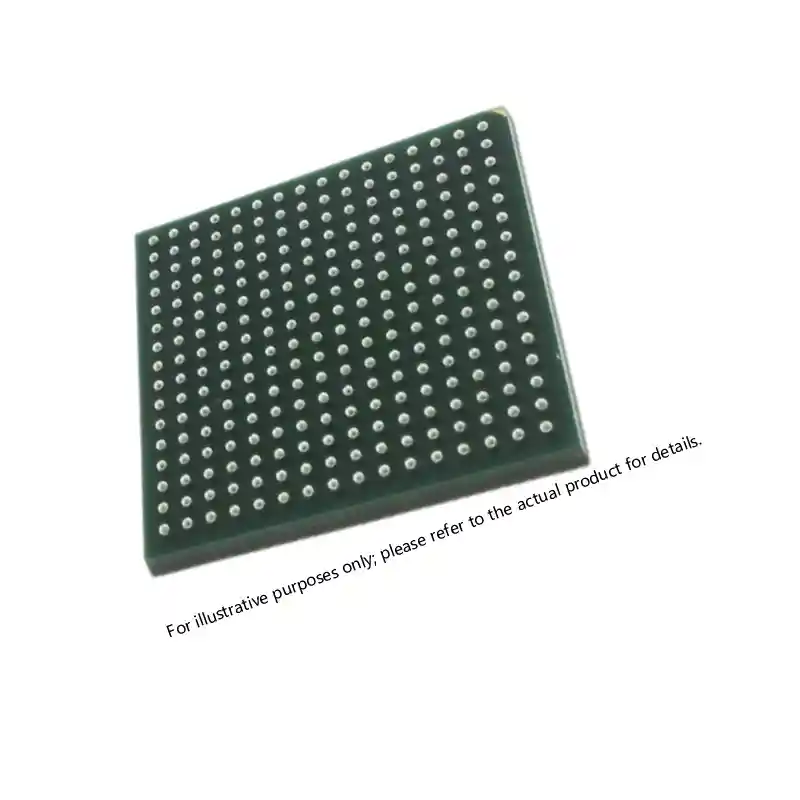
Sparkle Electronics holds Actel/Microsemi FPGA and related devices in the same hi-rel supply chain. Representative parts include AX2000-CQ256M, AX2000-FG896M, A3P1000-1FGG484I, A3P1000-FG256I, and APA300-CQ208B. These are not substitutes for the V300B28H250BN, but they are often part of the same defense board that the 28 V rail supports. Keeping the complete bill of materials on one documented source is a practical way to reduce part-number and lot-code mismatches.
Confirm the V300B28H250BN Fit for Your Program
To confirm a compliant V300B28H250BN supply, send the input bus limits, the 28 V load profile including startup and pulsing, the baseplate temperature and cooling method, the package and drawing revision, and the documentation or screening level required by your program. Include any lot or date code preference needed for the released BOM. Email Sparkle Electronics at xuansc2144@gmail.com, and the sourcing team can review the request against the part’s traceability and compliance record before quote.
FAQ
Is the V300B28H250BN automatically acceptable for a military system?
The part number identifies the electrical and package configuration, not a qualification level by itself. Defense use depends on the program’s equipment specification, required screening, and the evidence available for the specific lot. Confirm whether the program can accept this converter with additional verification or requires a specified military or source-controlled part.
What does the BN suffix mean for board layout?
BN identifies the package configuration. It is not safe to substitute another suffix without comparing the manufacturer drawing for pinout, baseplate, mounting tabs, and dimensions. A part with the same electrical rating can still create a mechanical or pinout mismatch.
What output current should I design for?
At the full 250 W rating and 28 V output, the arithmetic full-load current is 8.93 A. The real design value should include the load profile, derating, and margin required by the system. For pulsed or inductive loads, use the peak current and startup behavior rather than the average current alone.
What documentation should accompany a defense purchase?
Request the part number, lot or date code, quantity, traceability path, packaging condition, and any Certificate of Conformance or screening records required by the program. The exact document set should be written into the RFQ so incoming inspection has a defined acceptance record.
If you’re interested, check out these related articles:
XC7VX485T Virtex-7 FPGA: Performance and Sourcing for Defense
XCKU115 UltraScale FPGA: Powering Critical Defense Systems
Virtex-7 690T FPGA: Performance, Packaging, and Reliability Insights
Virtex-7 XC7VX690T: Performance and Reliability Insights
XCKU085 UltraScale FPGA: Performance for Critical Systems