Hi-Rel Electronic Components for Shipboard Defense Systems
October 2, 2026
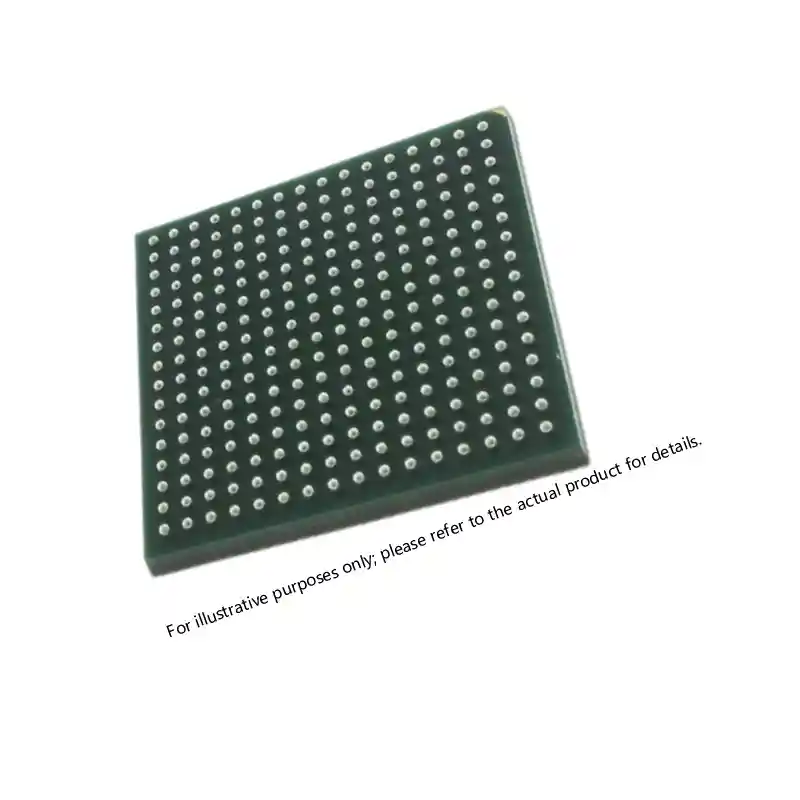
Shipboard military systems subject electronic components to a combination of stress factors that land-based platforms ra……

Shipboard military systems subject electronic components to a combination of stress factors that land-based platforms ra……
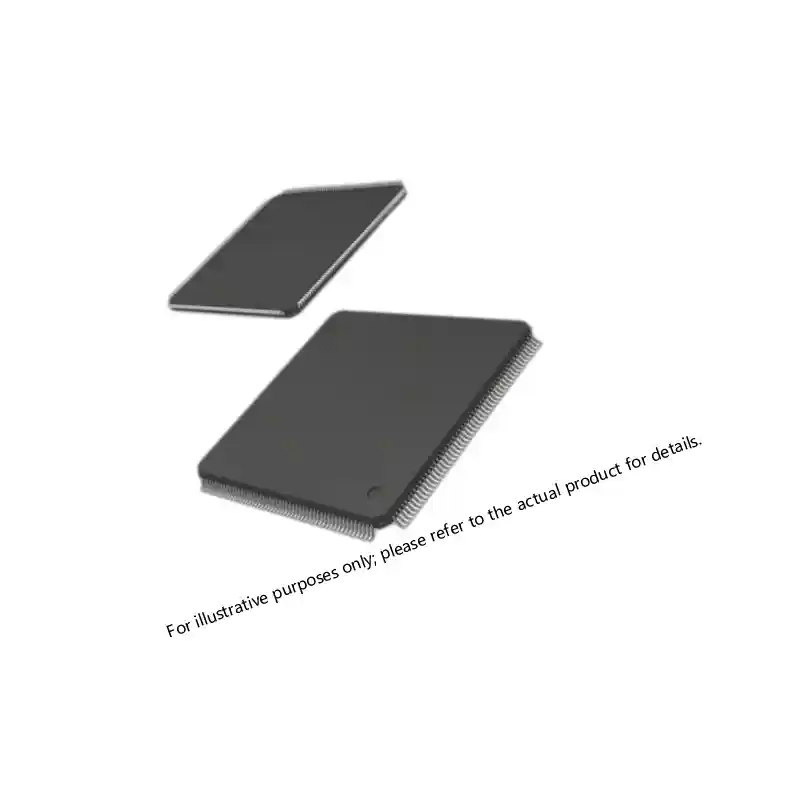
Naval combat system components fail when the operating environment is treated as an afterthought. Salt fog, condensation……
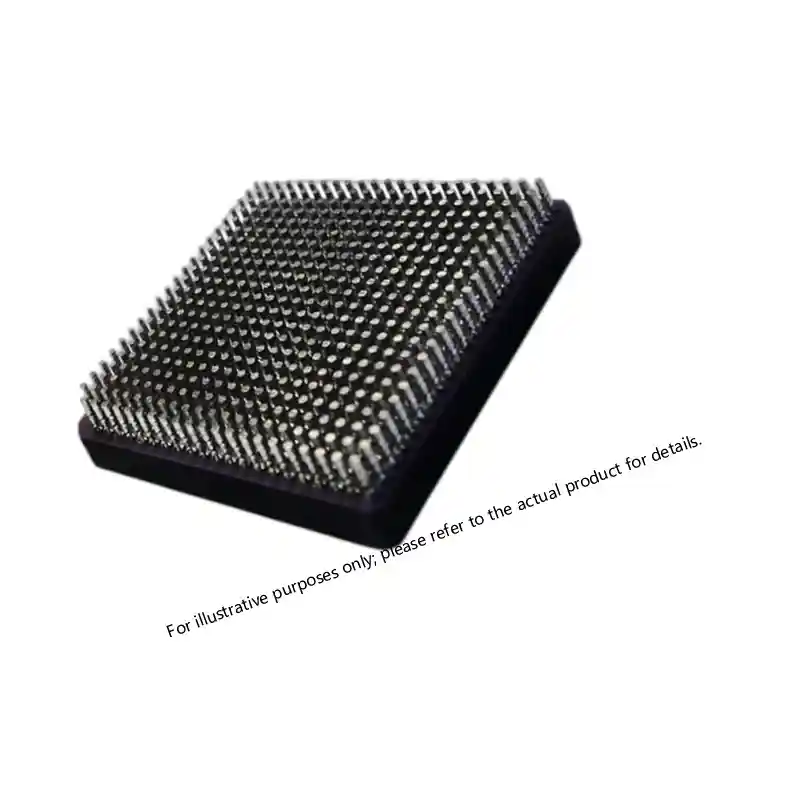
Hi-Rel Components for Military Ground Vehicle Electronics are not simply commercial parts with wider temperature bins. A……
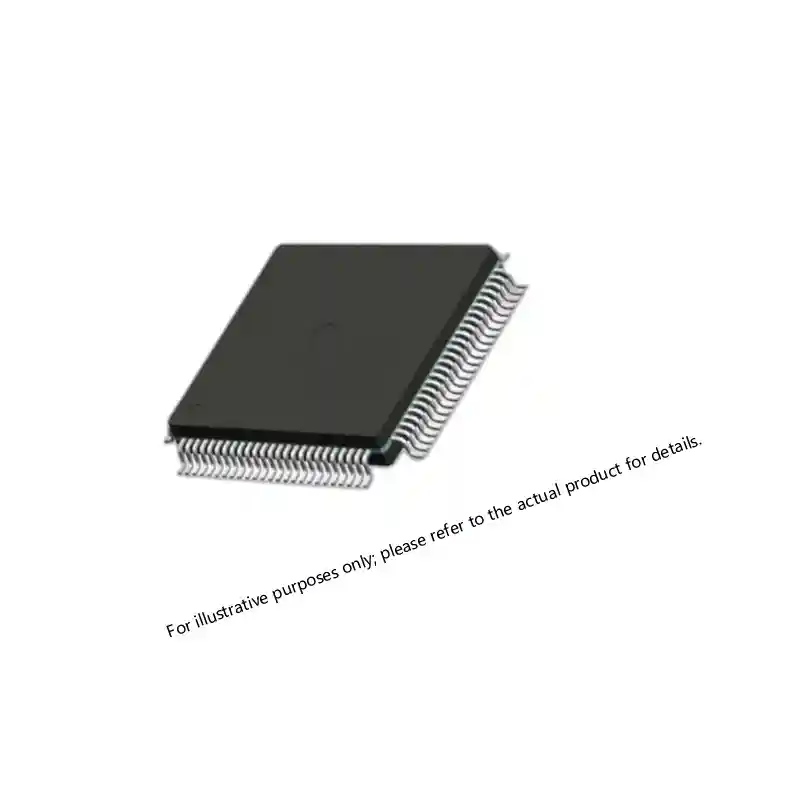
Military-grade electronics in ground combat vehicles operate under conditions that turn small sourcing errors into platf……
Sourcing military-grade ICs for university defense research programs carries a different set of constraints than large p……
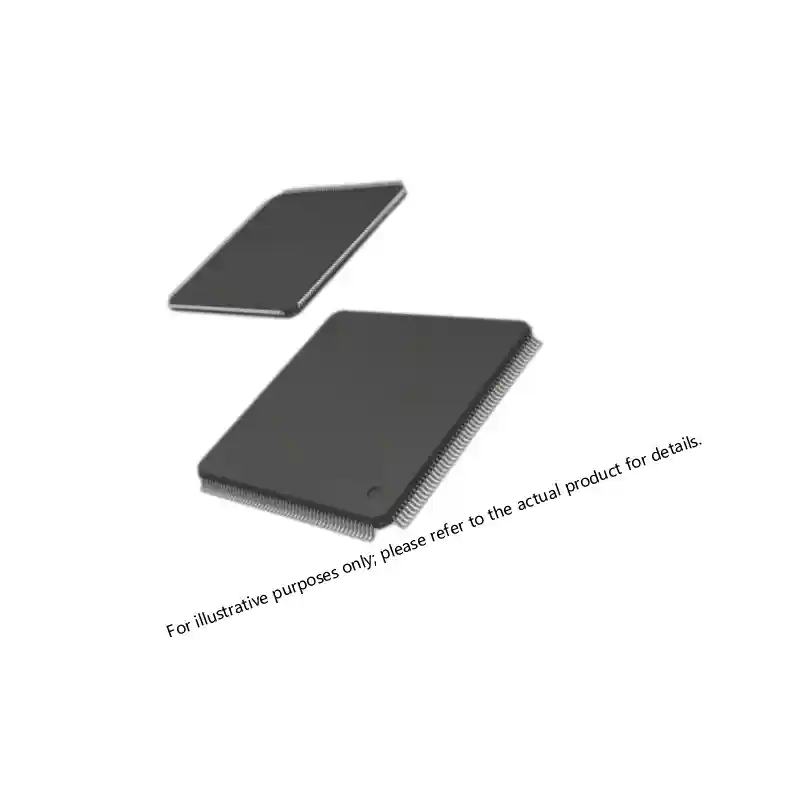
High-Reliability Components for research labs rarely arrive as a simple line item purchase. I have spent twelve years so……
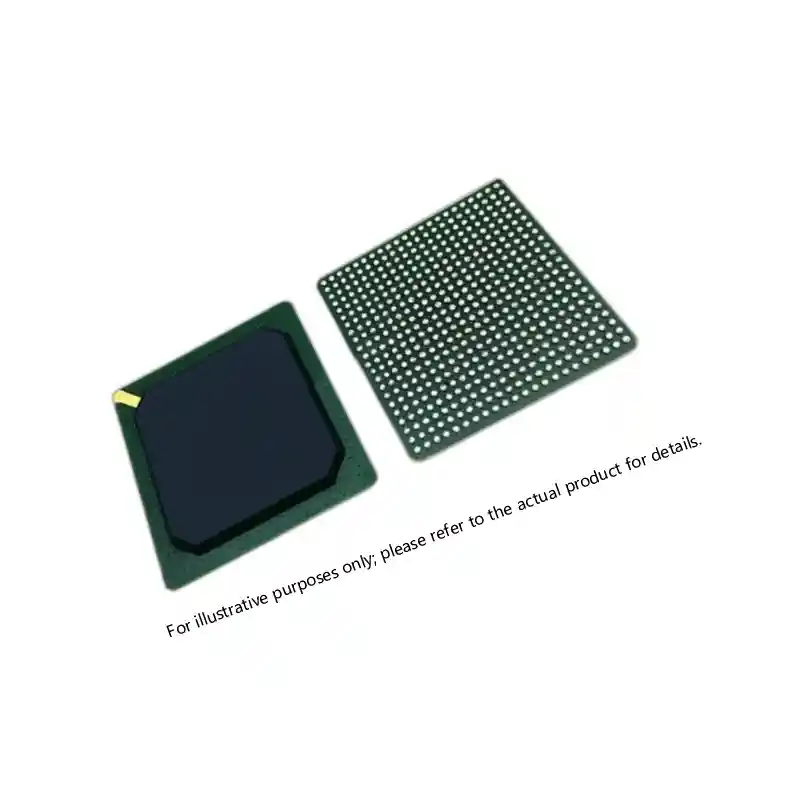
Military component inventory depth changes how defense programs handle shortages, documentation, and schedule pressure. ……
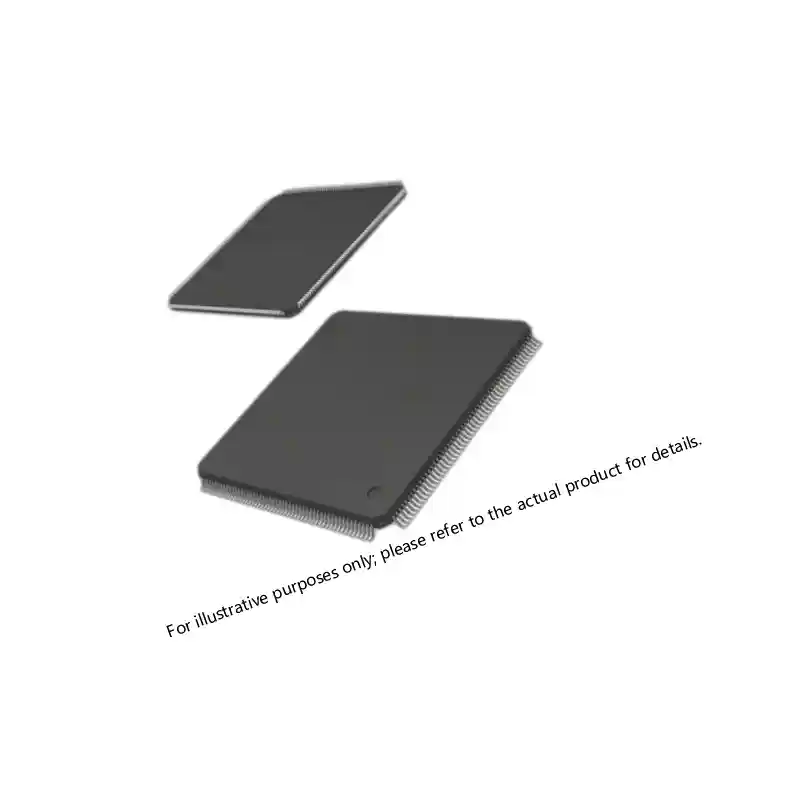
Electronic component shortages hit defense programs differently than commercial production. A single missing FPGA, high-……
Alternate sources for military ICs become necessary when a qualified production line stops, a part moves to allocation, ……
Military electronic component procurement rarely fails because the unit price was too high. It fails when a part arrives……