
Anti-Counterfeiting Military IC: Best Practices for Defense
Table of Contents
- The Reality of Military IC Counterfeiting
- Anti-Counterfeiting Regulations and Standards Worth Knowing
- Building a Multi-Layer Verification Process
- Supplier Qualification and Sustaining a Long-Term Strategy
- Securing Your Supply Chain Against Counterfeit ICs
- Common Questions About Military IC Anti-Counterfeiting
- What is the most common type of counterfeit military IC?
- How can I verify that a certificate of conformance is legitimate?
- Does DFARS require testing every component?
- How does AS6081 differ from IDEA-STD-1010?
- What should I do if I find a counterfeit part in my inventory?
Anti-counterfeiting military IC practices are not a checklist add-on — they are the foundation of mission assurance. In over twelve years of sourcing for defense programs, I have watched counterfeit components enter supply chains through gaps a single-point check would miss. Effective protection demands a layered approach built on supplier qualification, document verification, physical inspection, and electrical testing. This article outlines the specific measures defense buyers and quality teams can apply to prevent counterfeit military-grade ICs from reaching the board, going well beyond the generic “buy from authorized sources” advice.
The Reality of Military IC Counterfeiting
Counterfeit military ICs are not a theoretical threat. The defense supply chain, with its long lead times and high-value components, is a prime target. Counterfeiters use blacktopping, remarking, and sanding to disguise commercial or used parts as MIL-SPEC devices, reprinting part numbers and date codes to match program requirements. A failed component inside a guidance system or avionics unit does not just cause a financial loss — it can mean mission failure.
We have received parts from non-verified sources that carried plausible lot codes but failed basic electrical testing. Without a disciplined verification workflow, they would have been installed. The Department of Commerce continues to document counterfeit parts entering the defense supply chain through channels that lack rigorous authentication, which is why defense buyers must shift from trust-based relationships to verification-driven procurement.
Anti-Counterfeiting Regulations and Standards Worth Knowing
Several U.S. defense regulations set the minimum bar for counterfeit avoidance. DFARS 252.246-7007 requires contractors to maintain counterfeit detection and avoidance systems that include specific testing and traceability. NDAA Section 889 prohibits certain suppliers, but its broader effect is a forced reexamination of supply chain integrity. AS6081, based on SAE standards, provides a test and inspection framework designed specifically for electronic components.
These are not optional guidelines — they are contractual obligations for most defense programs. That said, compliance alone is not enough. I have audited supplier certifications that checked every box yet still lacked the depth of screening needed to catch sophisticated counterfeits. A meaningful anti-counterfeiting program moves past paperwork and into actual verification steps.
Building a Multi-Layer Verification Process
One test rarely tells the whole story. We depend on a four-stage approach: visual and dimensional inspection, documentation review, electrical testing, and, when the risk warrants it, in-depth physical analysis.
Visual and Dimensional Inspection – High-magnification microscopy reveals sanding marks, re-marked surfaces, and package inconsistencies that mechanical handling would never produce. 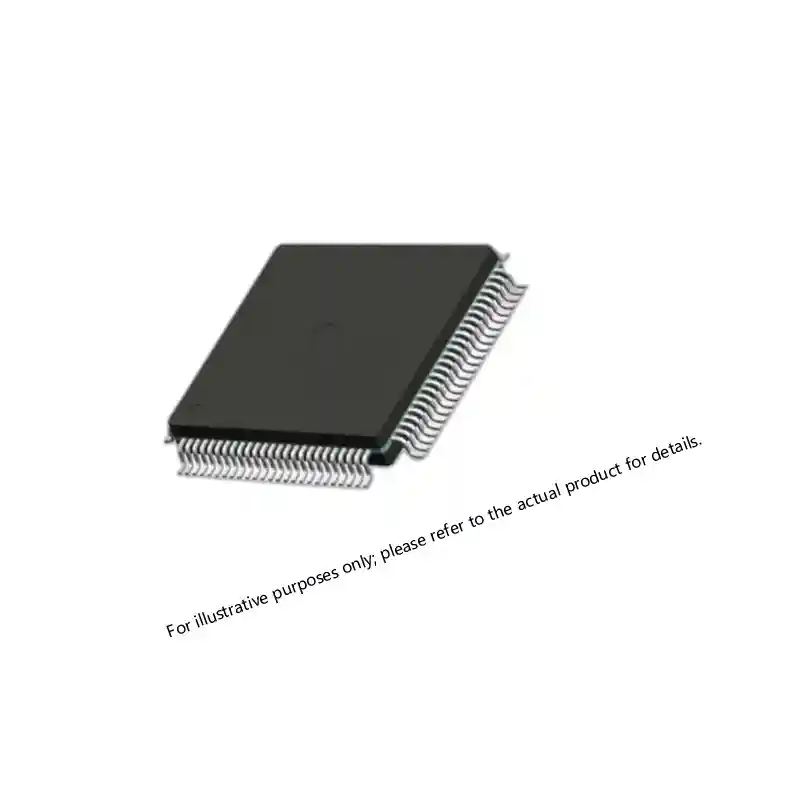
Documentation Verification – Lot code traceability to the original manufacturer, certificate of conformance details, and chain of custody records are cross-checked against each other. This is where mismatched date codes or packaging inconsistencies often surface.
Electrical Testing – Key parameters are measured against the manufacturer’s specifications using automated test equipment. Many counterfeit ICs fail here even when they look genuine.
Physical Analysis – For high-risk components, X-ray imaging and decapsulation let us examine internal die markings and construction, comparing them to known-good reference units.
| Verification Stage | Method | What It Detects |
|---|---|---|
| Visual & Dimensional | Microscopy, X-ray | Sanding, remarking, package anomalies |
| Documentation | Lot trace, C of C, chain of custody | Inconsistent records, missing approvals |
| Electrical | Parametric testing | Out-of-spec performance, non-functional parts |
| Physical Analysis | Decapsulation, die inspection | Incorrect die, manufacturing defects |
If your program involves high-speed ADCs or radiation-hardened FPGAs, confirming that your supplier can perform electrical testing across the full specified frequency and temperature range is critical. Send your part list to xuansc2144@gmail.com and we can walk through the verification specifics together.
Supplier Qualification and Sustaining a Long-Term Strategy
“Authorized distributor” status alone does not guarantee counterfeit-free parts. When I evaluate a military component supplier, I look for these specific capabilities instead of relying on a logo.
- Independent Testing Capability – Does the supplier operate or contract test labs that can perform the four-stage verification I described? If the testing stops at visual checks, the risk gap is too wide.
- Lot-Level Traceability – Can they produce a complete chain of custody from the original manufacturer to your receiving dock? Partial traceability is the same as no traceability for high-reliability programs.
- Domain-Experienced Staff – Do they employ engineers with defense electronics backgrounds who understand the nuance of MIL-SPEC parts, not just the part numbers?
- Quality Management System – AS9120 or an equivalent certification backed by regular surveillance audits.
- Documented Counterfeit Avoidance Policy – A written policy that defines quarantine, reporting, and root-cause analysis actions when counterfeits are identified.
A distributor that cannot demonstrate these measures should not occupy a spot on your approved vendor list, regardless of price advantage.
Prevention costs less than replacement. I advise defense procurement teams to weave anti-counterfeiting into the operating rhythm of the supply chain rather than treating it as a separate inspection event. Supplier approval should be based on demonstrated verification capability, not paperwork. Purchase order terms need authenticity warranty clauses that obligate the supplier to replace or refund counterfeits without debate. A secure obsolescence plan prevents last-minute buys from unknown sources, and periodic spot audits of qualified suppliers keep everyone honest. The programs that encounter the fewest issues are the ones where engineering, quality, and procurement verify together instead of assuming the supply chain is clean by default.
Securing Your Supply Chain Against Counterfeit ICs
Protecting defense programs from counterfeit military ICs demands a partner who operates with the same discipline you apply to your designs. Sparkle Electronics integrates documented traceability, independent testing, and rigorous supplier qualification into every component we ship. If your next project involves high-reliability FPGAs, ADCs, power modules, or passive components, send your part list to xuansc2144@gmail.com or call us for a no-obligation compliance review and quote.
Common Questions About Military IC Anti-Counterfeiting
What is the most common type of counterfeit military IC?
Remarked commercial or used parts lead the count. A genuine component is sanded, repainted, and marked with a higher-grade military part number and date code, then sold at full MIL-SPEC pricing. The counterfeit often passes a casual visual check but fails parametric testing.
How can I verify that a certificate of conformance is legitimate?
Cross-reference the lot number with the manufacturer’s shipment records whenever that channel is available. Check the certificate for signs of digital tampering and confirm that traceability information matches the physical part markings. When uncertainty remains, contact the manufacturer directly — a five-minute call has prevented installs that would cost months of rework.
Does DFARS require testing every component?
DFARS 252.246-7007 requires the contractor to maintain a counterfeit avoidance system that applies testing based on risk. It does not mandate testing every individual part, but critical or high-risk parts — processors, FPGAs, ADCs — demand thorough verification that includes electrical testing and physical inspection.
How does AS6081 differ from IDEA-STD-1010?
AS6081 is the standard for distributors to test and authenticate electronic components, covering visual, electrical, and documentation checks at a level suitable for high-reliability applications. IDEA-STD-1010 targets the broader electronics industry; its requirements are less intensive and were not written with defense-program consequences in mind.
What should I do if I find a counterfeit part in my inventory?
Quarantine the entire lot immediately, notify the supplier in writing, and initiate a root-cause analysis. Report the incident to the GIDEP database and relevant industry bodies to prevent proliferation. Document every step — future contract compliance audits will ask for the record. If you need assistance building a counterfeit response protocol or verifying your current component inventory, share your list with our team at xuansc2144@gmail.com and we can provide a documentation and compliance review.
If you’re interested, check out these related articles:
Virtex-7 690T FPGA: Performance for Mission-Critical Systems
XCKU115 UltraScale FPGA: Powering Critical Defense Systems