Military Component Storage Best Practices for Defense
Table of Contents
- Why Storage Strategy Is a Critical Program Decision
- Environmental Controls That Preserve Component Integrity
- Packaging and Protection Methods for Extended Storage
- Inventory Management and Strategic Stock for Decades-Long Programs
- Periodic Inspection, Retest, and Recertification of Stored Components
- Putting a Storage Plan Into Action
- Common Questions About Military Component Long-Term Storage
- Does a vacuum-sealed MBB guarantee 20-year storage?
- How do I determine the shelf life of a specific MIL-SPEC part?
- Can we store components outside a humidity-controlled environment if they remain in OEM packaging?
- What documentation should accompany stored components for auditing purposes?
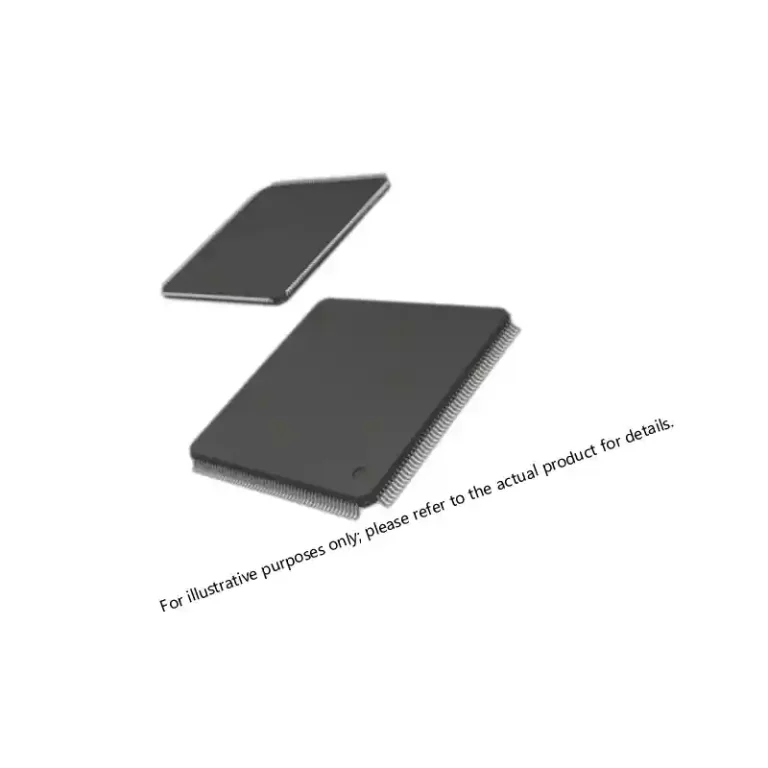
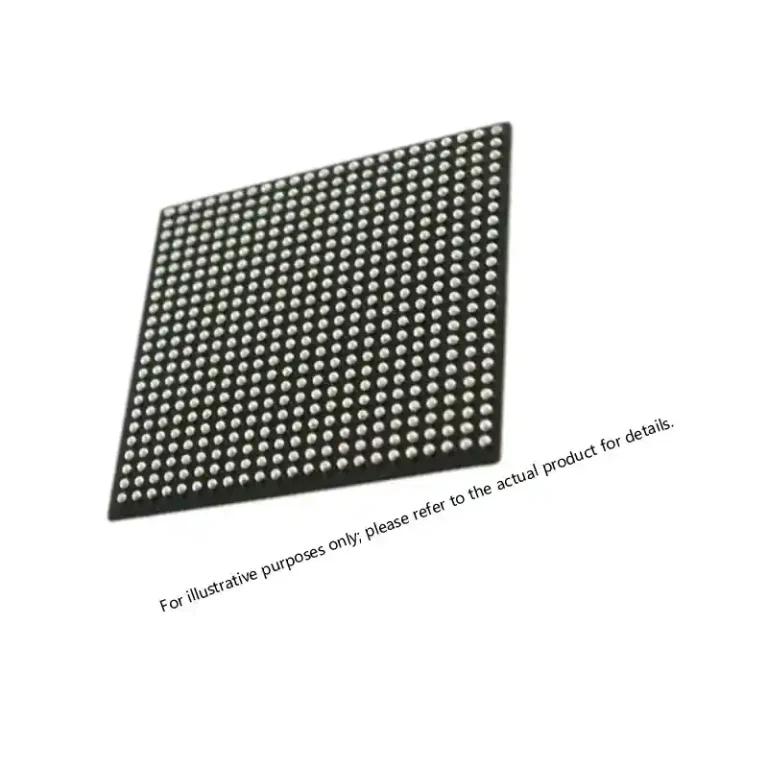
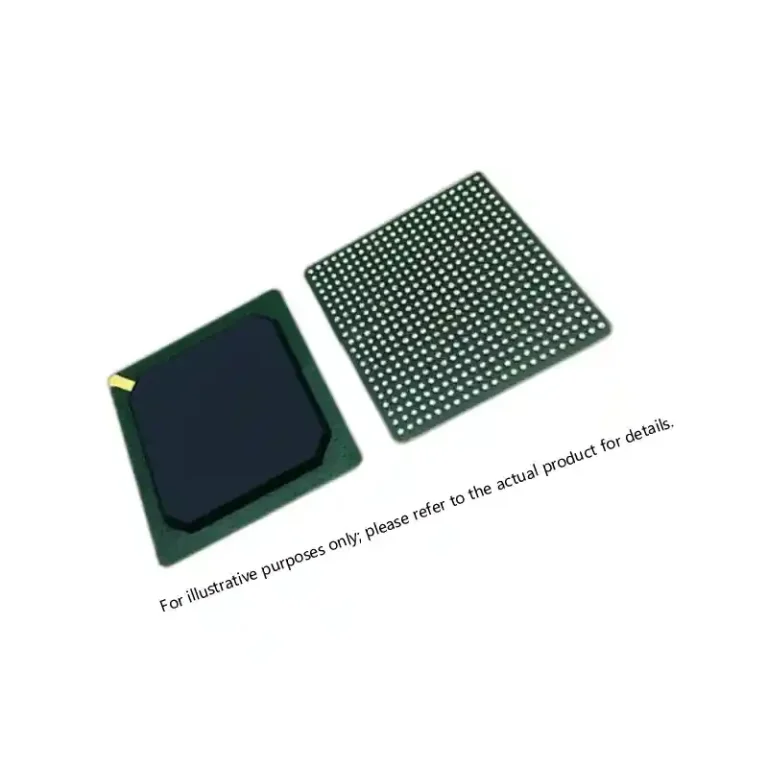
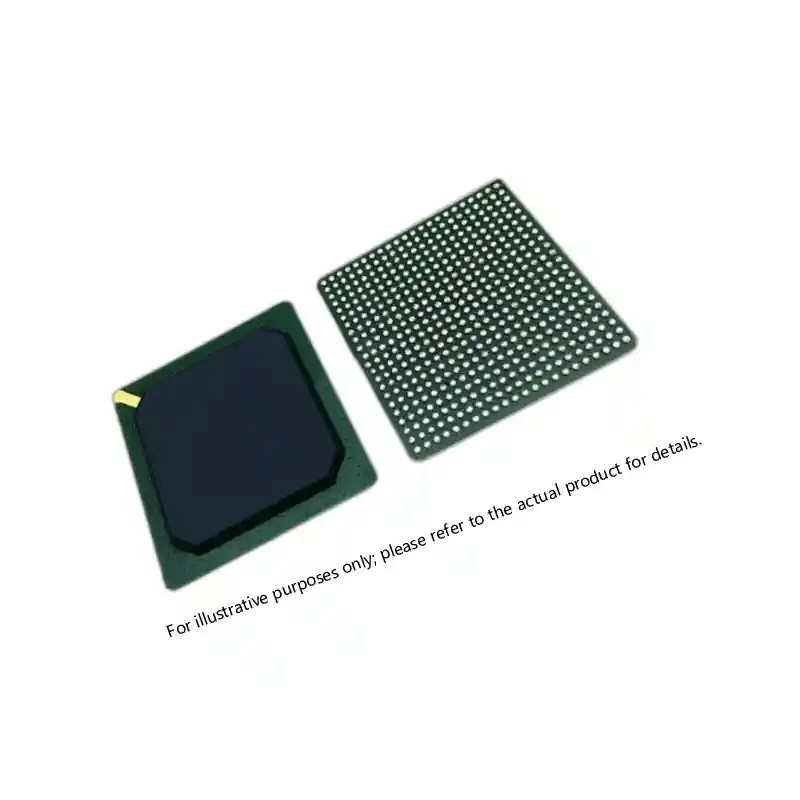
Military component storage is not an administrative afterthought. When a program spans fifteen or twenty years, the conditions under which components wait determine whether they remain ready for installation or degrade in ways that surface only during system test. Our team has supported programs where a single improperly stored BGA package caused a troubleshooting effort that consumed weeks of engineering time. This article covers the storage practices that matter most for long-term defense programs, from environmental control and packaging selection to inventory documentation and periodic retest, grounded in practical hi-rel component supply chain experience.
Why Storage Strategy Is a Critical Program Decision
When defense programs allocate budget for component procurement, storage is often treated as overhead. That choice becomes expensive later. Components that sit for years without a documented storage plan accumulate risk in three forms: moisture ingress, lead or terminal corrosion, and loss of lot traceability. Each of these can render a five-hundred-dollar part unusable at exactly the wrong moment.
I have seen programs that bought exact program quantities with no allowance for storage attrition, only to scramble when stored devices failed incoming inspection midway through production. A storage strategy is not separate from procurement; it is the back half of the supply chain. For any program with a lifecycle commitment beyond ten years, the storage environment and documented condition monitoring should be written into the quality plan at the same time as the component specifications.
Environmental Controls That Preserve Component Integrity
Temperature and humidity are the first variables, but the control boundaries for military components are narrower than many engineers expect. MIL-STD-2073 and J-STD-033 set the baseline: for moisture-sensitive devices at MSL 3 or higher, relative humidity must stay below 30% once the dry bag is opened, and storage should remain at 20°C to 25°C with less than 5°C variation to prevent condensation cycles.
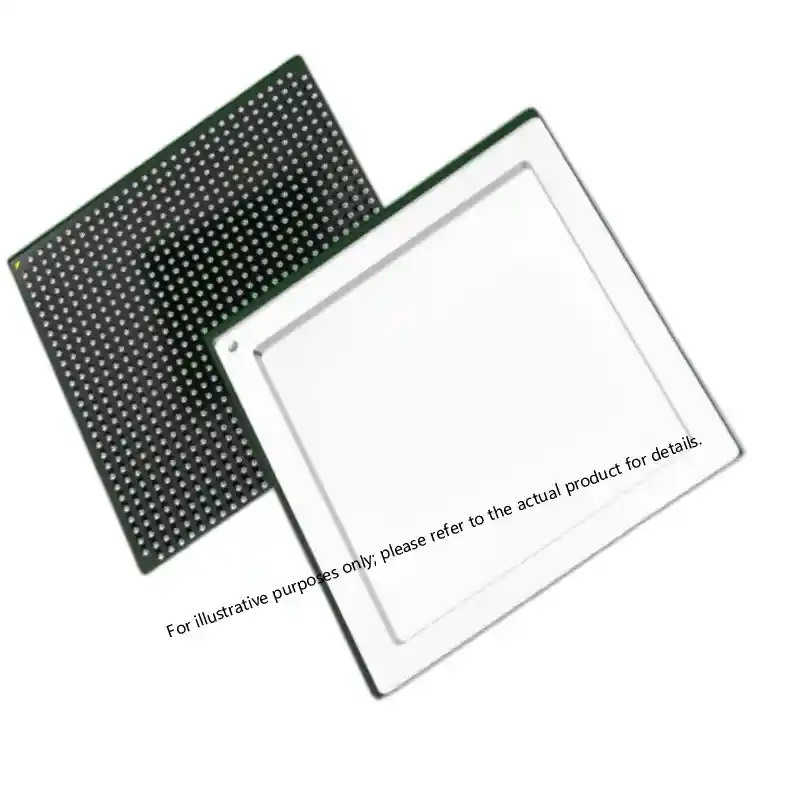
In practice, that means a nitrogen-purged dry cabinet is not optional for programs storing high-value FPGA or converter ICs. A standard air-conditioned warehouse with 50% RH will degrade soldered finishes over time, especially on tin-lead termination parts that defense programs commonly use. I have walked through facilities where components were kept in general stockrooms, and the lack of particulate and humidity control was visible in oxidized leads. That level of exposure is unacceptable for JANTX or QML devices that will go into mission-critical assemblies.
Beyond humidity, vibration and static discharge are secondary threats. Stored components should never sit on open shelving in a production area where forklift traffic or assembly operations transmit vibration. Each lot should be shielded in conductive totes or bags, and ground connections verified monthly.
Packaging and Protection Methods for Extended Storage
The packaging format at time of receipt is the first line of defense, but it is not a permanent solution. OEM dry packs with humidity indicator cards meet the immediate requirement, yet for storage beyond two years we recommend repackaging with fresh desiccant and a vacuum-sealed barrier bag, even if the original dry pack appears intact. Desiccant saturates over time, and humidity indicator cards do not always tell the full story when slow leaks are involved.
For high-reliability memory, FPGA, and fragile ceramic packages, we have found that adding an inner nitrogen-flush step before final sealing significantly reduces the long-term risk of oxidation on gold-termination finishes. This is particularly relevant for die-banked components that may be held for ten years or longer.
If your program involves mixed-technology BOMs where multiple package types and storage sensitivities coexist, mapping the correct storage method to each device family before receipt saves repacking costs and prevents cross-contamination. Reach out at xuansc2144@gmail.com with your part numbers and we can provide a storage recommendation specific to your Bill of Materials.
Different package types demand different storage approaches. The table below summarizes the most common combinations:
| Component Type | Preferred Storage Method | Monitoring Frequency |
|---|---|---|
| Plastic BGA, QFN (MSL 3+) | Nitrogen dry cabinet, <30% RH | Quarterly visual plus humidity card |
| Ceramic LCC, PGA | Vacuum-sealed MBB with desiccant | Annual inspection |
| Hermetic metal-can (transistor, diode) | Conductive tote, controlled humidity | Biannual lead inspection |
| Capacitor (tantalum, ceramic) | OEM dry pack or MBB, ESD protection | Annual lot sample testing |
Inventory Management and Strategic Stock for Decades-Long Programs
Physical storage conditions are only half the equation. Without rigorous inventory tracking, a properly stored component becomes an orphan part with no provenance. For long-term programs, we insist on a lot-based tracking system that links each stored device to its original Certificate of Conformance, incoming inspection report, and storage log entries. This chain of documentation is essential when, years later, an auditor or customer asks for the history of a device finally being installed.
We recommend maintaining a digital inventory log that records: date of receipt, manufacturer lot code, date of last storage inspection, humidity indicator status, and any repackaging actions. This log should be treated as a quality record with the same retention period as the program’s design documentation. I have been involved in program reviews where the absence of stored-component records delayed a production restart because no one could certify that the components had been maintained per the plan.
For defense programs, this documentation also supports compliance with AS9100 quality management requirements, which demand full traceability from procurement through installation. A well-structured inventory system makes it far easier to assess the remaining usable life of stock positioned for future upgrades or spares. Maintaining a strategic buffer of hard-to-source military ICs such as legacy Actel FPGAs or radiation-tolerant memories that are approaching end-of-life introduces an additional layer: die-bank monitoring and coordinated life-of-program buy decisions. I have worked with contractors who store these long-lead devices in dedicated dry-cabinet banks segregated by program, with an inventory log that flags any approaching OEM shelf-life limit. The carrying cost of holding components in controlled storage for a decade is not trivial, but it must be weighed against the cost of a line stoppage if those components become unavailable.
Periodic Inspection, Retest, and Recertification of Stored Components
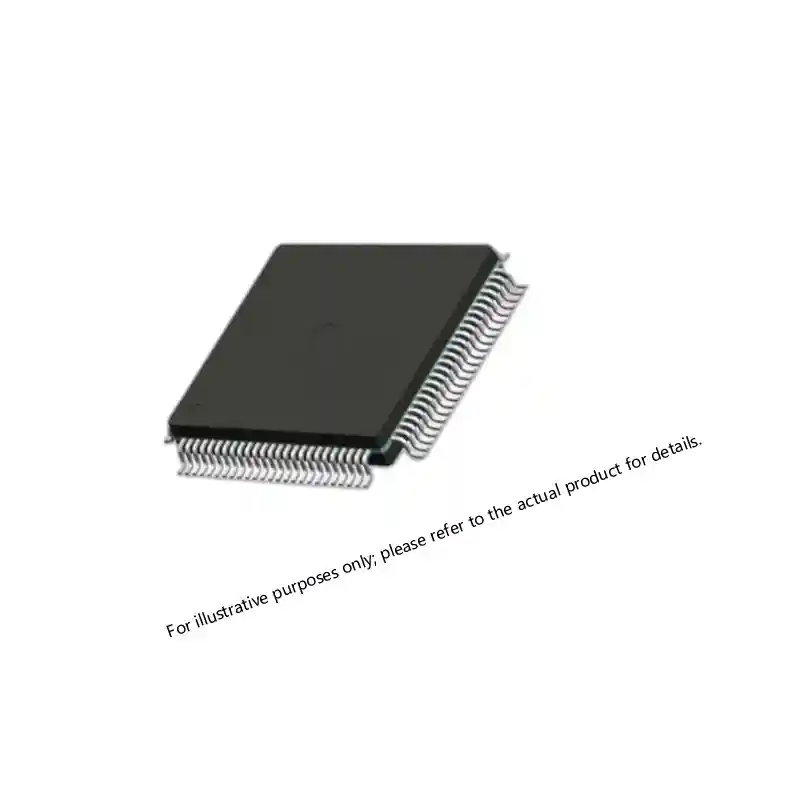
Storage is not static. Even components stored under ideal conditions require periodic evaluation to confirm ongoing usability. For programs with storage horizons beyond five years, we typically recommend an annual inspection cycle: open a representative sample from each lot, assess lead solderability, check for physical damage, and review humidity indicator data. If any degradation is found, the entire lot should be pulled for further evaluation or retest.
Solderability testing per J-STD-002 is a practical gate. For components with nickel-palladium-gold terminations, such as some ceramic-packaged ADCs, solderability rarely degrades if storage conditions are maintained. But for tin-lead finished parts, oxidation can begin within three to five years even in controlled low-humidity environments. That timeline shortens considerably if storage temperature fluctuation exceeds the recommended range.
When retesting is necessary, the original manufacturer’s test specification, or an approved lab capable of MIL-STD-883 screening, should be the reference point. We have assisted programs in coordinating retest services for stored lots, which can be a cost-effective alternative to ordering new production when inventory already exists but its condition needs verification. If your program holds components that have been stored for more than three years without documented inspection, a lot-level assessment is a prudent first step before committing those parts to any production build.
Putting a Storage Plan Into Action
Managing component integrity across a multi-decade defense program requires more than a checklist. It demands an operational plan that links environmental control, packaging maintenance, inventory tracking, and periodic inspection into a single auditable process. For program managers and procurement engineers, the most effective starting point is a storage gap analysis of current inventory against the practices outlined above.
If your program needs a documented storage recommendation aligned to your specific component mix, send your BOM and storage requirements to xuansc2144@gmail.com. We will return a component-level storage assessment and, if needed, coordinate repackaging or retest services to bring your inventory into full compliance.
Common Questions About Military Component Long-Term Storage
Does a vacuum-sealed MBB guarantee 20-year storage?
The bag itself does not guarantee lifetime. A properly sealed Moisture Barrier Bag with fresh desiccant and a humidity indicator card can maintain a moisture-free environment for years, but the internal condition degrades if the bag is punctured or stored in fluctuating temperatures. Twenty-year storage is achievable only when the bag is stored in a stable environment and periodically inspected. Our practice is to require an annual visual check of MBB seal integrity for any lot stored beyond five years.
How do I determine the shelf life of a specific MIL-SPEC part?
Shelf life varies by package type, finish, and storage conditions. Ceramic hermetic packages with gold terminations typically have indefinite shelf life if stored correctly. Plastic-encapsulated parts with tin-lead finishes generally have a predictable solderability life of three to five years under controlled conditions. Check the manufacturer’s product change notice or the original qualification report for lot-specific shelf-life data. If no data exists, assume a conservative window and plan for retesting.
Can we store components outside a humidity-controlled environment if they remain in OEM packaging?
OEM packaging is designed for shipping, not indefinite storage. While the original dry pack provides temporary protection, it is not rated for years of warehouse shelf life. Humidity indicator cards can appear normal even as slow moisture ingress begins. For any storage beyond the manufacturer’s stated floor-life period, transfer the components to controlled dry storage with nitrogen purge if possible. For facilities without on-site dry cabinets, third-party storage services are an option worth evaluating.
What documentation should accompany stored components for auditing purposes?
At a minimum, each stored lot should have a traceability packet linking the original Certificate of Conformance to a unique storage identifier, an inspection log, and any repackaging records. If the lot has been tested after storage, the test report and a CoC for the retest should be filed alongside the original receipt documents. During audits, the ability to produce this packet without searching through archived paper files makes a strong impression. If your program needs a formalized storage documentation package that meets AS9100 or customer-specific quality clauses, share your audit scope with us for a tailored document structure.
If you’re interested, check out these related articles:
UltraScale KU085 FPGA Specifications for Defense Systems
Virtex-7 XC7VX690T: Performance, Reliability, and Integration
XCKU115 UltraScale FPGA: Powering Critical Defense Systems
XCKU085 UltraScale FPGA: Performance for Critical Systems