Defense Bid Support Components: A Distributor’s Proposal Role
Table of Contents
- Why Distributor Support Matters in Defense Bid Preparation
- How Early Engagement Improves Bid Accuracy
- Accelerating BOM Quotes and Cost Data for Defense Bids
- 24-Hour RFQ Responses for Time-Critical Bids
- Handling Multi-Source BOMs and Alternate Parts
- Compliance Documentation: What Distributors Can Provide for Bid Compliance
- Supply Chain Risk and Lead Time Data That Strengthen Defense Bids
- Flagging EOL and Obsolescence Risks
- Lead Time Variability and Its Impact on Bid Pricing
- Building a Stronger Bid with Distributor-Gathered Intelligence
- Presenting Cost Data with Confidence
- Demonstrating Supply Chain Security to Evaluators
- What Defense Procurement Teams Ask About Distributor Bid Support
- Can we use distributor quotes as the basis for our cost volume when we haven’t secured the contract yet?
- How do you handle a BOM that mixes MIL-SPEC parts with commercial-grade items?
- What if a key FPGA or ADC on our BOM is on allocation and we can’t get a confirmed lead time before the proposal deadline?
- Do you provide samples or evaluation boards during the proposal phase?
- How do you ensure that parts quoted during the proposal are still available when the contract is awarded months later?
- Strengthen Your Next Defense Proposal with Component-Level Certainty
When a defense contractor faces a tight proposal deadline, missing component-level data can derail an otherwise strong bid. I’ve seen teams wait until the final days to confirm BOM pricing or compliance documents, only to discover lead time gaps or part obsolescence that force last-minute rework. Defense bid support components—meaning the critical parts a proposal includes—require up-front supply chain intelligence that a qualified distributor can deliver. Our experience at Sparkle Electronics shows that engaging a distributor during the proposal phase, not just after award, provides accurate cost estimates, verified compliance documentation, and risk flags that make the bid both more competitive and more credible with evaluators.
Why Distributor Support Matters in Defense Bid Preparation
Defense proposals are judged on technical merit, cost realism, and schedule feasibility. Each of these criteria depends on component-level data. If your BOM contains parts with unverified lead times or murky compliance status, the cost estimates become guesswork and the schedule assumptions look soft. I’ve seen evaluators downgrade a proposal because the team could not demonstrate a credible supply base for long-lead items.
A distributor that specializes in military-grade electronics can shorten this research cycle dramatically. Instead of the proposal team spending days emailing individual manufacturers, the distributor consolidates the information. We maintain current lead time data, pricing trends, and stock positions across dozens of manufacturers. When a contractor shares a BOM early, we can return a complete picture—often within one business day—that identifies everything from standard stocked parts to at-risk items that need alternate sourcing or redesign. That insight feeds directly into the proposal’s basis of estimate and risk register, two sections that frequently separate winning bids from also-rans.
How Early Engagement Improves Bid Accuracy
Programs that bring a distributor into the proposal loop before the final BOM freeze consistently produce more accurate cost projections. The distributor can flag parts where the manufacturer has announced a last-time buy, where export controls complicate shipment, or where a higher-grade QML-qualified version of the same function exists in stock and can be substituted cost-effectively. These adjustments, made early, prevent the embarrassing situation where a winning bid’s budget proves unworkable during the execution phase.
Accelerating BOM Quotes and Cost Data for Defense Bids
The most common request we get from proposal teams is a rapid, accurate BOM quote with compliance verification. Standard RFQ processes can take a week or more when routed through multiple sales channels. At Sparkle Electronics, we handle 24-hour RFQ turnarounds for defense BOMs because our inventory and pricing databases are structured specifically for MIL-SPEC and hi-rel parts. That speed matters when the proposal window is two weeks and the component list is still evolving.
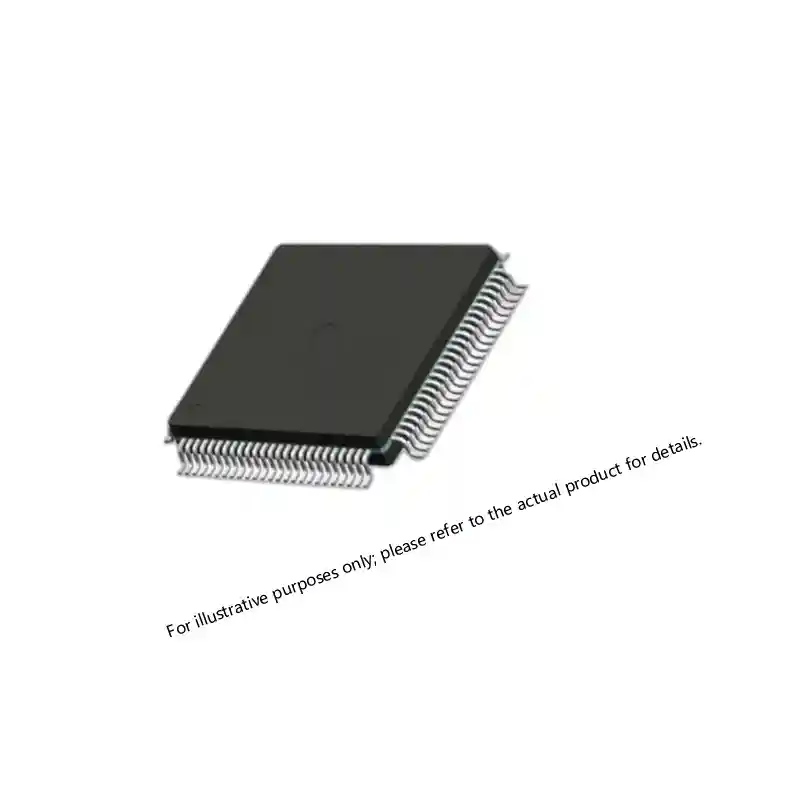
A practical workflow we recommend is to submit an initial BOM as soon as the architecture is defined, even if it contains placeholders. We return a first-pass quote with availability flags, then iterate as the design firms up. This way, the proposal manager always has a current cost baseline, and the technical team can make trade decisions based on real supply chain data rather than list prices from the manufacturer’s website.
24-Hour RFQ Responses for Time-Critical Bids
For urgent proposals, our team runs a prioritized quoting process that starts with the long-lead and compliance-intensive line items. If a part requires ITAR clearance or falls under DFARS coverage, we flag it immediately so that the proposal can include the necessary compliance narrative. This upfront sorting allows the prime contractor to present a fully substantiated cost volume rather than one padded with contingency percentages that make the bid less competitive.
Handling Multi-Source BOMs and Alternate Parts
When a BOM lists a sole-source part that the manufacturer has discontinued or put on allocation, the proposal can hit a dead end. We proactively cross-reference every line item with alternate sources—including form-fit-function equivalents from other QML vendors—and provide the part number, datasheet, and current stock position for each alternative. This gives the proposal team the ammunition it needs to justify a “second source approved” statement, which evaluators view as a strong risk-reduction measure.
Compliance Documentation: What Distributors Can Provide for Bid Compliance
Defense proposal evaluators expect compliance evidence, not promises. A statement that “all components will be procured from authorized sources” carries less weight than a package that includes sample certificates of conformance, traceability documentation, and evidence of an AS6081-compliant inspection process. The best time to demonstrate that infrastructure is in the proposal itself.
A distributor with a dedicated compliance operation can supply the following for the BOM attached to the proposal:
| Documentation Type | What It Shows the Evaluator |
|---|---|
| Certificate of Conformance (C of C) | Confirms the part meets the specified MIL-SPEC or 5962 standard |
| Traceability records | Proves chain of custody back to the manufacturer or authorized channel |
| DFARS / ITAR clearance confirmation | Demonstrates the part is not subject to prohibited country-of-origin restrictions |
| Incoming inspection reports | Shows the part was visually and electrically verified before stocking |
| QML or JANTX qualification status | Verifies the part is from a MIL-PRF-38535 qualified line |
When we support a proposal, we provide an actual compliance package for the specific BOM we quoted, not a generic capabilities statement. This allows the prime to include “compliance verified” in the proposal’s quality assurance section, supported by real documentation that can be audited.
If your proposal involves parts with ITAR or DFARS sensitivities, confirming their classification early can prevent a show-stopping compliance surprise during post-award review. Reach out at xuansc2144@gmail.com with your part numbers for a compliance screening before the proposal is final.
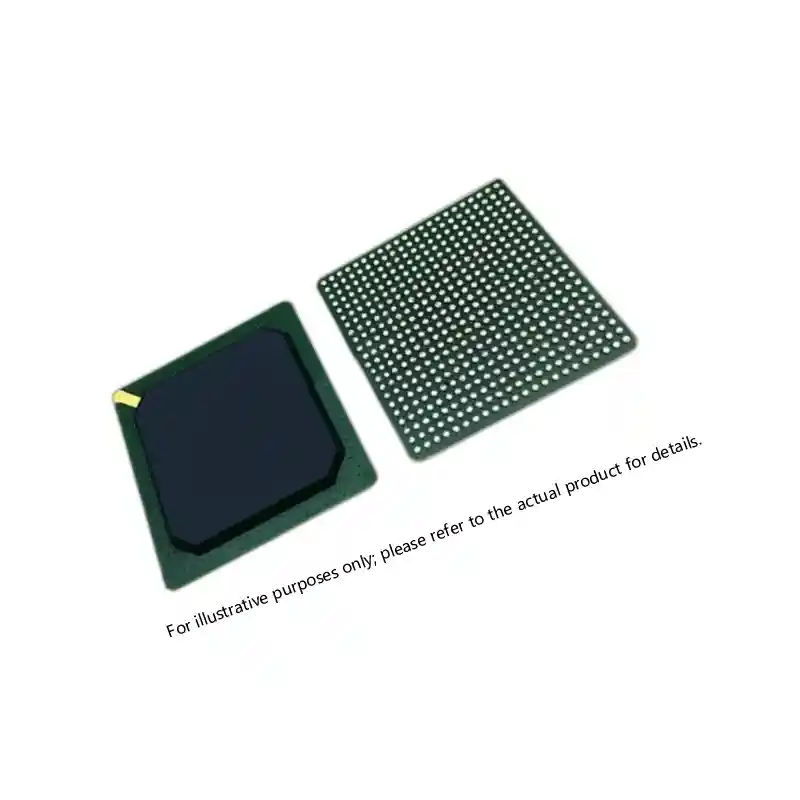
Supply Chain Risk and Lead Time Data That Strengthen Defense Bids
Every defense proposal must address supply chain risk. Evaluators look for evidence that the contractor has identified single points of failure and has mitigation plans in place. Component-level risk, however, is often handled with boilerplate language that says “we will work with approved suppliers to ensure availability.” That does not differentiate a bid.
What does differentiate it is a table that shows, part by part, the current lead time, stock position, and obsolescence status for every critical component. A distributor can generate this table directly from its ERP system. Even better, the distributor can project lead time stability over the program’s first year of production based on consumption forecasts and the manufacturer’s allocation history. This turns supply chain risk from an abstract concern into a quantified, manageable element of the proposal.
Flagging EOL and Obsolescence Risks
Parts that are near end-of-life present a particular hazard for defense programs that expect to run for a decade. A distributor with a die banking relationship can offer a lifecycle continuation path for FPGAs, ADCs, and memory devices that the manufacturer plans to retire. Proposing that path in the bid—along with a die bank cost estimate—demonstrates proactive lifecycle management and removes the obsolescence uncertainty that evaluators dislike.
Lead Time Variability and Its Impact on Bid Pricing
I’ve seen proposals lose because the cost volume assumed standard lead times that shifted by 16 weeks between the bid and the first order. Distributors track these shifts weekly and can provide a lead time trend chart for the BOM’s high-risk items. Including that data in the bid’s schedule section signals to the evaluator that the contractor understands the market and has built realistic buffers—not generic ones—into the program plan.
Building a Stronger Bid with Distributor-Gathered Intelligence
The shift from “we’ll source parts after award” to “we sourced the BOM during the proposal phase” changes the evaluator’s perception of the entire bid. It signals that the contractor has done its homework, that the cost basis is grounded, and that the program can start without a 12-week sourcing delay. That margin of credibility matters in competitive source selections where multiple bids are technically similar.
Presenting Cost Data with Confidence
When we deliver a BOM quote, we include a price validity period and a note on any volatile lines. This allows the proposal manager to state, “Pricing is based on actual distributor quotes, valid for 90 days,” rather than estimating. The same discipline applies to non-recurring engineering costs: if a distributor stocks pre-programmed configuration memories or provides free programming support for FPGAs, those cost advantages flow directly into the proposal’s bottom line.
Demonstrating Supply Chain Security to Evaluators
In recent source selections, I’ve observed a growing emphasis on supply chain security narratives. Contractors that can describe a traceable, auditable procurement path—from the distributor’s stockroom to the production line, with documented anti-counterfeit measures at every step—are in a stronger position than those offering generic assurances. A distributor that is AS6081-compliant and performs incoming inspection under a documented quality plan gives the proposal the evidence it needs to satisfy the security requirement without additional consultant fees or external audits.
What Defense Procurement Teams Ask About Distributor Bid Support
Can we use distributor quotes as the basis for our cost volume when we haven’t secured the contract yet?
Yes, and in my experience this is standard practice. The quotes must be current, ideally with a stated validity period, and the bid should note that pricing is subject to confirmation at time of order. Our team at Sparkle Electronics provides quotes formatted specifically for proposal cost volumes, with separate columns for unit price, extended cost, lead time, and compliance status. This format maps directly to most defense contracting templates.
How do you handle a BOM that mixes MIL-SPEC parts with commercial-grade items?
We flag the division immediately. MIL-SPEC parts are quoted from our QML and JANTX inventory with full traceability. For commercial-grade items, we provide pricing and availability but note the compliance gap so the proposal can address any qualification or up-screening costs. If an up-screened version of the commercial part exists in our stock, we include it as an alternate. This way, the proposal team can decide whether to accept the risk or absorb the higher cost of the screened part based on the system’s criticality.
What if a key FPGA or ADC on our BOM is on allocation and we can’t get a confirmed lead time before the proposal deadline?
In that case, we source from our existing inventory of strategic stock parts. For example, we hold quantities of Microsemi/Microchip ProASIC3 and SmartFusion FPGAs, Xilinx Virtex-7 devices, and high-speed ADCs from Analog Devices and Teledyne e2v. If we have the exact part in stock, we quote with immediate delivery. If not, we propose an alternate that we do stock, along with a form-fit-function comparison to support the substitution in the technical volume. This approach prevents the proposal from stalling over one unavailable line item.
Do you provide samples or evaluation boards during the proposal phase?
We can supply commercial-temperature samples of many parts so the engineering team can validate functionality while the proposal is being written. For MIL-SPEC temperature range devices, samples are generally more restricted, but we can arrange evaluation units through the manufacturer when the program justifies it. The key is to request these early—our lead time for coordinating sample shipments is usually under two weeks.
How do you ensure that parts quoted during the proposal are still available when the contract is awarded months later?
We track the quoted BOM in our system with a “bid registered” status. If any line item approaches its price validity expiration or a manufacturer announces a change, we alert the customer immediately. For long-duration proposals, we also offer a price lock program on certain in-stock parts to fix cost and availability through the anticipated award date. If you are working on a proposal with an extended evaluation cycle, share your BOM and timeline at xuansc2144@gmail.com and we will set up the monitoring and alerts.
Strengthen Your Next Defense Proposal with Component-Level Certainty
The difference between a proposal that impresses evaluators and one that blends into the stack often comes down to the quality of the component data. When your bid includes accurate BOM quotes, compliance documentation, and quantified supply chain risk assessments, you demonstrate the kind of preparation that signals program maturity and low execution risk.
Sparkle Electronics supports defense proposal teams by delivering that data, on the timeline the proposal demands. We are not simply a parts supplier waiting for a purchase order; we are a sourcing partner that understands how component-level intelligence translates into proposal competitiveness.
If you are preparing a defense bid and need component pricing, compliance documentation, or supply chain risk analysis, send your BOM to xuansc2144@gmail.com. We will respond with a priced compliance matrix and a detailed availability assessment—typically within 24 hours.
If you’re interested, check out these related articles:
XC7VX485T Virtex-7 FPGA: Performance and Sourcing for Defense
UltraScale KU085 FPGA Specifications for Defense Systems
Virtex-7 690T FPGA: Performance, Packaging, and Reliability Insights
XC7VX485T FPGA: Virtex-7 Performance for Defense