Defense Embedded Computing: Sourcing and Integration Guide
Table of Contents
- Early Lifecycle Planning for Defense Embedded Computing
- Processing Architecture Decisions for Defense Embedded Computing
- Traceability and Documentation Requirements for Defense Embedded Computing
- Which Documentation Set Must Be Complete Before Build?
- Integration and Obsolescence Planning for Long-Run Defense Programs
- Sourcing Defense Embedded Computing With a Traceable BOM
- Common Questions About Defense Embedded Computing
- How early should sourcing decisions be made in a defense embedded computing program?
- Does defense embedded computing always require QML devices?
- What is the most common documentation gap in first builds?
- Can older FPGAs still be sourced for defense embedded computing?
Defense embedded computing succeeds or fails long before the first prototype boots. The processor, FPGA, memory, and power devices on the board carry qualification and traceability requirements that a commercial design does not, and each sourcing choice locks in risk for years of production. I have seen programs lose months because a part looked right in the data sheet but lacked lot test data, so the board sat in receiving during qualification. The sourcing and integration sequence that closes those gaps starts with lifecycle planning, not with a BOM.
Early Lifecycle Planning for Defense Embedded Computing
Most defense embedded computing programs start with a capability requirement, but the first sourcing question should be how long the board must stay in production. A twenty-year airframe program and a limited technology demonstrator need different part selection logic. We ask engineering and procurement to review the lifecycle profile at the same time as the functional block diagram. If a rad-tolerant FPGA is selected for signal processing but the configuration memory has no qualified source path, the board loses months later in qualification. At Sparkle Electronics, we treat that first architecture review as a supply chain review, not a design-only exercise.
Early lifecycle planning also puts the documentation requirement on the table before the schematic is fixed. A device that meets electrical requirements but cannot be traced to lot and date code will not survive an incoming inspection audit. The cost of replacing it after board spin is not the device price alone; it is the requalification work and the schedule slip. We have watched teams absorb that cost more than once because the lifecycle discussion arrived after the first build.
Processing Architecture Decisions for Defense Embedded Computing
Choosing among an FPGA, DSP, high-speed ADC/DAC path, and a general-purpose processor sets the qualified component pool and the failure mode that will follow the program. FPGAs from Actel and Microsemi families appear often in defense embedded computing because configurable logic matches signal processing and sensor fusion workloads, but the architecture only works when configuration memory, clocking, and pin compatibility are controlled as tightly as the device itself. A part such as the A3P1000-FGG484I or the AX1000-1CQ352M is well understood by the supply base; the board still hinges on adjacent parts that fewer teams review.
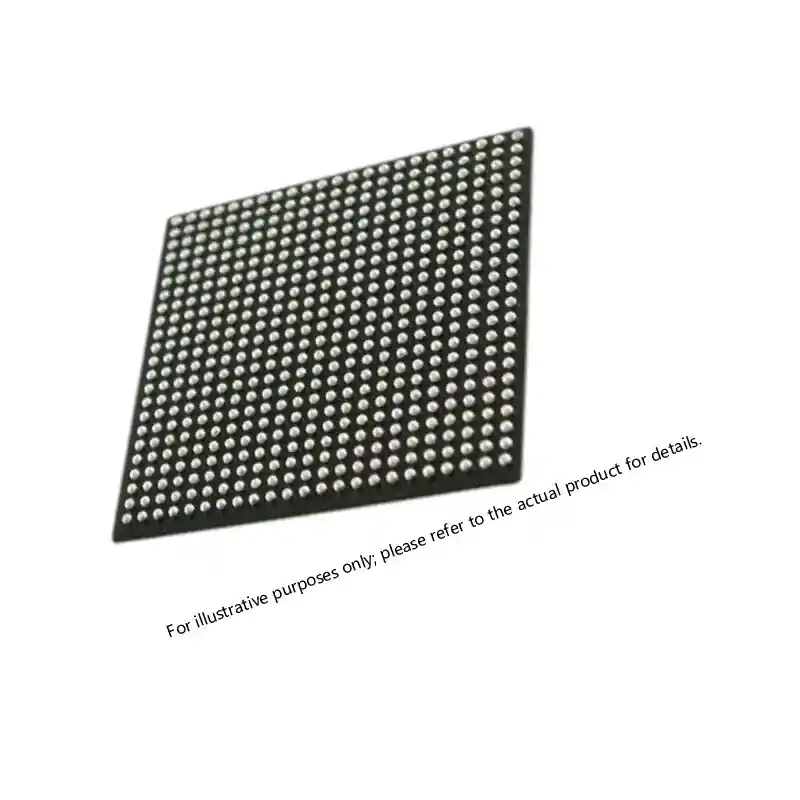
| Processing Option | Strongest Use in Defense Embedded Computing | Main Sourcing Risk |
|---|---|---|
| Radiation-tolerant FPGAs | Reconfigurable signal processing and sensor fusion | Configuration memory and pin-compatible second sources |
| High-speed ADC/DAC with FPGAs | Wideband radar, EW, and SIGINT | Mixed-signal path changes propagate across the board |
| Fixed-point DSPs | Deterministic low-latency processing | Long lead times and limited second sources |
| General-purpose processors | Mission computing, control, and data management | Shorter obsolescence cycles than program life |
The selection rarely stays static. We review the architecture against the program’s approved vendor list and test flow before the BOM expands, because a processor choice that looks clean in a data sheet turns difficult when the required speed grade or package has no qualified stock. That review is where many programs cut risk without changing the design.
Traceability and Documentation Requirements for Defense Embedded Computing
Defense embedded computing boards pass incoming inspection on paperwork as much as on part quality. We check date codes, lot numbers, test classifications, and the certificate of conformance against the purchase order before parts ship. When a design mixes QML devices with upscreened commercial parts, the documentation burden rises quickly. The buyer must know which parts carry Class B, Class Q, or QML Q screening and whether the test flow matches the program’s approved parts list.
Which Documentation Set Must Be Complete Before Build?
The minimum set before assembly includes the customer-specific C of C, lot test data for the shipped date codes, and evidence that the parts came through an authorized chain. For 5962-series and JANTX/JANTXV devices, the marking and paperwork must match the device class on the approved parts list. The most frequent gap we see is a certificate for the part family, not the lot. A family-level document does not close a traceability finding in a defense audit.
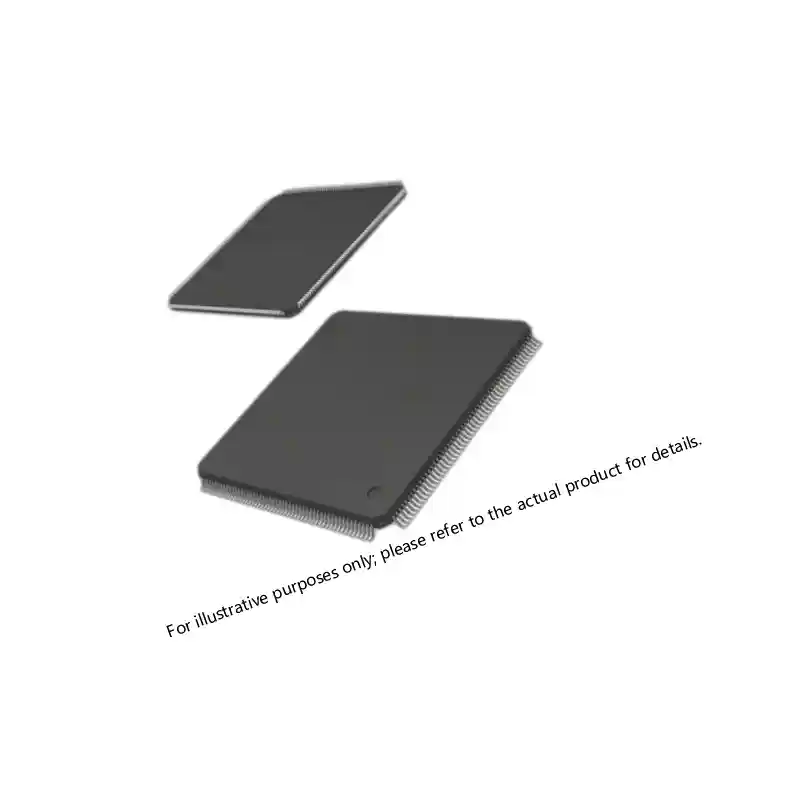
If your board mixes QML, JANTX, and commercial-grade parts on one BOM, it is worth confirming the documentation coverage for each line before the design freeze. Send the part number list to xuansc2144@gmail.com and we will check the test flow against your approved parts list.
Integration and Obsolescence Planning for Long-Run Defense Programs
Integration failures in defense embedded computing often live in configuration memory, power sequencing, and timing margins. A working FPGA paired with configuration memory that was not ordered to the same temperature grade or test flow is a common trap. The part number looks close, but the part is not equivalent. We have seen boards pass first power-up and fail qualification because the clocking or reset path relied on devices that did not match the approved BOM.
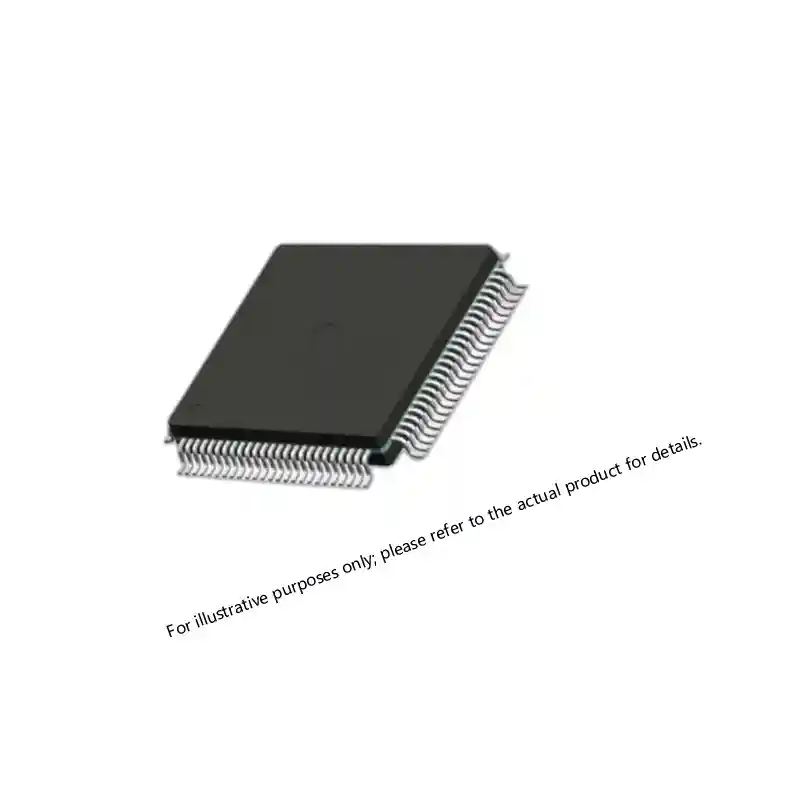
Obsolescence planning belongs in the same review as architecture selection. Programs that run ten, fifteen, or twenty years outlast many component life cycles, so we advise procurement teams to hold a last-time buy process and a die banking option for FPGAs and memory that cannot be replaced without requalification. If a source cannot show allocated supply or controlled long-term storage, the part is not a program fit, regardless of current price.
Sourcing Defense Embedded Computing With a Traceable BOM
Managing defense embedded computing supply is less about finding the fastest chip and more about locking in a traceable, documented, life-of-program supply. If your next board is entering prototype, qualification, or a long production run, send your BOM with target quantities to xuansc2144@gmail.com and we will respond with stock, lead time, and documentation status for each line item. For urgent program support, call the number on the Sparkle Electronics contact page or request a callback through the same email and we will schedule a technical review with your procurement or engineering team.
Common Questions About Defense Embedded Computing
How early should sourcing decisions be made in a defense embedded computing program?
Sourcing decisions belong in the first design review, not after the BOM is built. Early review lets the team rule out parts with weak traceability or limited qualified stock before they appear in the schematic. If a board reaches prototype bring-up with architecture and supply chain still unsettled, the most expensive fixes tend to land after the first spin. We recommend reviewing the functional block diagram and the lifecycle profile together, with procurement at the table as soon as the processing architecture is drafted.
Does defense embedded computing always require QML devices?
Not every device on a defense embedded computing board must be QML, but assuming commercial parts can be dropped in without review is the fastest way to fail qualification. Some lower-risk positions can use upscreened commercial devices, provided the test flow, temperature grade, and documentation meet the program’s approved parts list. The decision depends on the program’s qualification requirements and the component’s role. QML or JANTX parts are the safer default for anything in the signal path, power path, or configuration chain.
What is the most common documentation gap in first builds?
In boards we have reviewed, the most common gap is incomplete lot traceability, not a missing data sheet. The buyer holds a certificate for the part family, but the lot numbers on the physical parts do not match the paperwork. That mismatch stops incoming inspection even when the device is electrically correct. We check date codes and lot numbers against the C of C before shipment because a traceability gap is cheaper to close before parts leave the distributor than after they arrive on the dock.
Can older FPGAs still be sourced for defense embedded computing?
The question is less about age and more about whether the part still has an authorized test flow and a stable source. Older Actel, Altera, and Xilinx families appear on long-running boards because recertifying a replacement is expensive. If the part is no longer in production, die banking or a last-time buy can cover the remaining program life. Share your part numbers, quantity, and required documentation to xuansc2144@gmail.com and we will confirm what is still obtainable.
If you’re interested, check out these related articles:
XCKU115 UltraScale FPGA: Powering Critical Defense Systems
Virtex-7 XC7VX690T: Performance and Reliability Insights
Virtex-7 690T FPGA: Performance, Packaging, and Reliability Insights