Electronic Components for Soldier-Wearable Military Electronics and Smart Gear
Table of Contents
- Why Soldier-Wearable Systems Require Specialized Component Selection
- What Component Categories Define Wearable Military Electronics
- How SWaP-C Optimization Drives Component Decisions
- What Qualification Standards Apply to Wearable Defense Components
- How to Source Authentic Components for Wearable Military Programs
- What Emerging Technologies Are Shaping Wearable Defense Electronics
- Questions Defense Teams Ask About Wearable Electronics Components
- What temperature range should components support for soldier-wearable applications?
- How do we verify that military-grade components are authentic and not counterfeit?
- What is the difference between upscreened commercial components and true military-grade parts?
- How do lead times for military-grade wearable components compare to commercial equivalents?
- What documentation should we require when purchasing components for wearable military systems?
- Sources and Further Reading
Modern infantry operations depend on wearable electronic systems that must function reliably under conditions no commercial device could survive. From head-mounted displays and tactical radios to physiological monitoring sensors and power management units, soldier-wearable military electronics demand components rated for extended temperature ranges, shock and vibration resistance, and electromagnetic compatibility in contested spectrum environments. The challenge for defense procurement teams lies not just in identifying components that meet MIL-STD-810 environmental requirements, but in sourcing authentic, traceable parts through supply chains that satisfy DFARS and program-specific compliance mandates. This article examines the component categories, qualification standards, and sourcing strategies that define successful wearable defense electronics programs.
Why Soldier-Wearable Systems Require Specialized Component Selection
Soldier-wearable electronics operate in an environment fundamentally different from vehicle-mounted or fixed-installation defense systems. The human body introduces thermal constraints, weight penalties matter at the gram level, and power budgets measured in watt-hours determine mission duration. A dismounted soldier carrying 30 kg of equipment cannot tolerate the additional burden of oversized batteries or heat-generating components that commercial wearables might accept.
The operational temperature range for body-worn military systems typically spans -40°C to +85°C for industrial-grade components, though certain applications require the full -55°C to +125°C military temperature range. Components mounted close to the body experience thermal cycling as soldiers move between heated vehicles, cold external environments, and the microclimate created by body heat under tactical gear. This cycling stresses solder joints and package interfaces in ways that steady-state temperature exposure does not.
Shock and vibration specifications for wearable systems differ from platform-mounted equipment. While a vehicle-mounted system might experience sustained vibration at predictable frequencies, a soldier-worn device encounters random impact events from running, jumping, prone-to-standing transitions, and the occasional hard landing. MIL-STD-810H Method 516.8 defines shock procedures, but the specific test profiles must match actual use cases rather than generic specifications.
Power efficiency drives component selection more aggressively in wearable applications than in any other defense electronics category. A tactical radio that consumes 5W versus 3W may seem like a minor difference until multiplied across a 72-hour mission with limited resupply. Low-power military-grade ICs, particularly microcontrollers and RF front-end components, directly determine whether a system design meets operational requirements.
What Component Categories Define Wearable Military Electronics
Soldier-wearable systems integrate components across several functional categories, each with distinct qualification requirements and sourcing challenges.
Microcontrollers and processors form the computational core of wearable devices. Military-grade microcontrollers from manufacturers like Microchip (formerly Atmel) and Texas Instruments provide the processing capability for sensor fusion, communication protocol handling, and user interface management. The ATMEL AT28C256-15DM/883 represents the class of MIL-qualified memory devices that support these processors in harsh environments.
Power management ICs regulate voltage conversion, battery charging, and load distribution. Wearable systems typically operate from lithium-ion battery packs with nominal voltages between 7.4V and 14.8V, requiring efficient DC-DC conversion to supply 3.3V and 1.8V logic rails. Military-grade regulators from Texas Instruments, such as the TPS73601MDBVREP and TPS73633MDBVREP, deliver the low dropout performance and extended temperature operation that wearable applications demand.
| Component Category | Key Parameters | Typical MIL Standards |
|---|---|---|
| Microcontrollers | Operating temperature, power consumption, processing speed | MIL-PRF-38535, DESC SMD |
| Power Management | Efficiency, dropout voltage, thermal performance | MIL-PRF-38535 Class B/Q |
| RF Transceivers | Frequency range, output power, receiver sensitivity | MIL-STD-461G EMC |
| Sensors | Accuracy, power consumption, package size | MIL-STD-810H environmental |
| Memory | Retention, access time, radiation tolerance | MIL-PRF-38535 QML |
| Connectors | Contact resistance, mating cycles, sealing | MIL-DTL-38999, MIL-DTL-26482 |
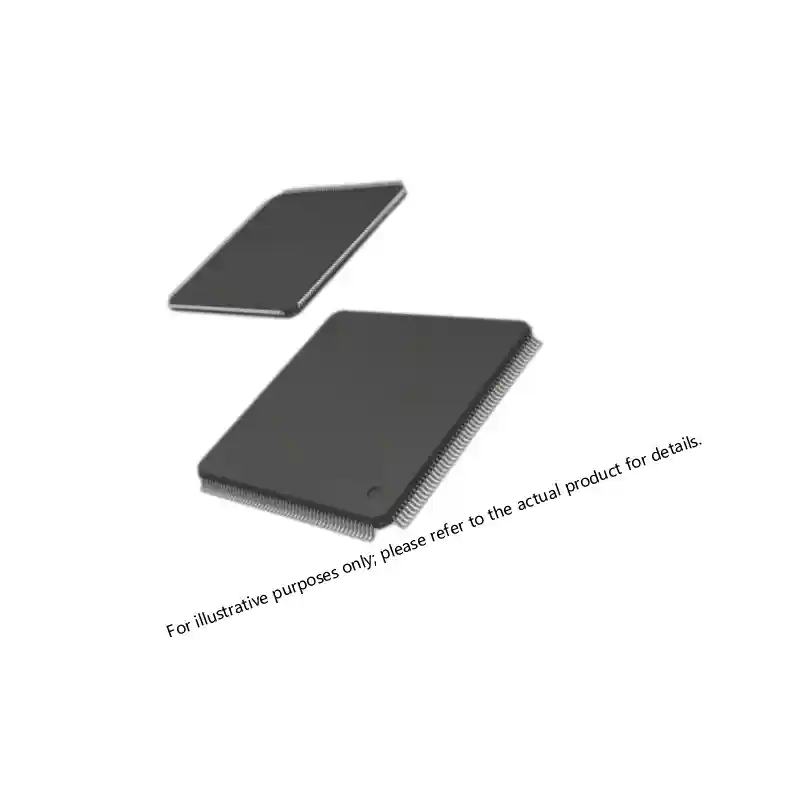
RF and communication components enable the tactical networking that modern soldier systems require. Software-defined radio architectures increasingly rely on high-speed ADCs and DACs to digitize and synthesize waveforms. Components like the AD9268BCPZ-125 dual 16-bit ADC provide the signal acquisition capability for wideband receivers in compact packages suitable for wearable integration.
Sensors and signal conditioning components capture physiological data, environmental conditions, and tactical information. Precision amplifiers and analog front-ends from Analog Devices, including the AD8552ARZ zero-drift op-amp, enable accurate measurement of low-level signals from strain gauges, temperature sensors, and bioelectric sensors.
How SWaP-C Optimization Drives Component Decisions
Size, Weight, Power, and Cost (SWaP-C) optimization represents the central engineering challenge for wearable military electronics. Every component selection decision involves tradeoffs across these four dimensions, and the relative weighting depends on program requirements.
Size constraints in wearable applications often prove more restrictive than in other defense electronics categories. A head-mounted display must fit within the volumetric envelope of a helmet, while a wrist-worn device cannot exceed dimensions that interfere with weapon handling. Component packages must be selected not just for electrical performance but for mechanical integration. Ball grid array (BGA) packages offer the highest density but require more sophisticated assembly processes than leaded packages. Chip-scale packages (CSP) minimize board area but may complicate thermal management.
Weight reduction at the component level aggregates into meaningful system-level savings. Selecting a 0402 passive component over an 0603 equivalent saves milligrams per part, but a typical wearable system contains hundreds of passives. Ceramic capacitors from manufacturers like KEMET, including MIL-PRF-39014 qualified devices, provide the volumetric efficiency that wearable designs require.
Power optimization involves both static and dynamic consumption. Sleep modes, clock gating, and voltage scaling techniques at the system level depend on component-level support for these features. Military-grade FPGAs from Microsemi (now Microchip), such as the A3P1000-FGG484I ProASIC3 family, offer flash-based configuration that eliminates the power consumption of external configuration memory during operation.
The cost dimension of SWaP-C creates tension with military qualification requirements. Commercial components cost a fraction of their MIL-qualified equivalents, but the risk of field failures, supply chain disruptions, and counterfeit infiltration often outweighs the apparent savings. Programs that attempt to use commercial components in wearable military applications frequently encounter problems during environmental qualification testing that require expensive redesigns.
If your wearable electronics program is balancing SWaP-C requirements against qualification standards, sharing your specific constraints with our engineering team can help identify components that meet both technical and budgetary requirements. Contact us at xuansc2144@gmail.com with your preliminary BOM for a sourcing assessment.
What Qualification Standards Apply to Wearable Defense Components
Military qualification standards establish the baseline reliability requirements for components used in defense applications. Understanding which standards apply to wearable systems helps procurement teams specify appropriate parts and evaluate supplier claims.
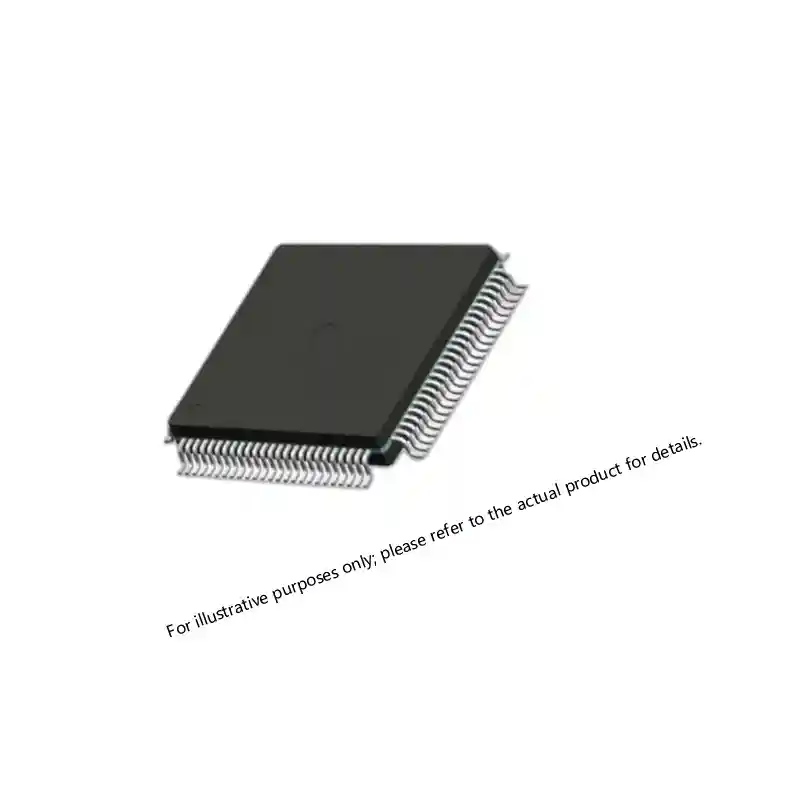
MIL-PRF-38535 defines the requirements for integrated circuits qualified through the Qualified Manufacturers List (QML) program. QML Class Q devices undergo screening to military temperature ranges and reliability testing that ensures performance in harsh environments. QML Class V adds radiation hardness assurance for space and nuclear effects applications, though most wearable systems do not require this level of protection.
MIL-STD-883 specifies test methods for microelectronics, including the screening procedures that distinguish military-grade components from commercial equivalents. Method 1010 (temperature cycling), Method 1011 (thermal shock), and Method 2001 (constant acceleration) represent the environmental stresses that wearable components must survive.
MIL-STD-810H establishes environmental engineering considerations and laboratory test methods for equipment rather than components. However, component selection must support system-level compliance with MIL-STD-810H requirements for temperature, humidity, altitude, vibration, and shock. A component that meets its own datasheet specifications but causes system-level failures under MIL-STD-810H testing creates program delays and cost overruns.
MIL-STD-461G defines electromagnetic interference (EMI) and electromagnetic compatibility (EMC) requirements. Wearable systems operating in close proximity to tactical radios, GPS receivers, and other RF-sensitive equipment must not generate interference that degrades system performance. Component selection affects EMC compliance through factors like switching frequency, rise time, and package parasitics.
| Standard | Scope | Relevance to Wearables |
|---|---|---|
| MIL-PRF-38535 | IC qualification | Defines QML classes for military ICs |
| MIL-STD-883 | IC test methods | Screening procedures for reliability |
| MIL-STD-810H | Equipment environmental | System-level test requirements |
| MIL-STD-461G | EMC requirements | Interference control for RF systems |
| MIL-PRF-39014 | Ceramic capacitors | Passive component qualification |
| MIL-PRF-55365 | Tantalum capacitors | High-reliability passive components |
The relationship between component-level and system-level qualification creates procurement complexity. A component may be fully qualified to MIL-PRF-38535 Class Q, but if the system design does not properly derate that component for the intended application, field failures can still occur. Derating guidelines from manufacturers and standards like MIL-HDBK-217 provide the framework for ensuring that qualified components deliver their expected reliability in actual use.
How to Source Authentic Components for Wearable Military Programs
Supply chain integrity represents a critical concern for wearable military electronics programs. The compact form factors and high integration levels of wearable systems mean that a single counterfeit component can compromise an entire unit. Counterfeit components have been documented in defense supply chains, with consequences ranging from field failures to safety hazards.
Authorized distribution provides the most direct path to authentic components. Manufacturers like Analog Devices, Texas Instruments, and Microchip maintain authorized distributor networks that guarantee traceability from wafer fabrication through final delivery. However, authorized distribution channels may not stock all military-grade variants, particularly for older devices or low-volume part numbers.
Independent distribution fills gaps in authorized channel availability but requires additional verification measures. Reputable independent distributors implement incoming inspection procedures aligned with AS6081 (Counterfeit Electronic Parts: Avoidance, Detection, Mitigation, and Disposition) and AS6171 (Test Methods Standard for Counterfeit Electronic Parts). These standards define visual inspection, X-ray analysis, electrical testing, and other techniques for detecting counterfeit or substandard components.
Documentation requirements for military programs typically include Certificates of Conformance (C of C), test reports, and traceability records linking each lot to its manufacturing source. DFARS clause 252.246-7007 requires contractors to establish and maintain an acceptable counterfeit electronic part detection and avoidance system. This flows down to component suppliers, who must demonstrate their own counterfeit prevention measures.
The practical challenge for wearable program procurement teams lies in balancing schedule pressure against verification thoroughness. A component shortage that threatens production milestones creates pressure to accept parts from unfamiliar sources, but the consequences of counterfeit infiltration far exceed the cost of schedule delays. Establishing relationships with qualified distributors before shortages occur provides the supply chain resilience that wearable programs require.
Sparkle Electronics maintains inventory of military-grade components specifically for defense programs facing lead time challenges. Our stock includes QML-qualified FPGAs, MIL-SPEC power management ICs, and high-reliability passive components with full traceability documentation.
What Emerging Technologies Are Shaping Wearable Defense Electronics
Wearable military electronics continue to evolve as new component technologies reach military qualification levels. Understanding these trends helps program managers plan technology insertion and avoid obsolescence risks.
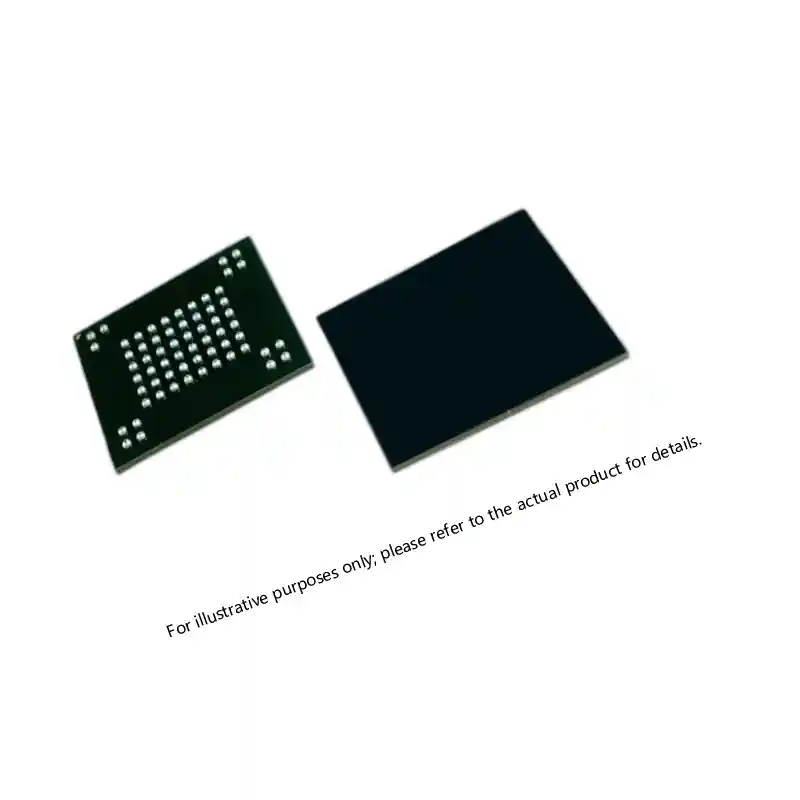
Advanced packaging technologies including System-in-Package (SiP) and 3D integration enable higher functional density in smaller form factors. These approaches integrate multiple die, passive components, and interconnects within a single package, reducing board area and improving electrical performance. Military qualification of advanced packaging lags commercial availability, but programs with multi-year development timelines can plan for these technologies.
Wide-bandgap semiconductors based on gallium nitride (GaN) and silicon carbide (SiC) offer performance advantages for power conversion and RF applications. GaN power amplifiers deliver higher efficiency than gallium arsenide equivalents, directly benefiting battery-powered wearable systems. Components like the TGA2239 GaN power amplifier represent the class of devices enabling next-generation wearable RF systems.
Low-power processing architectures continue to improve the computational capability available within wearable power budgets. ARM-based processors with advanced power management features, combined with dedicated accelerators for AI inference and signal processing, enable capabilities that would have required vehicle-mounted systems a generation ago.
Flexible and conformal electronics represent a longer-term technology trend with significant implications for soldier-wearable systems. Components mounted on flexible substrates can conform to body contours, improving comfort and reducing snag hazards. Military qualification of flexible electronics remains limited, but research programs are advancing the technology readiness level.
The obsolescence management challenge for wearable programs intensifies as technology advances. A component selected during system design may reach end-of-life before the system completes its operational lifecycle. Strategies including lifetime buys, die banking, and designed-in second sources help mitigate obsolescence risk. Working with distributors who maintain visibility into manufacturer product lifecycle plans provides early warning of potential supply disruptions.
Questions Defense Teams Ask About Wearable Electronics Components
What temperature range should components support for soldier-wearable applications?
Most soldier-wearable applications require at minimum the industrial temperature range of -40°C to +85°C, with many programs specifying the full military range of -55°C to +125°C for components in thermally stressed locations. The specific requirement depends on where the component mounts relative to the body, the thermal design of the enclosure, and the operational environment. Components near heat-generating processors or power stages may see temperatures significantly above ambient, while externally mounted sensors may experience the full environmental range. Reviewing your thermal analysis with component suppliers helps identify whether standard military temperature grades suffice or whether extended temperature screening is warranted.
How do we verify that military-grade components are authentic and not counterfeit?
Authentication begins with sourcing from authorized distributors or independent distributors with documented AS6081-compliant quality systems. Beyond source verification, incoming inspection should include visual examination under magnification, comparison against manufacturer reference samples, and electrical testing against datasheet parameters. For high-risk components, destructive physical analysis (DPA) of sample units can detect remarked or recycled parts. X-ray inspection reveals internal construction anomalies. The level of verification should match the risk profile of the application and the confidence level in the supply source. If your program requires authentication support beyond standard incoming inspection, our team can coordinate third-party testing through accredited laboratories.
What is the difference between upscreened commercial components and true military-grade parts?
True military-grade components are designed, fabricated, and tested to military specifications from the outset, with process controls and documentation that support full traceability. Upscreened commercial components start as commercial devices that undergo additional testing to verify operation over military temperature ranges and environmental conditions. While upscreening can provide a path to military-temperature operation when no qualified military part exists, it does not guarantee the same reliability as purpose-built military components. The underlying die, packaging materials, and assembly processes may not be optimized for military environments. Programs considering upscreening should understand the limitations and ensure that the upscreening process includes appropriate test coverage.
How do lead times for military-grade wearable components compare to commercial equivalents?
Military-grade components typically carry lead times two to four times longer than commercial equivalents, with some specialized devices requiring 40 to 52 weeks from order to delivery. The extended lead times reflect lower production volumes, additional screening and testing steps, and the documentation requirements of military qualification. Wearable programs with aggressive schedules must either plan procurement well in advance of assembly needs or work with distributors who maintain stock of military-grade components. Sparkle Electronics stocks over 500 military-grade part numbers specifically to address lead time challenges for defense programs.
What documentation should we require when purchasing components for wearable military systems?
At minimum, require Certificates of Conformance (C of C) that identify the part number, lot or date code, quantity, and applicable specification. For QML-qualified devices, request the QML listing confirmation and any lot-specific test data. Traceability documentation should link each lot to its manufacturing source through the distribution chain. Programs subject to DFARS requirements need documentation sufficient to demonstrate compliance with counterfeit avoidance requirements. Some programs require country-of-origin certification or ITAR compliance documentation depending on the component type and end use. Confirm your specific documentation requirements with your contracts team before issuing purchase orders, and share those requirements with your component supplier to avoid delays at receiving inspection.
Sources and Further Reading
Defense Logistics Agency — MIL-PRF-38535 General Specification for Integrated Circuits, 2023
SAE International — AS6081 Counterfeit Electronic Parts Avoidance Standard, 2023
Defense Logistics Agency — MIL-STD-883 Test Methods for Microelectronics, 2022
If you’re interested, check out these related articles:
XC7VX485T FPGA: Virtex-7 Performance for Defense
A1020B-PG84B ACT2 FPGA: Specs, Sourcing, and Availability
Virtex-7 690T FPGA: Performance, Packaging, and Reliability Insights
Virtex-7 XC7VX690T: Performance and Reliability Insights