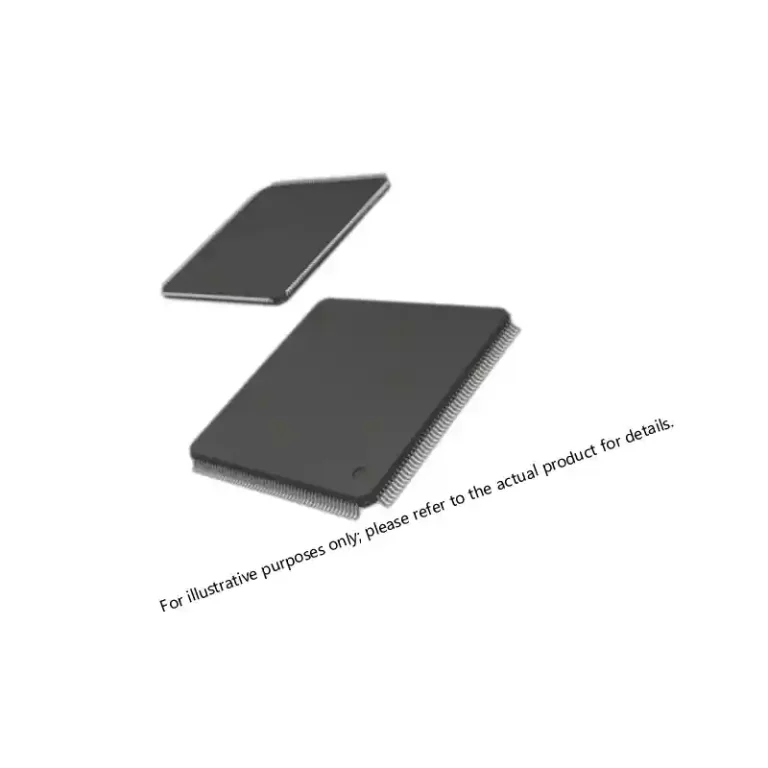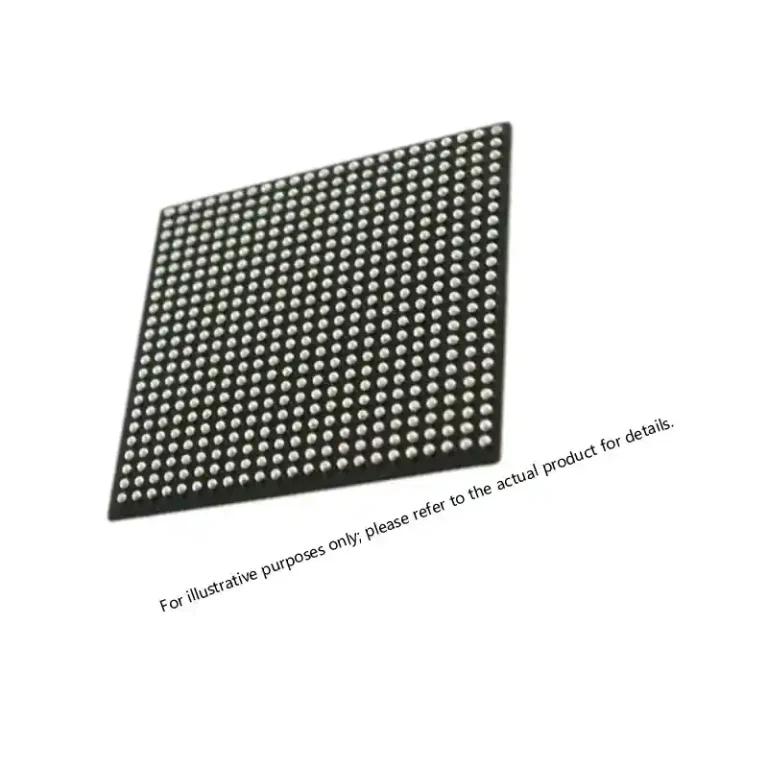
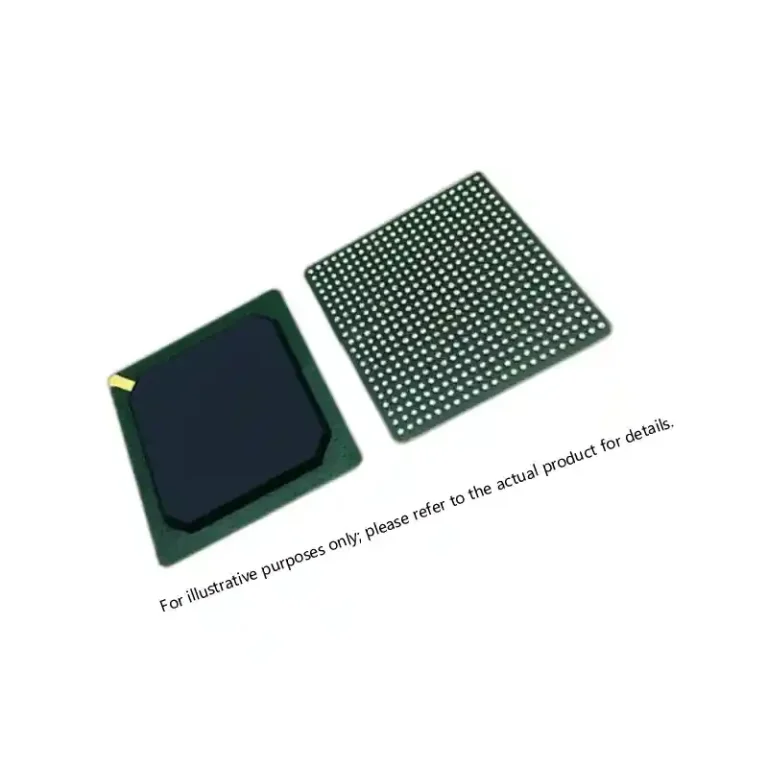
How to Avoid Counterfeit Military-Grade Components
Table of Contents
- The Scale of Counterfeit Risk in Military Electronics
- How Counterfeiters Bypass Standard Inspection
- Building a Multi-Tier Incoming Inspection Protocol
- Why Traceability Documentation Is Non-Negotiable
- Selecting a Distributor That Guards Against Counterfeits
- Strengthening Your Program Against Counterfeit Parts
- Common Questions About Counterfeit Military Component Prevention
Counterfeit military-grade electronic components compromise more than a single program budget; they erode the reliability of entire defense systems. Over twelve years of sourcing and verifying hi-rel parts for global defense contractors, we have seen counterfeit components slip past procurement offices that relied solely on distributor certifications. Avoiding counterfeit military-grade components requires more than a checklist inspection at receiving; it demands a layered verification strategy built into the procurement workflow from supplier selection through final documentation review.
The Scale of Counterfeit Risk in Military Electronics
The defense electronics supply chain is an attractive target for counterfeiters because military programs often require obsolete or long-lead-time components. When a part is scarce and lines of supply narrow, unauthorized sources introduce non-conforming devices into the market. These parts range from simple passive components to complex FPGAs and ADCs where the financial incentive to counterfeit is highest.
In our own incoming inspection experience, we have encountered counterfeit ICs that were visually indistinguishable from authentic devices. One batch of 5962-series logic ICs had correct marking format and passed a quick continuity test, but X-ray analysis revealed a different die revision than specified. That is the gap between what a casual inspection catches and what a methodical verification uncovers. The stakes are not theoretical: a single counterfeit FPGA in a missile guidance system or a counterfeit power module in an avionics LRU can cause mission failure with consequences measured in both dollars and operational safety.
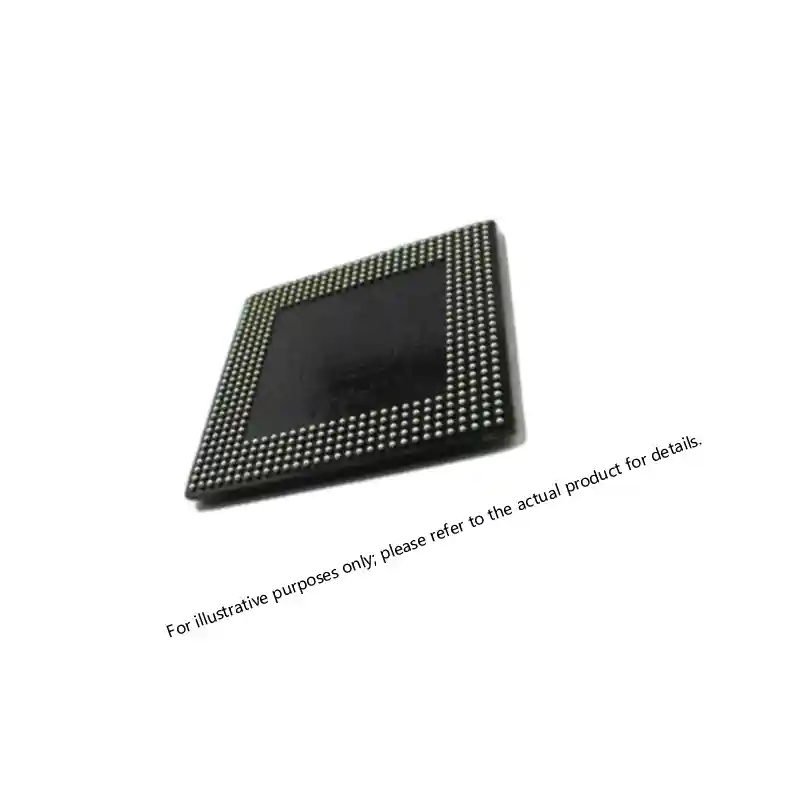
How Counterfeiters Bypass Standard Inspection
Counterfeit components often survive initial incoming checks because the most common deception techniques target visual and basic electrical shortcuts. Blacktopping and remarking is the most widespread method: the counterfeiter sands the original marking from a commercial or obsolete part, applies new epoxy coating, and prints a military part number on top. Solvent tests that check marking permanence can expose this, yet many receiving stations skip that step if the part looks clean.
Another tactic is relabeling date codes and lot codes to make old stock appear recently manufactured, which masks age-related degradation. We have seen parts where the internal die inspection showed a fabrication date years earlier than the exterior label. Counterfeiters also harvest components from scrapped equipment, clean them, and re-package them as new. A simple visual inspection rarely catches these because the external finish is often professionally restored.
These methods succeed because the receiving workflow at many organizations treats incoming inspection as a formality: check the count, check the package, scan the barcode, and move to stock. Counterfeiters count on that surface-level diligence.
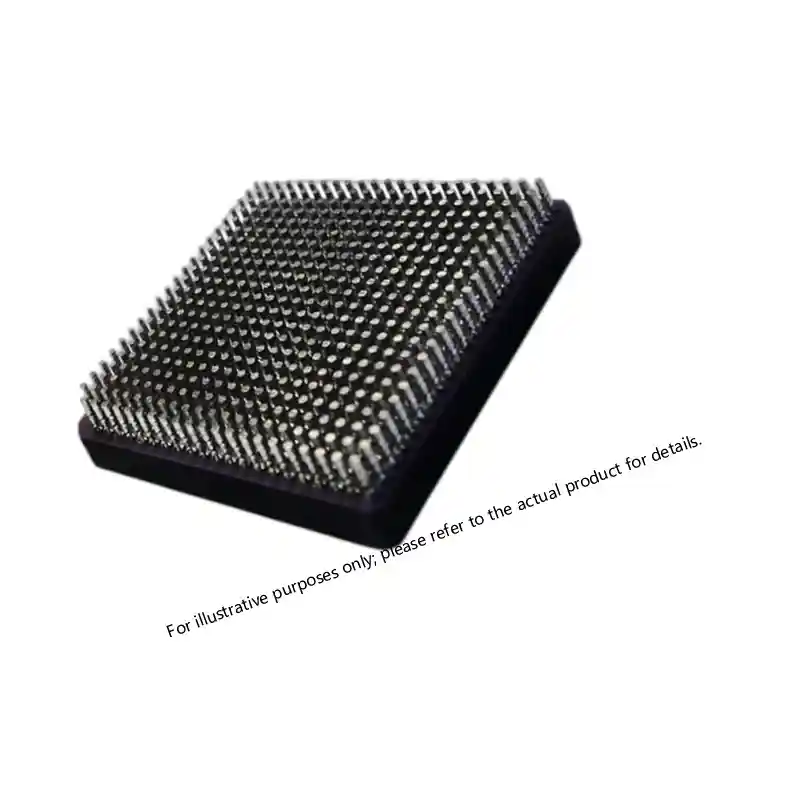
Building a Multi-Tier Incoming Inspection Protocol
A reliable anti-counterfeit program layers multiple inspection methods, each designed to catch what the previous tier might miss. The table below outlines the tiered approach we coach our defense customers to implement.
| Inspection Tier | Method | What It Detects |
|---|---|---|
| Tier 1: Visual and mechanical | High-magnification microscopy, package dimensions, lead finish analysis, marking permanence testing | Blacktopping, remarking, physical damage, re-tinning |
| Tier 2: X-ray and acoustic imaging | Real-time X-ray, scanning acoustic microscopy | Die size mismatch, missing wire bonds, internal cracks, die face inconsistencies |
| Tier 3: Electrical verification | Curve trace, full parametric testing at temperature, functional test | Out-of-spec performance, incorrect silicon revision |
| Tier 4: Documentation forensics | Lot code cross-reference, CoC verification with OEM, date code logic | Fabricated traceability, inconsistent paperwork |
Each tier adds cost and time, so program managers often question whether all four are necessary. Our recommendation is to match the inspection depth to the risk profile of the component. A passive capacitor in a non-safety circuit might end at Tier 1. An FPGA going into an electronic warfare system should pass all four tiers, including documentation forensics that verify the part’s chain of custody back to the original wafer lot.
If your team is evaluating whether to invest in in-house X-ray capability or to partner with a test lab, we can walk through the cost-benefit specific to your program’s BOM. Reach us at xuansc2144@gmail.com to discuss which inspection tier fits your component risk class.
Why Traceability Documentation Is Non-Negotiable
Even the best physical and electrical testing cannot catch every sophisticated counterfeit, because some fakes use genuine die from the same manufacturer but are sold as higher-grade screened parts. That is why traceability documentation is the backbone of any counterfeit prevention program.
A complete documentation package should include the OEM certificate of conformance, independent test house reports where applicable, and a clear lot code history that ties the component to a specific manufacturing batch. At Sparkle Electronics, every military-grade component we ship is accompanied by full lot traceability documentation, and we encourage buyers to cross-check lot codes against the OEM database directly. If a distributor cannot or will not provide origin traceability, that is a red flag worth acting on.
We have seen situations where a valid-looking CoC was actually a photocopied template with fabricated lot numbers. The giveaway was that the lot code did not match the OEM’s internal date code logic for that product family. Simple cross-referencing with the manufacturer’s lot number scheme exposed the inconsistency. Procurement teams rarely perform this check themselves, but it is one of the most effective documentation verification steps available.
Selecting a Distributor That Guards Against Counterfeits
Your distributor is either your strongest defense or your weakest link. The distributor’s own incoming inspection practices, quality management certifications, and willingness to disclose supply chain provenance matter more than the breadth of their line card.
Ask any potential distributor these three questions before adding them to your approved vendor list: Does your quality system hold AS9120 or AS6081 certification? Will you provide full lot traceability back to the OEM on every shipment? Can you supply independent test reports from an accredited lab for high-risk part numbers? The answers tell you whether the distributor treats counterfeit prevention as a core process or as an afterthought.
We have built our own operation around a zero-tolerance policy for undocumented parts. That means we decline opportunities rather than accept stock we cannot fully verify. Defense programs with long production lifecycles and strict DFARS compliance requirements need a partner who will make the same trade-off.
Strengthening Your Program Against Counterfeit Parts
The reality is that counterfeit components will continue to enter the supply chain as long as demand for scarce military-grade parts exceeds authorized supply. Your program’s immunity depends on how many independent verification layers you put between the incoming shipment and the production floor, and on how rigorously you enforce documentation standards throughout the procurement cycle.
If your current process stops at visual inspection or relies on a single certificate, there are gaps that counterfeiters know how to exploit. We help defense procurement teams close those gaps by designing tiered inspection protocols and by supplying fully documented, traceable components from verified sources. Send your BOM and specific counterfeit concerns to xuansc2144@gmail.com, and we will outline a verification strategy matched to your component risk profile.
Common Questions About Counterfeit Military Component Prevention
What is the single most effective step to avoid counterfeit components?
The single highest-impact measure is to require full lot traceability documentation from every supplier and to verify that documentation independently. Even sophisticated counterfeits often fall apart when the paperwork does not hold up to cross-checking against the manufacturer’s lot code logic. No amount of physical testing can replace a broken chain of custody.
Do third-party test labs provide a guarantee against counterfeits?
Third-party testing is a powerful layer, not a guarantee. A reputable test lab can detect physical and electrical inconsistencies that indicate a counterfeit, but labs cannot retroactively create a clean provenance for a part that entered the supply chain through unauthorized channels. Use testing as a detection tool, but always complement it with supplier vetting and documentation review.
How do I know if a component lot code is legitimate?
Lot codes follow manufacturer-specific date code and fab location conventions. The most reliable method is to contact the OEM directly and request lot verification. Many major manufacturers such as Analog Devices and Texas Instruments offer lot validation services for military-grade products. We assist clients with this process as part of our documentation support, and in programs we have supported, direct OEM lot verification has caught fabricated codes that passed every other check.
Should I test every component in a shipment or only a sample?
For high-reliability applications where a single counterfeit can cause system failure, 100% testing is the only safe approach. For lower-risk components, statistical sampling based on AS6081 guidelines can be appropriate. The decision should factor in the component’s criticality, the supplier’s trust level, and the cost of field failure versus test cost.
What is the most overlooked source of counterfeit components in defense supply chains?
Broker and independent distributor channels without a documented quality management system. Parts that change hands multiple times without transparent provenance are the highest risk, regardless of how professionally they are packaged. If your purchasing team sources from brokers for shortage parts, implement a mandatory full inspection protocol for every lot. If your program involves high-rel components with long lead times, we can help you source from verified channels that maintain documented chain of custody. Share your requirements at xuansc2144@gmail.com and we will confirm availability and traceability.
If you’re interested, check out these related articles:
A1020B-PG84B ACT2 FPGA: Specs, Sourcing, and Availability
XCKU115 UltraScale FPGA: Powering Critical Defense Systems