Intersil Military Analog ICs for Defense Power and Interface
Table of Contents
- What Makes Intersil Military Analog ICs a Reliable Fit for Defense Power Systems?
- Which Power Management Functions Do Military Analog ICs Need to Cover?
- How does input voltage range change part selection?
- What do hot swap and sequencing protections do for a defense board?
- How Do Interface and Signal Chain ICs Fit Into Defense Avionics?
- Which interface standards appear most often in these BOMs?
- What Compliance Evidence Should Accompany Every Military Analog IC Lot?
- How Should Procurement Teams Source Intersil Analog ICs Over Program Life?
- What Buyers Ask About Intersil Military Analog ICs for Defense
- Are Intersil and Renesas military analog ICs the same parts?
- Does a commercial Intersil part become military if it passes extended temperature testing?
- What does /883 or QML mean for an analog IC?
- How can I verify stock is not counterfeit?
Military analog ICs from Intersil, now part of Renesas, sit where power conversion, signal conditioning, and interface integrity meet program compliance. For defense boards, a part number alone is not enough. The same base function can exist in commercial, industrial, and military flows with different screening, temperature ranges, and lot documentation. That distinction changes what a buyer can accept. I have spent more than twelve years tracing these parts to qualified production, and the recurring lesson is simple: the suffix, test flow, and paper trail matter as much as the silicon. The sections that follow cover power management and interface functions, the documentation to require, and how to source without avoidable program risk.
What Makes Intersil Military Analog ICs a Reliable Fit for Defense Power Systems?
Intersil’s analog portfolio entered defense designs through a few practical strengths. The parts tend to be specified around known board-level problems rather than isolated datasheet parameters. Power controllers include programmable soft-start, current limit, and fault timing. Interface parts address common-mode range, bus loading, and latch-up tolerance. For a defense power system, those details matter more than peak efficiency because a 1.8 V rail that resets under load or a transceiver that folds under a noisy ground plane can stop a qualification run.
Not every Intersil part is a military part. The same base function can be bought as commercial, industrial, or military flow. The distinction sits inside the suffix and the documentation. I look for the 5962 drawing, QML listing, or vendor item drawing first. Without that anchor, a part with the same pinout can pass bench test and still be the wrong procurement lot.
Which Power Management Functions Do Military Analog ICs Need to Cover?
Defense power management splits into conversion, protection, and sequencing. Intersil and Renesas analog ICs cover these functions in blocks that can be combined on a single board. The table shows the functions I see most often in program BOMs and the reason each one matters in a military environment.
| Function | Typical device type | Why defense programs care |
|---|---|---|
| DC-DC conversion | PWM controller, integrated FET regulator | Holds regulation across wide input and load steps |
| Point-of-load regulation | LDO, low-voltage regulator | Sets clean rails for processors and FPGAs |
| Hot swap and inrush control | Hot swap controller, eFuse | Prevents bus sag when boards plug into live backplanes |
| Sequencing and supervision | Sequencer, supervisor, window detector | Controls power up and power down order to avoid latch-up |
| Voltage reference | Precision reference | Sets the accuracy baseline for ADC and sensor chains |
How does input voltage range change part selection?
One of the first decisions is whether the rail starts at 28 V, 12 V, or a wide battery range. The part’s absolute maximum and undervoltage lockout threshold have to leave margin for transients. I have seen boards fail because the selected controller worked at nominal 28 V but tripped on the cold-crank or load-dump edge. For military programs, the spec must include the worst-case supply transient, not the nominal bus voltage.
What do hot swap and sequencing protections do for a defense board?
Hot swap control limits inrush current when a board plugs into an energized backplane. Sequencing prevents a processor rail from coming up before its I/O supply, which can otherwise create latch-up or bus contention. On defense boards that are repaired or replaced in the field, these two functions reduce the chance that a maintenance action takes down the rest of the system.
How Do Interface and Signal Chain ICs Fit Into Defense Avionics?
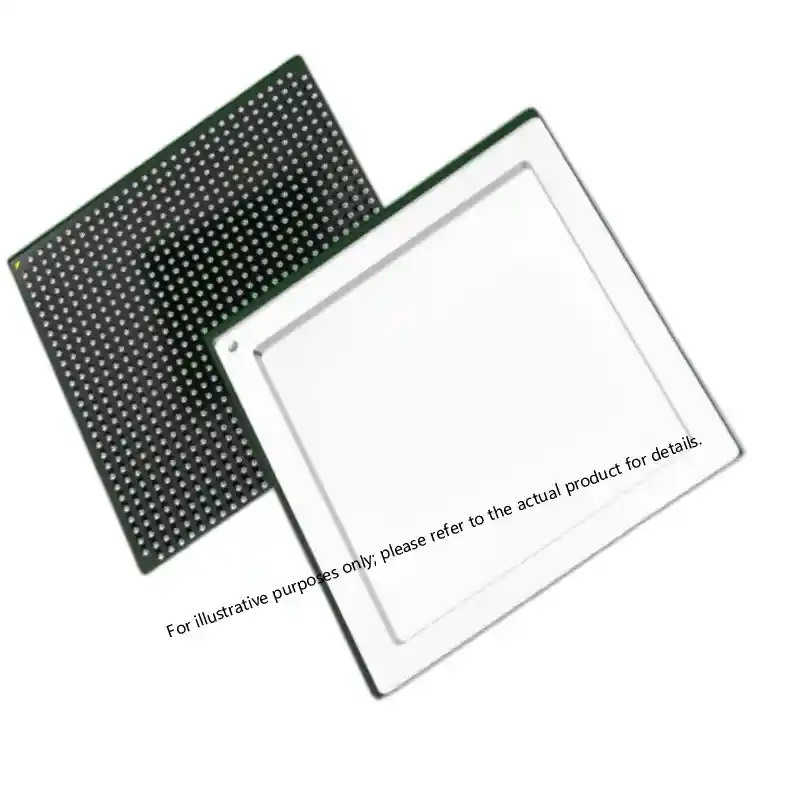
Military analog interface parts tend to live in the less visible layers of a system: bus transceivers, multiplexers, sample and hold circuits, buffers, and drivers. They connect a processor or FPGA to sensors, actuators, or a backplane bus. In avionics and vetronics, these parts see wide temperature swings, noisy ground returns, and long cable runs. That is where common-mode range, slew control, and output drive matter.
Which interface standards appear most often in these BOMs?
The common ones I see are RS-422 and RS-485 differential links, low-voltage differential signaling, and Ethernet physical layer devices. Intersil and Renesas parts often appear in RS-485 and RS-422 sockets because their transceivers include high ESD tolerance and extended common-mode ratings. The exact part selected should match the bus termination and cable length, not just the protocol name.
If your board has a dual-supply interface or long cable run, the transceiver’s common-mode and unit load behavior deserve a second check before BOM lock. Send the corner voltages and bus topology to xuansc2144@gmail.com and I will confirm which variant fits.
What Compliance Evidence Should Accompany Every Military Analog IC Lot?
For analog parts, the compliance question is not whether the silicon works. It is whether the lot shipped under the drawing. A buyer should ask for the certificate of conformance, the 5962 or QML number, date and lot code, and evidence that the parts were not re-marked. I have seen documentation that looked complete but was missing the traceability link from the distributor back to the qualified manufacturer. That missing link is usually where program risk hides.
Analog ICs have a different risk profile from large digital FPGAs. A small LDO or transceiver may not get the same counterfeit attention as a high-value FPGA, but it can still create a qualification failure. The screening flow matters. MIL-STD-883 and QML devices go through lot-specific testing, and the paperwork should match the part marking. If a buyer only sees a commercial datasheet and a verbal claim that the lot is military grade, that is a red flag.
One area where we push back is mixed documentation. A lot with some parts marked Intersil, some marked Renesas, and a single certificate covering both styles may still be legitimate, but it requires a clearer paper trail. The markings, date codes, and lot numbers should reconcile before incoming inspection.
How Should Procurement Teams Source Intersil Analog ICs Over Program Life?
Long program life changes sourcing. A defense board may stay in service for 15 or 20 years. The exact Intersil or Renesas part can move from active to not recommended for new design or last-time buy while the platform is still supported. Procurement teams should lock the drawing number, document alternate sources only where form, fit, and function are proven, and plan for last-time buy notices before they become shortages.
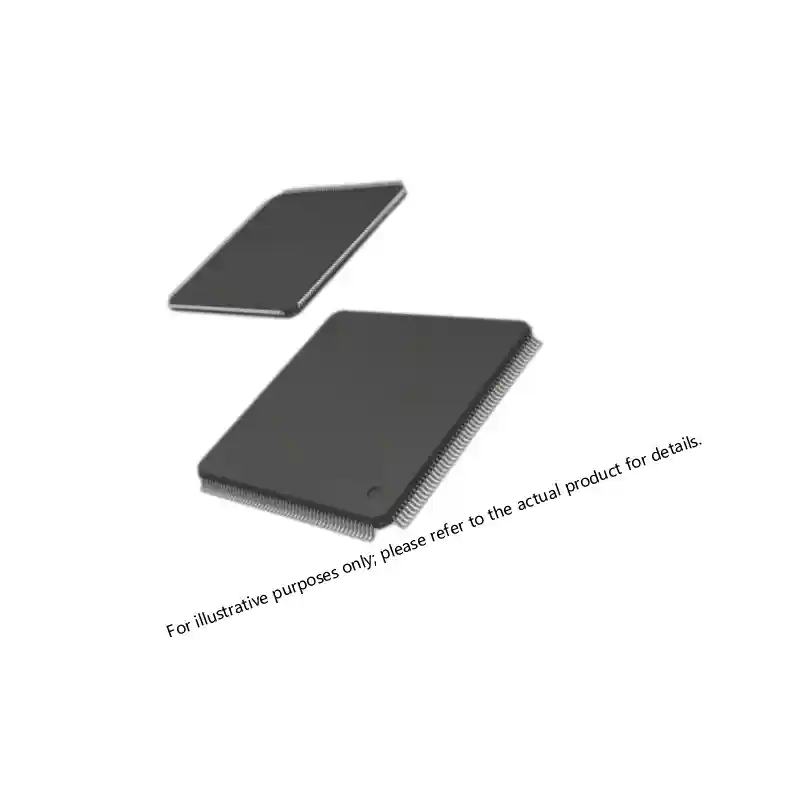
I have seen two failure modes repeat. One is buying by base part number without the military suffix and discovering the supplied lot is commercial. The other is treating an analog IC as a simple commodity and losing traceability when the original distribution path changes. The safer practice is to keep the vendor item drawing, lot documentation, and incoming inspection record together for the life of the program.
If you are looking at an Intersil military analog BOM and cannot resolve which suffix, grade, or documentation path is correct, send the part numbers and required quantities to xuansc2144@gmail.com. We verify the exact flow before quoting, and we will flag date code, packaging, and certification issues before they reach your incoming inspection.
What Buyers Ask About Intersil Military Analog ICs for Defense
Are Intersil and Renesas military analog ICs the same parts?
They are the same product family, but the marking and documentation may differ by production date. Renesas acquired Intersil years ago and migrated part numbers to Renesas marking. You can still find new old stock with Intersil markings as well as Renesas-marked lots. The important check is not the logo. It is whether the drawing, date code, and lot test data match the actual package markings. If the lot is mixed with different marking styles, ask for separate traceability before accepting the shipment.
Does a commercial Intersil part become military if it passes extended temperature testing?
A common mistake is to treat high and low temperature bench testing as up-screening. That misses the point. Military flow means the part was built, probed, and screened under a controlled lot with the proper documentation from the start. A commercial part that happens to survive a thermal cycle has no military qualification history and no paper trail. Some programs accept upscreened parts in limited cases, but that is a specific engineering decision, not a simple substitution. If your drawing allows upscreening, record the test conditions and the decision logic.
What does /883 or QML mean for an analog IC?
It depends on how the part was ordered. If the device was manufactured and shipped under a 5962 drawing or QML listing, the lot test data and certificate of conformance follow that flow. If someone simply adds /883 to a commercial part number without the vendor item drawing, the paperwork is not the same. For analog ICs, that difference shows up in lot acceptance, temperature range, and burn-in or life test requirements. Before accepting either classification, compare the marking to the drawing and the certificate of conformance to the actual lot number.
How can I verify stock is not counterfeit?
In our incoming inspections, we have caught mismarked lots that looked correct at first glance. The reliable indicators are package texture, pin finish, date code format, and lot code consistency against the manufacturer’s records. We also check whether the distributor can show a continuous chain of custody from the qualified source. A part with no chain and a too-good price usually fails on one of those points. If your requirement includes date code restrictions or specific test data, share the requirement and we will confirm what documentation is available from xuansc2144@gmail.com.
If you’re interested, check out these related articles:
XC7VX485T Virtex-7 FPGA: Performance and Sourcing for Defense
Virtex-7 XC7VX690T: Performance and Reliability Insights
Virtex-7 690T FPGA: Performance, Packaging, and Reliability Insights
XCKU115 UltraScale FPGA: Powering Critical Defense Systems
Virtex-7 XC7VX690T: Performance, Reliability, and Integration