
Military Fighter Jet Avionics Components: What to Specify
Table of Contents
- What Makes an Electronic Component Qualified for Fighter Jet Avionics?
- Do QML and 5962-Series Qualification Mean the Same Thing?
- What Do Military Temperature Grades Actually Require?
- Which Environmental Test Requirements Should You Specify for Fighter Jet Avionics?
- DO-160 or MIL-STD-810: Which Standard Controls Avionics Environmental Qualification?
- What Vibration, Shock, and Thermal Cycling Profiles Should the Part Meet?
- Which Avionics Databus Interfaces Should the Component Support?
- MIL-STD-1553 and ARINC 429: What Is the Difference?
- How Do FPGA and ADC Choices Affect Avionics Interface Compliance?
- What Documentation and Traceability Evidence Must the Supplier Provide?
- What Should a Certificate of Conformance Cover?
- How Do You Verify Traceability Without Slowing Down the Order?
- How Do You Confirm Fighter Jet Avionics Component Specifications Before Ordering?
- What Questions Do Buyers Ask About Fighter Jet Avionics Components?
- Do I need QML parts for every fighter jet avionics BOM line?
- Is DO-160 testing sufficient for a fighter platform?
- What if a part number from the original BOM is obsolete?
- How much documentation is enough to satisfy a program audit?
Fighter jet avionics components fail procurement reviews for one recurring reason: the electrical specification is solid, but the qualification evidence, environmental test data, and traceability documentation are thin. Engineers release a part number and a temperature range, and later discover no one specified which test reports, certifications, and chain-of-custody records must accompany the order. I have reviewed enough avionics BOMs to know that documentation gaps block more production lines than marginal electrical ratings. This article maps the four areas to pin down before release: qualification status, environmental test requirements, databus interfaces, and supplier documentation.
What Makes an Electronic Component Qualified for Fighter Jet Avionics?
Qualified for fighter jet avionics does not mean industrial grade or even broadly military grade. The component has to carry a qualification that a defense program can trace to a controlled baseline, and that baseline has to hold up when the drawing review comes. In practice I look for three markers: QML listing under the MIL-PRF-38535 system, a 5962-series Standard Microcircuit Drawing that fixes electrical and environmental limits, and a stated screening class with defined burn-in and lot acceptance tests. A commercial device with a wider temperature suffix is not a substitute. When a BOM treats one as equivalent, the program usually discovers the gap during audit, not during design.
Do QML and 5962-Series Qualification Mean the Same Thing?
Not exactly, and the distinction matters when reviewers ask for evidence. QML approval certifies the manufacturer’s quality management and process control for monolithic microcircuits, so production occurs under an approved process flow with ongoing audit. A 5962-series number identifies a specific drawing with electrical parameters tied to a defined test plan, screening level, and package finish. A 5962 part can come from a QML line, or it can be qualified to a legacy Class B or Class Q flow. The specification should therefore state the qualification method and the screening class, not just the part number, because the same number can appear under different quality baselines depending on source.
What Do Military Temperature Grades Actually Require?
Fighter avionics routinely require operating limits from -55°C to +125°C, but the temperature suffix answers only part of the question. The same drawing can exist in multiple screening classes with different burn-in durations, sample plans, and lot acceptance requirements. Thermal cycling and burn-in conditions follow MIL-STD-883 methods, and the specification should state those conditions explicitly. Otherwise two suppliers can quote the same part number and deliver parts built to two different test loads.
Which Environmental Test Requirements Should You Specify for Fighter Jet Avionics?
Most component specifications under-specify environment by citing only MIL-STD-810. Fighter avionics sits across two regimes: civil-derived DO-160 conditions and military MIL-STD-810 tailored tests, plus aircraft-level MIL-STD-461 electromagnetic compatibility limits. A part does not meet DO-160 generically. The specification must name the standard, the applicable sections and categories, and the platform tail, otherwise two suppliers will quote the same part with very different supporting test data. A BOM line that simply says “environmental: airborne” delegates a qualification decision to whoever happens to be quoting, which is rarely the person who owns the design risk.
| Standard | Primary focus | Typical avionics sections or methods | What the spec must state |
|---|---|---|---|
| DO-160G | Civil airborne environmental conditions | Vibration, temperature, altitude, humidity, power input | Section and category level, not just the standard |
| MIL-STD-810H | Military environmental test tailoring | Method 514 vibration, 516 shock, 501/502 temperature | Tailoring to the specific aircraft platform |
| MIL-STD-461G | Electromagnetic interference control | CE/CS conducted, RE/RS radiated | Aircraft internal limits and test setup |
DO-160 or MIL-STD-810: Which Standard Controls Avionics Environmental Qualification?
It depends on the airworthiness basis. A fighter program derived from a military platform will specify MIL-STD-810H methods with flight-profile tailoring. A platform with civil certification heritage may flow DO-160G categories for temperature, vibration, and power quality. Some programs invoke both, which is why each BOM line should call out the controlling document for each environmental parameter instead of leaving the supplier to guess.
What Vibration, Shock, and Thermal Cycling Profiles Should the Part Meet?
The specification should state vibration and shock levels by MIL-STD-810 method and profile, and thermal cycling conditions by MIL-STD-883 or the platform environment. Without those profiles, a qualified part can still arrive untested for the specific installation. I have seen vibration requirements flow down only after first article testing revealed a mounting failure, and correcting it after first article cost the program months of schedule. Stating the profile up front costs far less than the redesign time it prevents.
If your program mixes DO-160 categories with MIL-STD-461 limits across line-replaceable units, confirm which test reports the supplier can produce before you freeze the BOM. Send the part list and required categories to xuansc2144@gmail.com and I will verify the documentation path against available stock.
Which Avionics Databus Interfaces Should the Component Support?
Fighter avionics components rarely operate alone. They sit on MIL-STD-1553B dual-redundant buses, ARINC 429 simplex links, and increasingly high-speed serial interconnects between sensors and processors. Component selection must preserve bus protocol compliance, transceiver voltage margins, and timing behavior under the platform’s worst-case load. If the BOM lists a generic transceiver without naming the bus standard, the substitution risk lands on the integrator.
MIL-STD-1553 and ARINC 429: What Is the Difference?
MIL-STD-1553B is a command/response, dual-redundant, time-division bus at 1 Mbit/s. ARINC 429 is a one-way, single-transmitter, multi-receiver bus at either 100 kbit/s or 12.5 kbit/s. Fighter platforms lean on 1553 for mission-critical control; ARINC 429 appears where civil avionics equipment carries over. The component-level difference shows up in bus transceivers, line isolation, and protocol endpoint ICs, so the part number must align with the bus architecture, not a generic serial interface.
How Do FPGA and ADC Choices Affect Avionics Interface Compliance?
Modern fighter avionics shift protocol handling into FPGAs and use high-speed ADCs for RF and sensor front ends. Part selection then has to satisfy interface electrical levels plus the processing margins, timing, and configuration memory reliability the bus architecture demands. An FPGA or ADC selected only for logic density or sample rate can force an external level-shifter chain or a custom timing fix that the original architecture never assumed. I prefer to review the interface section of the schematic alongside the bill of materials so the protocol burdens stay visible before parts are committed.
What Documentation and Traceability Evidence Must the Supplier Provide?
Documentation is the specification layer most avionics programs get wrong. The purchase order should name the evidence set that accompanies each line: certificate of conformance, test reports for the specified screening class, lot date codes, and chain-of-custody records back to the manufacturer or approved source. A supplier who offers only a commercial packing slip cannot demonstrate the provenance a defense audit will require.
What Should a Certificate of Conformance Cover?
The C of C should trace the part numbers to the drawing, state the qualification class and lot identifiers, and reference the inspection and test records for that lot. A one-line certification that says “goods conform to purchase order” without lot-level detail is not enough. The specification should list the exact elements the C of C must contain, because auditors compare the certification against the lot evidence, not against the invoice.
How Do You Verify Traceability Without Slowing Down the Order?
Traceability does not have to add weeks if the requirement is stated before quoting. I have handled avionics orders where full lot traceability, date codes, and test report review added one or two days to release because the supplier already held the records. When the same evidence is requested after parts ship, the same verification can take weeks and sometimes fails. The specification should therefore state documentation deliverables at the RFQ stage, and the supplier should confirm them in writing before shipment.
How Do You Confirm Fighter Jet Avionics Component Specifications Before Ordering?
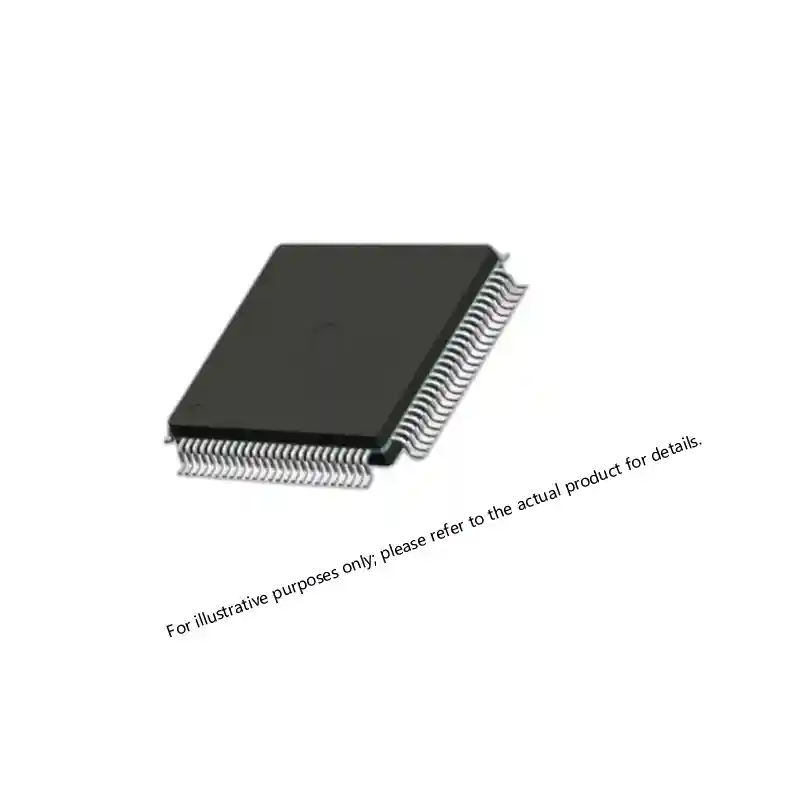
Most specification errors surface after the order, when the parts sit in receiving inspection and the test reports do not match the drawing. That delay is avoidable. Sparkle Electronics confirms the qualification, environmental, and documentation categories your program requires before you commit. Send the bill of materials to xuansc2144@gmail.com and I will verify each line against stock and available evidence.
What Questions Do Buyers Ask About Fighter Jet Avionics Components?
Do I need QML parts for every fighter jet avionics BOM line?
Only for the lines that carry an explicit quality or reliability flow-down. Most avionics programs require QML or equivalent qualified microcircuits for flight-safety functions, while non-flight-critical circuitry may accept screened commercial or industrial parts if the program approves an upscreening path. The cost difference is real, so spend qualification budget where the failure consequence justifies it, and document the rationale for every line instead of applying one rule blindly.
Is DO-160 testing sufficient for a fighter platform?
Not on its own, which is a common misconception. DO-160 is written for civil airborne equipment categories and may not capture the vibration, gunfire shock, or electromagnetic environment of a fighter. Military programs usually add MIL-STD-810 tailored profiles and MIL-STD-461 limits. The right question is which controlling standard the airworthiness authority or prime contractor names for each environment, not whether DO-160 alone is enough.
What if a part number from the original BOM is obsolete?
It depends on how the obsolescence is discovered. If the program allows a form, fit, and function replacement, a second-source or drop-in equivalent with equivalent qualification can work with proper documentation. If the part is sole-source and obsolete, a last-time buy or carefully validated substitute is required. The decision should follow the program’s configuration control process and include qualification evidence for the replacement, because auditors treat undocumented substitutions as a finding.
How much documentation is enough to satisfy a program audit?
In programs I have supported, the audit threshold is usually set by the contract flow-down, not by the supplier’s standard package. A clean lot with a certificate of conformance, test reports, and traceability to the approved source satisfies most purchasing audits. If the drawing specifies additional screening, the auditor looks for evidence of that screening. When in doubt, submit one complete documentation package for a sample line before releasing the full order, so the auditor confirms the format once rather than rejecting it line by line. Share your BOM and required documentation categories at xuansc2144@gmail.com and I will confirm the evidence availability before you order.
If you’re interested, check out these related articles:
A1020B-PG84B ACT2 FPGA: Specs, Sourcing, and Availability
Virtex-7 XC7VX690T: Performance and Reliability Insights
XCKU085 UltraScale FPGA: Performance for Critical Systems
Virtex-7 690T FPGA: Performance, Packaging, and Reliability Insights
XC7VX485T FPGA: Virtex-7 Performance for Defense