SmartFusion Military FPGA: SoC Integration for Defense
Table of Contents
- SmartFusion SoC Architecture and Defense Integration Benefits
- MIL-STD-883 and QML Qualification for SmartFusion FPGAs
- Authenticity and Traceability: Sourcing Genuine SmartFusion Military FPGAs
- Long-Term Supply Management for SmartFusion in Defense Programs
- How to Secure SmartFusion Military FPGA Supply for Your Next Program
- Common Questions About Procuring SmartFusion Military FPGAs
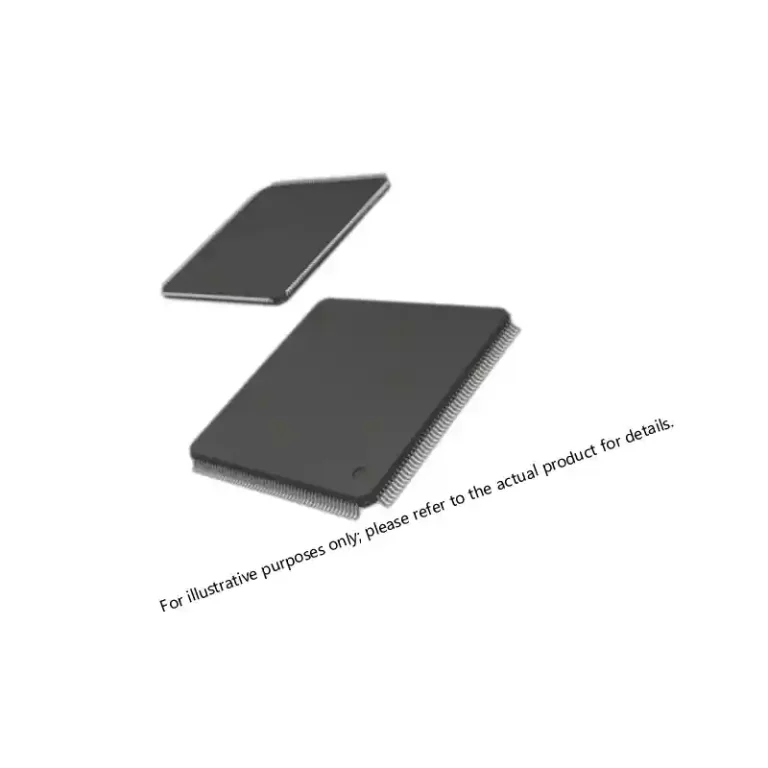
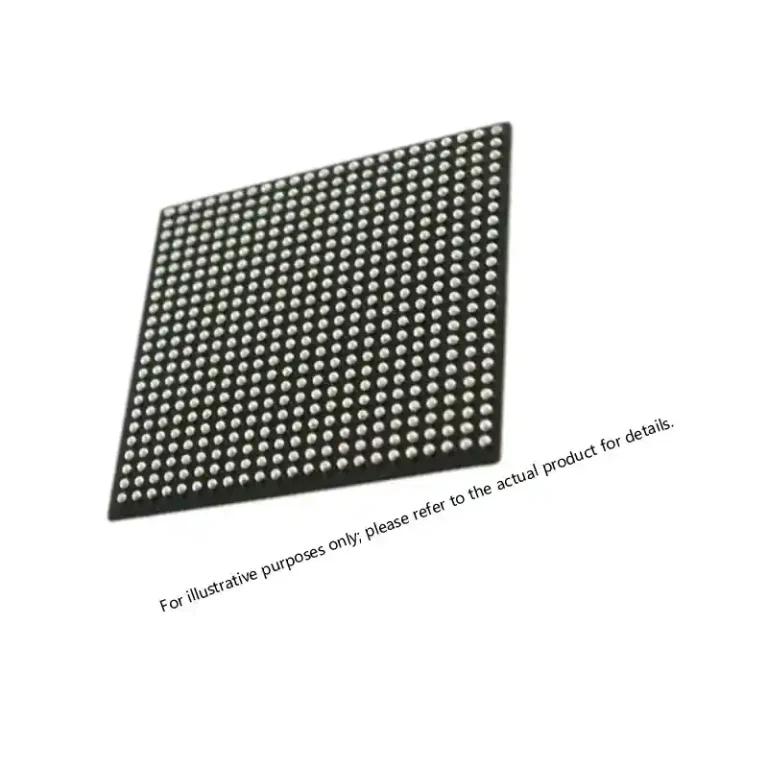
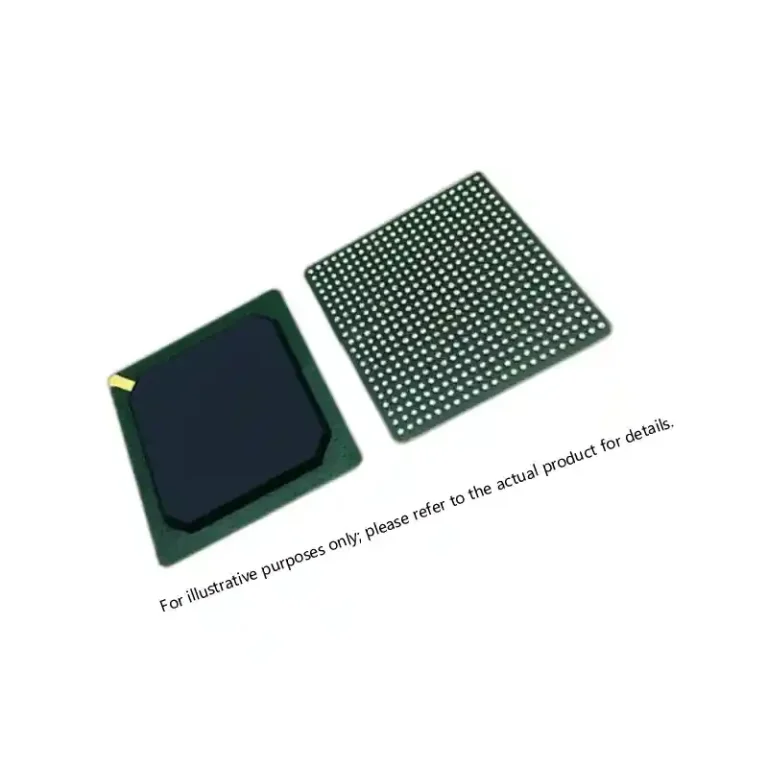
For defense electronics designers, integrating a microprocessor, FPGA logic, and analog peripherals into a single footprint has historically meant juggling three separate device trees, multiple supply voltages, and complex board layouts. Microsemi’s SmartFusion military FPGA series (now under Microchip) solves this by embedding an ARM Cortex-M3 processor, flash-based FPGA fabric, and programmable analog blocks on one monolithic device. As a defense supply chain specialist who works with MIL-SPEC components daily, I see the appeal, but I also see where programs stumble — not on the silicon, but on sourcing genuine parts that arrive with full traceability and the correct compliance documentation. This article examines the SoC architecture that makes SmartFusion different, and the procurement steps that keep defense programs running without interruption.
SmartFusion SoC Architecture and Defense Integration Benefits
Microsemi designed the SmartFusion family around a single-chip integration that combines three functions defense systems typically implement with discrete components. The flash-based FPGA fabric provides non-volatile logic that does not require an external configuration device, eliminates single-event upset susceptibility from the configuration memory, and powers up in microseconds. At the same time, a hardened 100 MHz ARM Cortex-M3 processor handles control, communication, and decision-making tasks, while a programmable analog block integrates ADCs, DACs, comparators, and temperature-sensing channels directly on the die.
This integration translates directly to reduced board area, lower weight, and fewer potential failure points — all factors that matter when designing for military embedded systems, including remotely piloted platforms, munition guidance, secure communications, and engine control units.
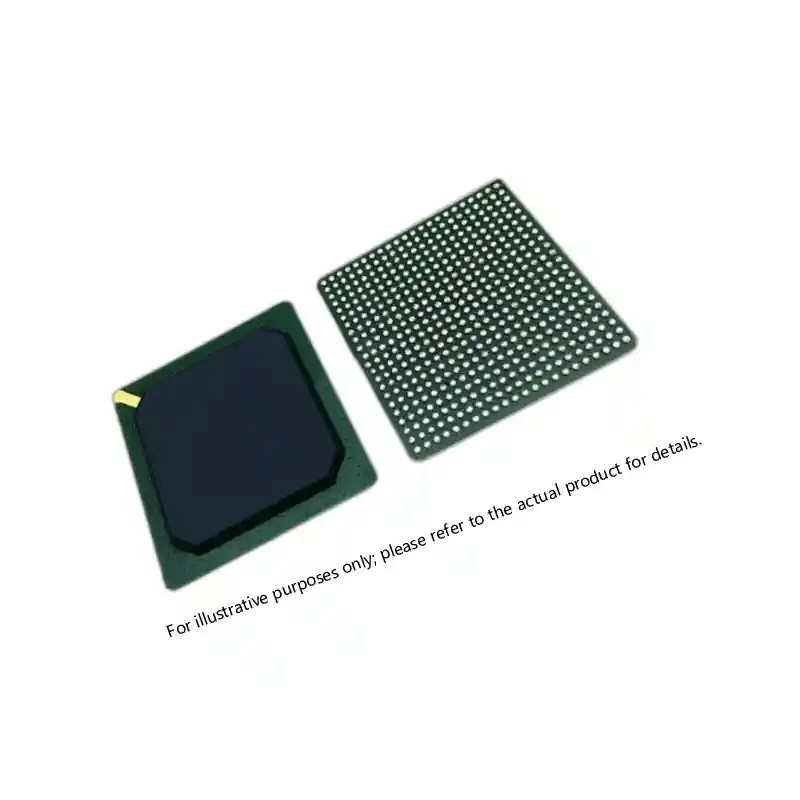
A key specification comparison across common military-temperature SmartFusion devices illustrates the density and resource range available:
| Device | Logic Elements | Flash (KB) | SRAM (KB) | ADC/DAC | Temp Range |
|---|---|---|---|---|---|
| A2F200M3F | 200K | 256 | 64 | 1×ADC, 1×DAC | –55°C to +125°C |
| A2F200M3G | 200K | 256 | 64 | 2×ADC, 2×DAC | –55°C to +125°C |
| A2F500M3G | 500K | 512 | 96 | 2×ADC, 2×DAC | –55°C to +125°C |
All variants support real-time debug, multiple communication and timer peripherals, and a wide supply voltage range, making them adaptable to both new designs and technology refresh programs.
MIL-STD-883 and QML Qualification for SmartFusion FPGAs
Military program offices rarely accept commercial off-the-shelf parts without additional screening, and SmartFusion FPGAs intended for defense use are available with either MIL-STD-883 Class B screening or as QML-Q (QML Class Q) devices under the Defense Logistics Agency’s Qualified Manufacturers List. The screening flow includes temperature cycle, constant acceleration, fine and gross leak tests, burn-in, and final electrical verification per the applicable SMD drawing.
In my experience, the difference between ordering a standard industrial-temperature part and its /883 or QML equivalent is not just the suffix. A truly qualified device arrives with a certificate of conformance, lot traceability back to the wafer fabrication site, and test data that can be submitted as part of the customer’s own incoming inspection record. Programs that skip this documentation often spend weeks reconciling non-conformances during source inspection.
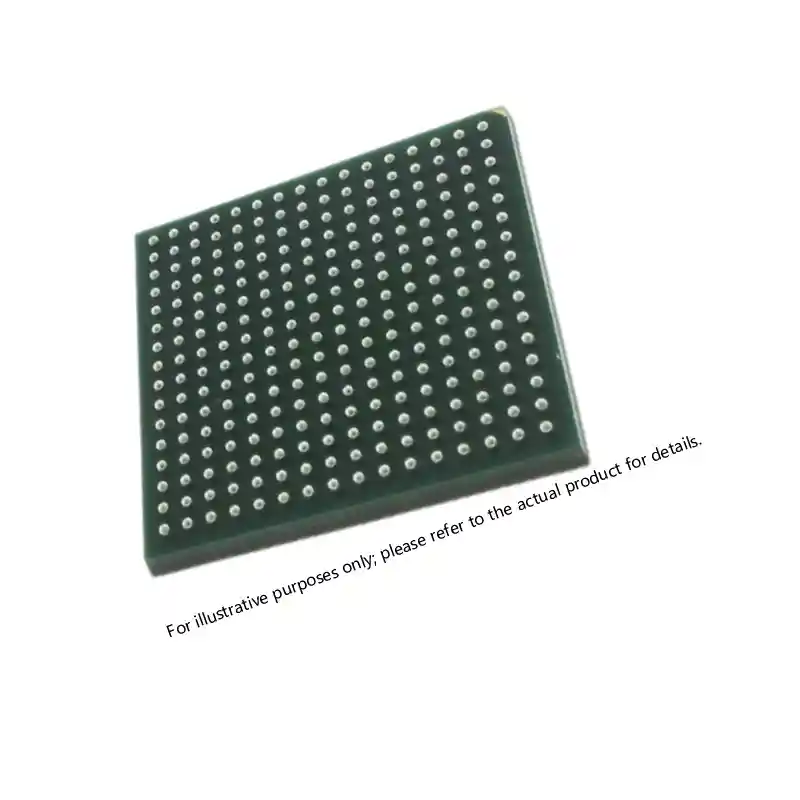
One persistent source of confusion is the relationship between the original Microsemi part numbers and the 5962- series SMD numbers assigned to the same device. For example, the A2F500M3G-FGG484I industrial-temperature device corresponds to a specific 5962 number when the /883 screening is applied. Clarifying the exact packing and screening suffix before issuing a purchase order prevents receiving stock that passes electrical test but lacks the required environmental group B tests.
Authenticity and Traceability: Sourcing Genuine SmartFusion Military FPGAs
Because flash-based FPGAs are field-programmable, the physical package can be genuine while the internal silicon is either a remarked lower-grade part or a recycled device with a tampered Flash configuration. I have encountered cases where parts sold as military-temperature SmartFusion were actually industrial-range units with laser-remarked top-side markings and fabricated lot codes.
To verify authenticity, every incoming SmartFusion lot should be checked against these four points:
1. Manufacturer’s original certification with the lot date code, test facility, and document number.
2. Physical inspection under 20× magnification for signs of remarking, uneven surface texture, or inconsistent indentation depth on the package marking.
3. X-ray comparison of the internal bond wire pattern against a known-good reference unit if there is any doubt about the die revision.
4. Electrical verification of the ADC and FPGA fabric functionality at both temperature extremes; a part that fails the analog section at -55°C is often a commercial-grade device that was not screened at the cold limit.
At Sparkle Electronics, we require full lot traceability documentation and perform visual plus electrical sample testing on every military SmartFusion shipment before it is released to our defense customers. Email xuansc2144@gmail.com if your program requires copies of recent QC records or batch documentation for a specific 5962- SMD number.
If your design team is working with a FPGA pin-out that must remain stable across second-source transitions, it is worth confirming which exact SmartFusion speed grade and temperature suffix the original BOM specified, because Microsemi later unified some part numbers under the Microchip product numbering system and small differences in the ordering code can change the qualification pedigree.
Long-Term Supply Management for SmartFusion in Defense Programs
A defense program with a 15- to 25-year sustainment commitment cannot afford to discover at year 10 that the central FPGA has been discontinued with no direct replacement. SmartFusion FPGAs remain in active production under Microchip’s long-life supply policy, but the package style and temperature screening that a particular program locked into during initial design may shift over time as the foundry updates its process.
I recommend three practices that we have used to maintain a stable supply of SmartFusion FPGAs for customer programs:
– Maintain a rolling safety stock of the specific military-temperature part number, ordered from the factory with the same date code and lot traceability year over year, so that any future lot-to-lot variation can be characterized before it impacts a production build.
– Monitor Microchip’s product change notifications quarterly and map the announced changes against the program’s approved vendor list. Even a migration from a ceramic to a plastic package, when available, can alter thermal resistance and vibration immunity enough to require re-qualification.
– When a program is entering the sustainment phase, execute a last-time-buy of sufficient bare die or packaged units to cover the remaining forecast, and store the components in nitrogen-purged dry cabinets with periodic solderability testing to preserve the floor life.
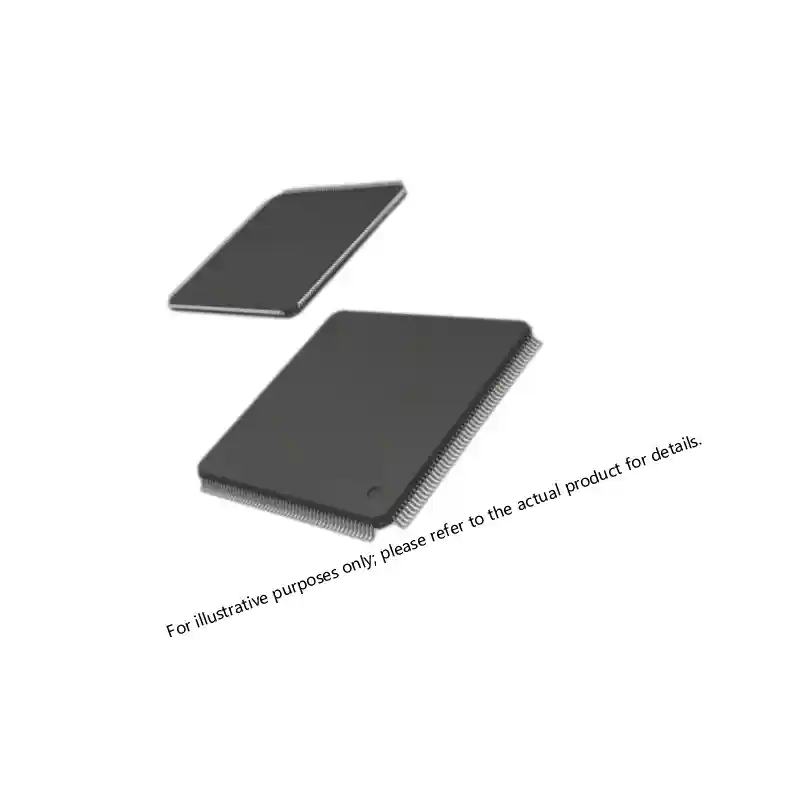
For programs that need SmartFusion FPGAs but have no internal capacity to manage these logistics, a qualified distributor with experience in defense component lifecycle management can act as the single point of contact for demand planning, factory liaison, and pre-stocked inventory.
How to Secure SmartFusion Military FPGA Supply for Your Next Program
Every defense electronics team I talk to describes the same pinch point: the FPGA they need is technically still available, but the factory lead time has stretched to 30 weeks or more, and the authorized distribution channel carries no inventory of the /883 screened version.
A reliable path through this bottleneck starts with a detailed request for quote that specifies the exact 5962- SMD number (not just the manufacturer’s commercial part number), the required temperature range, the screening class, and the documentation package including certificate of conformance and test data. When that RFQ lands with a distributor that has already positioned inventory of SmartFusion military FPGAs, the response time can drop from months to days.
At Sparkle Electronics, we hold inventory of multiple SmartFusion device types in both industrial and military temperature grades, and we coordinate directly with Microchip’s mil-aero logistics team to accelerate factory orders when a customer’s schedule demands it. If your program is facing a long lead time on a SmartFusion FPGA, send your part number and quantity to xuansc2144@gmail.com and I will confirm current stock availability and the fastest compliant delivery option.
Common Questions About Procuring SmartFusion Military FPGAs
Are SmartFusion FPGAs still in active production after the Microchip acquisition?
Yes. Microchip has continued production of the SmartFusion family and has integrated the product line into its long-life supply commitment for military and aerospace customers. The acquisition did not trigger an immediate obsolescence event, though certain package variants have transitioned to a unified ordering code system. Programs should verify the exact ordering part number against Microchip’s current military product catalog to avoid ordering a deprecated suffix.
What is the difference between SmartFusion and SmartFusion2 for defense use?
SmartFusion2 is a later-generation device that offers higher logic density, a hardened high-speed SERDES, and a more advanced security architecture including DPA-resistant IP. However, SmartFusion2 devices are primarily targeted at commercial and industrial applications and require separate QML qualification when used in a defense program. The original SmartFusion family has a longer track record in military programs, more SMD drawings available, and wider temperature screening data, which can reduce the qualification burden for legacy designs.
How can I confirm a SmartFusion FPGA is truly military-grade and not an up-screened commercial part?
The most reliable method is to ask for the Defense Logistics Agency QML or /883 certificate that references the specific SMD number, lot date code, and test facility. A compliant part comes with a certificate of conformance that lists the environmental and electrical tests performed, not just a pass/fail summary. If the supplier cannot provide that documentation with the shipment, the device should be treated as unqualified until proven otherwise.
What documentation should I expect with a military SmartFusion order?
At minimum, you should receive a certificate of conformance citing the applicable MIL-PRF-38535 or MIL-STD-883 test methods, a lot traceability form that maps the device back to the wafer fabrication date and assembly site, and a packing slip showing the exact part number, date code, and quantity. For QML devices, addition to the QML listing should be verifiable on the DLA’s public Qualified Manufacturers List. If your program has a unique quality clause or requires source inspection before shipment, communicate that requirement during the RFQ stage so the distributor can coordinate the inspection window with the test house. Send your part number and quality requirements to xuansc2144@gmail.com and we will confirm what documentation is already available for the lot you need.
If you’re interested, check out these related articles:
Virtex-7 XC7VX690T: Performance and Reliability Insights
XCKU085 UltraScale FPGA: Performance for Critical Systems
UltraScale KU085 FPGA Specifications for Defense Systems